


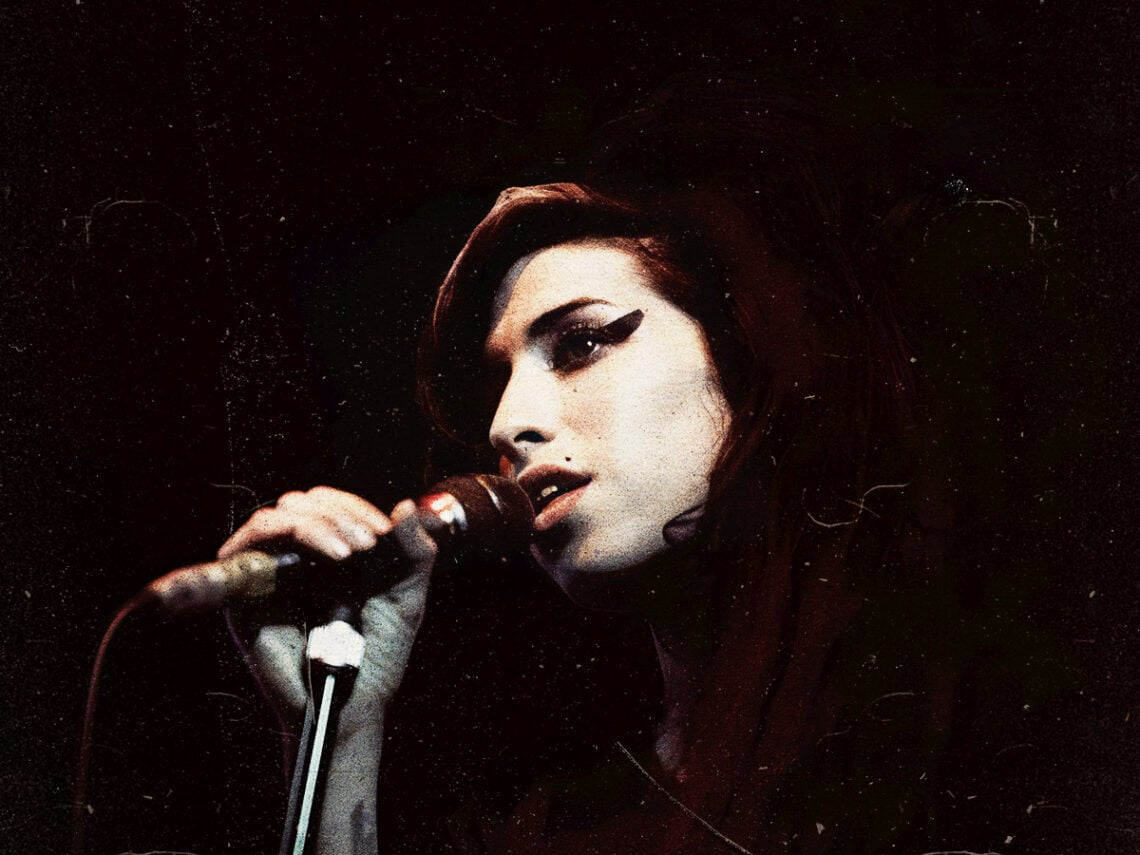
The night in Belgrade that marked the end of Amy Winehouse’s career

There are many moments you could pinpoint as the beginning of the end for Amy Winehouse. So many, in fact, that it’s easy for her mishaps to overshadow what a downright once-in-a-lifetime talent she actually was.
The first time Winehouse met producer Mark Ronson, she had very little experience of the business, or anything else, for that matter. In fact, all she had was her voice and an attitude that’d make anyone stop and listen, but not always for the right reasons. That night, however, at Ronson’s Mercer Street studio in New York, he was charmed by her charisma and confidence.
That night was also, incidentally, the night they struck gold and wrote ‘Back to Black’, Winehouse’s enduring soul-pop smash hit about retreating into the depths of unhealthy coping mechanisms to deal with the pain of failed relationships, but the crux of it is the relationship itself, which Winehouse was intensely bitter about, as is clear from the hard-hitting crudeness of the opening line.
This was a recurring theme across much of Winehouse’s music, as well as her image in general, which pulled from the threads of quintessential 1950s pin-up glam and blended it with the gritty, working-class aesthetic of her thoroughly claimed Camden territory. Here, there was a constant sense of brokenness beneath the façade, a dichotomy that appeared in many of her songs about feeling alone and hurt beneath the polished surface.
However, in between the haze of Winehouse’s personal problems with addiction, which, as we know, was ultimately her undoing, she was undeniably a world-class act with few peers who could match her gift for singing with such raw honesty and telling her stories through cutting self-conviction. If you were to sift through the infamous performances, when she’s clearly not in the right headspace to even clamber onstage, let alone stand before a live audience, Winehouse really knew how to bring it when it counted.
For instance, her spine-tingling performance of ‘Love Is A Losing Game’ at the 2007 Mercury Prize showed her affinity for transforming an entire atmosphere into something more delicate, while her debut of ‘Rehab’ on Late Show with David Letterman the same year proved just how much she was worthy of her place among countless “ones to watch” lists so early on in her rise.
It seems tragic, then, that amidst all of these successes, Winehouse’s mounting struggles would be coming in thick and fast, with sporadic mishaps that provided the perfect fodder for Britain’s vulturish tabloid culture. There are many moments you could pinpoint as her official downfall, as is clear, but the one that feels like the real turning point was the beginning of her 12-leg tour in Serbia’s Belgrade, which began on June 18th, 2011, just over a month before she died.
From the first performance, it was clear that something wasn’t right, and that night, Winehouse struggled through an entire 90-minute set to an audience of 20,000, many of whom apparently booed as she stumbled across the stage, slurred her words, forgot her words (and the names of those in her band), and, at one point, threw her microphone on the floor – despite recently attending rehab, Winehouse was clearly not ready to return to music.
Still, while it’s easy to count up all the moments that led to Winehouse’s unfortunate passing soon after, somehow doing so feels out of place when there are so many things to celebrate across her life, not just in music, but her philanthropy, too. However, the music is her power, her weapon that continues to do the talking, and represents the unique genius of her talent while overshadowing the noise of her unfortunate downfall.
