


10 unfairly treated movies you were wrong to hate

Cinema is not a binary, nor is it a medium that can be assessed quantitatively, so controversy is bound to occur when filmmakers make bold choices.
While some may cite awards success or box office results as a means of assessing quality, there is no objective way to determine the relative strengths of a film. The reputation that a film earns can develop for a number of reasons, and in some cases, public opinion often changes drastically over time.
There are obviously films like The Odyssey that immediately announce themselves as all-time classics, but some great works of cinema need to be discovered and rekindled. There’s also a fair number of films that may seem important at the time of their release, but do not hold up well at all. It should not come as a surprise that many recent releases can come under the misunderstood films label, as criticism and discourse have changed radically in the age of the internet.
Narratives about what a film will end up being are determined ahead of time, and there are awards pundits, influencers, fanboys, and corporate sponsors that masquerade as critics. There’s also an alarming number of supposed film pundits who don’t have a comprehensive knowledge of cinematic history, and thus aren’t able to engage in the nuanced decisions that a filmmaker may make.
While audiences now seem to use the scores from Rotten Tomatoes, IMDb, or Letterboxd to make a decision without actually considering a film’s qualities, there are quite a few hidden gems that were unfairly maligned when they first debuted.
10 unfairly treated movies you were wrong to hate:
‘Breakfast of Champions’ (Alan Rudolph, 1999)
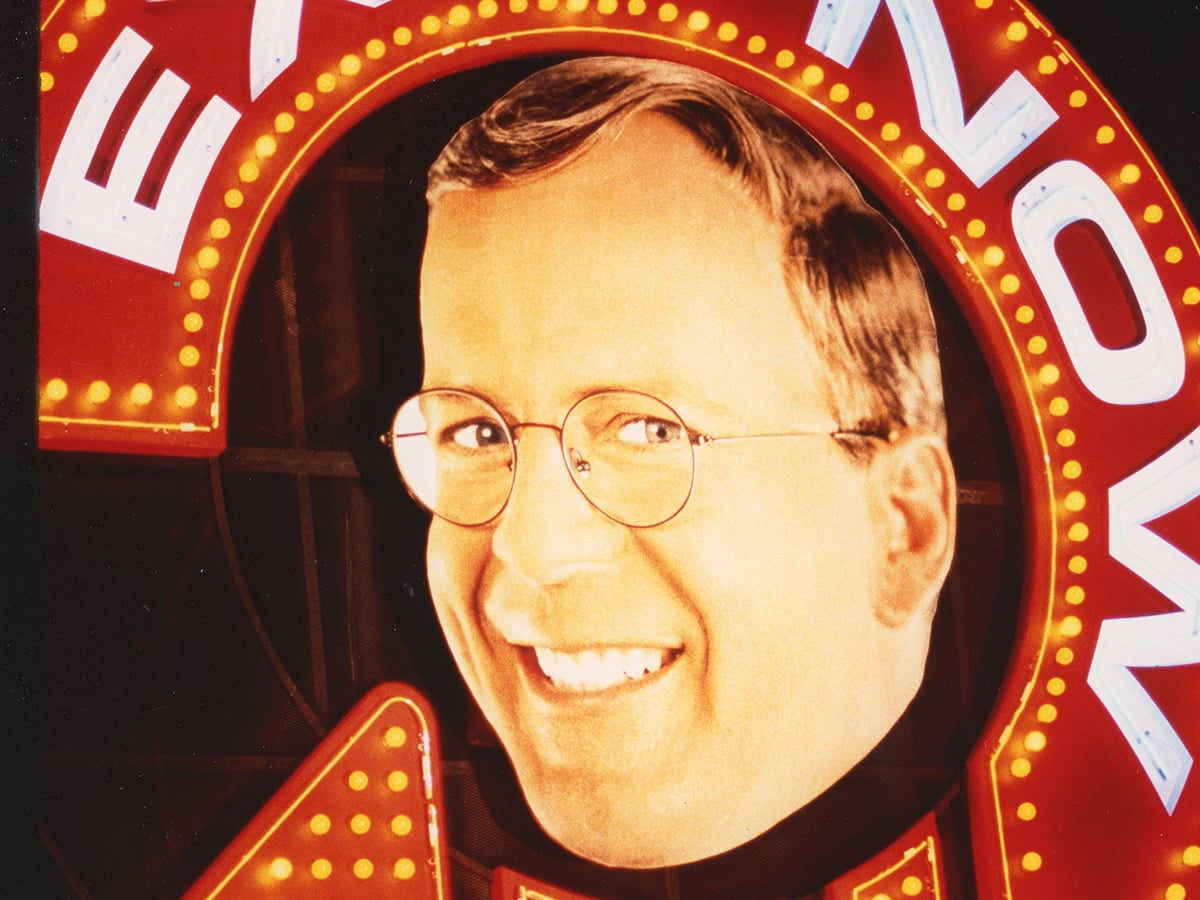
Bruce Willis may be best known as the action hero of the Die Hard films, but he had a strong interest in avant-garde cinema, which inspired him to personally purchase the rights to the Kurt Vonnegut novel Breakfast of Champions so that he could star in an adaptation.
It’s a film that ruthlessly satirises American life, and the mundanity of commercialism, and the purposeful grading style developed by director Alan Rudolph ensured that it was cut from release and barely seen by any audiences in 1999.
Breakfast of Champions is not only a faithful adaptation, but one that asks its entire cast to step outside of their comfort zones, with Willis in particular turning in one of his strangest performances. He was a lot funnier than he was given credit for, and the film is a frequently hilarious farce that somehow feels even more representative of America in 2026.
‘8MM’ (Joel Schumacher, 1999)
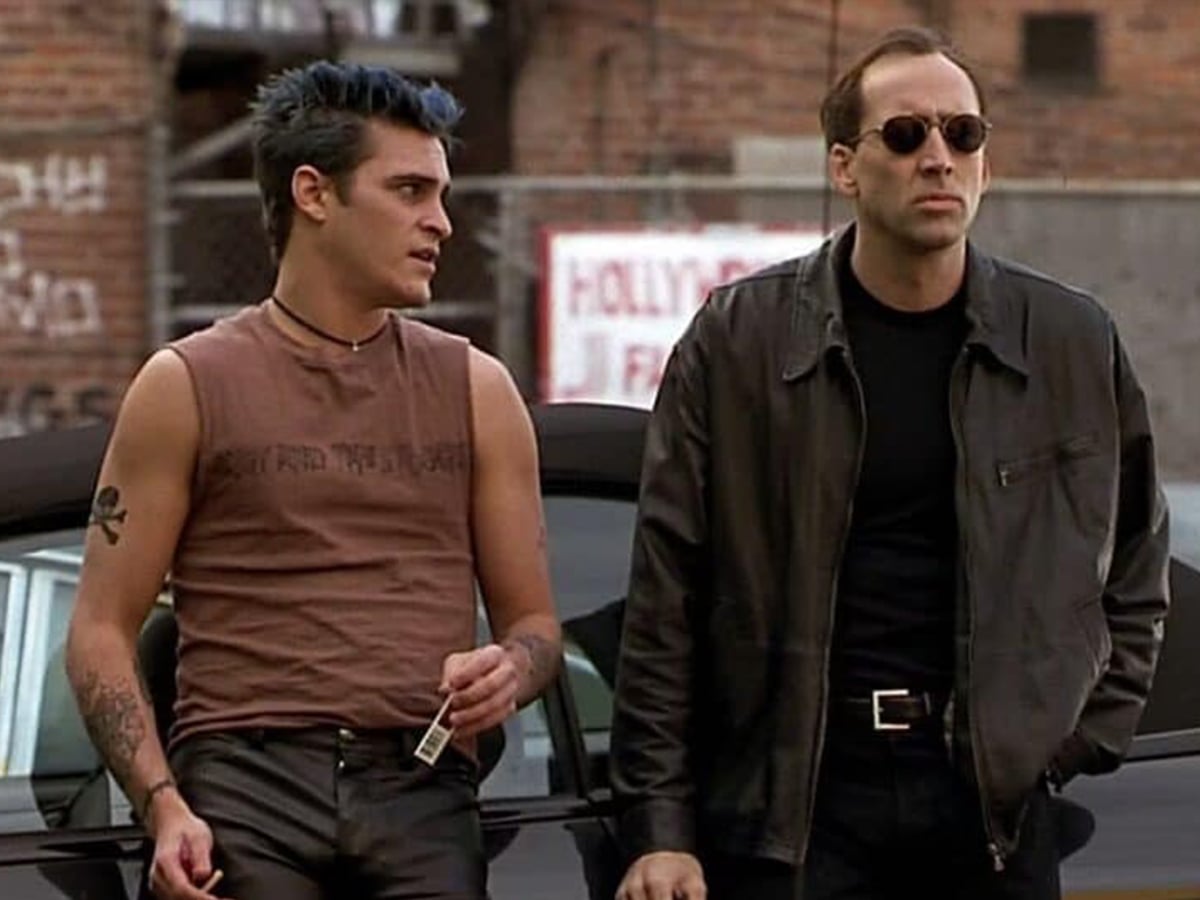
Joel Schumacher has never been interested in subtlety, but 8MM is the perfect example of what exploitation looks like when done at a Hollywood scale with major movie stars.
In a way, 8MM is a spiritual remake of Brian De Palma’s Blow Out, which was itself inspired by Michelangelo Antonioni’s Blow Up; all three films involve a voyeuristic outsider impeding upon a shadowy conspiracy through the capabilities of consumer-grade recording devices, which blur the line between fiction and reality.
8MM stars Nicolas Cage as a private detective hired to determine whether a violent pornographic video is real, which leads him into the illicit world of adult film smuggling. Schumacher presents lurid details, yet criticises his audience for taking an interest in them; it’s a surprisingly confrontational film that may have been too alienating for audiences in 1999.
‘The Good German’ (Steven Soderbergh, 2006)
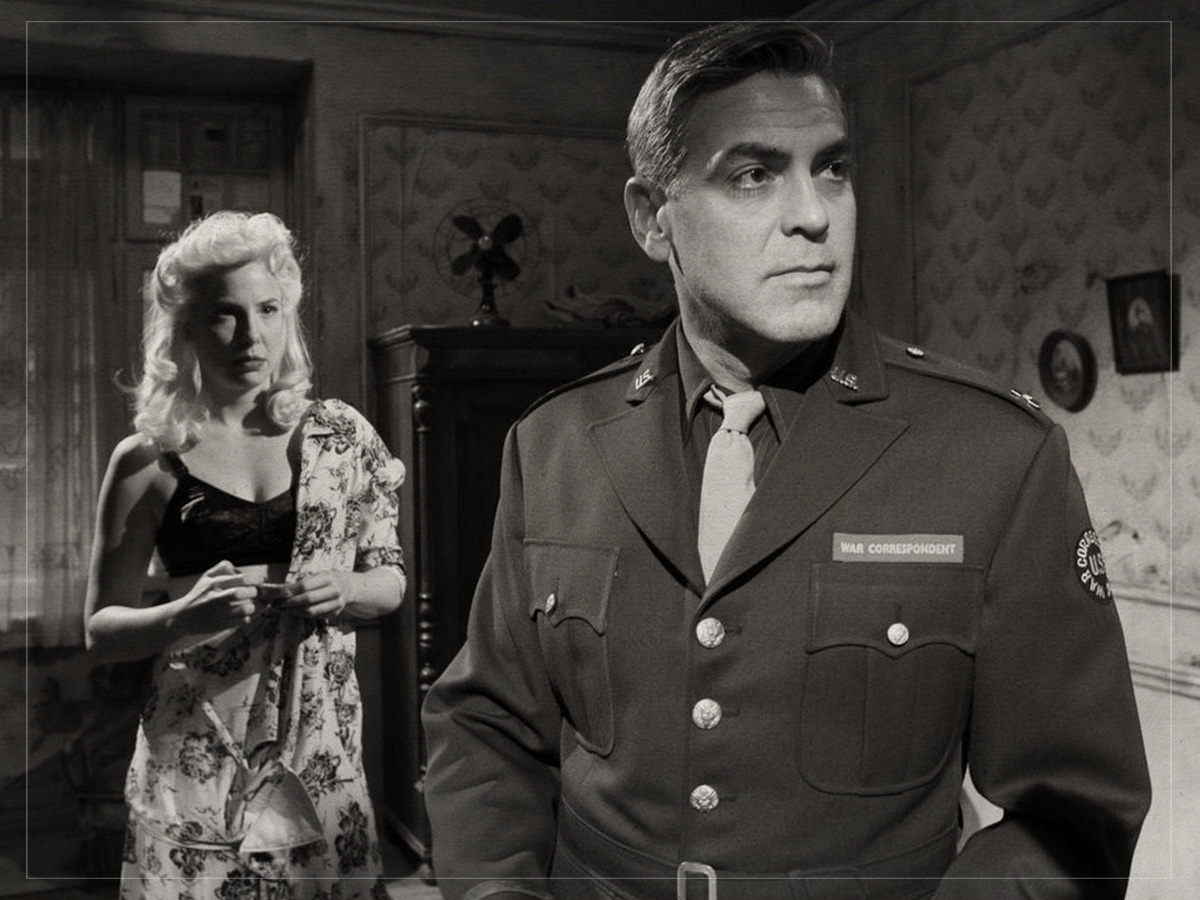
Steven Soderbergh has always used interesting new techniques and filmmaking devices to expand his capabilities as a storyteller, and not all of them worked out.
However, The Good German was a misunderstood attempt to subvert the hallmarks of a 1940s studio picture that employed extensive efforts to replicate the technology that would have been used in that era. George Clooney stars as an American journalist reporting on the Potsdam Conference, only to discover that his ex-lover, played by Cate Blanchett, might be involved with a Nazi conspiracy.
Despite the classicism, Soderbergh delivers a dark, explicit, and occasionally sadistic thriller that exposes the tragic subtext within the cinema of this era, bringing it into unavoidable focus, so while the clash of styles might have been jarring, that extreme repulsion and scandal was exactly what Soderbergh intended in the audience.
‘Southland Tales’ (Richard Kelly, 2007)
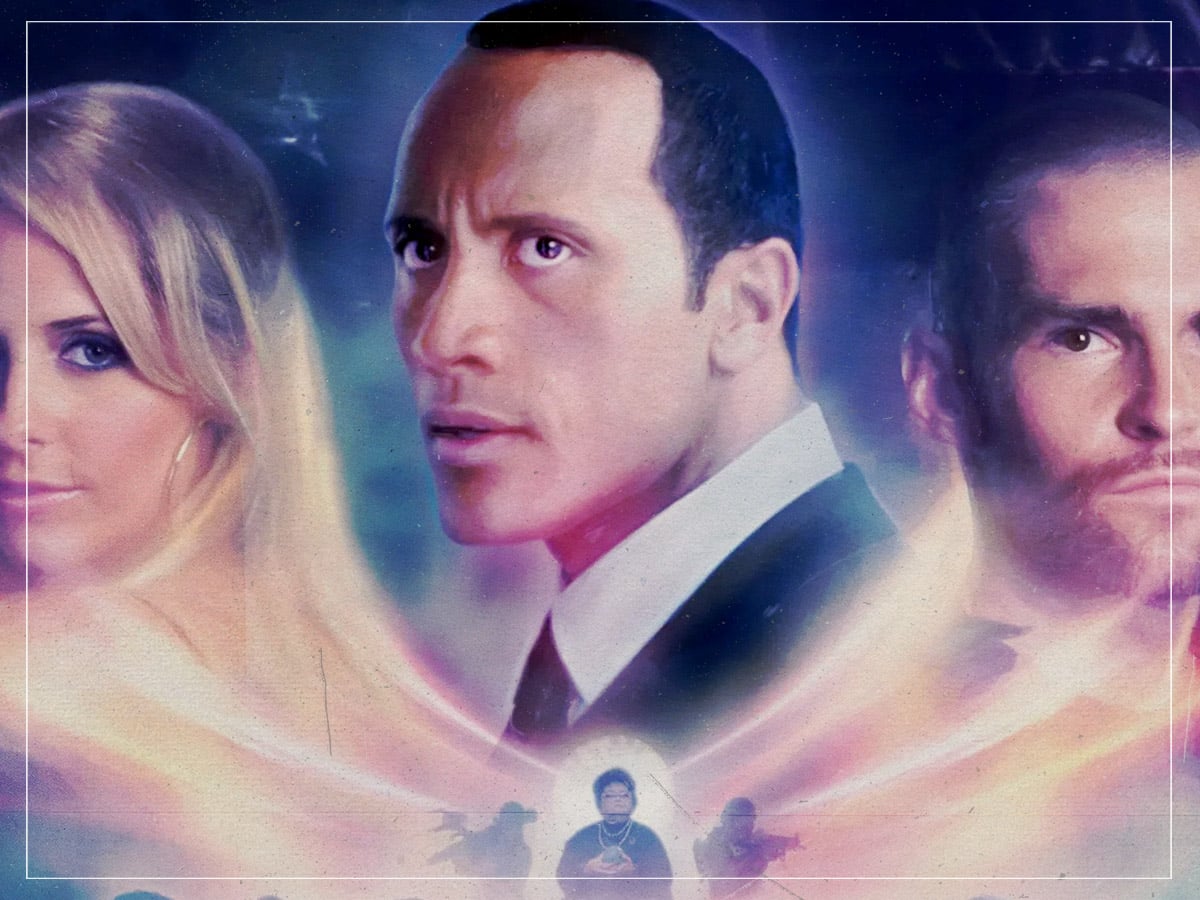
When Richard Kelly presented a rough cut of his science fiction satire Southland Tales to the Cannes Film Festival jury in 2006, he was infamously booed to the point where the film sat on a shelf for over a year. Its overwhelming complexity and grating stylism was the truest embodiment of America in the post-9/11 era, when the internet had seemingly emerged as a mode to keep people more informed than ever, but so much of the focus was on celebrities and lurid trends that the looming threat to democracy seemed to expand in secret.
Southland Tales has been predictive in more ways than one (anticipating the rise of OnlyFans and the establishment of the Patriot Act), and features a performance from Dwayne Johnson that proved he had acting talent when given the chance to get weird.
‘Prometheus’ (Ridley Scott, 2012)
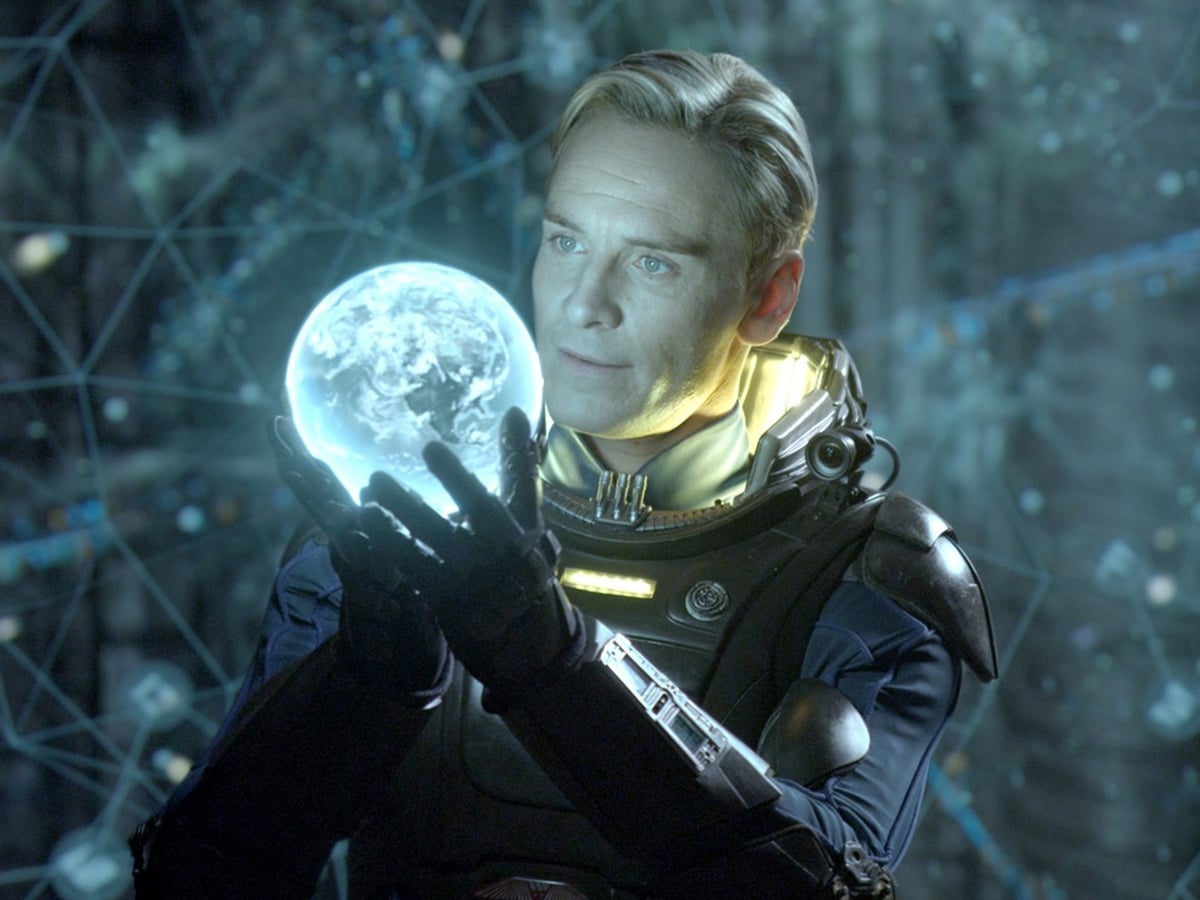
Ridley Scott created the Alien franchise in 1979 with one of the greatest films ever made, but he’s never been a director who feels obliged to give audiences what they want. Fans went into Prometheus expecting it to be a traditional Alien prequel, but Scott instead created a complex spiritual odyssey about the search for a creator; the story of human explorers searching for the architect behind civilisation is mirrored by the android David, played by Michael Fassbender, who decides to experiment by creating life of his own.
Prometheus was a bold film that questioned whether God would reject his own creations, and its use of body horror is top-notch. It’s a film that continues to age well, considering that both Alien: Covenant and Alien: Romulus felt quite derivative of the ‘greatest hits’ moments of prior instalments in the franchise.
‘Pain & Gain’ (Michael Bay, 2013)
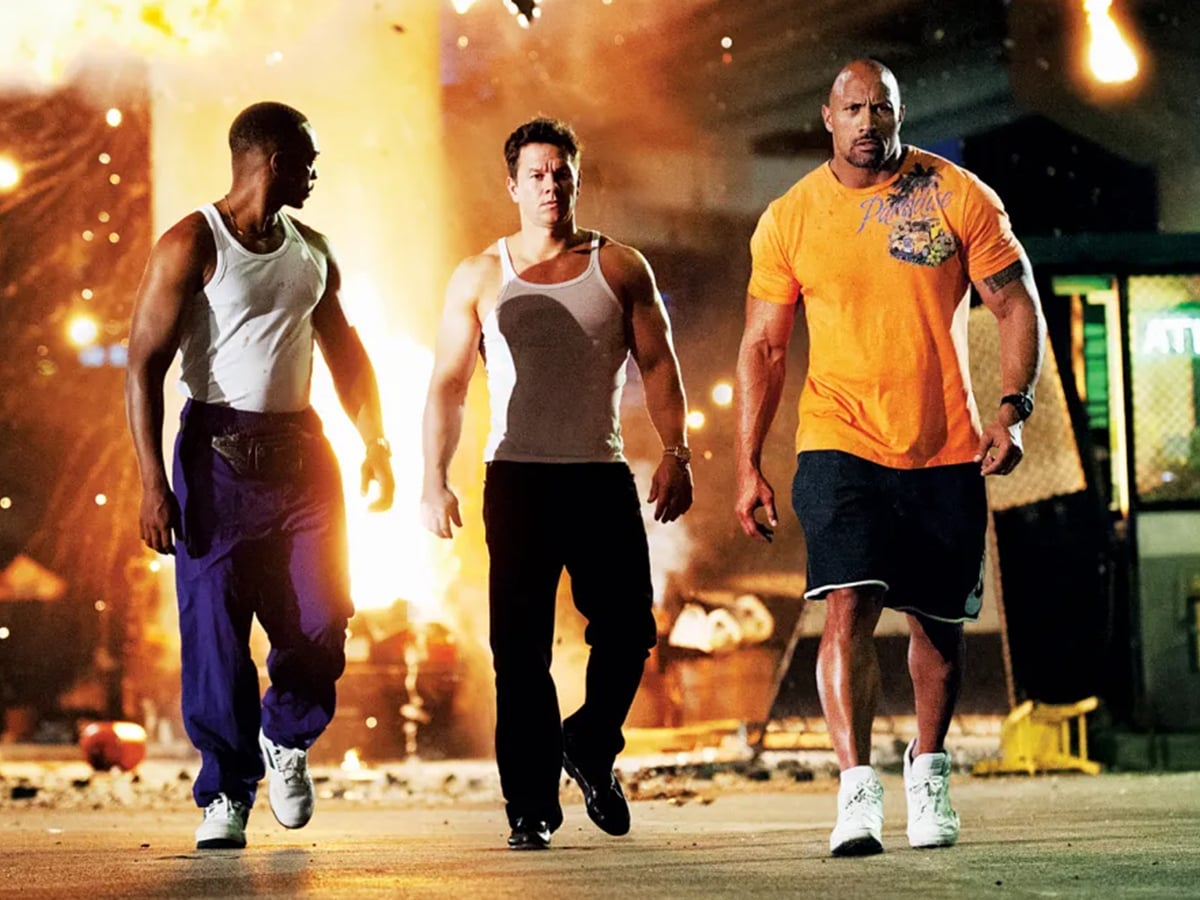
Michael Bay has never been given enough credit for his use of satire, as there is a dark sense of humour and absurdity within nearly all of his work. Bay uses excessively militaristic, patriotic, and masculine imagery to point out the mind-numbing futility of them all, and Pain & Gain saw him finally making that subtext explicit with its wild story of gym bros who kidnap a wealthy man, played by Tony Shalhoub, in order to extort his wealth.
It’s a twisted look at how greed and materialism draw out the worst in people, showing how America has created a version of success that requires inherent violence. Bay’s brilliance was selecting A-list movie stars Mark Wahlberg and Dwayne Johnson, and casting them to play psychopathic, yet completely stupid criminals; it’s wild to see how few people caught onto Bay’s point.
‘The Lone Ranger’ (Gore Verbinski, 2013)
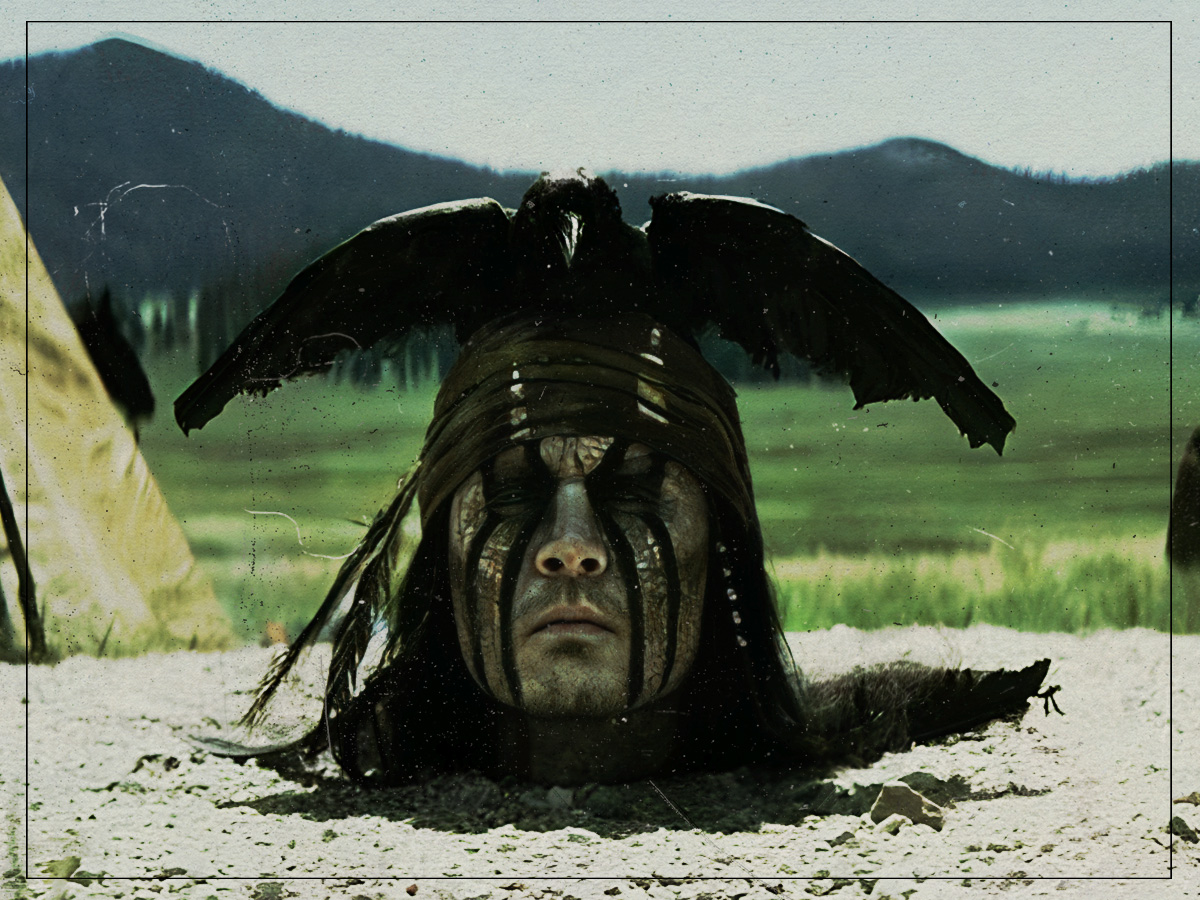
Johnny Depp and Gore Verbinski had so much success with the Pirates of the Caribbean franchise that Disney gave them a massive budget to stage a new version of The Lone Ranger, a film that had been in development for years with different actors and creative teams attached. The Lone Ranger is a surprisingly melancholy revisionist western about America’s history of genocide, which explores the tragedy and plasticity which birthed the legend of an outlaw, masked hero.
The film is dark, yet wonderfully made with iconic makeup, visual effects, and production design, and its final setpieces are among the best feats of action filmmaking in the 21st century. The fact that The Lone Ranger is one of the biggest financial flops ever, topped with the controversies surrounding both Depp and Armie Hammer, has soiled its reputation, even though its heart was in the right place.
‘Only God Forgives’ (Nicolas Winding Refn, 2013)
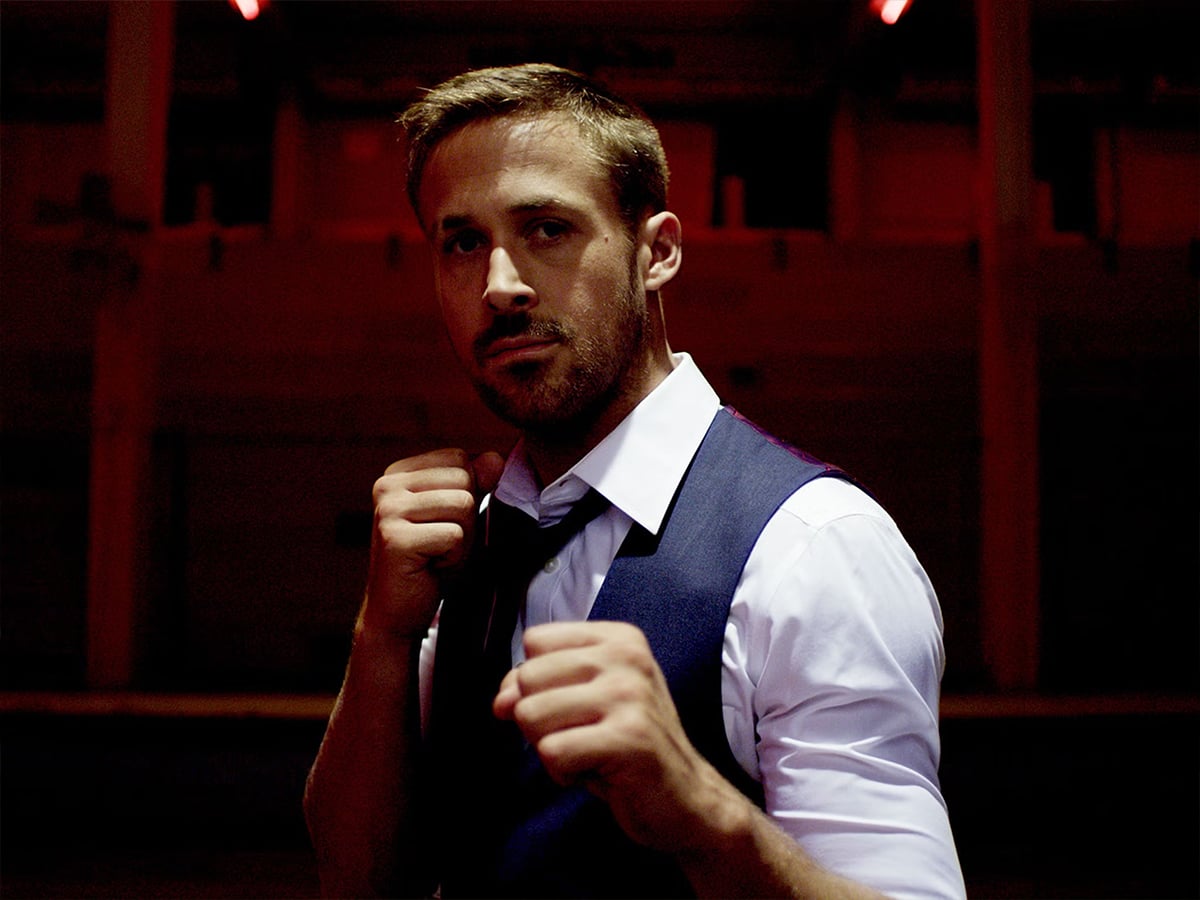
Nicolas Winding Refn had somehow made his arthouse neo-noir thriller Drive a mainstream hit, and it was enough to deceive an audience into checking out his even weirder follow-up, Only God Forgives. While Drive was a deconstruction of Hollywood mythmaking that drew from the westerns of Sergio Leone, Only God Forgives placed a fractured American family in the midst of an international criminal underworld, staging a stand-off between incestuous revenge and godless law enforcement with no aptitude for mercy.
It is a violent film, not shying away from the effects of pain, and explores how desensitised its archetypal characters are to their own self-destructive tendencies. It’s a film so well-synchronised and beautifully staged that it’s hard not to at least appreciate the aesthetic virtues that Refn achieved, but critics were too keen to assume that there wasn’t anything beneath the surface.
‘Blackhat’ (Michael Mann, 2015)
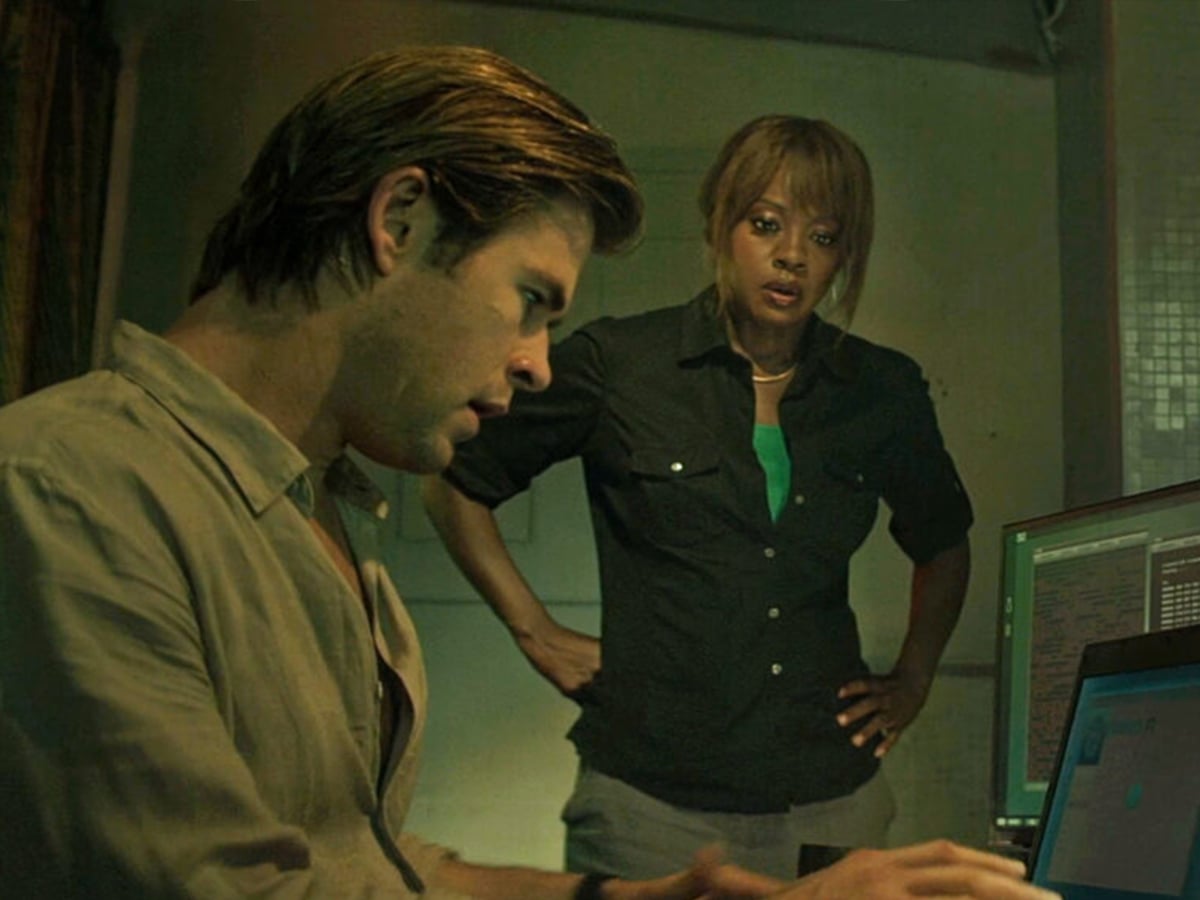
Michael Mann puts more effort and nuance into his work than nearly any other living filmmaker, so it shouldn’t come as a surprise that a film like Blackhat can’t be understood after just one viewing. What some assumed to be a flimsy look at hacking was Mann’s way of showing how fragile the world’s infrastructures were, and how a seemingly confusing system built on contradictions could collapse overnight through the tapping of keys.
That Chris Hemsworth was uncharacteristically cast as a brooding, anti-authoritarian hacker was a stroke of genius used to show the evolving identities of the digital world, and one that the actor doesn’t give himself enough credit for. Mann’s use of advanced digital filmmaking created a degree of realism that is nearly off-putting; he doesn’t make action scenes that feel lifted from a Hollywood blockbuster, as they intend to show the actual chaos and terror of a firefight.
‘Blonde’ (Andrew Dominik, 2022)
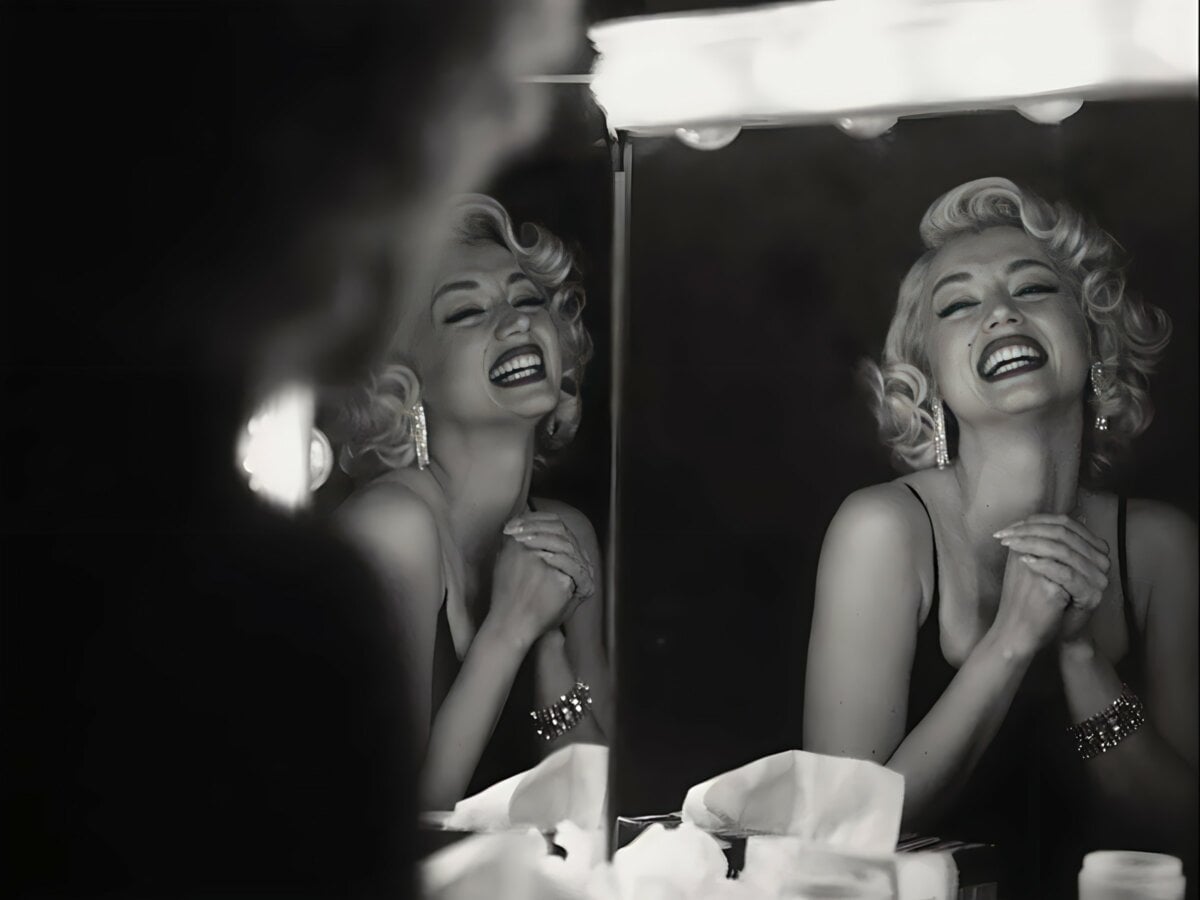
Marilyn Monroe is such an important symbol and icon within the history of cinema that people tend to get protective over her legacy, which has been rewritten as stories about the abuse she suffered came to light.
Andrew Dominik didn’t seek to make a traditional biopic of Norma Rae, but rather a myth that explored how Marilyn’s public persona was hijacked by powerful villains within Hollywood, politics, and her own family. It’s a psychological horror film that uses kernels of the truth, mixed with the mythology of a manufactured icon, to create a visceral, confrontative indictment of all of those culpable for stealing Marilyn’s essence.
It’s a beautifully made film that became easy to criticise for its length, brutality, and the fact that Dominik was a man; if anything, it’s a perfect compassion piece to his film The Assassination of Jesse James by the Coward Robert Ford, another deconstructive study of an American icon that used the trappings of genre to reveal a transparent lie.
