


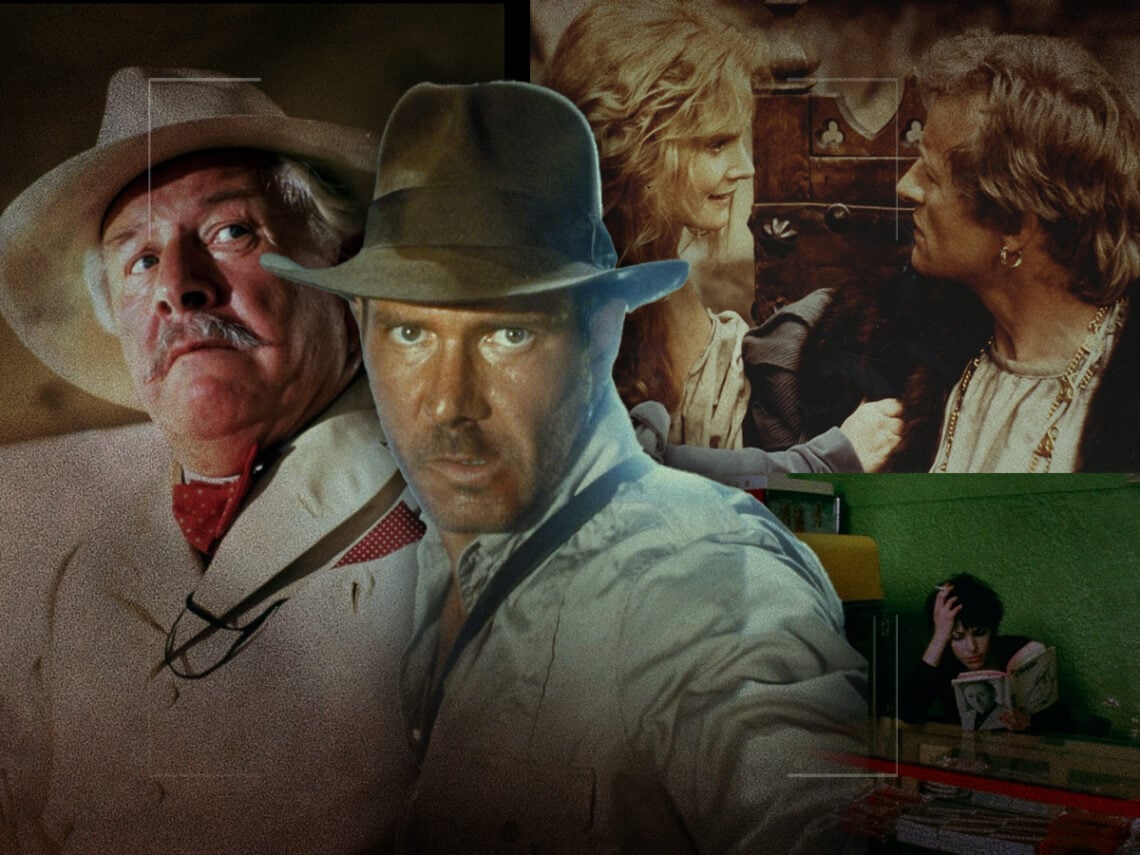
The 10 most pretentious movies of the 1980s

The most significant criticism frequently levelled against the 1980s as a decade in cinema is that it was an era of populism in which the industry forgot the takeaways of the New Hollywood era.
After the blockbuster success of Jaws, Star Wars, Close Encounters of the Third Kind, and Superman: The Movie in the late ‘70s, Hollywood became obsessed with franchises and summer tentpoles that would drive merchandising sales, inspire sequels, and create popular brands, and remarkably, many of the most iconic franchises created in the ‘80s still have new instalments being released today or planned for the near future; the last few years have seen new versions of Ghostbusters, Predator, Mad Max, Die Hard, Lethal Weapon, and Gremlins, just to name a few.
However, populism isn’t the sole reason behind bad cinema, as every decade has its share of failed Oscar bait, self-absorbed auteur projects, ‘message movies’ and all other types of arthouse or ‘serious’ films that completely miss the mark.
While it might be easy to cite dumb, broad franchise filmmaking as the source of all incompetence in Hollywood, few audience members enjoy being talked down to by directors who think that they’re intellectually or morally superior. There are many deceitful techniques that these pretentious films can use to make themselves seem more legitimate, but discerning members of the audience can generally tell when it’s all just artifice.
The 10 most snobbish movies of the 1980s
‘Permanent Vacation’ (Jim Jarmusch, 1980)
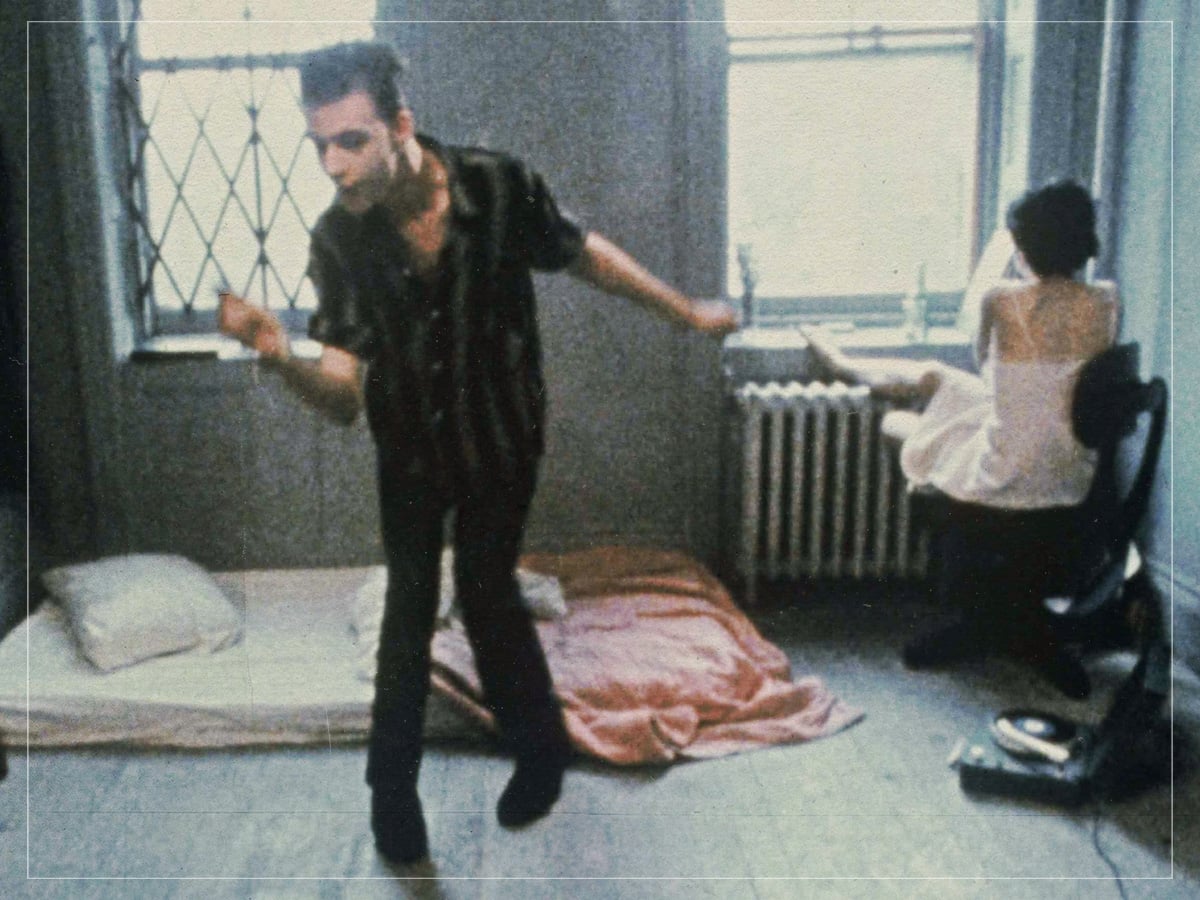
Jim Jarmusch is one of the rare filmmakers who is considered to be a genius, despite having a terrible debut feature. Jarmusch would develop into one of the most unique artists of the American independent cinema movement, as he has shown a remarkable talent for writing ‘hangout’ movies about the passing of time and the maturation of his characters. Regrettably, Permanent Vacation has little of the wisdom he would show with his later work, as observing characters in an honest way does not necessarily make them compelling, especially when their conversations aren’t particularly interesting.
Rarely has a director been able to improve upon their mistakes in such a profound way in a short time span, because the gap in quality between Permanent Vacation and Down By Law is so significant that it feels like they were made by different filmmakers entirely.
‘The Twilight Zone: The Movie’ (Steven Spielberg, John Landis, George Miller, and Joe Dante, 1983)
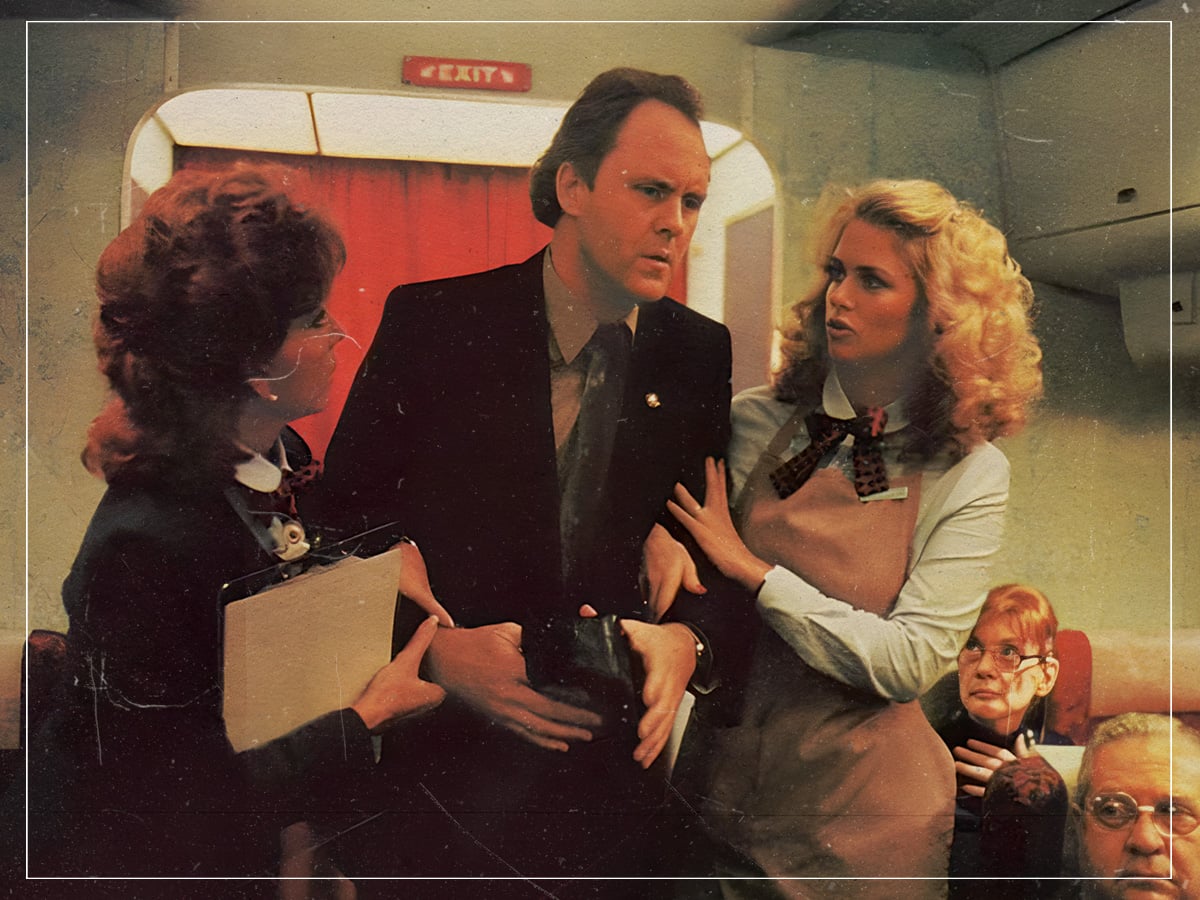
The Twilight Zone is among the most influential television shows of all time, as its groundbreaking supernatural premises sparked many films as a result, but it wasn’t until 1983 that there was an actual feature named after the show. The Twilight Zone: The Movie is an underwhelming collection of four short segments, each made by a famous director, which attempts to capture the sensibilities of the classic series.
Unfortunately, the greater budget and more elaborate effects didn’t make these stories any more profound, as each felt like an excuse for their directors to go wild with special effects without actually trying to embody the wisdom of Rod Sterling. It’s yet another reminder that anthology films seldom work, and that The Twilight Zone was better suited for the small screen.
‘Powaqqatsi’ (Godfrey Reggio, 1988)

It’s not often that a documentary ends up becoming a breakout hit at the box office, as the few that end up getting a significant amount of hype are generally those related to celebrity, scandal, or current events, but Godfrey Reggio created a minor sensation with his experimental non-fiction film Koyaanisqatsi, which used stock footage and slow motion for an alluring cinematic event.
Reggio tempted fate by trying to make a sequel to Koyaanisqatsi with Powaqqatsi, which shifted the focus from institutions and technology to human civilisations. It was a failed attempt to capture the same success, as Powaqqatsi is much broader with more obvious takeaways about the different communities it is exploring. While Koyaanisqatsi felt like Reggio had assembled footage in an unusual way and expressed it honestly, the follow-up had a clear goal in mind from the beginning, making all of its revelations feel manufactured.
‘Appointment with Death’ (Michael Winner, 1988)
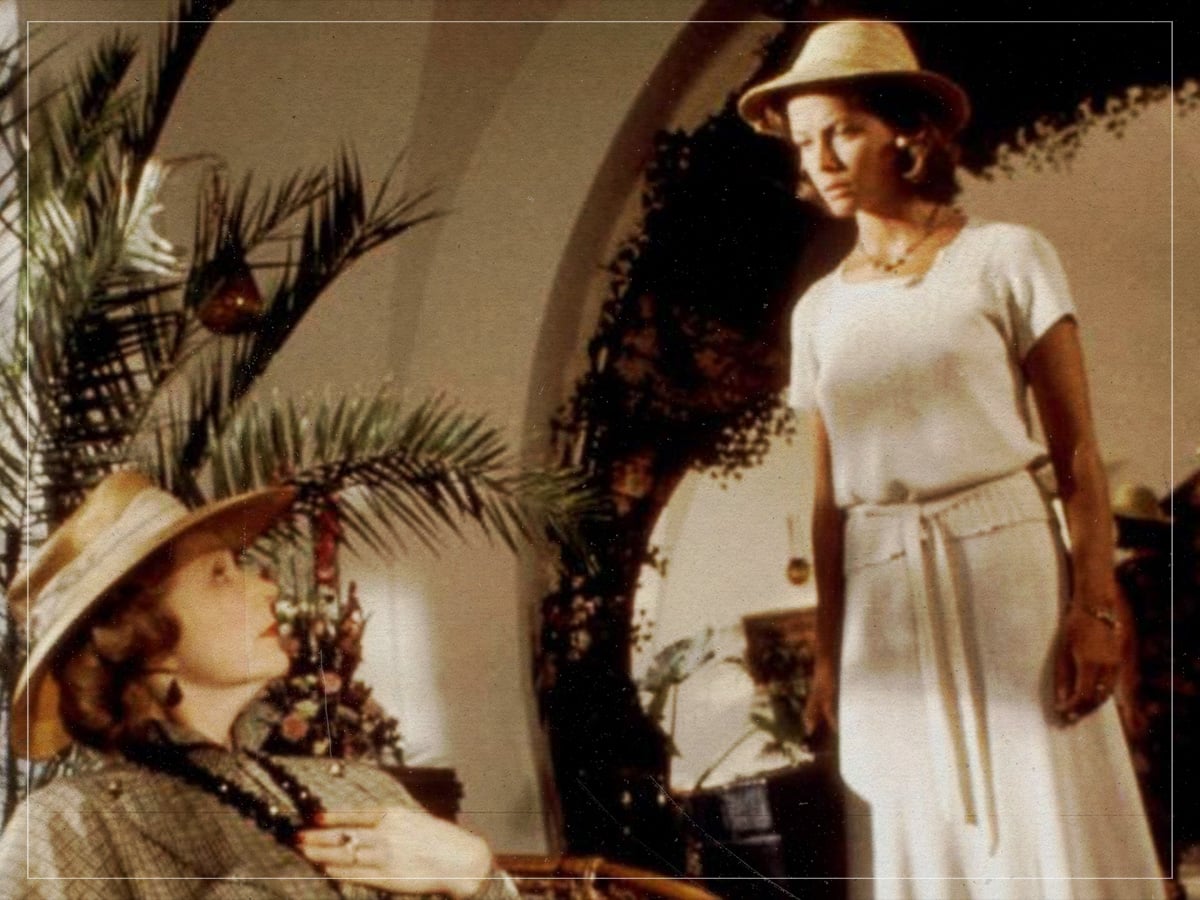
Albert Finney had given one of the best performances of the ‘70s as Hercule Poirot in Sidney Lumet’s adaptation of Murder on the Orient Express, and it kicked off a Hollywood obsession with adapting the novels of Agatha Christie. Appointment with Death was a later instalment in the series utilising Peter Ustinov as Poirot, which resulted in the character becoming a larger-than-life caricature.
Despite a talented cast that included Lauren Bacall, Carrie Fisher, Piper Laurie, and John Gielgud, Appointment with Death does little to unpack Poirot’s psyche and reaches unbelievable conclusions about his ability to solve cases. Director Michael Winner had previously been best known for his work with the Death Wish series, and it was obvious that he wasn’t as well-suited for something that didn’t include all the gunplay and exploitation that had become inherent to the controversial action franchise.
‘Annie’ (John Huston, 1982)
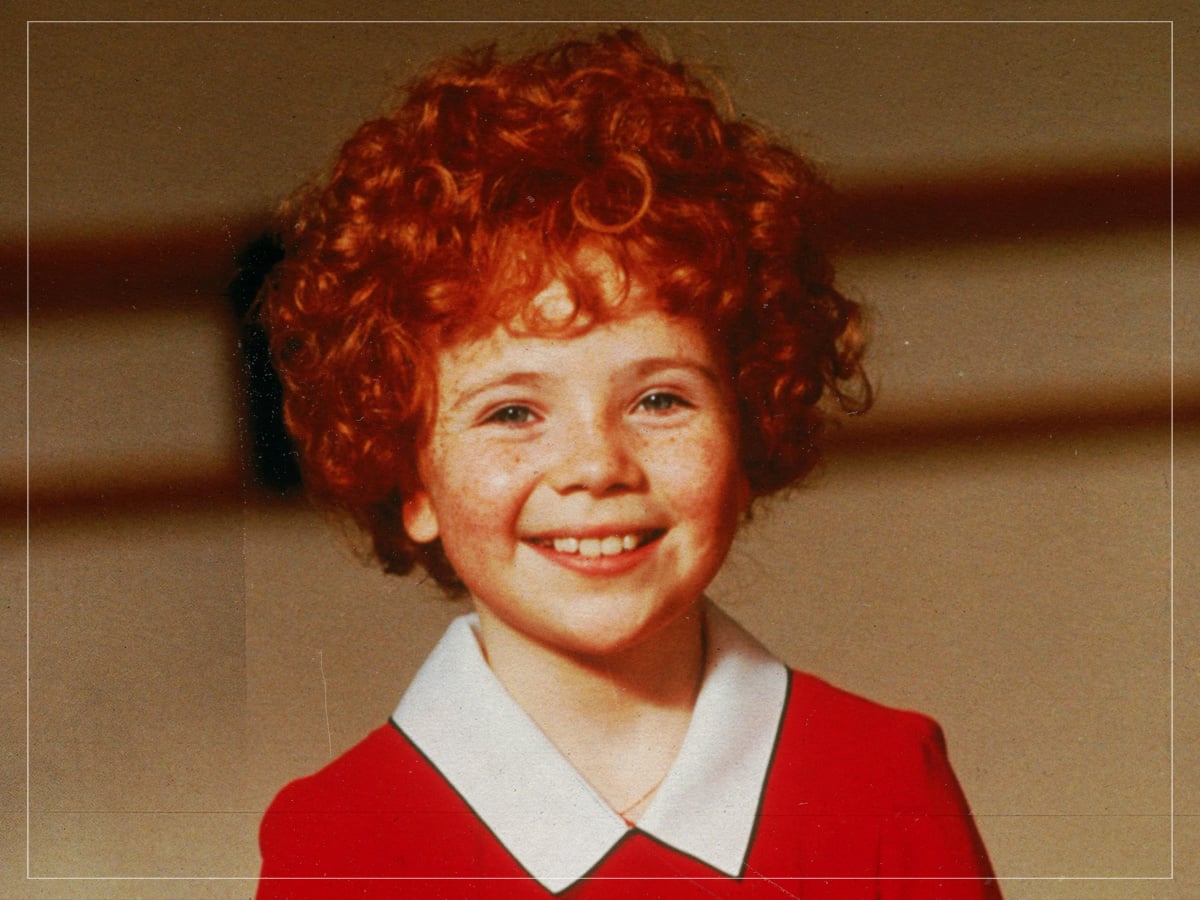
John Huston is one of the all-time greatest actors-turned-filmmakers, but he did experience a few misfires later on in his career where his ambitions got the better of him. Huston was clearly interested in bringing back the classical Hollywood musical, but Annie was a lavish, elaborately designed throwback with not nearly enough substance to justify its massive expenses.
There was little that Huston could do to ‘legitimise’ a story that is clearly told with a child’s perspective in mind, and even though Tim Curry turns in a very amusing performance, he’s pretty much the only actor in the film who understood what the tone should have been. Annie may not have single-handedly killed the ‘80s Hollywood musical trend, but its failure was enough for major studios to think twice about trying to translate a popular Broadway smash hit into a cinematic event.
‘Against All Odds’ (Taylor Hackford, 1984)
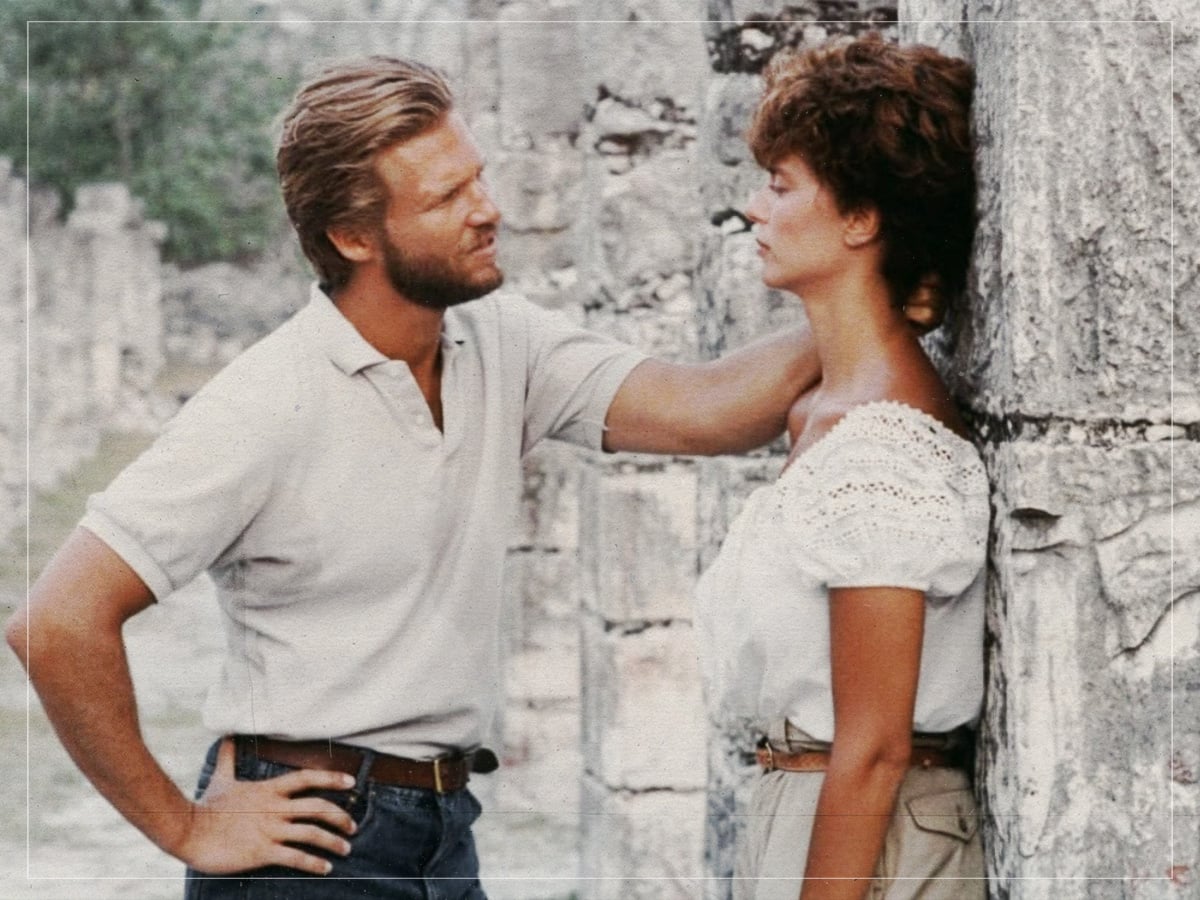
Jeff Bridges had a few misfires in the ‘80s in an otherwise excellent decade for him as an actor, but Against All Odds might be the most confusing mess he’s ever been involved with. Although it was loosely inspired by the same novel that had been adapted into Out of the Past, the 1947 classic that ranks among the finest neo-noir films ever, Against All Odds is an excessively stylised erotic thriller with no heat behind it and a convoluted story.
Bridges is ironically such a naturally charismatic actor that he feels unnatural when forced to play a brooding ex-football player. The only reason that the film has any cache culturally is that the title song, ‘Against All Odds’ by Phil Collins, is an absolute classic, even if a vast majority of audiences wouldn’t know where it originated.
‘Indiana Jones and the Temple of Doom’ (Steven Spielberg, 1984)
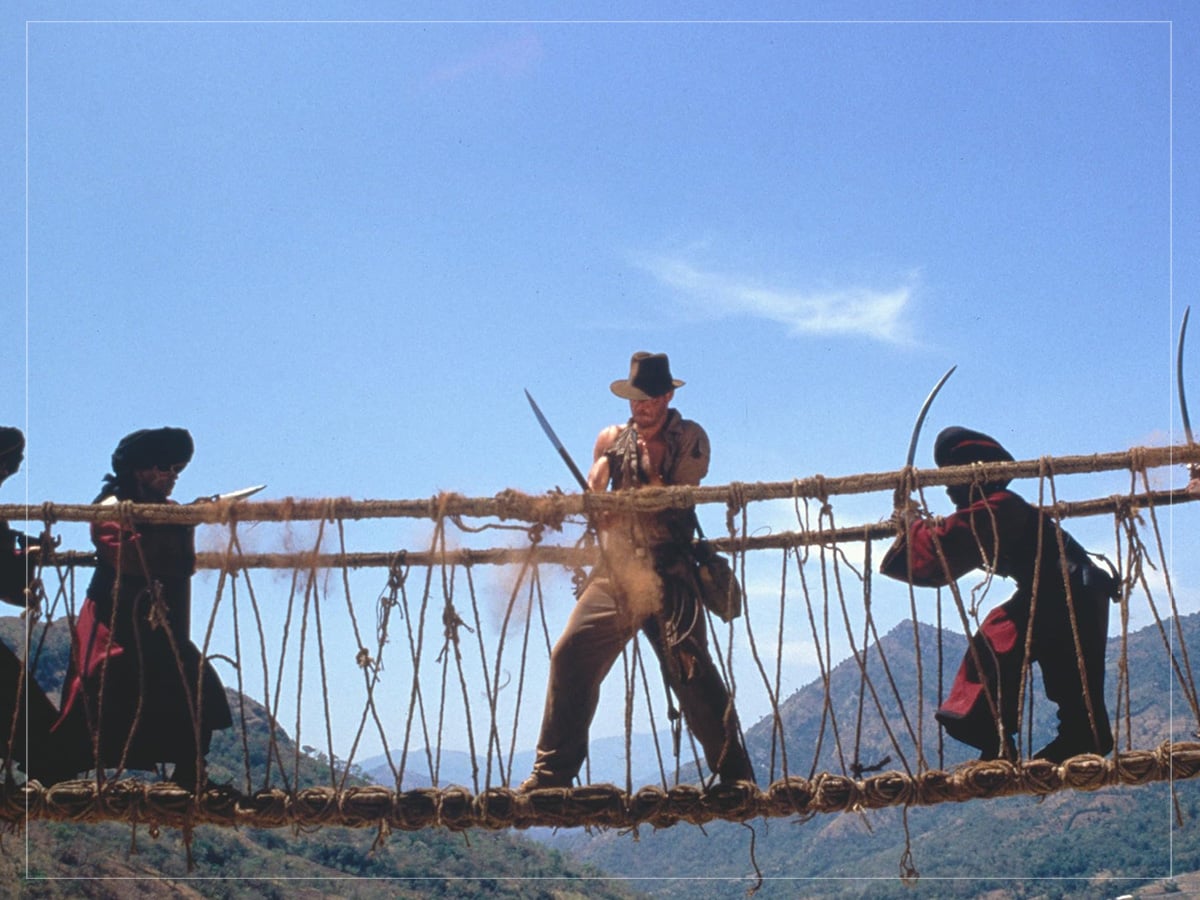
The Indiana Jones franchise ran into creative issues with its second film after both director Steven Spielberg and producer George Lucas went through divorces, inspiring them to make a darker, nastier prequel to Raiders of the Lost Ark. While the former was based in the real history and mythology of the Ark of the Covenant, Temple of Doom drew from racist stereotypes about Indian cults and featured an excessive amount of gross out humour.
Harrison Ford wasn’t pleased about the direction that it took, which is evident in his lack of chemistry with Kate Capshaw, whose performance as Willie Scott is among the most obnoxious in history. While the film has some defenders who seem to appreciate its horror sensibilities, Spielberg himself has expressed regret for the film and apologised for the shocking elements, which helped birth the PG-13 rating.
‘St Elmo’s Fire’ (Joel Schumacher, 1985)
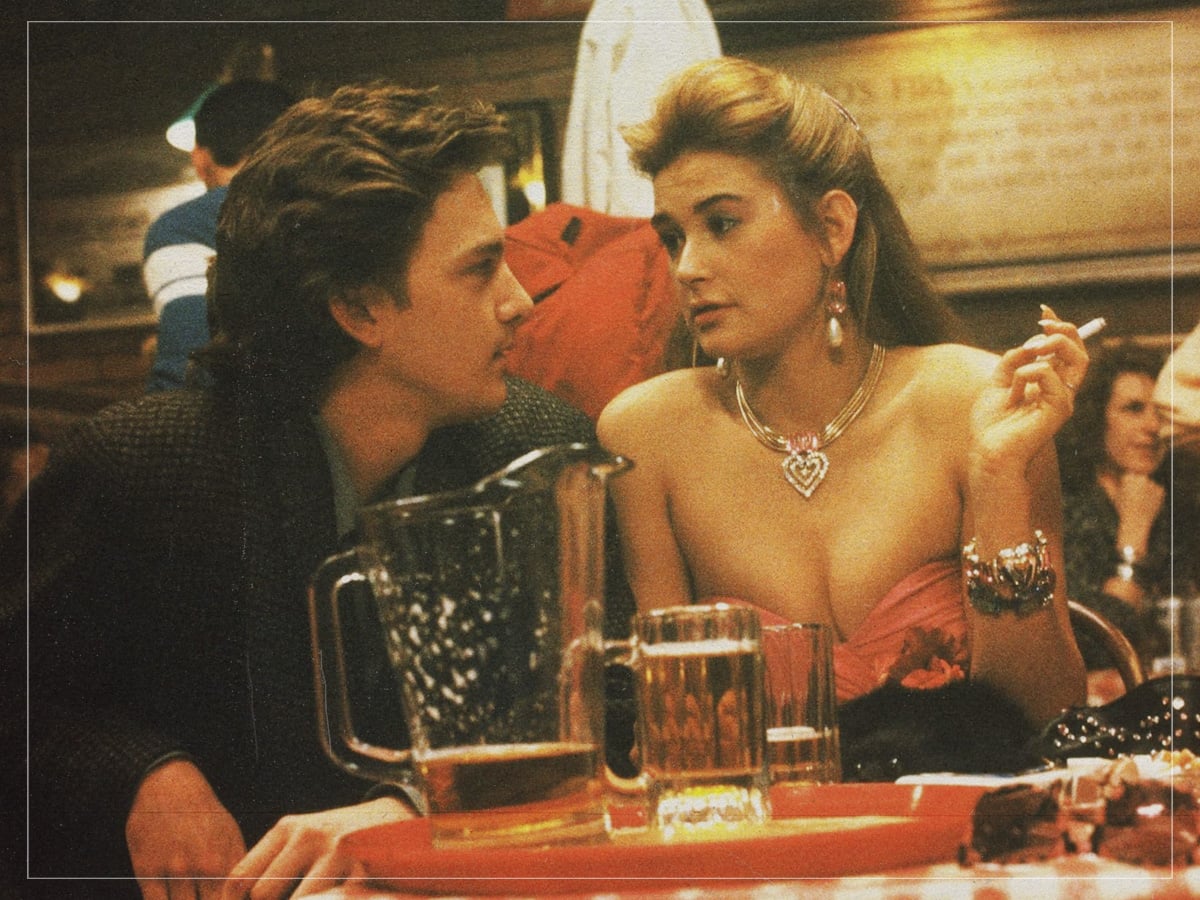
The Brat Pack were at the height of their popularity in 1985, thanks to the success of John Hughes’ masterpiece The Breakfast Club, but the backlash against this generation of actors began to grow more prominent in the wake of St Elmo’s Fire, released later the same year. It wasn’t just that the film was a cloying, melodramatic attempt at showing the rigours of adulthood after graduation, but that it felt particularly manipulative to take well-known teen stars and place them in a ‘gritty’ film.
St Elmo’s Fire has some of the most unlikeable protagonists in history, ranking among the many ‘80s films that are more remembered more fondly for their soundtracks, and although Joel Schumacher is a talented filmmaker, he is better suited for films like The Lost Boys or Phone Booth that involve some sort of genre sensibilities.
‘Ishtar’ (Elaine May, 1987)
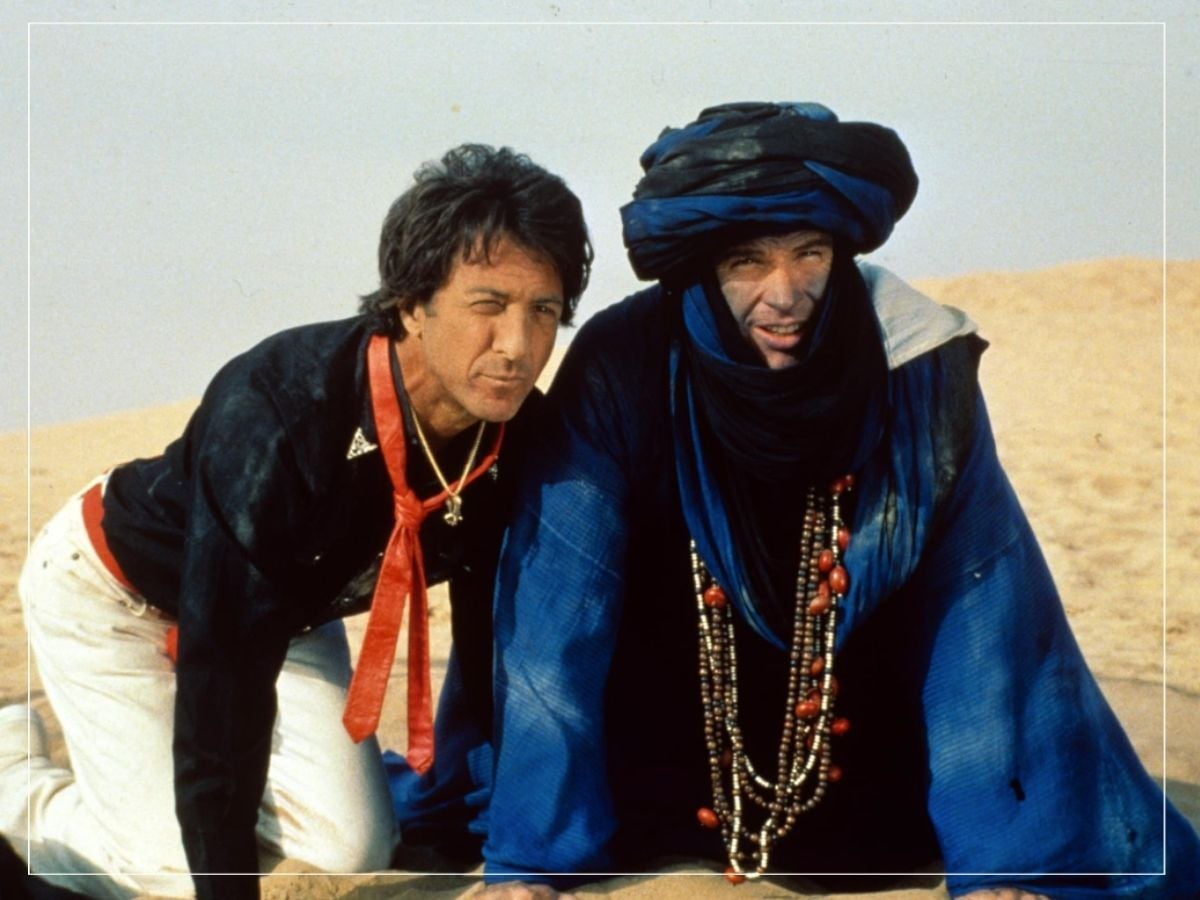
The cultural reputation of Ishtar is fascinating because it was initially decried as one of the worst films ever made, for which Warren Beatty and Dustin Hoffman took a critical bashing, and it prematurely ended the career of Elaine May, but it has steadily grown a legion of defenders who claim that it was misunderstood.
Society has reached a point where nearly every misfire now has a retrospective defence claiming its greatness from those who grew up with it, and that those who disagree are just part of a bandwagon. There are undeniably good things about Ishtar (notably the great performance by Charles Grodin), but it has the same structural issues, obnoxious comedy, and xenophobic undertones today as it did back in 1987.
‘Flesh + Blood’ (Paul Verhoeven, 1985)
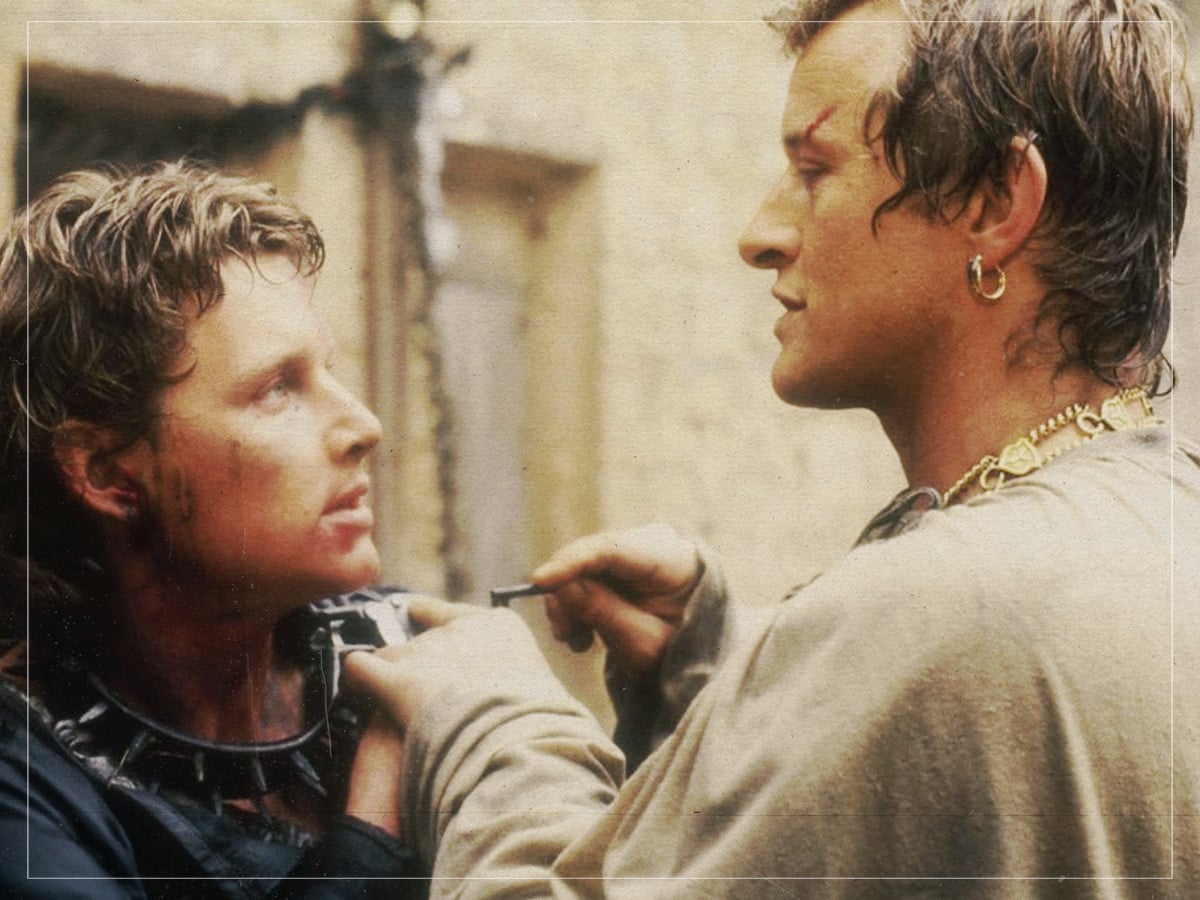
Paul Verhoeven is among the wildest filmmakers to ever become a mainstream success in Hollywood, given that the Dutch films that he made before landing Robocop and Total Recall were all shocking works of exploitation, and Flesh + Blood was Verhoeven’s revisionist take on the medieval epic, but the only guiding idea behind his vision was depravity, as it’s an incessantly violent film that features various forms of torture, sexual assault, mutilation, and combat.
Verhoeven makes his point so early on that there’s little substance to be found in the rest of the story, which may explain why Rutger Hauer got so irritated working with him on the film. He would later develop an aptitude for satire that offered something deeper to audiences, but Flesh + Blood is the work of someone who has no sincere intentions other than to be a needlessly controversial provocateur.
