


10 songs that sparked the most vicious feuds in rock music

Feuds have been a core part of the music industry since its earliest origin, and the fast-living, anarchic realm of rock and roll has repeatedly proven itself to be an incredibly fertile breeding ground for lasting grudges, whether they’re between two separate artists, different niche scenes, or even between musicians in the same band.
Some of rock’s most iconic arguments, in fact, have derailed incredibly successful groups, whether it was the constant internal tensions within The Beach Boys or the intense sibling rivalry which dominated The Kinks, Oasis, Creedence Clearwater Revival, and a litany of other beloved bands.
Elsewhere, the rock world has seen a multitude of feuds that stretched beyond their intra-band counterparts, pitting two separate artists against each other. Admittedly, a not insignificant number of those band rivalries, such as the famous pitting of The Beatles against The Rolling Stones, were concocted by the press, but even still, there was often some degree of evidence behind the sensationalist headlines.
Each and every feud is different, and each has a wealth of different contributing factors. In essence, though, it seems as though being stuck in close quarters, on a tour bus or recording studio, with the same few faces for years at a time does little to quell any bubbling tensions. Add in the typical level of drugs, alcohol, and ego, and, if anything, it is surprising that more groups aren’t plunged into chaos by vicious internal feuds.
Those slow-burning feuds and arguments are perhaps more common, but in many cases, the trigger for a rivalry spanning multiple decades is as simple as one singular track. In an effort to exemplify that fact, here we have collected ten prime examples of songs that sparked some particularly vicious rock and roll feuds, many of which changed the landscape of rock music forever.
10 songs that sparked the most vicious feuds in rock music:
The Runaways – ‘Neon Angels on the Road to Ruin’ <br>(The Runaways vs Rush)

One of the major motivations behind the advent of punk rock was how godawful the era of progressive rock was during the early 1970s, so it is only fitting that, during the late 1970s, The Runaways began butting heads with Canadian prog rockers Rush. The Joan Jett-fronted outfit were drafted in to open for Rush for two dates in Michigan in 1979, and the band had to endure offstage taunting from Rush throughout their set.
Cherie Currie claimed in 2024, “We had been treated so well by Tom Petty, who opened for us, and Cheap Trick, who opened for us, but Rush sabotaged our set,” during a chat with The Metal Voice.
Currie went on to claim that members of Rush were throwing pieces of paper onstage, causing her to slip and fall, nearly ending up in the orchestra pit below the stage. Meanwhile, Jett has repeatedly told the story of Rush laughing at the band backstage, to which Geddy Lee once responded, “The Runaways had a ginormous chip on their shoulders. […] I know they said that we were laughing at them when they played, but quite frankly, they were too shitty to listen to.”
While neither party revealed exactly which song spurred on this prog versus punk feud, ‘Neon Angels on the Road to Ruin’ was the definite stand-out of their set in Detroit, and is perhaps the song that spurred Rush on to try and, allegedly, “sabotage” the band.
Dead Kennedys – ‘Holiday In Cambodia’ <br>(Jello Biafra vs the rest of Dead Kennedys)
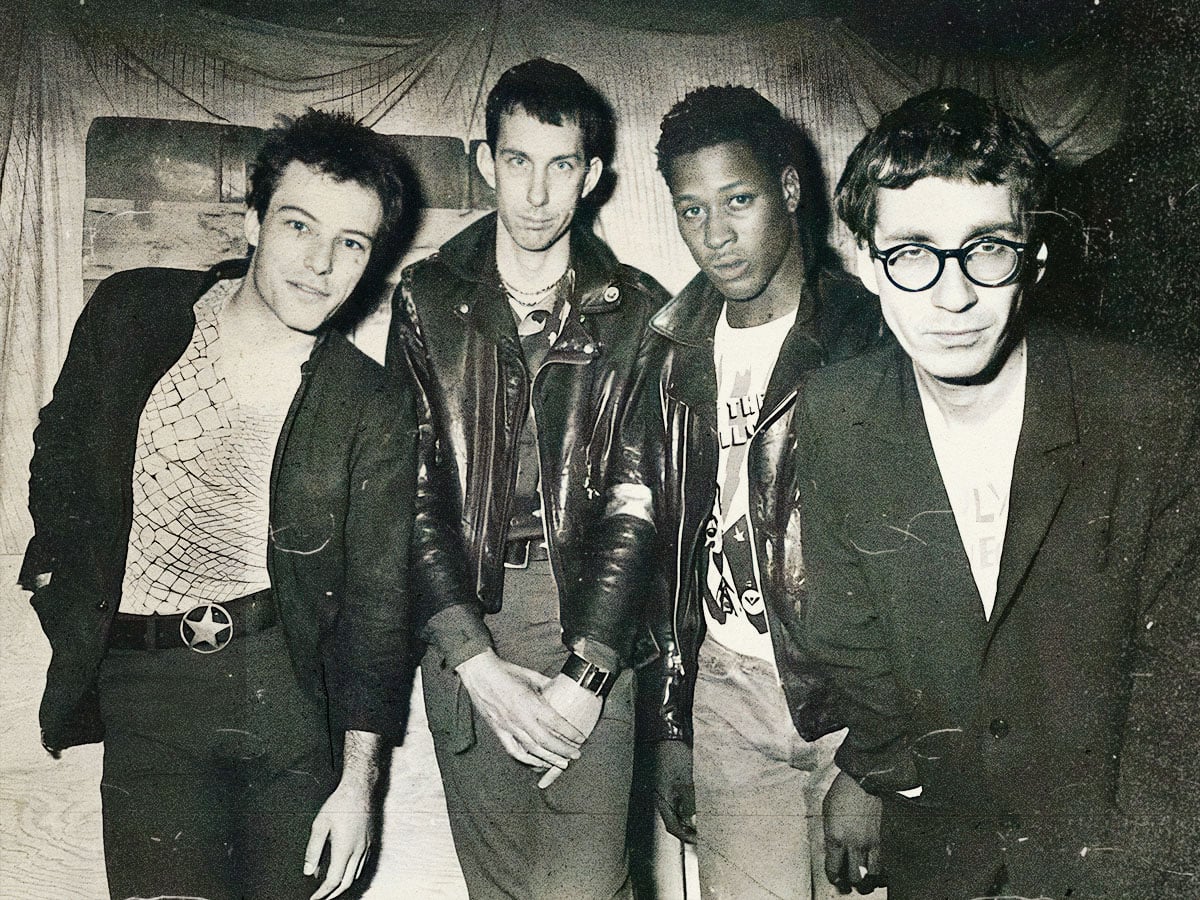
San Francisco punk heroes and experts in shock tactics, Dead Kennedys continue to tour to this very day, but don’t buy a ticket for their shows expecting to see their enigmatic frontman Jello Biafra, as he has been in an ongoing feud with his former bandmates since the late 1990s. After splitting up in 1986, Levi’s got in contact during the late 1990s to ask whether they could use ‘Holiday In Cambodia’ in an advertisement for jeans.
Exactly what jeans have to do with the genocidal regime of Pol Pot remains something of a mystery, but Biafra obviously refused the permission, much to the chagrin of his former bandmates. That advertisement, and that song by extension, kicked off a vicious spat that culminated in a lawsuit against Biafra over unpaid royalties to the rest of the group, who subsequently reformed and went back out on the road without their original leader.
The Ramones – ‘The KKK Took My Baby Away’ <br>(Joey Ramone vs Johnny Ramone)

While there have been a litany of sibling rivalries throughout rock and roll history (more on that later in this list), the feud between Joey and Johnny Ramone is particularly notable in that they weren’t related at all, despite their adopted surnames. Even during their tenure in the pioneering punk band, the frontman and guitarist refused to speak to each other for over 20 years, after Joey’s girlfriend, Linda Marie Daniele, started dating – and eventually married – Johnny.
Coupled with his outspoken Republican views, that ultimate betrayal led Joey Ramone to write ‘The KKK Took My Baby Away’ for 1981’s Pleasant Dreams. To the surprise of absolutely nobody, the song that essentially compared Johnny Ramone to the Ku Klux Klan did little to patch up the fractured relationship between the pair, and they remained staunchly opposed to one another until Joey’s death in 2001.
Creedence Clearwater Revival – ‘Have You Ever Seen The Rain’ <br>(John Fogerty vs Tom Fogerty)

Rock and roll has repeatedly shown that brothers probably shouldn’t play in the same band as one another, and counterculture-era icons Creedence Clearwater Revival proved that fact time and time again. As the primary songwriter of the group, John Fogerty tended to call the shots, and as they became more and more successful, his control only increased, much to the annoyance of his brother, Tom Fogerty.
Throughout their rise to prominence, tensions were steadily rising within CCR, but their 1970 classic ‘Have You Ever Seen The Rain’ was arguably the straw that broke the camel’s back. Written specifically about the troubles of rock and roll fame and the sibling tensions within the band, the song preceded Tom’s ultimate departure from the band by only a few months.
Paul McCartney – ‘Too Many People’ <br>(Paul McCartney vs John Lennon)

As far as notoriety goes, the ego battle between Paul McCartney and John Lennon probably eclipses everything else in this list. After years of operating as the greatest songwriting partnership of all time, tensions within The Beatles began to reach inoperable levels during the latter part of the 1960s, spurred on by their respective drug problems and the flawed decision to hire Allen Klein. In the wake of the band’s 1970 break-up, then, both McCartney and Lennon used their solo careers to air some dirty laundry.
McCartney fired the first shot, with ‘Too Many People’, with the opening line “piss off” aimed squarely at his former bandmate. Lennon wasted no time in hitting back hard with ‘How Do You Sleep?’, which was arguably far more vicious than Macca’s effort. Either way, the pair remained at odds for a considerable amount of time, before eventually reconciling and both expressing guilt over their respective diss-tracks – all’s well that ends well, I suppose.
Foo Fighters – ‘I’ll Stick Around’ <br>(Dave Grohl vs Courtney Love)

In truth, this entire list could have been filled with musicians who have some kind of feud with Courtney Love. From Bikini Kill to Guns N’ Roses, the Hole frontwoman has never pulled any punches when it comes to pissing off other artists, but few of those feuds are as searing or long-lasting as the enduring battle between Love and Foo Fighters frontman, Dave Grohl, who immortalised the divide in 1995’s ‘I’ll Stick Around’.
Written in the wake of Kurt Cobain’s suicide, amid the break-up of Nirvana and the early days of Foo Fighters, the song accused Love of “Rehearsed insanity” and saw Grohl defiantly claim, “I don’t owe you anything.” In turn, Courtney Love has repeatedly and vehemently claimed that Grohl was loathed by her and Cobain and that Nirvana was driven exclusively and entirely by Kurt’s input.
In more recent years, the pair have seemingly agreed to be civil with one another, but there has seemingly been little in the way of forgiveness or a true end to the grudge.
Neil Young – ‘Southern Man’ <br>(Neil Young vs Lynyrd Skynyrd)
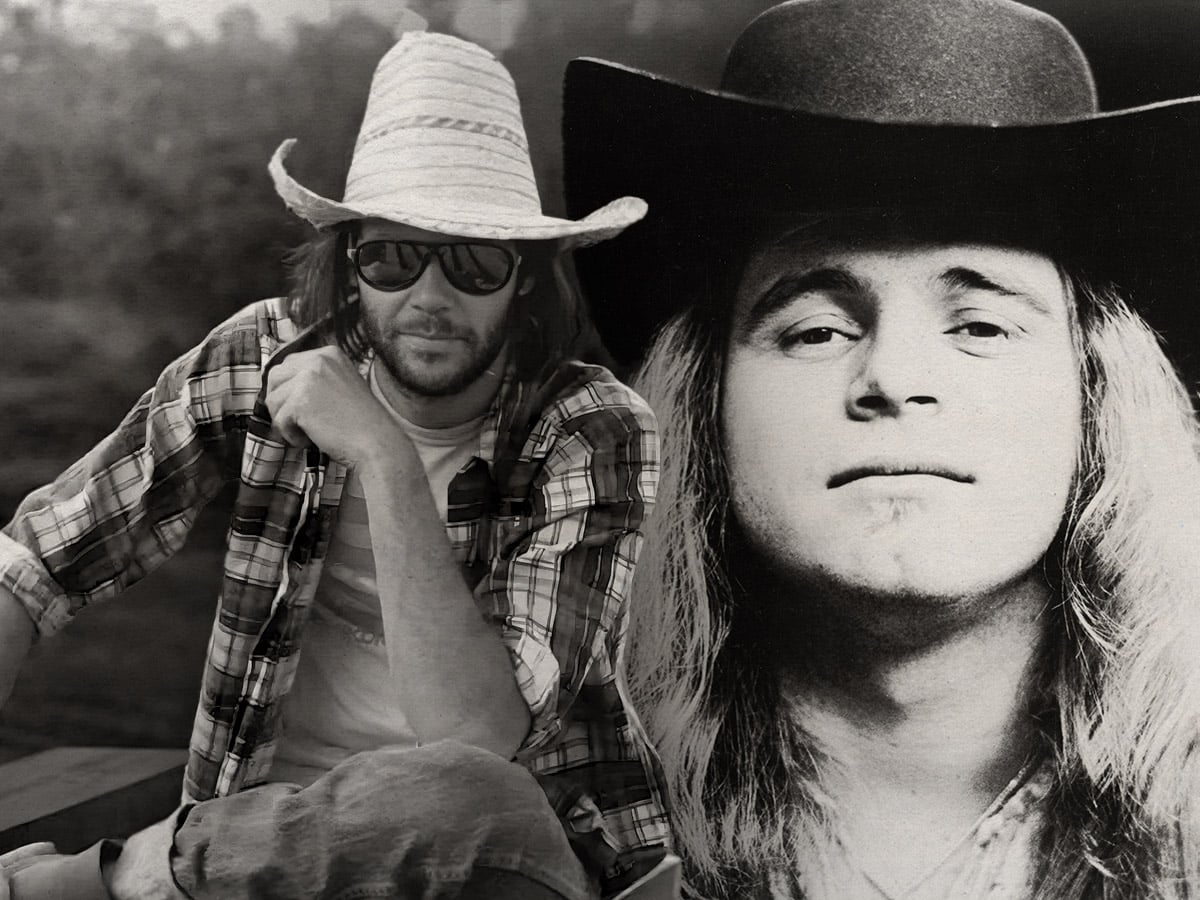
Neil Young knows a thing or two about arguments, having been a member of Crosby, Stills, Nash and Young for many years – very few of which were harmonious. Yet, perhaps his most vicious spat wasn’t with any of his own bandmates, but rather with Jacksonville’s Southern rock stalwarts Lynyrd Skynyrd, who took umbrage with his 1970 track ‘Southern Man’.
Essentially, the band complained that Young’s view of the American South, and his exploration of the area’s historic ties to racism that still persist, was rather harsh. In response, the band wrote their defining hit, ‘Sweet Home Alabama’, in an effort to extol the virtues of the South, despite the fact that the single’s sleeve featured a Confederate flag, which hardly went against Young’s criticism in ‘Southern Man’.
Oasis – ‘Some Might Say’ <br>(Oasis vs Blur)
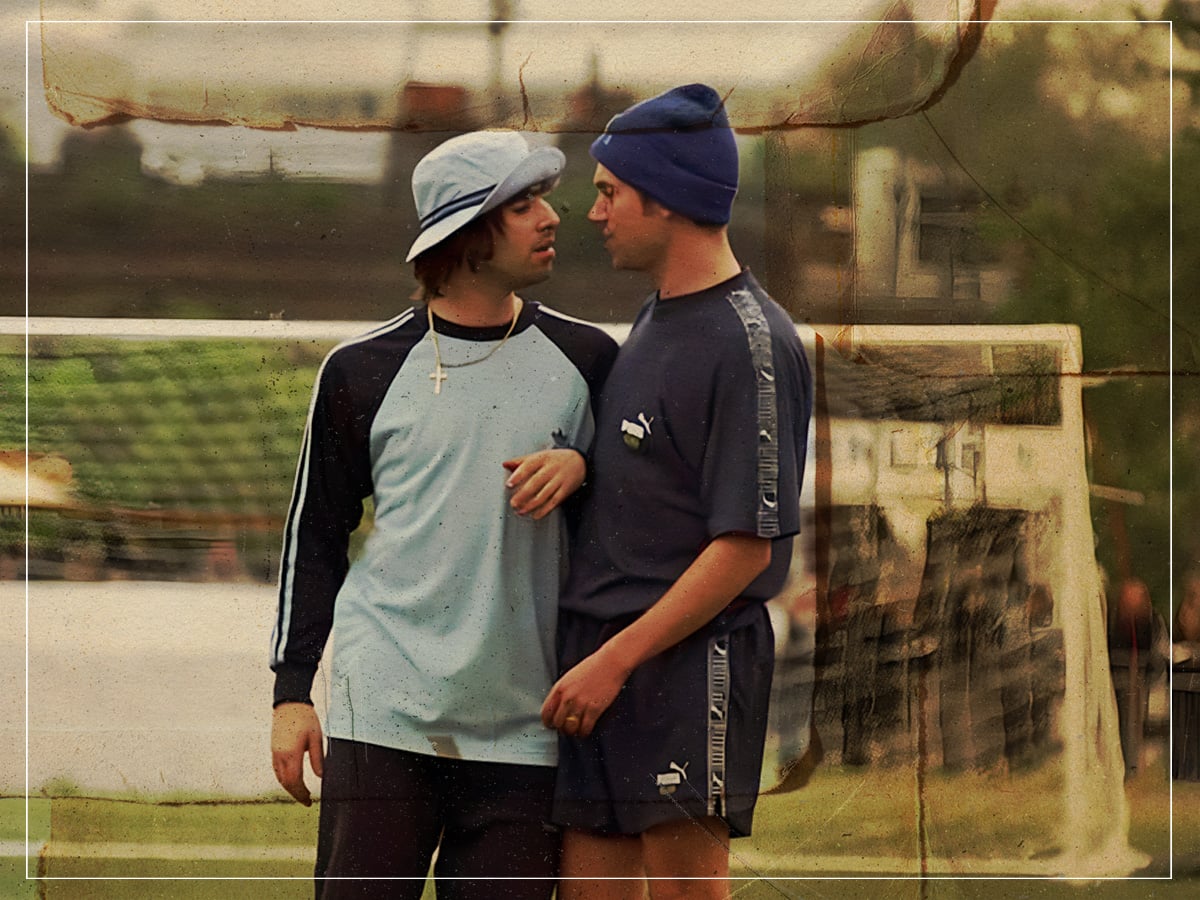
While Oasis’ entire history has been noted for the longstanding feuds between Liam and Noel Gallagher, no article on rock and roll feuds is quite complete without mentioning the Britpop battle between the Mancunian rock and rollers and their southern art rock counterparts, Blur. That divide largely revolved around the race for number-one in the singles chart, with ‘Roll With It’ and ‘Country House’ being released on the same week in 1995, but it all began some months earlier, with Oasis’ legendary single ‘Some Might Say’.
After that song went to number one, as Damon Albarn recalled to NME at the time, “I went to their celebration party, y’know, just to say ‘Well done,’ and Liam came over and, like he is, he goes, ‘Number fookin’ one!’ right in my face. So I thought, ‘OK, we’ll see.’” There began the rivalry that defined the Britpop age, and which people still bring up bizarrely regularly over 30 years later.
The Beach Boys – ‘Hang On To Your Ego’<br>(Brian Wilson vs Mike Love)

It would arguably be more notable to pinpoint a single moment in the history of The Beach Boys in which the band wasn’t engaged in some form of intense argument, but we could hardly write an article about musical feuds and not include the never-ending feud between Brian Wilson and Mike Love. It seems unlikely that the two musicians were ever overly close, but the divide between them became much more unavoidable with 1966’s Pet Sounds, and tracks like ‘Hang On To Your Ego’.
Although, in more recent years, Love has spoken about his, well, love for that legendary album, he didn’t seem overly thrilled with its experimental nature at the time of the recording – much less with the creative control that Wilson was exerting. He did, after all, campaign for ‘Hang On To Your Ego’ to be drastically changed, downplaying the band’s newfound drug use and opting for more middle-of-the-road themes, which is how the song became ‘I Know There’s An Answer’.
Pink Floyd – ‘Comfortably Numb’ <br>(David Gilmour vs Roger Waters)

The mother of all rock and roll feuds, and one which is still unresolved to this day, is the lasting hatred between Roger Waters and his Pink Floyd comrade David Gilmour, which stretches back all the way to 1967, when Waters originally took the reins of the band from the recently dismissed Syd Barrett. Reportedly ruling over the band with an iron fist, Waters wasn’t overly personable, if Gilmour is to be believed, during the heyday of Pink Floyd, even if his leadership did produce the band’s biggest successes.
An inarguably fork in the road of their professional relationship, however, is marked by The Dark Side of the Moon’s ‘Comfortably Numb’, on which the pair clashed on just about every aspect of the song, and the eventual final product was an amalgamation of both of their ideal versions. Still, that compromise did little to quash the feud, and David Gilmour has since claimed that the song was the final one in which the pair were able to work together constructively, making it something of a breaking point.
