


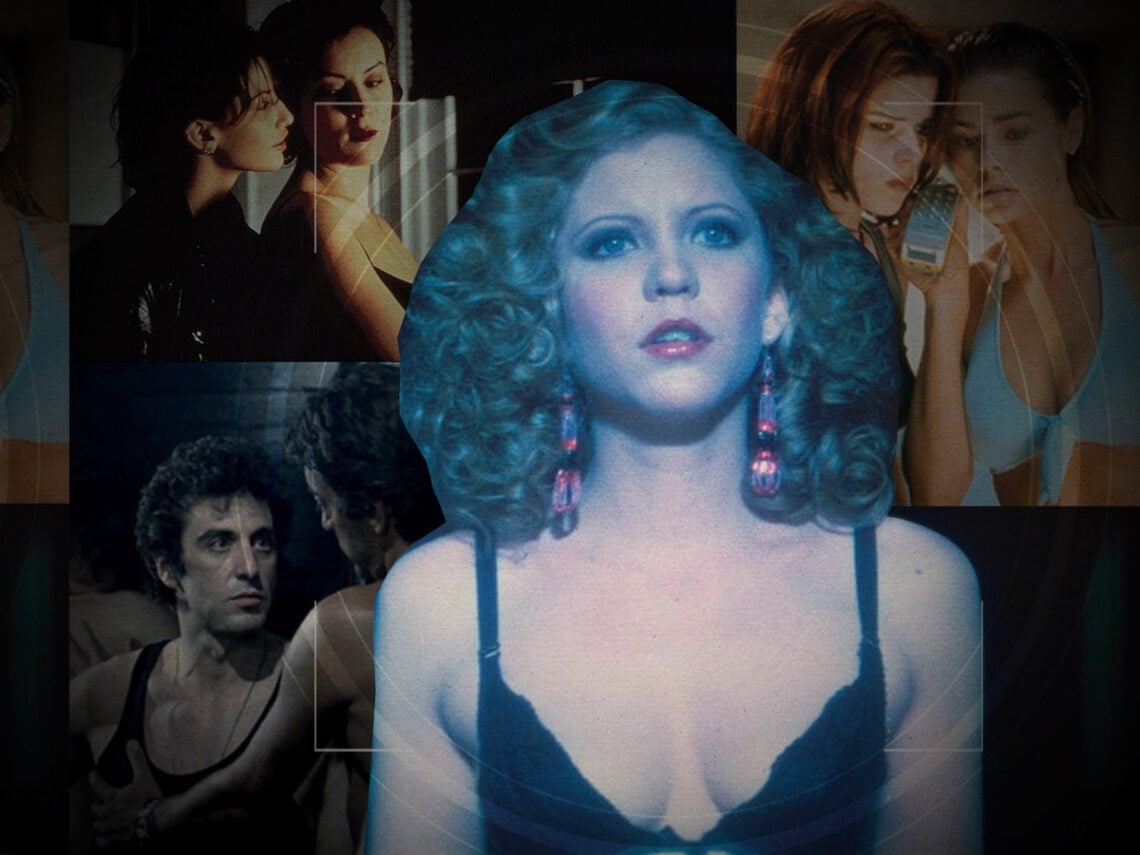
10 salacious erotic thrillers that would never be made today

The erotic thriller is a genre of film that is barely made anymore.
There is often a debate as to whether the superhero genre will end up disappearing in the next few years if a few major Marvel and DC films disappoint, with some comparing it to the lack of new westerns. However, the one genre that has seemed to completely go away is the erotic thriller; while there were many in the 1980s and ‘90s that were massive hits and critical darlings, the genre is almost nowhere to be seen in the 21st century.
Part of the genre’s disappearance may be due to the internet era. Audiences used to seek out films that contained salacious content that they could not find anywhere else, but the World Wide Web has now been able to satisfy those curiosities. There also tends to be more explicit sexual content on television, particularly in the prestige shows from HBO.
There’s also the reality that studios will often censor graphic moments, as they often end up leading to some sort of controversy. The threshold for what is considered to be racy has changed significantly; this year’s Wuthering Heights was touted as a return to the sensual romantic drama genre, but Emerald Fennell’s adaptation of the brilliant Emily Brontë novel wasn’t very steamy in the slightest.
Considering how much outrage there is when just a smidge of sexual content is involved, it seems unlikely that Gen Z would have been able to handle some of the truly wacky erotic thrillers of the past.
10 salacious erotic movies too bold for today:
‘Dressed to Kill’ (Brian De Palma, 1980)
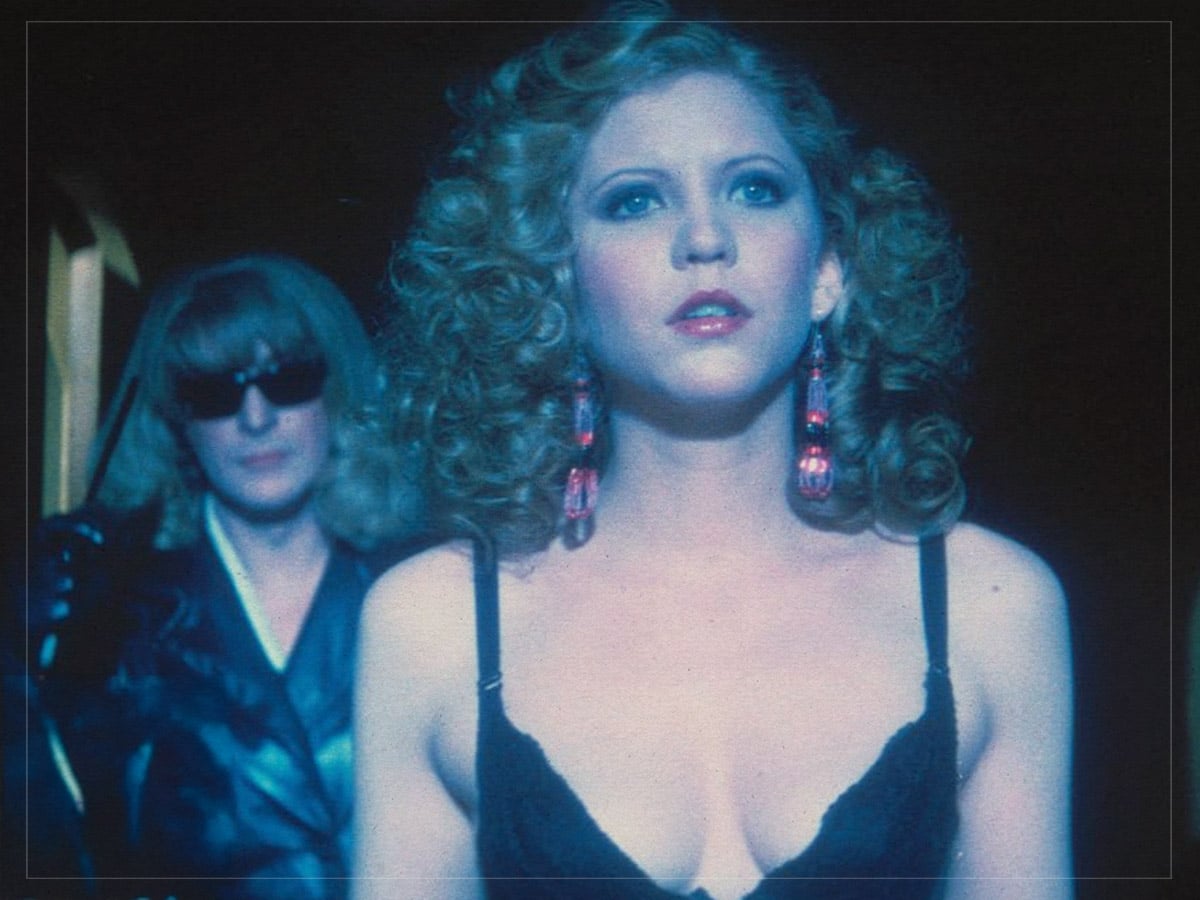
Brian De Palma may have struggled to get funding in recent years for new projects, but during the first few decades of his career, there was no telling what he would be able to sneak into his films. De Palma often compared himself to Alfred Hitchcock because of his interest in sex and violence, but there was a significant difference between them: the latter had to leave things up to the audience’s imagination because of censorship concerns, whereas the former could be as graphic as possible.
Dressed to Kill is one of De Palma’s more salacious films because it expressly deals with sexual deviance and types of psychology. Today, the film would likely be attacked for being disrespectful to those with mental health issues, as the director plays around with terms related to psychoanalysis without any real concern for being accurate.
‘American Gigolo’ (Paul Schrader, 1980)
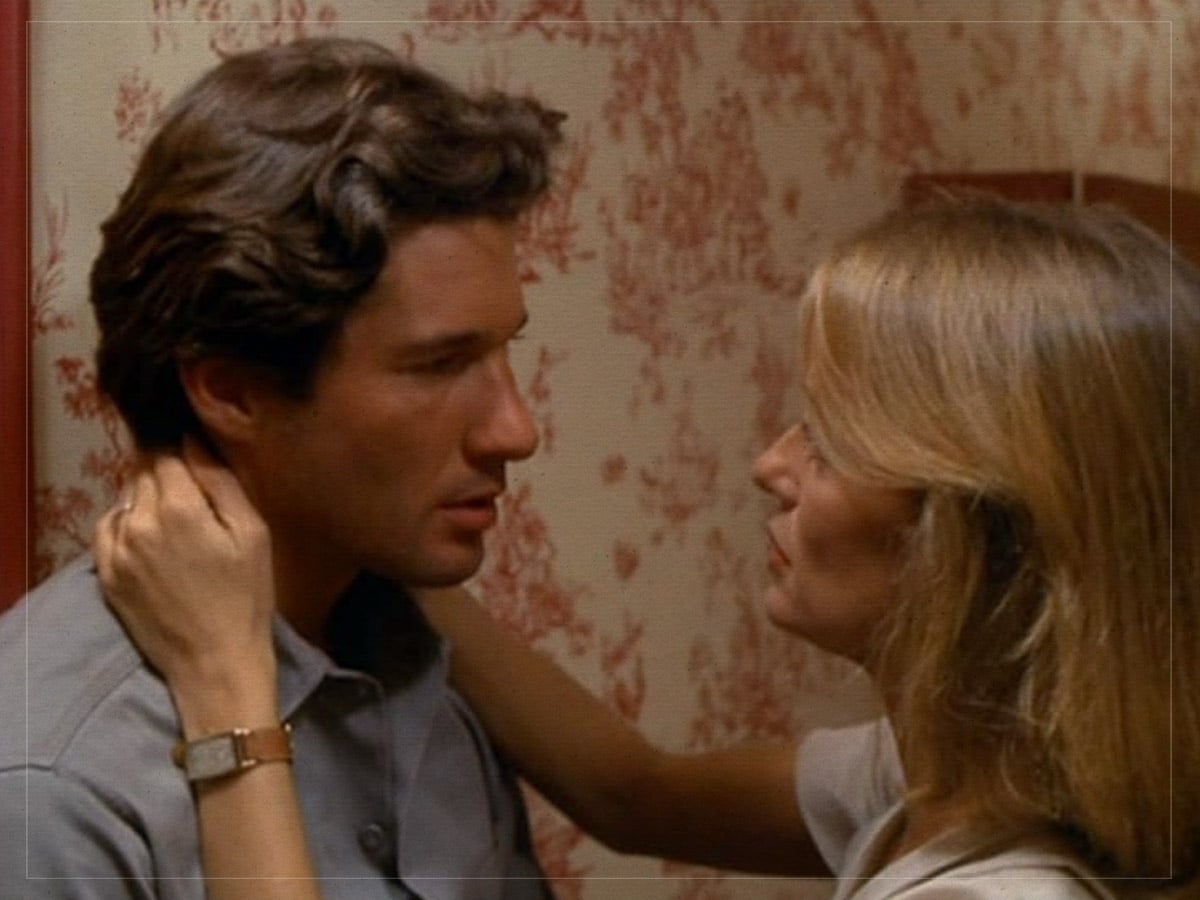
Richard Gere became a sex symbol who retained his status for decades, as he was still flaunted for being appealing when he co-starred with Diane Lane in the 2002 erotic thriller Unfaithful, for which she received an Academy Award nomination for ‘Best Actress’. Gere got his big break thanks to Paul Schrader’s American Gigolo, which was a realistic and tragic portrayal of the life of a male prostitute.
Surprisingly, society has actually become regressive in its depiction of male sexuality, and it’s unlikely that a film that is as honest and biting about the prison of masculinity would be made today. Although there was an attempt to reboot the material as a Showtime series starring Jon Bernthal, it didn’t earn enough audience to move forward, especially since Gere had given such an iconic performance that was impossible to replicate.
‘The Crying Game’ (Neil Jordan, 1992)
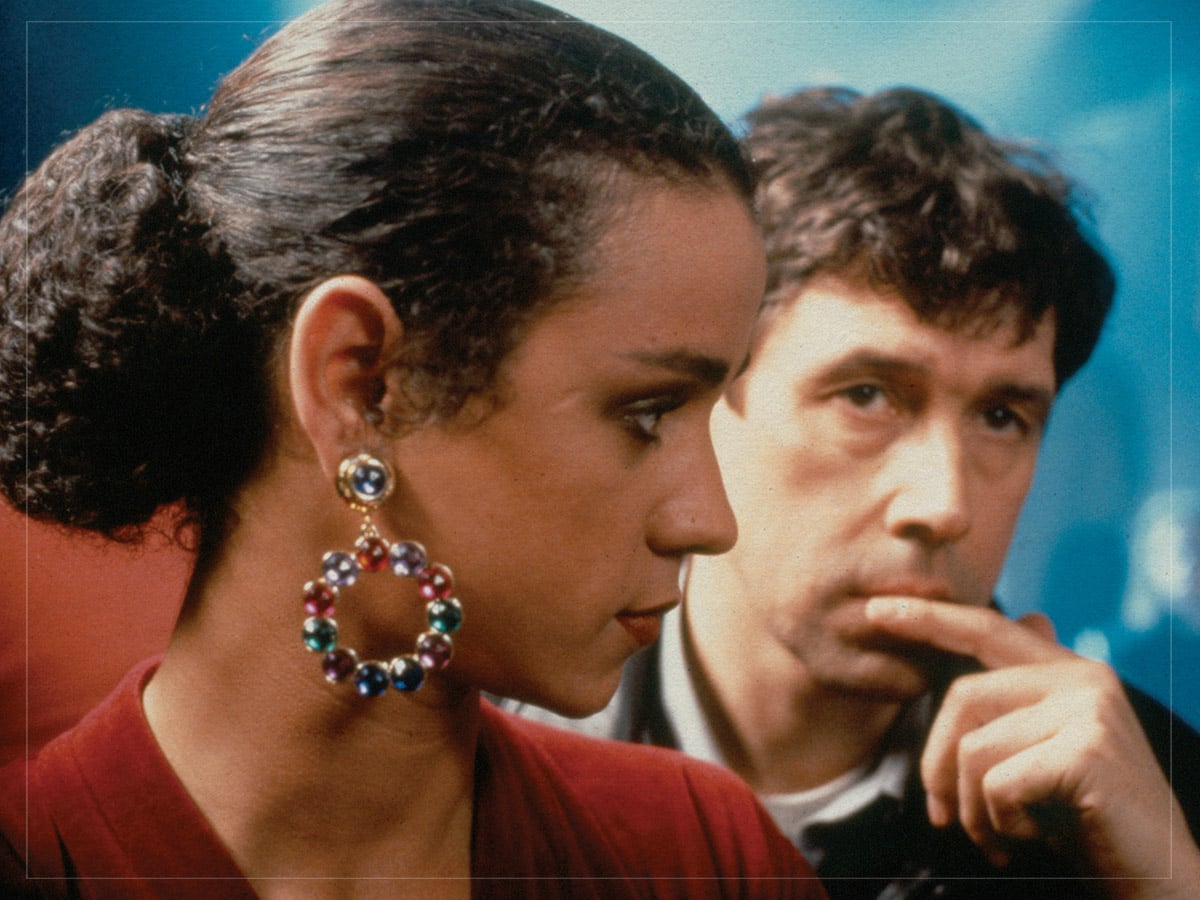
Ireland had long been a country that American audiences were interested in, but The Crying Game wasn’t exactly the espionage thriller that viewers were expecting when Neil Jordan’s film delivered one of the most shocking twists of all time. The Crying Game couldn’t be made today simply because of the way that spoiler culture has evolved, where films are leaked online, scripts are passed around, and even a film like The Drama had its twist spoiled months before the trailer was even released.
The Crying Game was given the benefit of the doubt because Jordan was a filmmaker who was very respected, and had made another great erotic thriller with Mona Lisa, but it’s unlikely that a film this shocking and confrontative would have ever been greenlit. It’s still credited for essentially destroying the career of its prominent co-star, Jaye Davidson.
‘Disclosure’ (Barry Levinson, 1994)
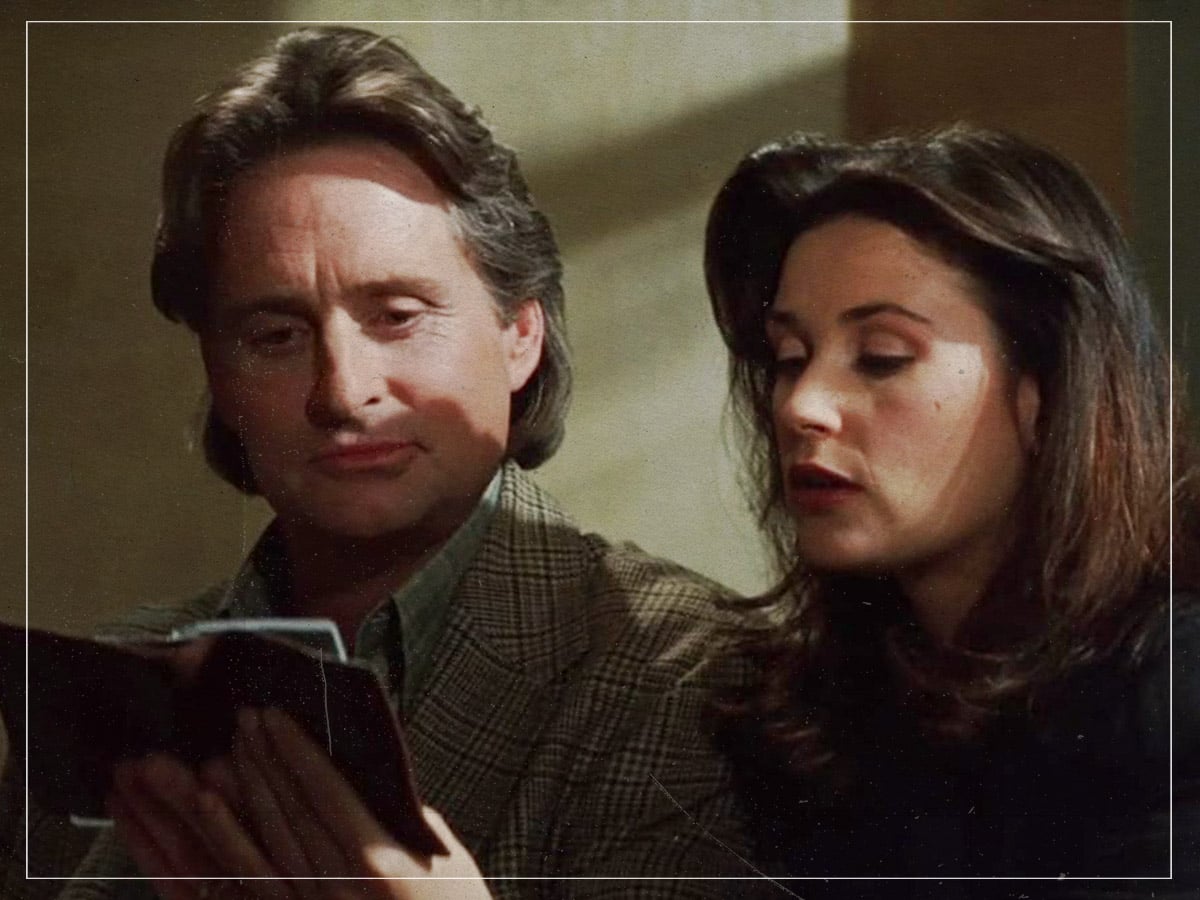
Barry Levinson has a baffling filmography that isn’t comparable to any other filmmaker. While on one hand, he has directed classics like the Academy Award ‘Best Picture’ winner Rain Man and the baseball sensation The Natural, he’s also responsible for some of the weirdest genre films of their respective eras.
Disclosure has a premise that wouldn’t fly today in the aftermath of the #MeToo era, as it delivers a sympathetic portrayal of a man played by Michael Douglas who is falsely accused of sexual harassment when his position is usurped by an evil, vindictive female CEO, played by Demi Moore. However, what has actually aged the worst about the film is its examination of early Internet technology, file-sharing, and the digital workplace, which are now just hilariously out-of-touch, even when compared to some of the other ridiculous tech thrillers of the decade.
‘Bound’ (Lily and Lana Wachowski, 1996)
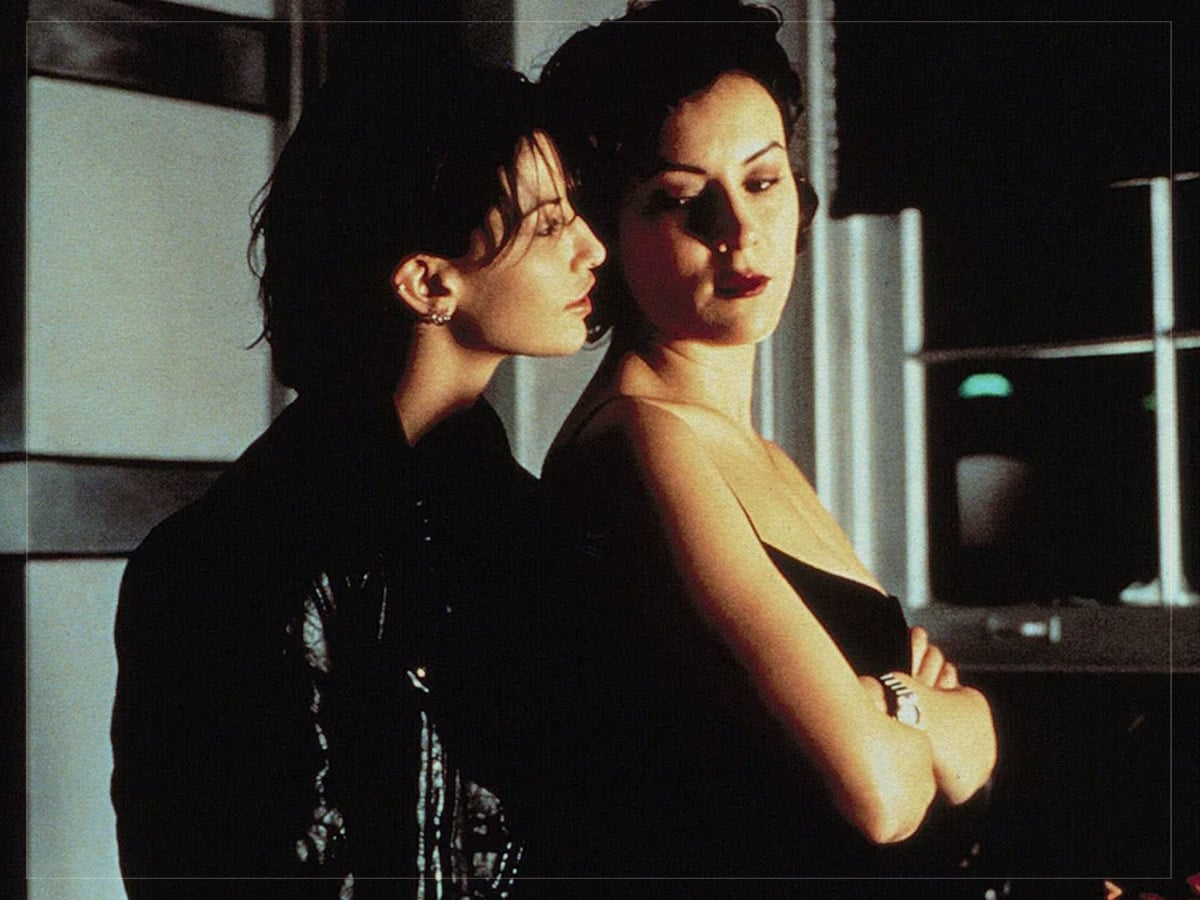
The Wachowskis may have ended up transforming culture forever when The Matrix became the Star Wars for a new generation, but their talents as filmmakers were proven a few years prior by their brilliant debut Bound, which was essentially a gangster film with a Hitchcockian flair. It centres around a queer romance between characters played by Jennifer Tilly and Gina Gershon, showing a degree of inventiveness that would seem impossible for contemporary filmmakers, specifically on a budget so minuscule.
It’s also a film that only the Wachowskis could have made, and they don’t appear to be doing anything together anytime soon. The Matrix Resurrections was such a flop that Warner Bros has restarted the franchise with Drew Goddard handed reactive control for the upcoming new instalment, in which the Wachowskis don’t appear to be involved at all.
‘Wild Things’ (John McNaughton, 1998)
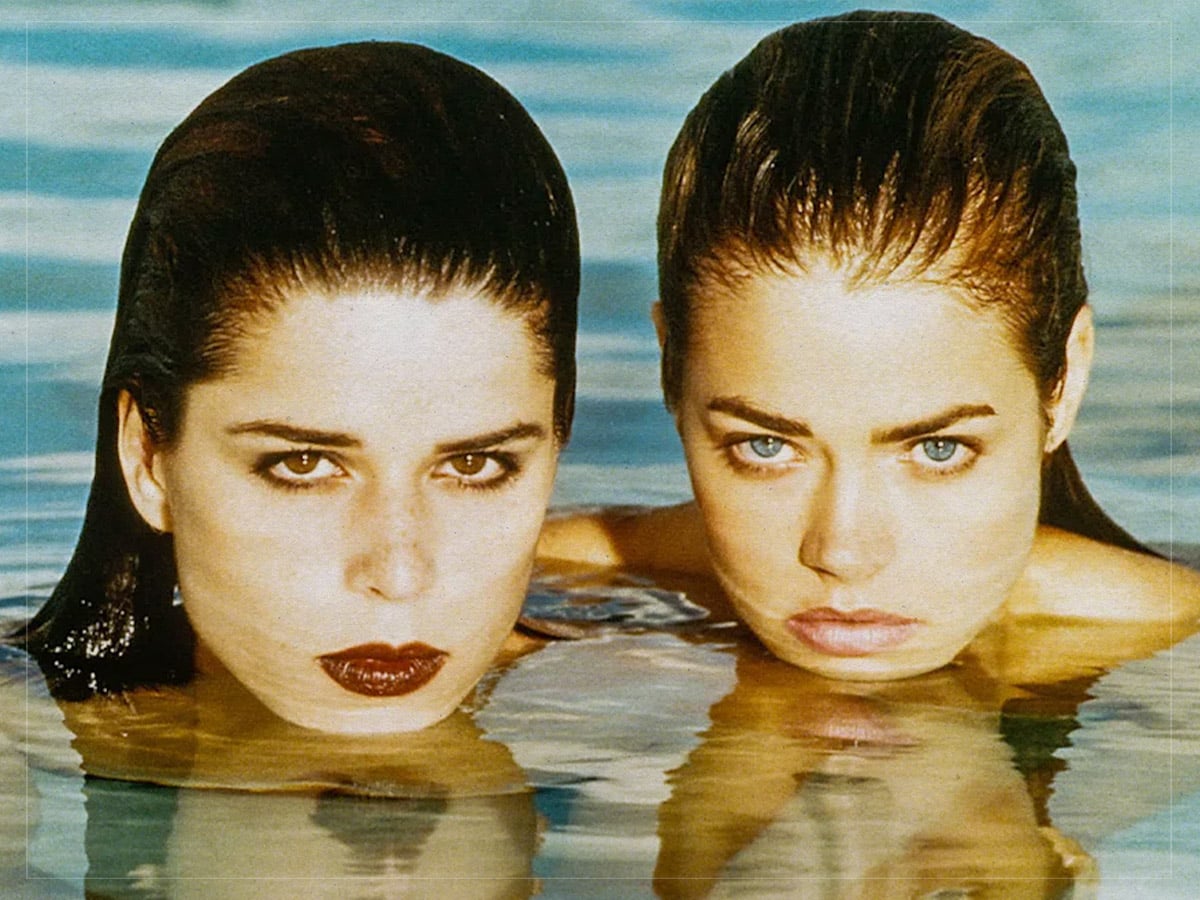
Matt Dillon, Denise Richards, and Neve Campbell were involved in one of the most infamous sex scenes of the ‘90s with Wild Things, which became so iconic that it actually overshadowed the film itself. Wild Things is a satire of trashy erotic thrillers that plays upon audience expectations and has a dark style of comedy; even if it’s a film that intrigued teenagers based on the sexual content, it actually has things to say about class and economics as it relates to Floridian culture.
It’s unlikely that a Hollywood film would have such robust ideas today, and the notion of making an erotic thriller set in high school might have sparked controversy. If anything, the place that Wild Things may have had today has been replaced by Euphoria, which is even more graphic than anything in the film, albeit without much to say.
‘In the Cut’ (Jane Campion, 2003)
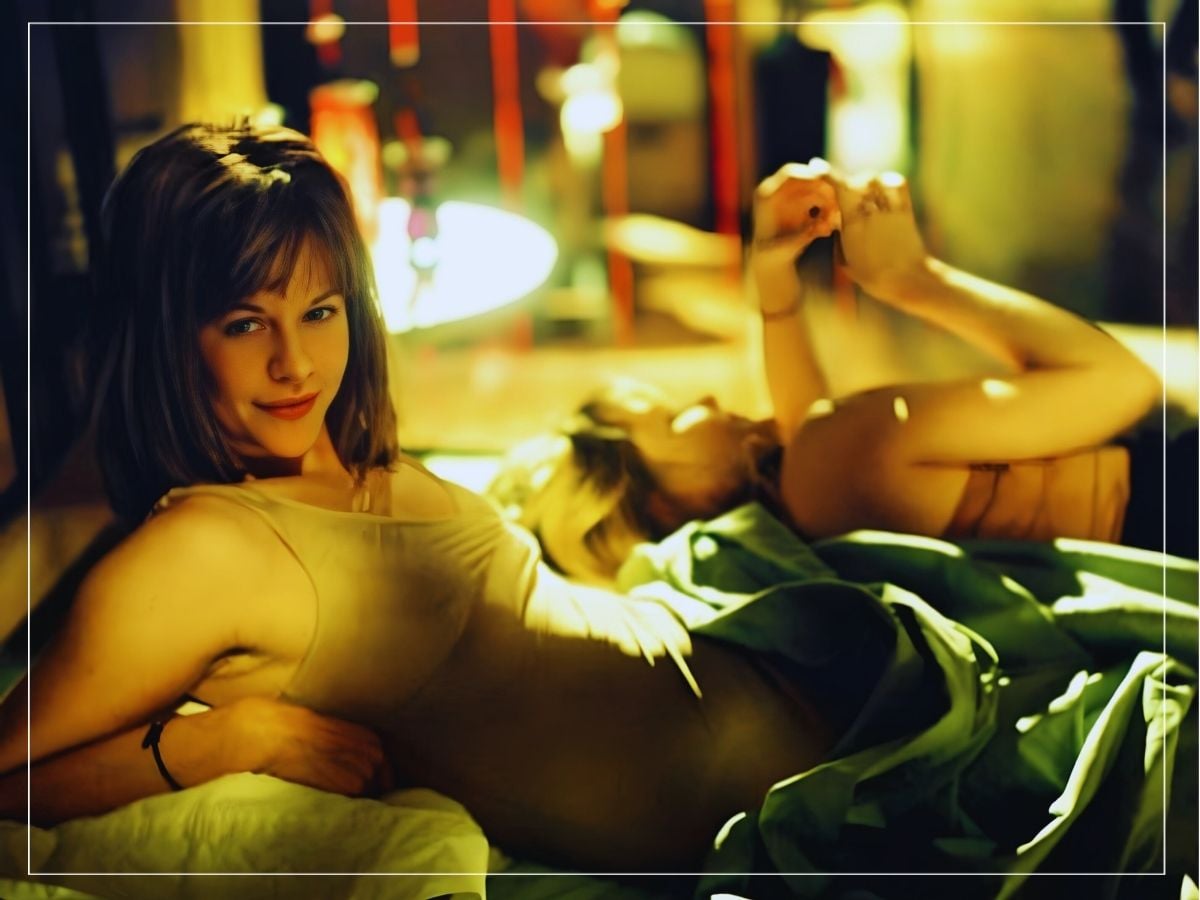
Jane Campion had directed such a smash hit with The Piano that she was able to have free rein on her next set of projects, many of which dealt with graphic sexual themes. While both Holy Smoke and The Portrait of a Lady had their defenders, In the Cut was deemed to be such a nasty, exploitative, and confusing entry into the erotic crime thriller subgenre that it essentially halted her career. The film would be deemed too risky by today’s standards, as it was responsible for essentially destroying Meg Ryan’s career.
Ryan had been perceived to be ‘America’s Sweetheart’ for well over a decade, but none of the goodwill she had earned for her collaborations with Nora Ephron ended up saving her from the extreme backlash to In the Cut, which became one of the rare films to earn an ‘F’ on Cinemascore.
‘Cat People’ (Paul Schrader, 1982)
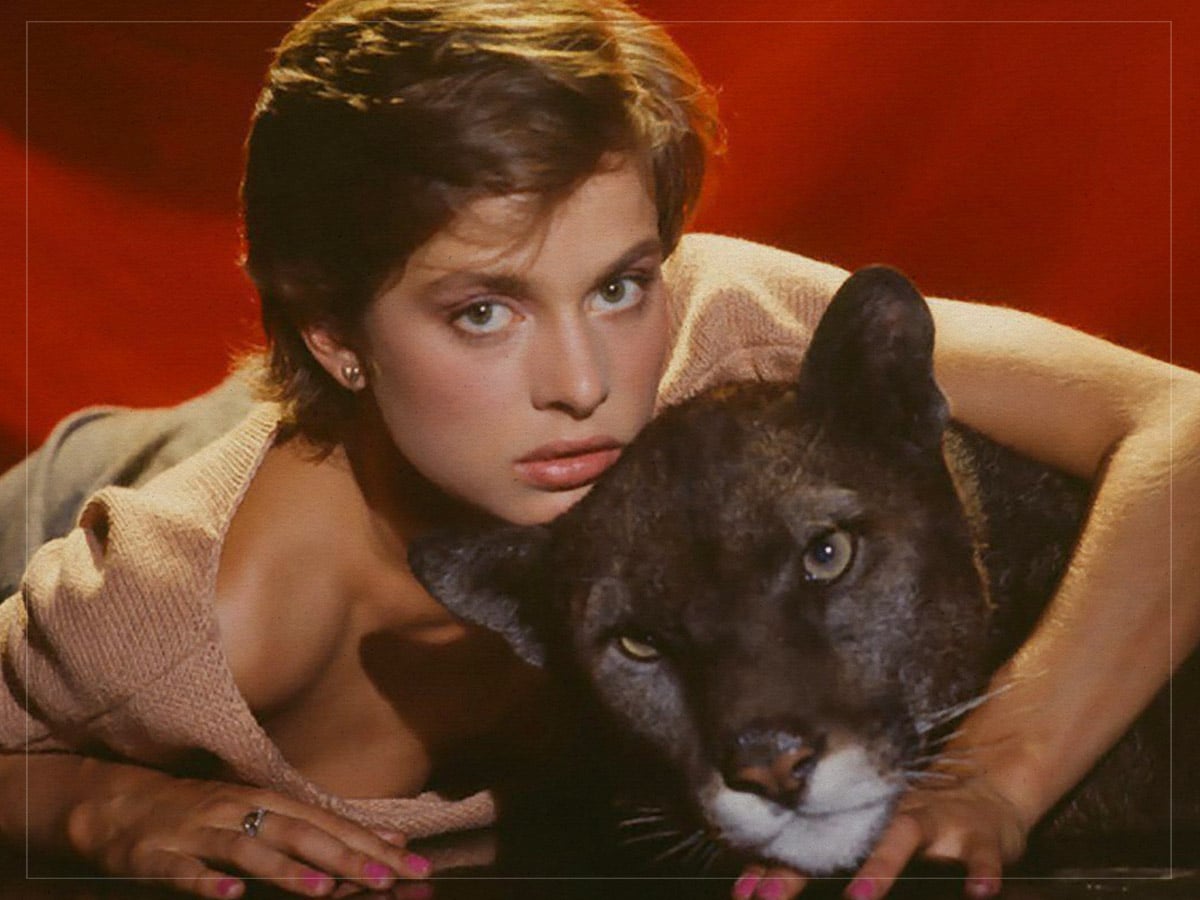
Paul Schrader has always had his own lane of deep, challenging films about dark subject material, but he has only rarely been given access to high-profile works of intellectual property, but since the original Cat People was a 1942 horror film that had only grown in stature since its release, remaking it seemed like a logical choice for any studio.
Horror remakes have been more plentiful in the 21st century, with versions of such classics as Halloween, A Nightmare on Elm Street, The Ring, Friday the 13th, and The Texas Chainsaw Massacre ruling the roost. However, these remakes tend to cater to the nostalgia of fans of the original, and it would be unlikely for someone like Schrader to have the opportunity to make a twisted, erotic version of Cat People that is so different from the first.
‘The Last Tango in Paris’ (Bernardo Bertolucci, 1973)
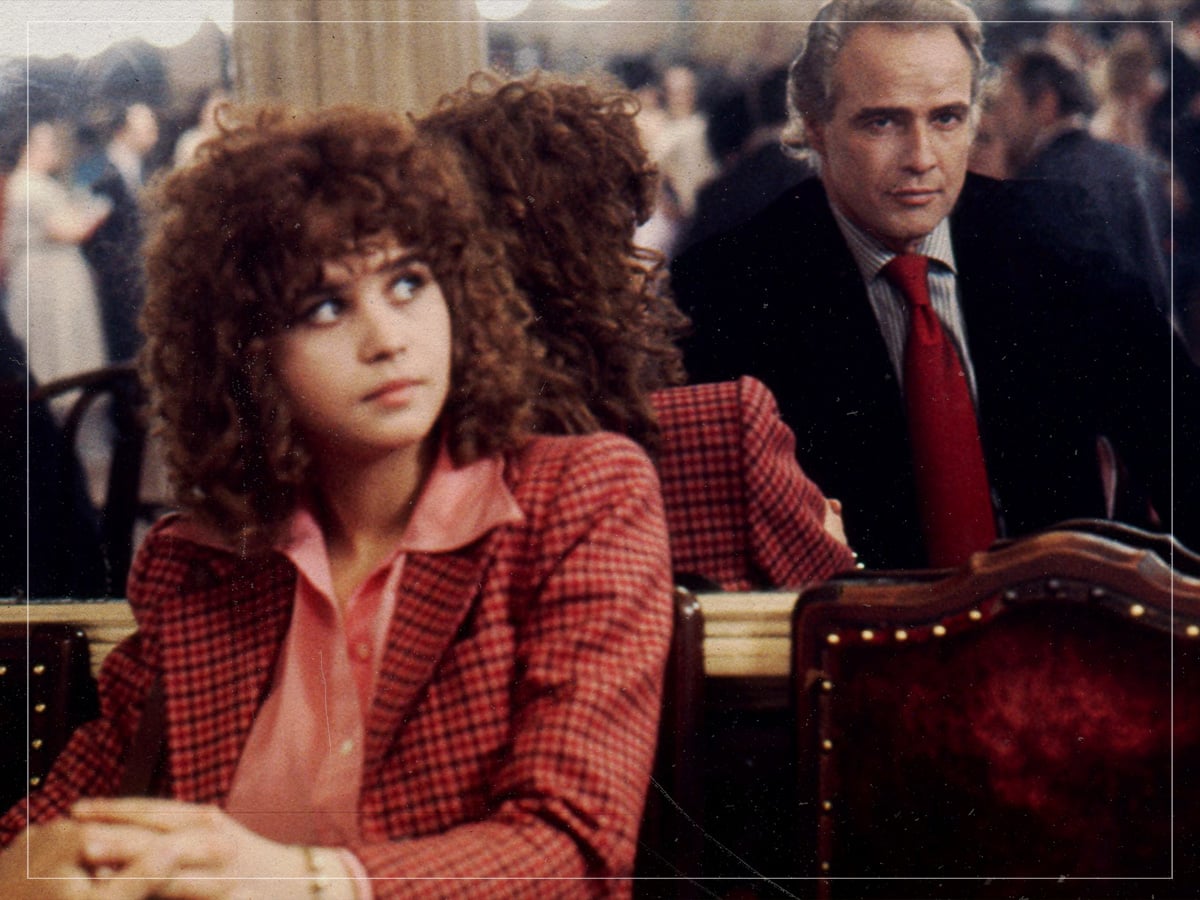
Marlon Brando was at the peak of his popularity after winning the ‘Best Actor’ Oscar for The Godfather, but The Last Tango in Paris became an intensive shoot that was overshadowed by controversy. Bernardo Bertolucci’s film was one of the rare mainstream releases that actually earned an X-rating, but the initially warm reception has been challenged by disturbing accounts about the production.
The actress Maria Schneider alleged that she was not informed about a graphic sexual moment to be performed on her, and that Bertolucci (and possibly Brando) had been responsible for a breach in her consent. Schneider went on to claim that she was “humiliated” and that the trauma from the unforgivable incident continued to stick with her, something that never should have happened, and would never happen today, given the new standards set regarding the presence of intimacy coordinators.
‘Cruising’ (William Friedkin, 1980)
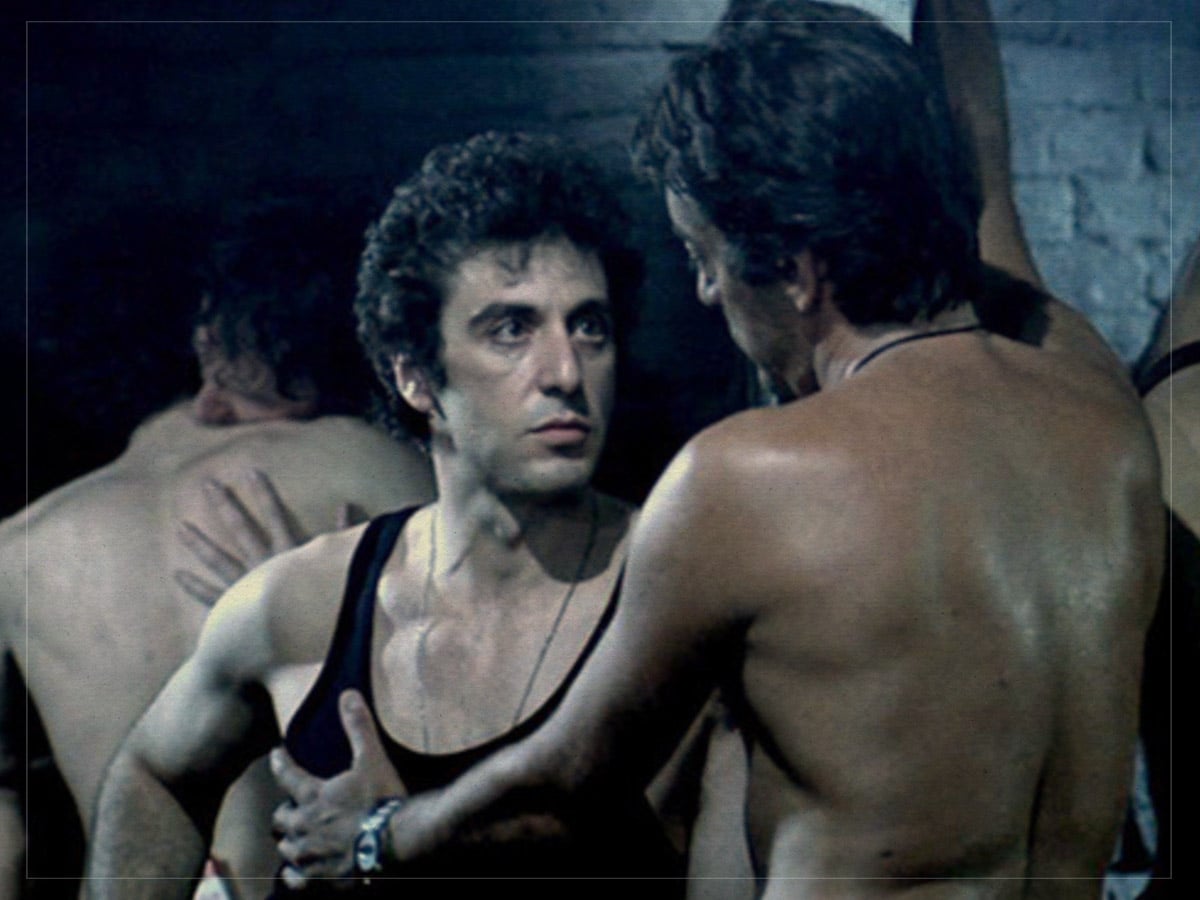
William Friedkin was a true cinematic madman who was willing to burn bridges, head into danger, and make everybody mad in order to do what he needed to complete his films. He was interested in making a serial killer set in the gay S&M scene in New York City, but Cruising ended up becoming a subject of significant controversy.
Friedkin had included graphic material, including unstimulated sexual content, within the film, which offended conservative viewers and sparked censorship concerns; however, the film’s examination of a self-destructive, potentially closeted police officer, played by Al Pacino, was also divisive, and the film was protested by many LGBTQ+ activist groups claiming that it was a negative portrayal. Cruising was torpedoed by critics, even by those who had defended Friedkin’s previous work, and was partially responsible for the multi-year gap of film performances by Pacino.
