


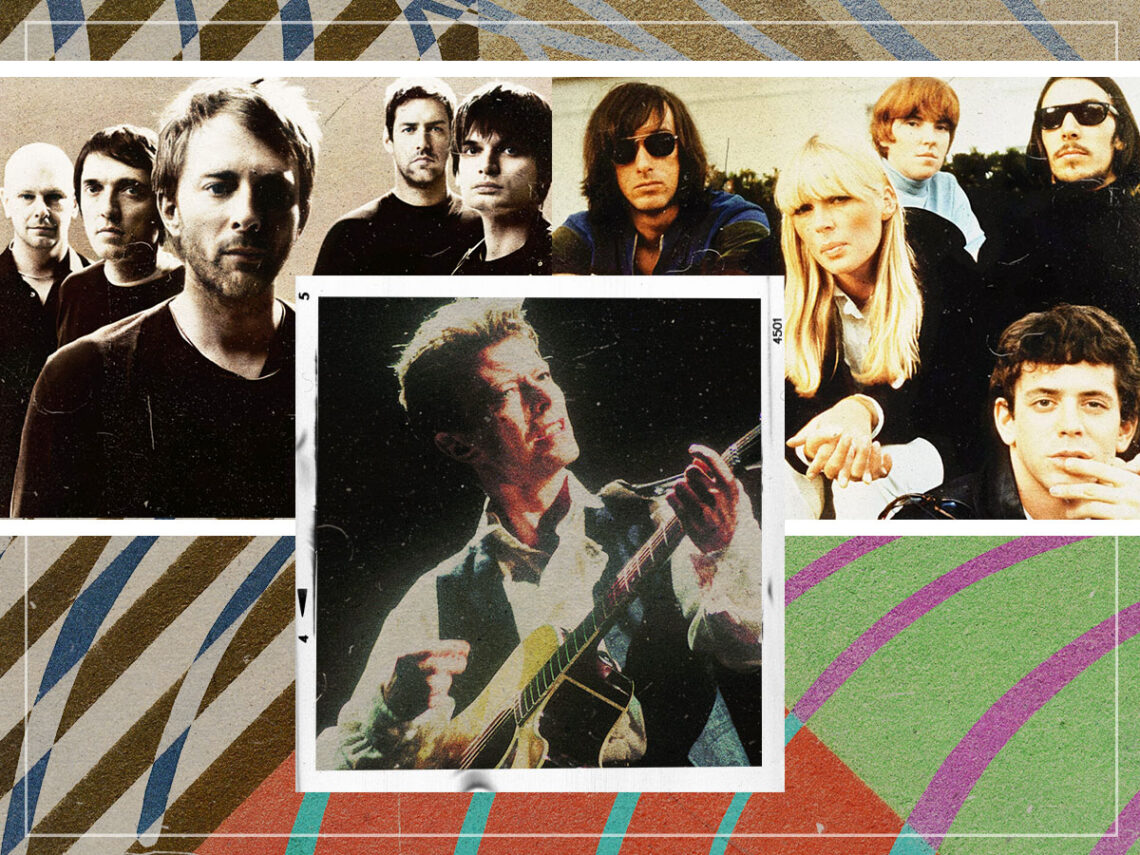
10 musicians who are completely impossible to imitate

For every great artist that comes along, there will always be labels that want 50 more of the same thing in rapid succession. Even though there was only one Bob Dylan, for instance, that didn’t stop every single folk-rock hopeful trying to emulate what came to him naturally, making one offshoot after another to clutter up the charts. Despite the copycats, though, artists like David Bowie and Radiohead proved that there was no way to imitate perfection.
Granted, that doesn’t mean that the artists in question also didn’t wear their influences on their sleeves. Everyone is influenced by something, but the beauty of these artists was their ability to take their usual formula and turn it on its head to sound completely different with every track they put out.
What separates imitation from innovation, though, is intent. While many artists borrow surface-level traits, the truly great ones internalise their influences and reshape them into something that feels entirely their own.
That’s why figures like Bowie and Radiohead remain so difficult to replicate. Their music isn’t built on a fixed template but on a constant process of reinvention, making any attempt to copy them feel outdated the moment it begins.
One of the biggest problems with attempting to imitate any artist is trying to get their style down, and it’s borderline impossible to keep track of where they’re going to go next, switching things up on every single project to where they’re virtually unrecognisable to where they’ve been before. Rather than follow the trends, most artists prefer to lead the pack by deliberately going against the grain of what’s considered the norm.
Whereas acts like Nirvana and Pearl Jam spawned legions of musical children over the years, the music to come from these artists only comes once in a lifetime. Many artists have tried to copy their formula to the best of their ability, but the ability is all in the group’s fingers and vocals rather than any specific style.
10 musicians that are impossible to imitate:
Queens of the Stone Age

When Josh Homme began his musical career, he never wanted to set boundaries for himself. Working in the stoner rock outfit Kyuss, Homme wanted to tear down the normal parameters of guitar playing by tuning his guitar down to levels that were unheard of at the time. Once the band got into a restrictive formula, though, Homme thought his best option was to make a band with a fluid structure.
Starting with the first Queens of the Stone Age project, Homme promised his audience to expect the unexpected. When listening to the band’s first handful of albums, each song seems to have a different lineup, with the group consisting of a handful of members like Nick Oliveri and Mark Lanegan, while bringing in artists as varied as Dave Grohl and Billy Gibbons over the years to lend their talents to the songs.
Even though the songs might have everyone bringing their spin to the music, no song sounds the same, from the zany sounds of ‘Go With the Flow’ to bringing the sounds of punk, stoner rock, and classic rock under one roof across the album …Like Clockwork. Given the wild soundscapes on In Times New Roman, Homme is still looking to challenge himself on every sonic adventure.
Jeff Beck

The modern idea of a guitar hero tends to come from artists who like to use various effects. Even though an artist like Tom Morello can play a mile a minute, he is just as indebted to the wild sounds that he can get out of his guitar as he is to his flashy playing. For all of the significant effects that Jeff Beck may have used, though, all of the power came from the strength in his hands.
Getting his start working with The Yardbirds, Beck wanted to expand the vocabulary of what the guitar could do, quickly moving out of a blues mould and going into the world of instrumental work on records like Blow by Blow. While it was easy to spot the blues left over from his other projects, the amount of soul he put into every one of his bends sounded more like a human voice than anything coming out of an instrument.
Until his death, Beck was still trying to test the boundaries of what could be done on the guitar, writing long, extended jams that would take a superhuman amount of endurance to play correctly. Although most guitarists list artists like Eddie Van Halen and Jimi Hendrix as the greatest of all time, the standards that Jeff Beck set are reserved for the guitarists who have done their musical homework.
Ween
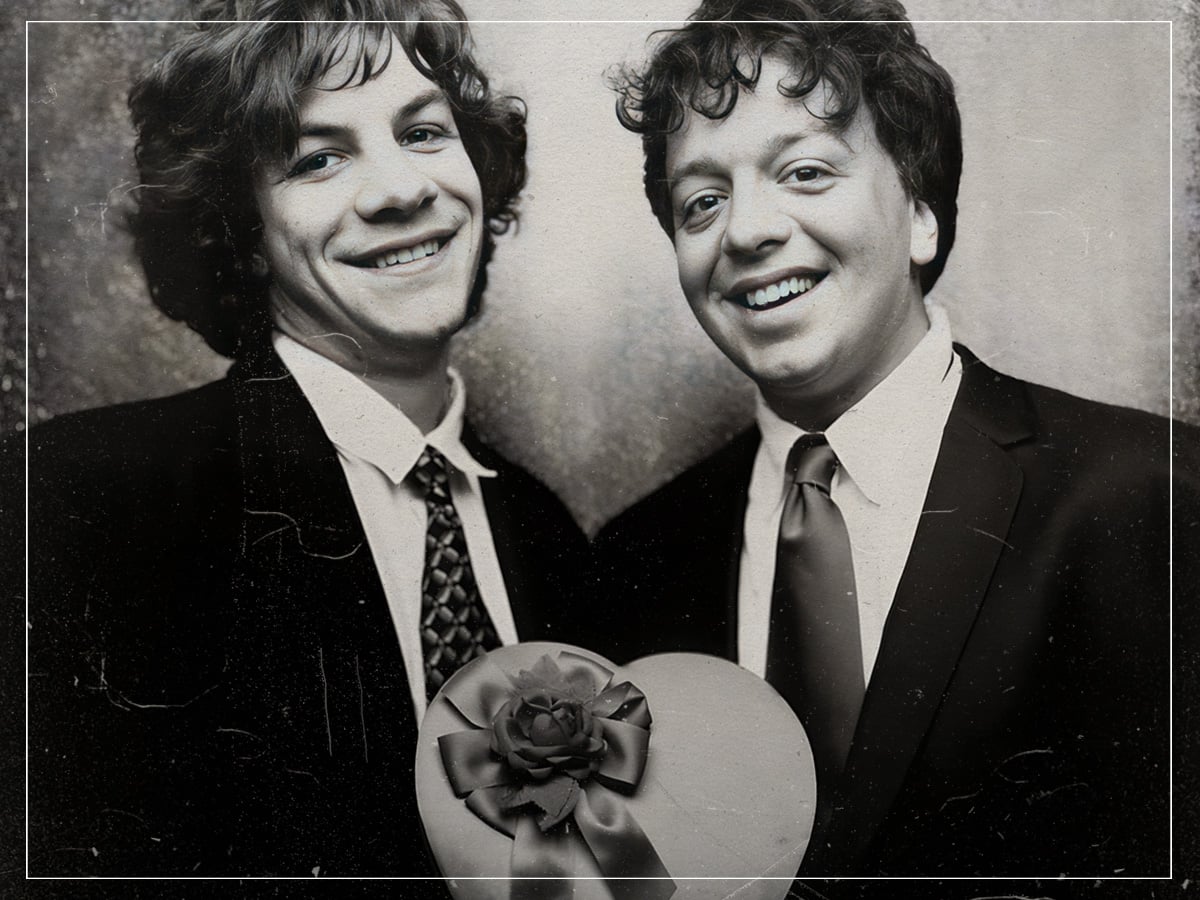
For every rock band, it’s easy to put their music into any distinct category. Even though they might dip their toes into whatever genre they can find, it’s easy to figure out what bands belong under the umbrella of heavy metal, grunge, psychedelic rock, or whatever genre they started to pioneer. As far as Ween is concerned, though, the word ‘genre’ stopped having meaning a long time ago.
Getting their start making some of the most unlistenable music of the 1990s, Ween has prided themselves on making the wildest genre experiments of their generation. While specific albums might blend a little better, every song has a unique character from one track to the next, with both Gene and Dean adopting different vocal mannerisms to suit whatever song they happen to be writing.
Take an album like The Mollusk, for example. The album may have an underlying theme of swimming through the ocean, but listening to songs like ‘The Blarney Stone’ and ‘Ocean Man’ consecutively sounds like they should be coming from two different musical realms. Ween may be far from the most accessible band in rock and roll, but their need to do whatever they want has carried them two decades of sonic madness.
Elton John

If Elton John had passed his audition as a songwriter, there’s a good chance that no one would know his name today. When initially shopping around his songs to various record labels, it wasn’t until John got rejected that he was introduced to Bernie Taupin, an aspiring writer who would become his longtime lyricist. Although John may have had his history playing traditional rock and roll, the amount of ground he has covered across his career comes from a mind that never wants to stop learning.
Aside from his knowledge of a good rock and roll hook, John’s background in the world of classical music has refined his musical taste as well. When combing through a handful of deep cuts like ‘The Greatest Discovery’, John is putting the same amount of musical complexity into his work as composers like Beethoven or Bach, albeit in the context of a traditional pop song anchored by Taupin’s lyrics.
Outside of his glam rock period, John’s pop ear has guided him through show tunes when working on The Lion King before getting in touch with his rustic side when working on albums like Songs from the West Coast. With a session resume that lists artists as varied as Gorillaz, Kanye West, and Alice in Chains among his credits, John wants to serve the song before finding his own musical identity.
Paramore

Any pop-punk kid who grew up in the early 2000s probably has a clear picture of what Paramore is like in their head. Coming out around the same time that acts like My Chemical Romance and Fall Out Boy were tearing up the charts, Paramore was known as the one emo-adjacent pop-punk band with the powerhouse vocalist Hayley Williams behind the microphone. Although the band have remained a time capsule for a handful of their fans, Williams was never interested in being a nostalgia act.
After various ups and downs with different lineup changes, albums like Brand New Eyes bridged the gap between pop music, emo and earnest singer-songwriter styles, almost illustrating the dissolution happening within the band. When the band got narrowed down to a trio, their self-titled showed them take a quantum leap into pop music, acting as a 2010s substitute for bands like No Doubt.
For the next decade, Williams refused to rest on her laurels, drastically turning to 1980s pop for 2016’s After Laughter before making different attempts at post-punk on their latest album, This Is Why. Paramore may have had a sweet spot for most fans who grew up listening to tracks like ‘crushcrushcrush’, but Williams is here to remind her fanbase that pop-punk is just one facet of what they can do.
Rush

At the start of the 1970s, bands were just starting to toy with the limits of rock and roll. In the wake of the Summer of Love, artists like King Crimson and Pink Floyd were branching out to see how far they could take the traditional rock and roll song, giving way to the massive explosion of prog rock bands for the next decade. While it was hard to pinpoint where acts like Yes or Genesis were going, Rush experimented more than most fans were ready for.
Starting as a blues-based band in the mould of Led Zeppelin, the band took a quantum leap once Neil Peart joined the band, crafting epic songs that could sprawl out over ten minutes at a time while keeping the listener engaged. With Peart writing the lyrics, fans also got an intelligent look at what modern life was like, either talking about the pleasures of the airwaves on ‘The Spirit of Radio’ or how one relates to their fellow man on ‘Limelight’.
Outside of the massive thought experiments going on lyrically, the band were never afraid to switch up their style, going into synthesised sounds on Grace Under Pressure, fusion on Hold Your Fire and finally back to old school rock and roll on later projects like Snakes and Arrows. Plenty of bands have tried experimenting with their style and failed miserably, but there was never any style that didn’t suit Rush.
The Velvet Underground

When thinking about the late 1960s, it’s easy to imagine the hippy idealists with flowers in their hair. As the Vietnam War raged half a world away, many artists sought to create a utopia on Earth, thinking everyone needed to give peace a chance rather than give in to the violence of men in power. While those ideals may have been novel then, Lou Reed had a different agenda in The Velvet Underground.
Spanning across five albums, Reed led the group through the most deceptively beautiful music ever created. Across their debut, it’s impossible to get a handle on what they wanted to do, penning beautiful tracks like ‘Sunday Morning’ alongside tales of debauchery like ‘Venus in Furs’ and the drug opus ‘Heroin’.
While the music was hard to match, no one would pen a lyric quite like Lou Reed, with a lyrical style that opened the door for artists as diverse as David Bowie and Patti Smith to embrace their innermost feelings and put them onto the page as unapologetically as possible. Any aspiring musician may try to make music as dishevelled as The Velvet Underground, but the power behind songs like ‘Pale Blue Eyes’ and ‘I’ll Be Your Mirror’ comes from people who know the shape of their hearts.
Beastie Boys
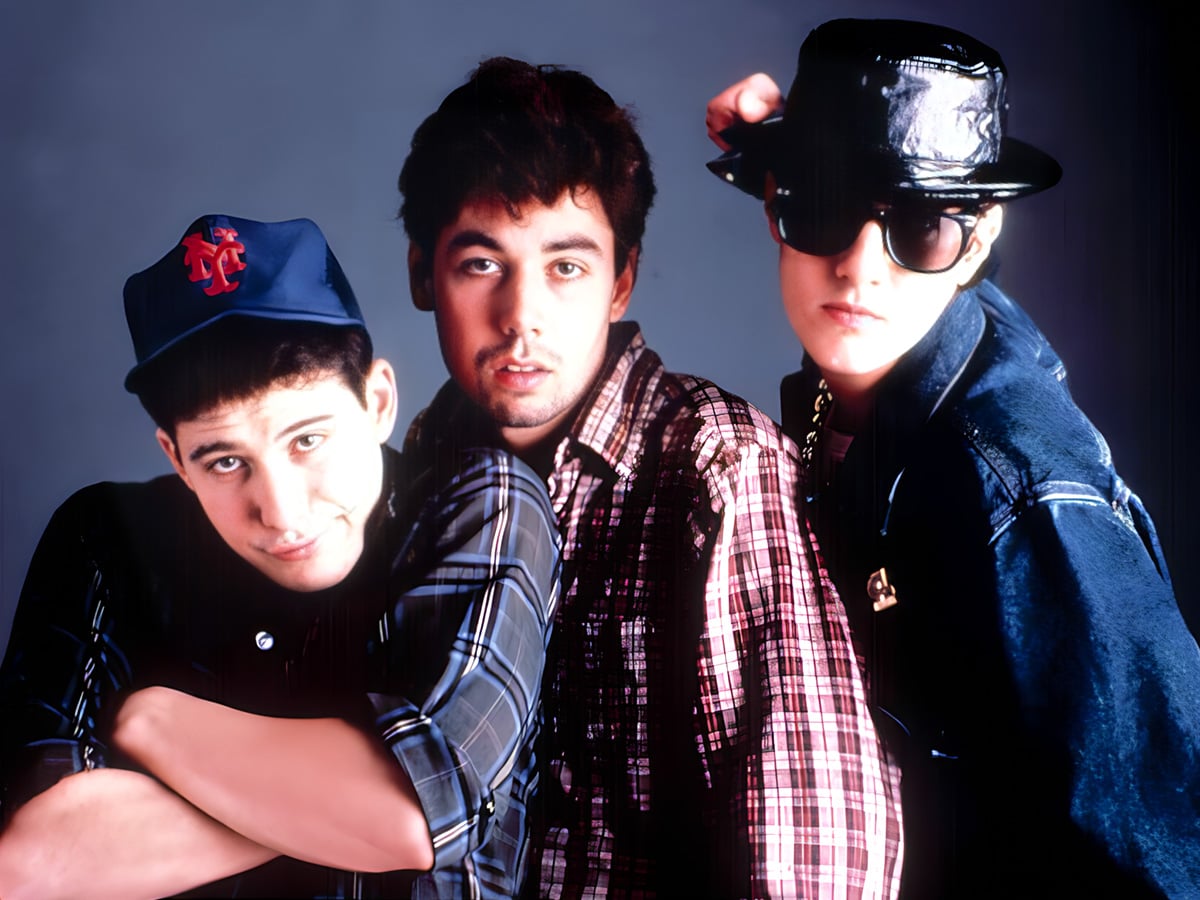
In a sane world, the Beastie Boys would have been promptly forgotten when the song ‘Fight For Your Right to Party’ was taken off the airwaves. Looking at the group based on their first album, it looked like a bunch of New York Bowery Boys making a mockery of what hip-hop was supposed to be. That was never the plan for the Beastie Boys, and they would spend the rest of their career turning their sound inside out.
Starting with Paul’s Boutique, the trio created a kaleidoscopic approach to music, creating samples that blended into each other depending on which part of the song they were in. While this paved the way for psychedelic hip-hop, the next handful of albums would see them embrace their punk tendencies, with records like Check Your Head and Ill Communication blurring the line between alternative, punk, and hip-hop across their runtimes.
Often crafting their samples and having organic instrumentation on their records, none of the Beastie Boys were meant to be tied to one genre, even putting out an album of pure instrumental tracks on The Mix Up. They may have had the punk aesthetic down to a tee, but the mission of every good punk is to go against the grain no matter the cost.
David Bowie

From day one, David Bowie tended to look like he had descended from some other planet. Despite his penchant for writing space-themed songs in the early phase of his career, Bowie’s knowledge of a hook was never limited to the traditional means of a pop single. Whereas most artists might find a typical sound and milk it for all it was worth, Bowie knew music had more to offer than just a handful of styles.
Coming to fruition as a glam-rock icon, Bowie would spend the rest of his career twisting his signature style on its head. After the album Diamond Dogs, Bowie began his various artistic transformations, making soul music on Young Americans before becoming clinically precise on albums like Low and Station to Station, each of which took cues from krautrock acts like Kraftwerk.
Bowie eventually turned this creative reinvention into his life’s goal, becoming a pop star in the 1980s off the strength of Let’s Dance, going into the realm of drum and bass music on 1997’s Earthling before rounding out his career in the world of avant-garde jazz on his farewell album, Blackstar. There’s no telling what other styles of music Bowie could have explored, but he left behind a tapestry of artistic expression across every project he put out.
Radiohead

When looking at the beginnings of Radiohead, it looked like they would have one of the more predictable careers of the 1990s. On the strength of the band’s first hit, ‘Creep’, it seemed like they would be making the same standard rock and roll that everyone copied from the grunge scene. Once the band found their footing, though, every Radiohead album would be another peek into their creative psyche.
While their sophomore effort, The Bends, had its fair share of stadium-rock choruses, OK Computer was their defining effort, putting elements of electronic and organic instruments under one roof to make one of the most dramatic album statements of the 1990s. Even though most artists would retire with such critical praise, Radiohead drew a line in the sand on Kid A, going into electronic music and stripping away any semblance of pop hooks.
Since their dramatic pivot, Radiohead has made it a habit of making every one of their albums its unique entity, whether that meant going back to their roots on In Rainbows or diving into the melodramatic side of their sound on A Moon Shaped Pool. The core ethos of Radiohead may be the one constant, but every band member is more interested in where their sound can take them next instead of relying on their old tricks.
