


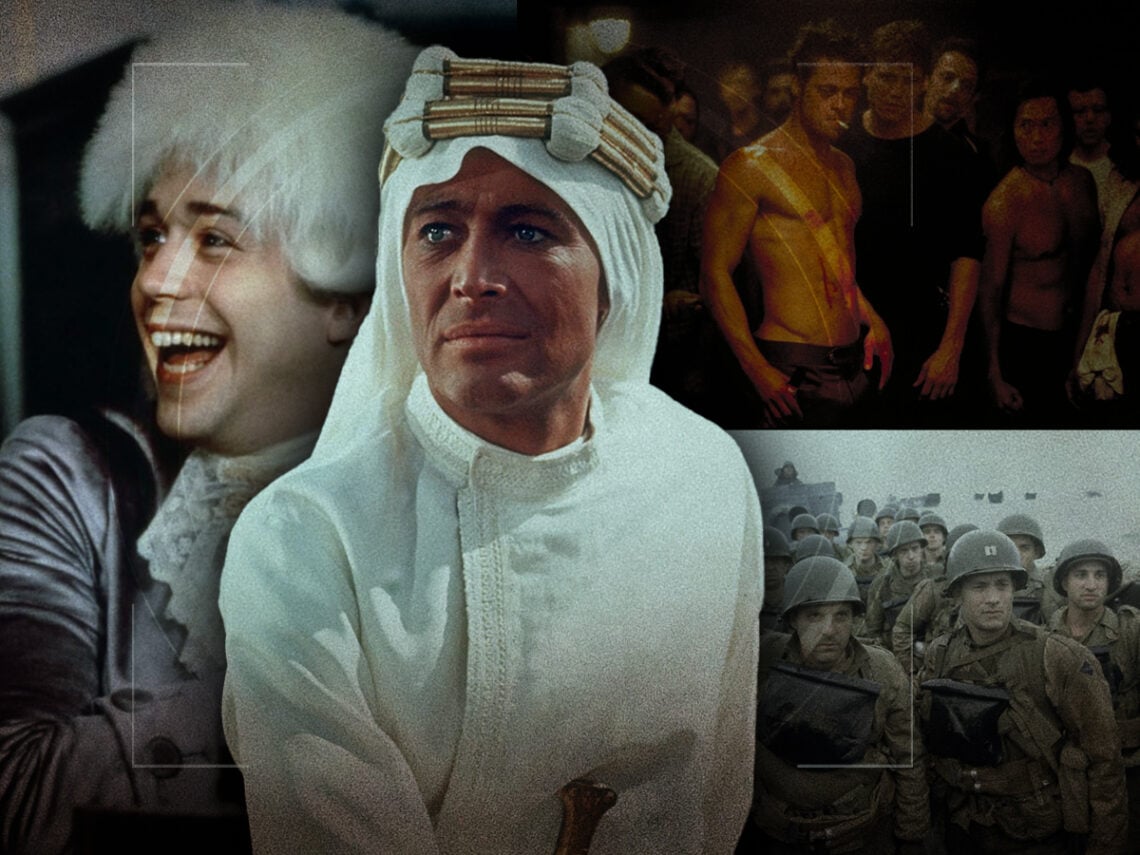
10 movies that gave their ending away in the opening scene

Not every twist ending in a film comes as a complete surprise.
There is nothing that solidifies the success or failure of a film more than how it concludes. The lasting impressions that audiences and critics leave the theatre with are based on how the story wrapped up, and it can colour the thoughts that they had on everything else.
Some films feel disappointing because they ended on an unresolved cliffhanger or on such a dark note that they left viewers with a sour taste in their mouths, while a great ending can turn around what otherwise felt like mediocrity; in the case of recent hits like Hacksaw Ridge and Avengers: Infinity War, amazing third acts helped mask the fact that these films were otherwise pretty boring.
However, a clever plot twist is always the most exciting because it forces the viewer to rethink everything that they just watched, and these became more of a talking point thanks to the success of 1990s films, such as The Usual Suspects and The Shawshank Redemption. Yet, plot twists have existed for far longer, with Citizen Kane being the most famous for its “Rosebud” revelation.
Some audiences like to view films like puzzles that they can solve, but often the answer might be hiding in plain sight, for anyone paying close attention can realise that films often show their hand early on, indicating how they will wrap up through clues in the opening scenes.
10 movies whose opening scenes gave the ending away
‘The Thing’ (John Carpenter, 1982)
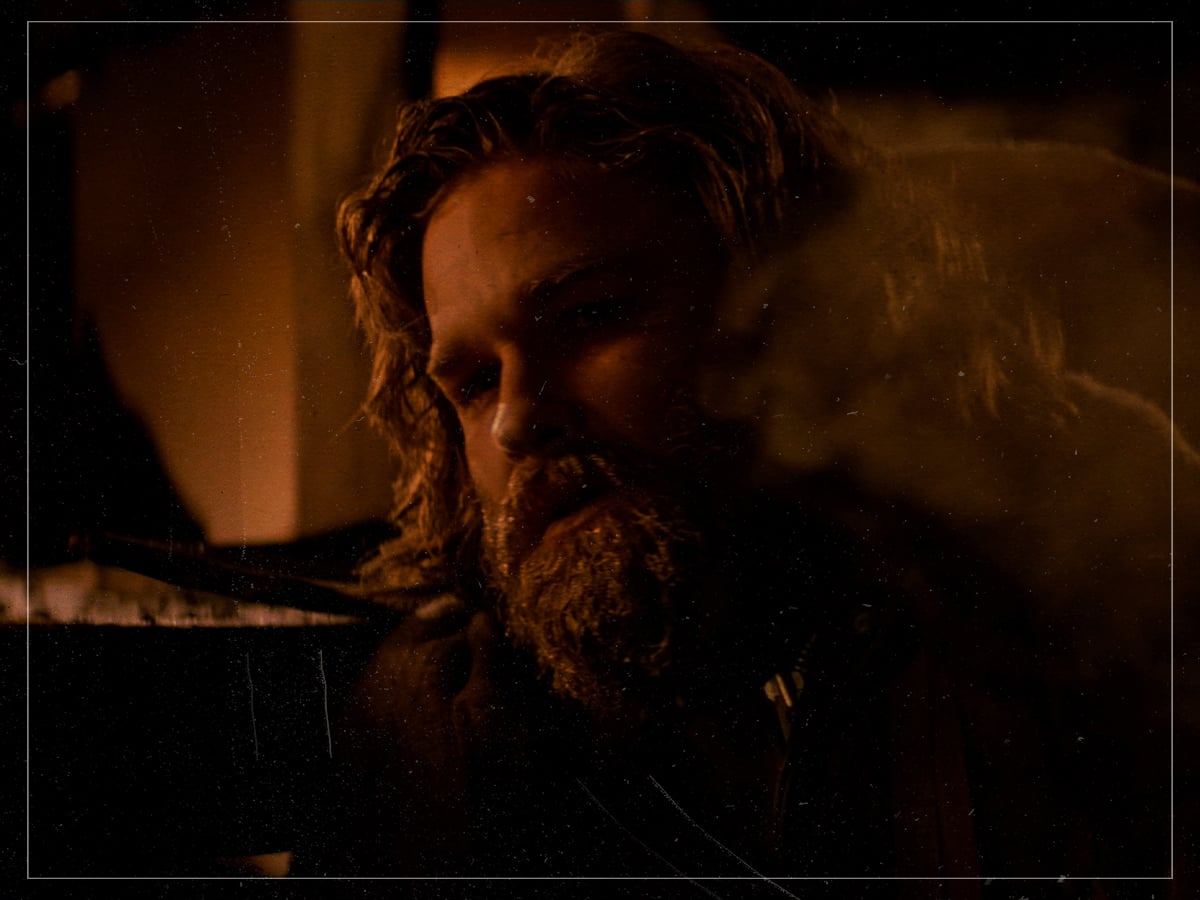
John Carpenter has never been more validated than he was with The Thing, a remake of 1951’s The Thing From Another World that was released in 1982. Although it was dismissed by critics and ignored by audiences at the time, The Thing has retroactively been appreciated for the brilliant choices that Carpenter made.
At the beginning of the film, a Norwegian pilot is found by Donald Moffat’s Garry, Kurt Russell’s RJ MacReady, and Keith David’s Childs while he is chasing after a dog. The Americans shoot the pilot because he appears to be crazed, but he is actually saying “Stay the hell away” and “That’s not a dog” in Norwegian, as a means of warning them that the animal that they’re about to take in with open arms is actually the titular ‘thing’ that can transform its appearance and become a hunter.
‘The Sixth Sense’ (M Night Shyamalan, 1999)
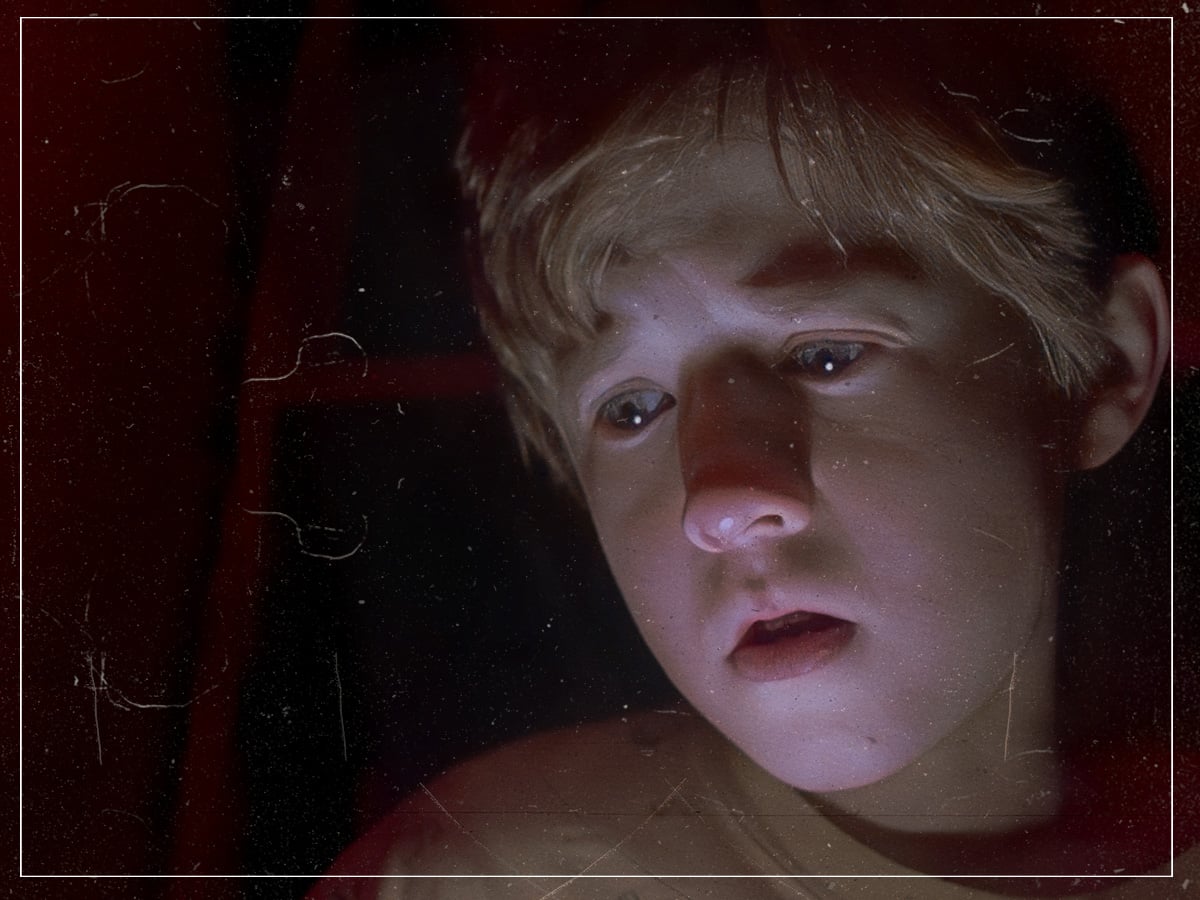
M. Night Shyamalan would later be criticised for relying on plot twists, but part of the reason he is so dependent on them is because of how well they worked when he made The Sixth Sense, his most successful film at the time. The film opens with Dr Malcolm Crowe, played by Bruce Willis, being shot and killed, but Shyamalan doesn’t show the last few moments in which he succumbs to his wounds. The rest of the film shows Malcolm’s ghost continuing in his daily life without anything unusual happening, as he doesn’t realise until after helping Haley Joel Osment’s Cole that he is actually dead.
Shyamalan’s editing is deceptive, but those paying attention would notice that there’s no possible way that Malcolm could have survived the mortal wound, and thus the twist of him realising that he was dead the entire time isn’t a surprise at all.
‘Donnie Darko’ (Richard Kelly, 2001)
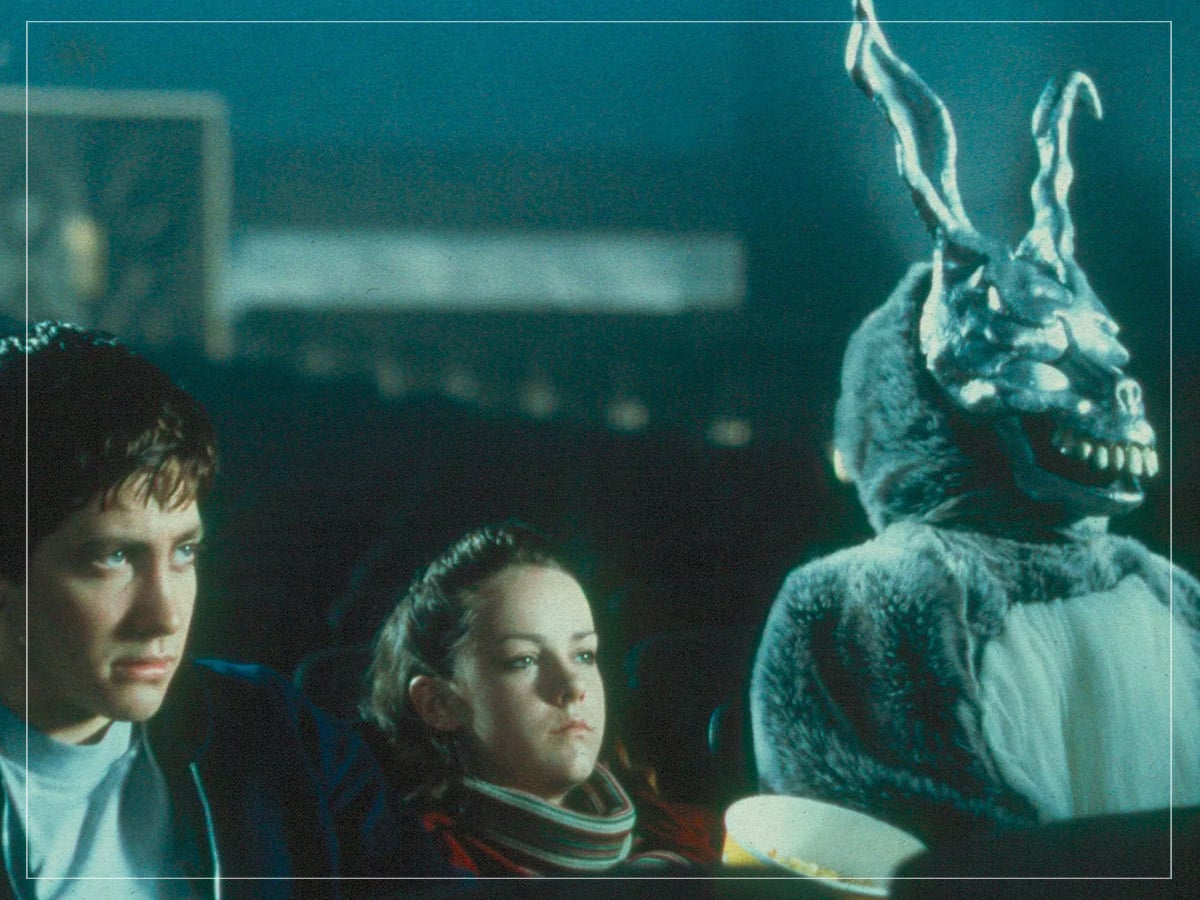
Richard Kelly created an instant cult classic with his debut feature, Donnie Darko, which has subsequently been analysed intently by cinephiles and actual scientists alike because of what it says about time travel. The film opens by revealing that a plane crash occurred in the neighbourhood of the titular protagonist, played by Jake Gyllenhaal, who was guided away from being in his room (which would have been fatal) by a mysterious figure he only knows as Frank, later revealed to be another young man played by James Duval.
It’s after Donnie’s survival that things immediately start becoming strange, suggesting that the timeline was altered. This makes it clear what the opening scene was really hinting at: Donnie has to stay in his room on the night of the accident in order to sacrifice himself, and thus preserve the sanctity of the timeline.
‘Memento’ (Christopher Nolan, 2001)
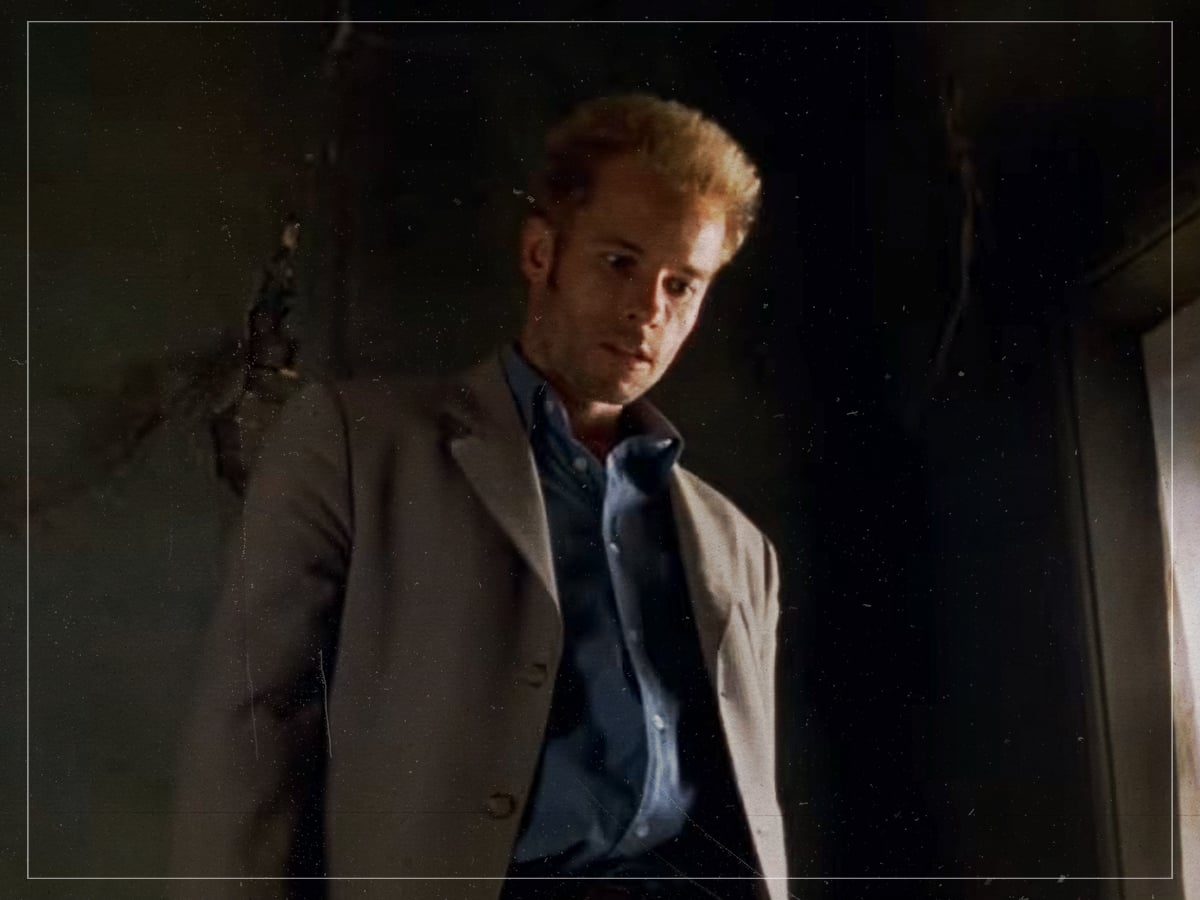
Christopher Nolan has had a longstanding interest in the manipulation of time, and no film better utilised non-linear storytelling than Memento, which turned him from an indie director to a recognisable name. The film opens with Leonard Shelby, played by Guy Pearce, searching for the man responsible for killing his wife, but due to his short-term memory loss, the rest of the story proceeds in reverse-chronological order.
It’s later revealed that Leonard is on a self-created loop to find the killer, as he restarted the cycle in order to give himself purpose. This changes the context of the first scene and gives it a new meaning, where it’s not the beginning of an adventure, but a sad indication that Leonard cannot accept the past and has literally doomed himself to repeat it by keeping himself in the dark.
‘Saving Private Ryan’ (Steven Spielberg, 1998)
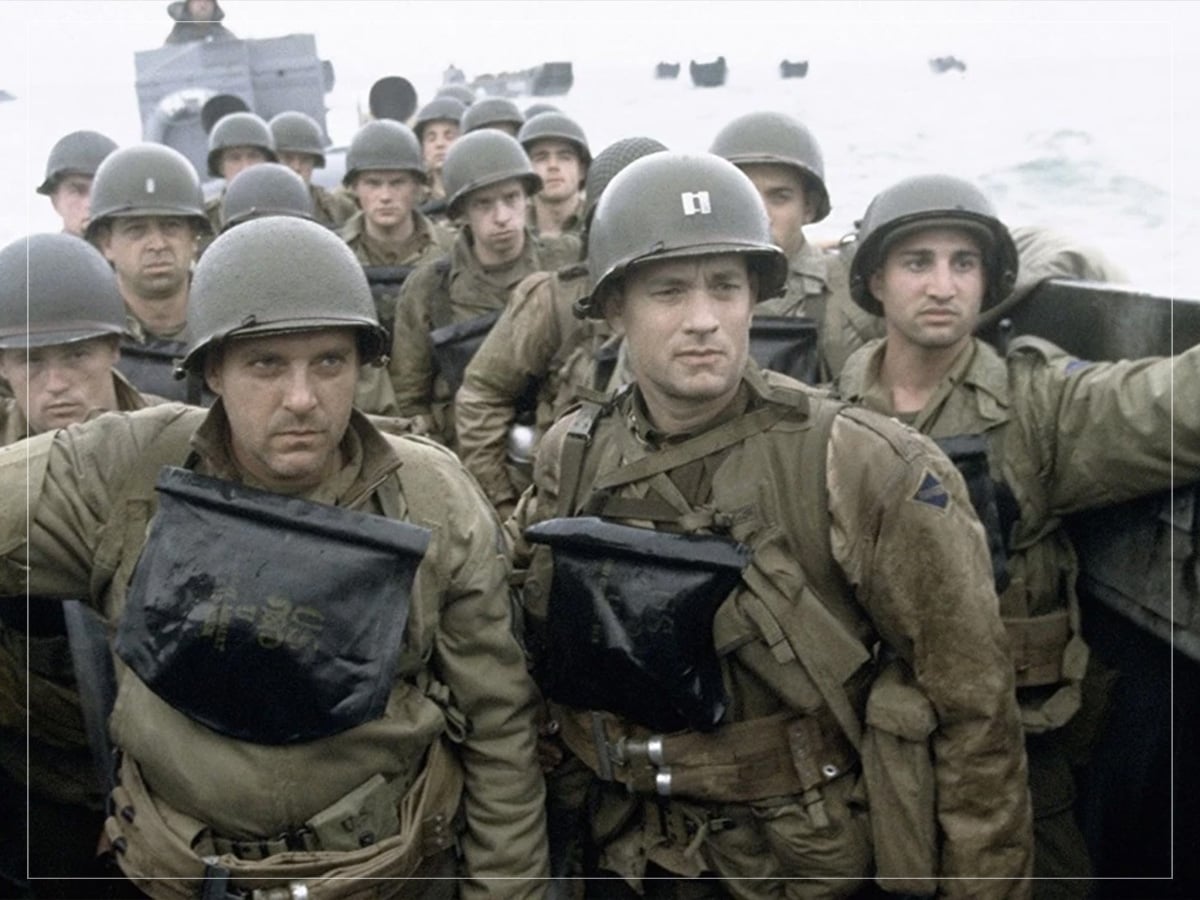
Steven Spielberg took extensive measures to ensure that Saving Private Ryan was as accurate as possible, as he wanted to make the film a tribute to the real service his father did during World War II. A somewhat controversial aspect of the film is the opening and ending scenes, which feature an older man, played by Harrison Young, visiting a cemetery where his fellow soldiers were buried, and it is set in the present time.
Although it might seem at first that this character is Captain John Hiller, played by Tom Hanks, the character next introduced during the D-Day scene, it is later revealed that he is an older version of Private Francis Ryan, played by Matt Damon, the only survivor of the battle in Ramelle. Even though Ryan feels guilty about being the reason that the other men died, Hiller tells him to “earn this”, which prompts him to live on long enough to remember his fallen brothers.
‘Lawrence of Arabia’ (David Lean, 1962)
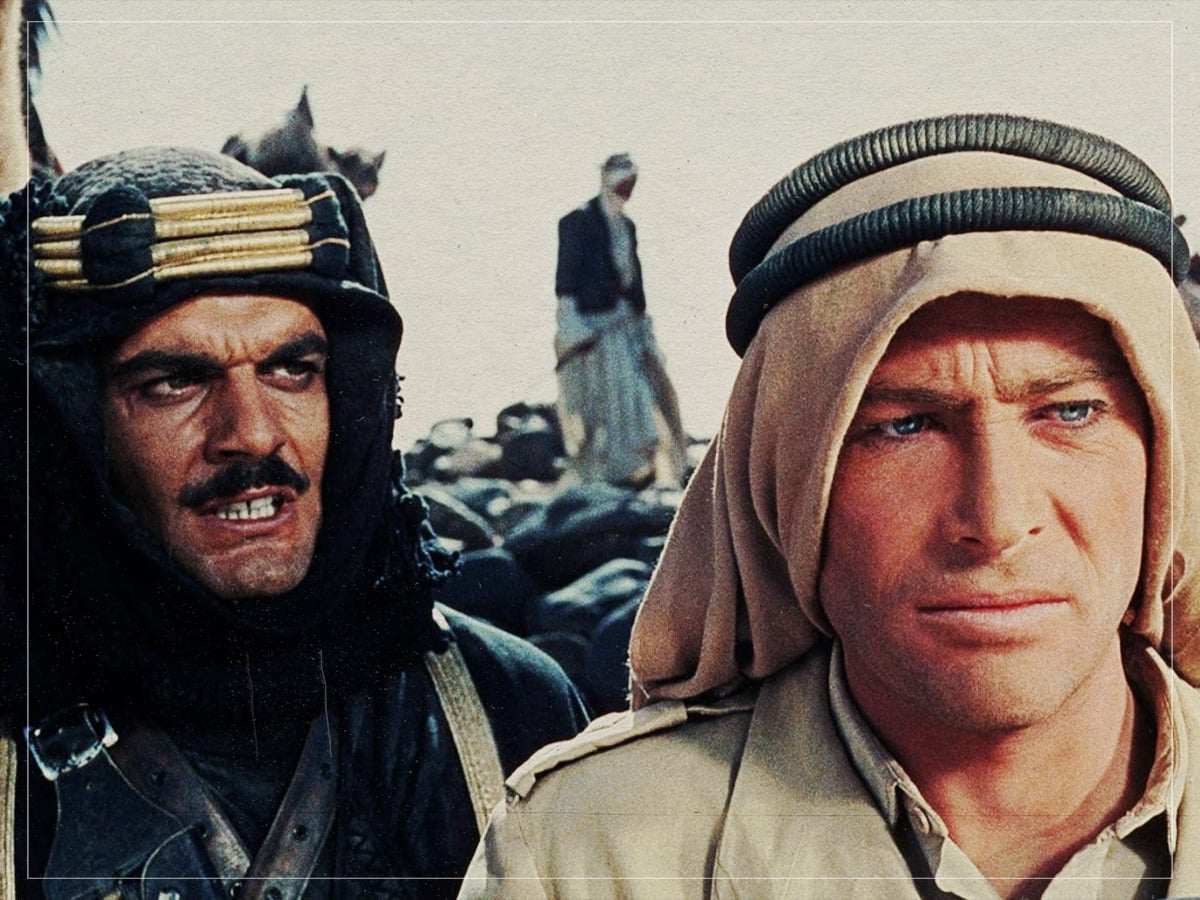
David Lean has twice directed a film that won the Academy Award for ‘Best Picture,’ and Lawrence of Arabia is not only the better of the two, but among the greatest ever winners in the category. As is often the case with epic biopics, Lawrence of Arabia begins in the near-past by explaining how its subject, played brilliantly by Peter O’Toole, was killed in a motorcycle accident, and how his death is dismissed because many other members of the British military disliked him.
It’s up to the rest of the film to explain why this is the case; Lawrence of Arabia depicts its protagonist as a brave, brilliant tactician who was also burdened by ego, and how his clarity of purpose, while uniting the Turkish forces in World War I, put him in conflict with some of the other veterans of the Allied Powers.
‘Fight Club’ (David Fincher, 1999)

David Fincher saw Fight Club transform from a misunderstood masterpiece, hated by critics at the time, into a celebrated classic of modern cinema, even if some of its biggest fans are missing the point. The film begins in the most shocking way imaginable because it opens with the narrator, Edward Norton, with a gun inside his mouth.
It might initially seem like this is a fantasy that he is dreaming about as he listens to his manager drone on in boring conversations, but the end makes it clear that this is his destiny, as he plans to kill himself after setting off explosions. This is complicated even further because the narrator isn’t actually trying to kill himself, but to purge his alternate identity (played by Brad Pitt) from his mind so he can be the real, singular version of Tyler Durden.
‘The Irishman’ (Martin Scorsese, 2019)
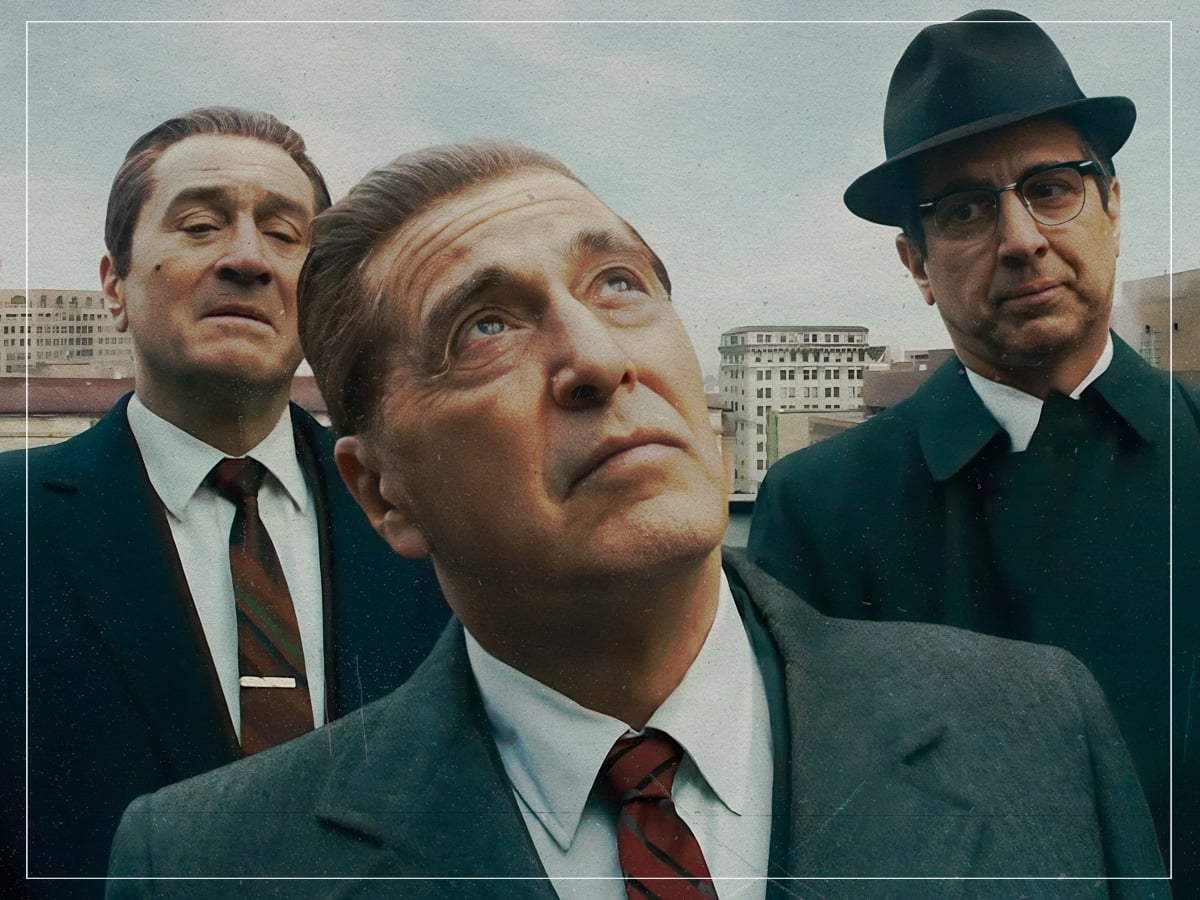
Martin Scorsese has made so many films about the mafia and the criminal underworld that he needed to direct The Irishman to serve as a concluding chapter that explored the realities faced by these violent men after a lifetime of selfish behaviours. The beginning of the film features an older Frank Sheeran, played by Robert De Niro, and Joe Pesci’s Russell Bufalino in an elderly care facility, where they explain their lives as criminals throughout the 20th century.
It’s an indication of where they will end up, but it’s through the context of the film itself that their fate is fleshed out in more detail. It was a result of his cruelty and ruthlessness that Frank fell out with his family, which made it so that he would end up in a nursing home, with no one to care for him during his final days.
‘Clifford’ (Paul Flaherty, 1994)
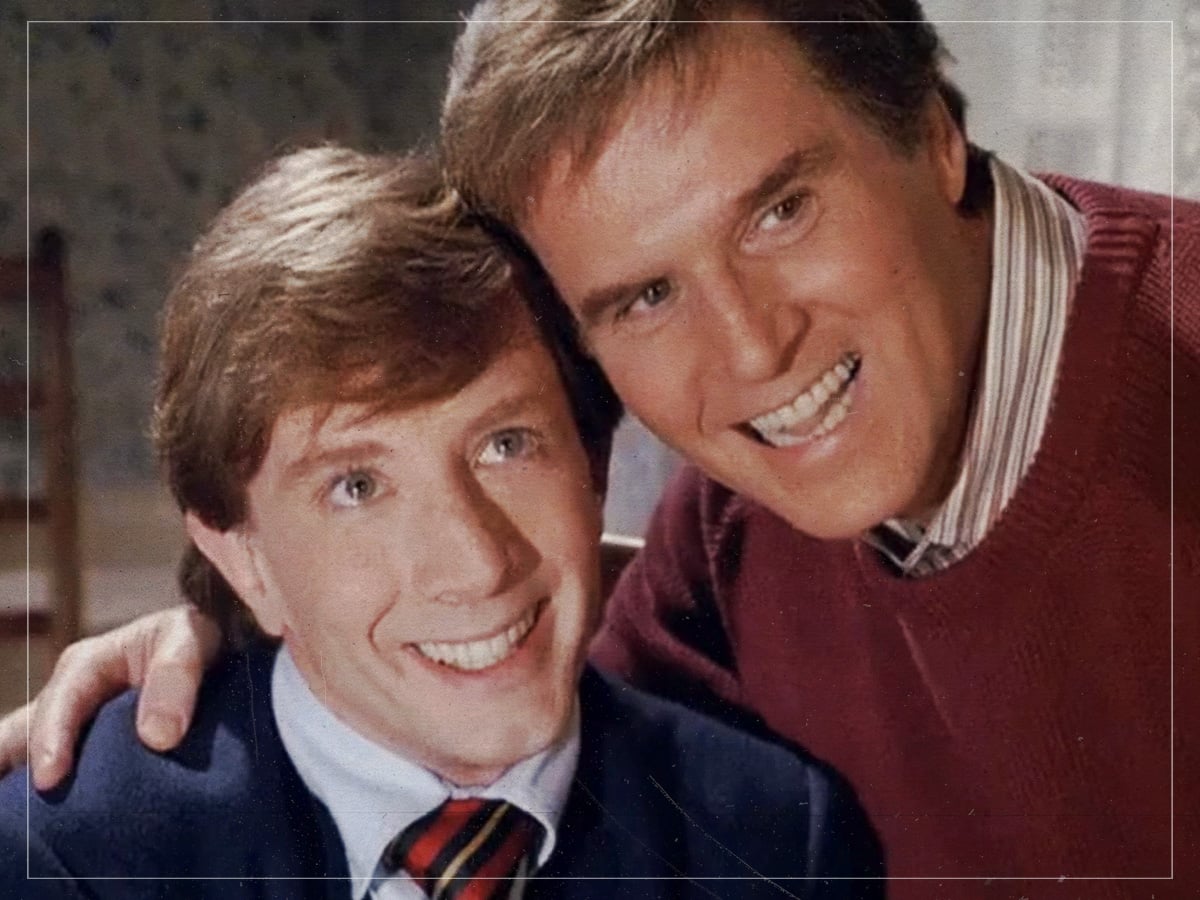
Clifford is one of the most disturbing, unusual, and nearly surrealist experimental dark comedies ever made, and has turned into a bit of a cult classic in the years since its release; while Roger Ebert gave it a rare 0.5 out of four-star rating, Nicolas Cage praised it as a masterpiece. Clifford starred Martin Short, who was 37 at the time, as a ten-year-old boy whose insistence on going to a dinosaur-themed amusement park drives his Uncle Martin, played by Charles Grodin, crazy.
The sight of Short pretending to be a young boy is disturbing enough in its own right, but the film also opens with a flashforward to the future, set in 1950, where Clifford has become a priest and is now passing along his story to the students in a Catholic school. The makeup used to make Short an elderly man is equally frightening.
‘Amadeus’ (Miloš Forman, 1984)
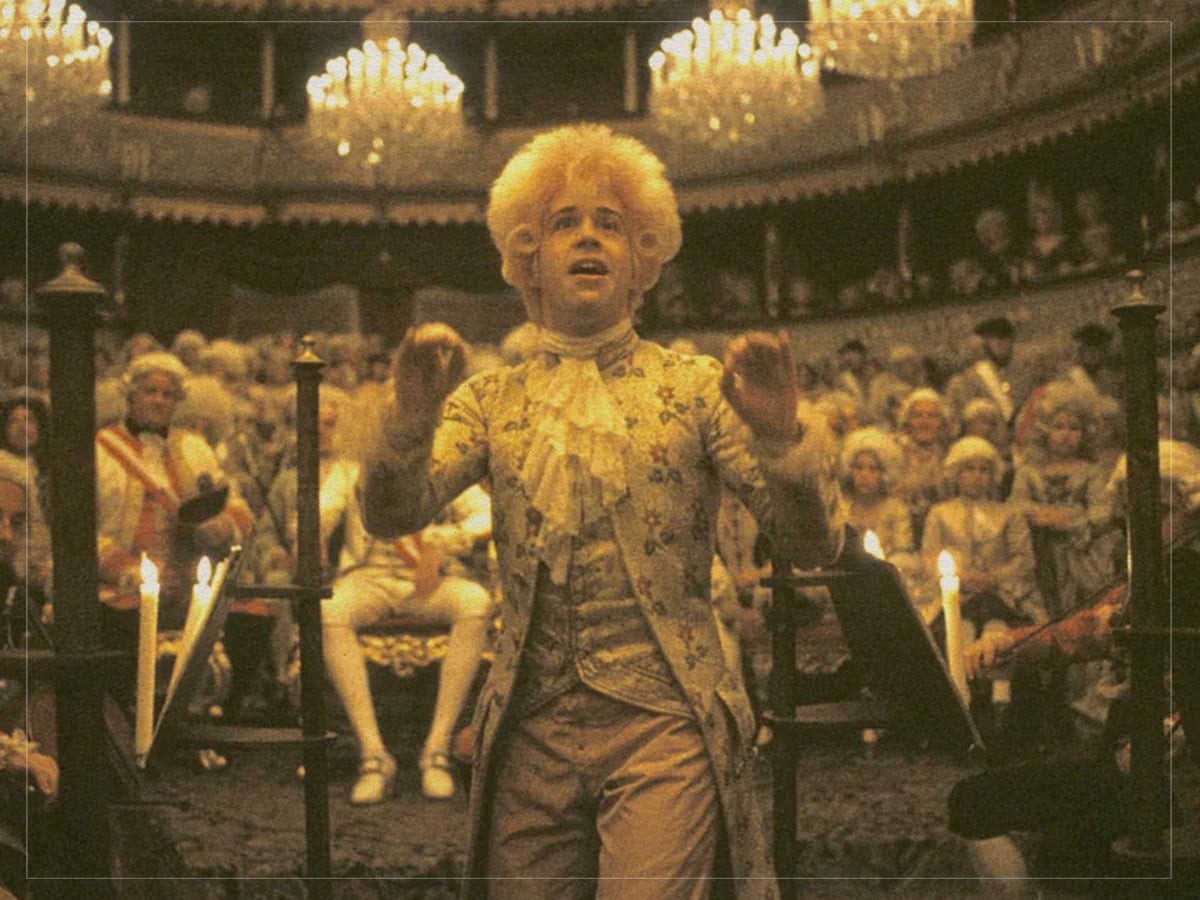
Miloš Forman‘s biopic, Amadeus, is one of the greatest movies ever made, exploring the one-sided feud between the genius composer Wolfgang Amadeus Mozart, played by Tom Hulce and Antonio Salieri, played by F Murray Abraham, the court composer to Holy Roman Emperor Joseph II. The film begins in 1823 to reveal that Salieri has attempted suicide, and reveals during a confession that he was the one who killed Mozart.
The rest of the film explores the events that lead Salieri to this moment of anguish, where we see how hard he had worked to become the most powerful composer in the Empire, but could not understand the inherent genius of Mozart, which led to years of professional jealousy. Although Salieri eventually kills Mozart in order to destroy the competition and be the single source of musical brilliance in the Empire, he remains bitter and unresolved as he grows older, as he knows that he will never be better than the man he murdered.
