


10 movies so sad you can only watch them once

To watch a film is to live another life, and many of us retreat to the cinema to gain another person’s perspective, seeing the world in a new way and emerging with a fresh lease on life. Some of us prefer to escape into the joy of another life, watching uplifting films that renew our spirit and sense of optimism.
However, while some films are created to reinvigorate hope, there are some that deplete us of it and drain it from the depths of our souls, leaving us feeling cynical and emotionally depleted. We might watch an animated Disney film and feel a deep pang of sadness for the cruel life of Bambi, or it could be the ending to The Florida Project that leaves us in an eternal state of worry about the future of the children in the film.
Despite the fact that these viewing experiences can enrich our understanding of the people around us, they are sometimes so harsh that we can only bear to watch them once or split up into chunks as we watch their sadness unfold in chapters.
While some of these films can be rewatched and enjoyed, there are some that are too sad to ever be watched again.
10 movies so sad you can only watch them once
The Elephant Man (David Lynch, 1980)

With the passing of David Lynch, many film lovers have been reflecting on his work and the stories that have impacted them most. While I could rewatch Twin Peaks over and over again and puzzle over the cryptic layers of Mulholland Drive, I’m not sure if I could muster the strength to rewatch The Elephant Man despite the slight undertone of hope that pervades its misery.
The Elephant Man is a story about kindness and cruelty, charting the life of a disfigured man who is treated as a freak show by the people around him who taunt him for being a monster. But Lynch points a finger at who the true monster is and our inability to accept and welcome the differences of other people, afraid of anyone who doesn’t fit in. It feels like an empathetic punch to the gut, awakening us to the worst side of humanity as we watch this beautiful man being alienated and taunted by people who cannot see past their own prejudice.
Mysterious Skin (Gregg Araki, 2004)
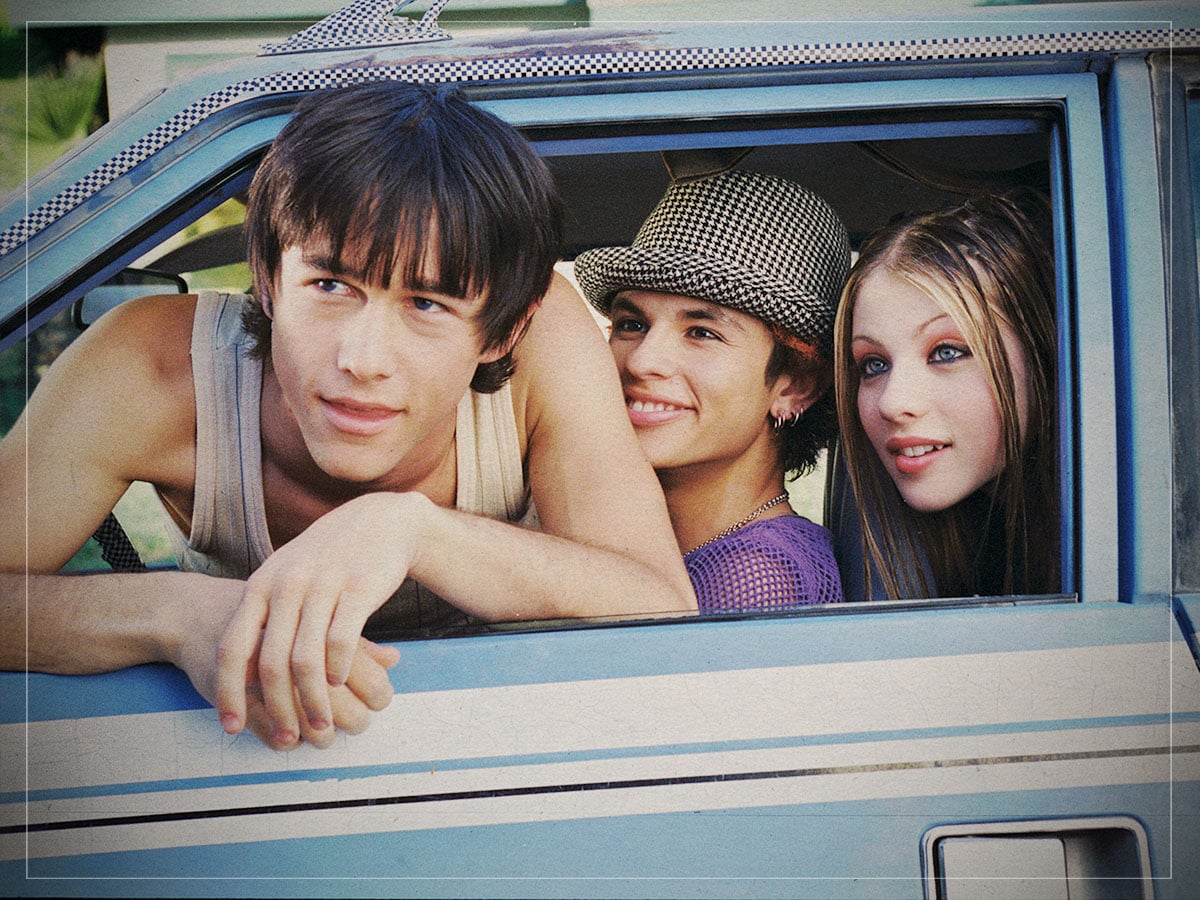
Despite being known for the trippy and absurdist style of movies like Nowhere and Totally F*cked Up, Araki is perhaps most celebrated for his 2004 film Mysterious Skin, which bears many of the same qualities but with a sinister thematic undercurrent. The film follows the intersecting lives of two teenagers who are trying to unravel very different mysteries in their lives before discovering the horrible truth that connects them together.
Through his use of shoegaze and vibrant visuals, Araki captures the manipulative and disorienting nature of abuse, shown through the perspective of two teenagers who have dealt with it in very different ways – one through repression and one through reinvention/expression. The ending captures the simultaneously violent yet innocent mood that haunts the film, leaving you speechless as you sit in the realisation that everything you saw was both a dream and a nightmare.
The Impossible (J A Bayona, 2012)

Tom Holland has possessed undeniable talent and charisma from day one, something that became obvious after his role in the 2012 film The Impossible, which follows a family who are victims of the 2004 Thailand tsunami. Despite the fact that disaster flicks could not be further from my cup of tea, it is impossible not to be moved by this story of resilience and the strength of love, with each family member being separated and fighting to find their way back to each other in the aftermath of something truly terrifying.
There is one scene in particular that never fails to break my heart: Ewan McGregor’s character is finally reunited with his three children. Each of them has been tested to the depths of their limits as they struggle to find each other and maintain hope in the wake of tragedy.
The Hunt (Thomas Vinterberg, 2012)
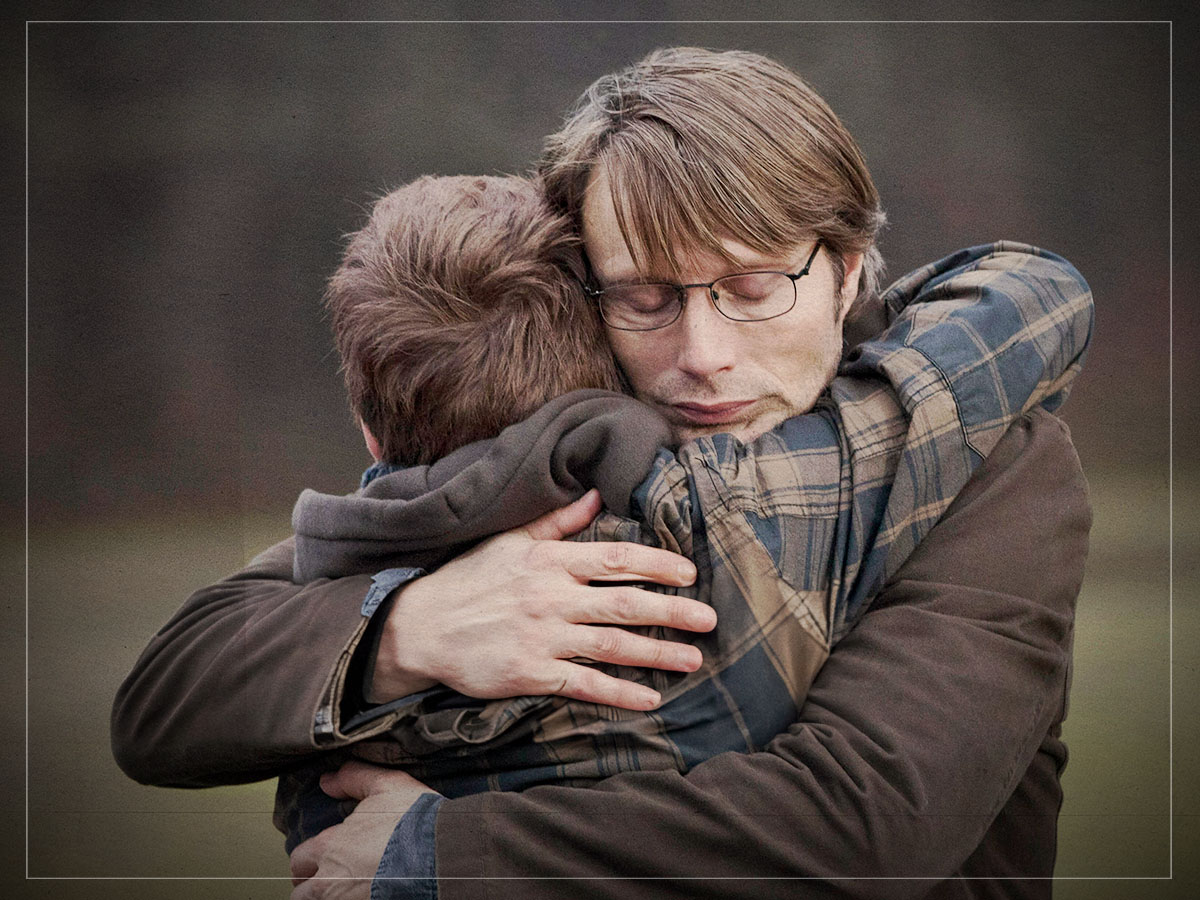
Thomas Vinterberg is known for deeply cynical and nihilistic films, often highlighting the dysfunctional people all around us and the traditional systems that fail us. However, while films like Festen and Another Round are certainly challenging to watch, The Hunt is uniquely painful due to its lack of satire or comedy, making for a heavy and eerily relevant watch. The story follows a lonely teacher in the midst of a custody battle whose life is suddenly shattered by an innocent lie told by a child.
Vinterberg explores the idea of truth and subjectivity, showing how words can be twisted and the effect of mass hysteria, something that is particularly prevalent in our current state of politics. It is a horribly uncomfortable watch, with the character being subjected to relentless cruelty after being accused of a crime in a small town, leaving you feeling enraged and emotionally drained as you watch this man scrambling to defend his life and very existence.
Boys State (Amanda McBaine, Jesse Moss, 2020)
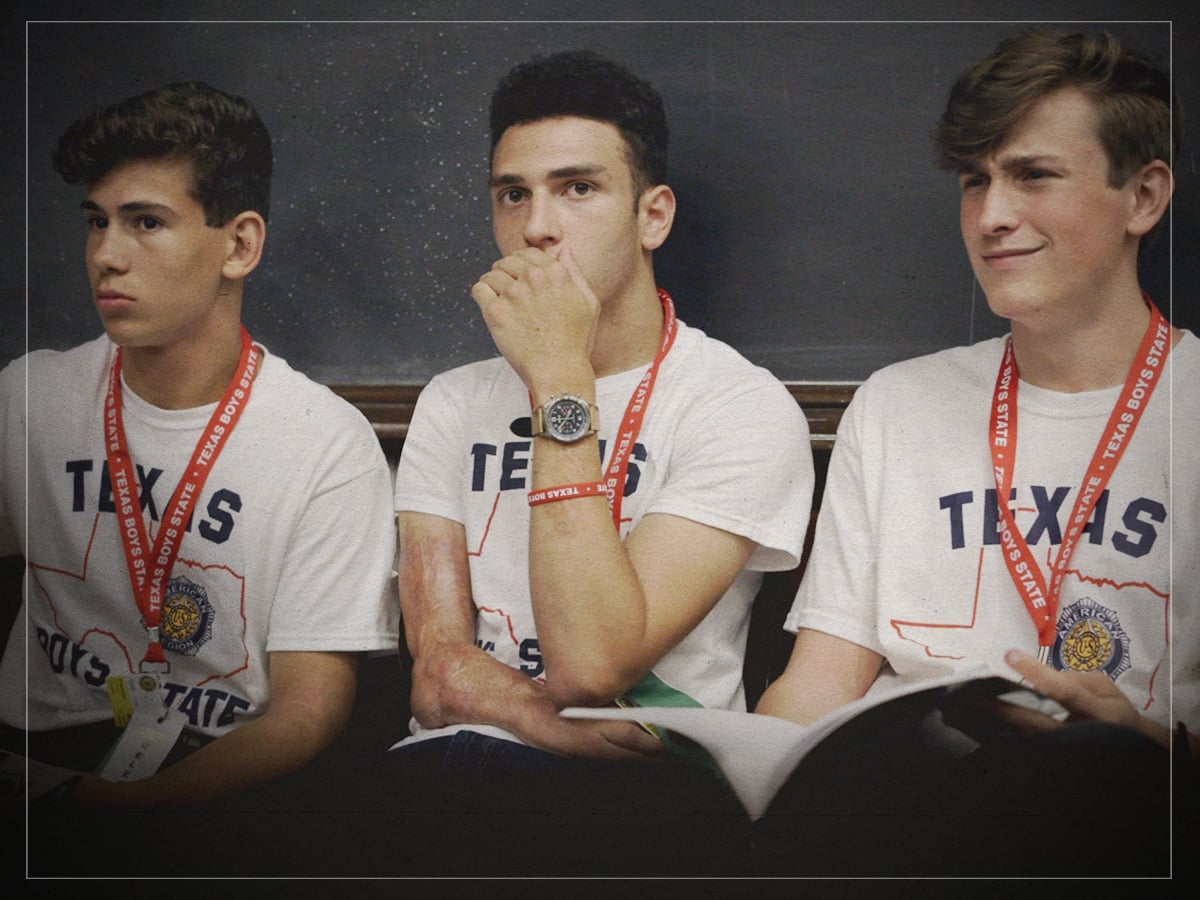
There couldn’t be a better time to revisit Boys State, even if it’s a hard watch. The documentary follows a group of teenage boys who are sent to a Texas summer camp, where they are given the challenge of building a representative government from the ground up. As all these young men gather together, we see the stark clash of values that lies at the heart of American politics, watching the way that certain people are brainwashed into aligning with oppressive ideology that restricts the freedom and rights of other people.
It perfectly highlights the political divide in America today and what happens when we give too much power to people who don’t have empathy for people less privileged than they are, leading them to make decisions based on greed, power and their own egos. It is hilarious, horrific and hopeful at the same time and shows the need for compassion in politics and how our democracy could look if we tried a little harder to listen to each other.
Close (Lukas Dhont, 2022)
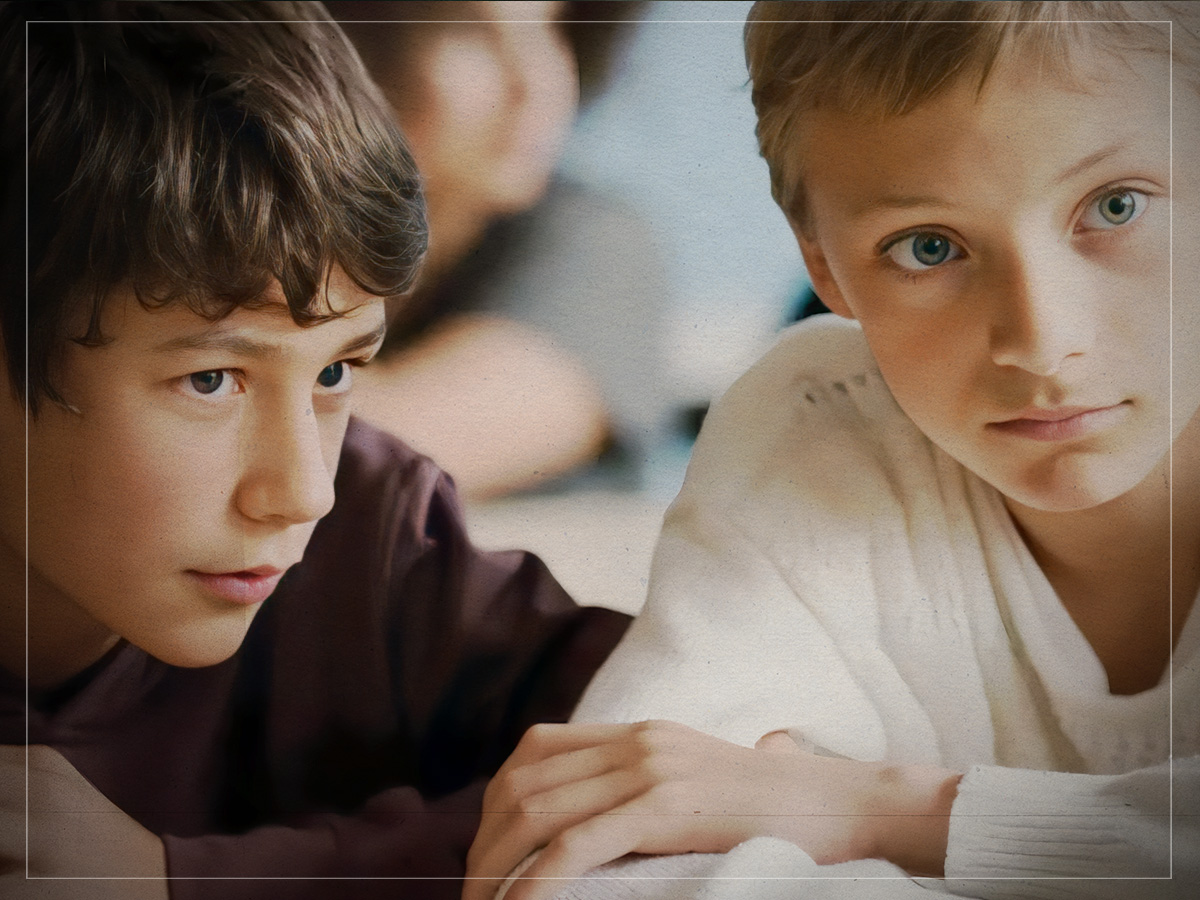
While I am certainly not the biggest fan of this film, I can say that I watched it on a particularly sensitive day and induced one of the most intense crying fits I’ve ever had. The director comments on the limiting gender norms that restrict men and boys in their ability to create intimacy with their friends, following two close friends who are driven apart after being bullied for their friendship and called homophobic slurs. This leads to a tragic event that forever shapes their lives and forces us to think about the damage caused by the patriarchy on our relationships.
Despite making some questionable narrative choices that bordered on misery porn and made use of dated queer storylines, I can’t deny that it had an intense emotional impact on me and led me to cry so much that I had to apologise to the people in the audience around me. Fond memories, truly.
Beautiful Boy (Felix Van Groeningen, 2018)
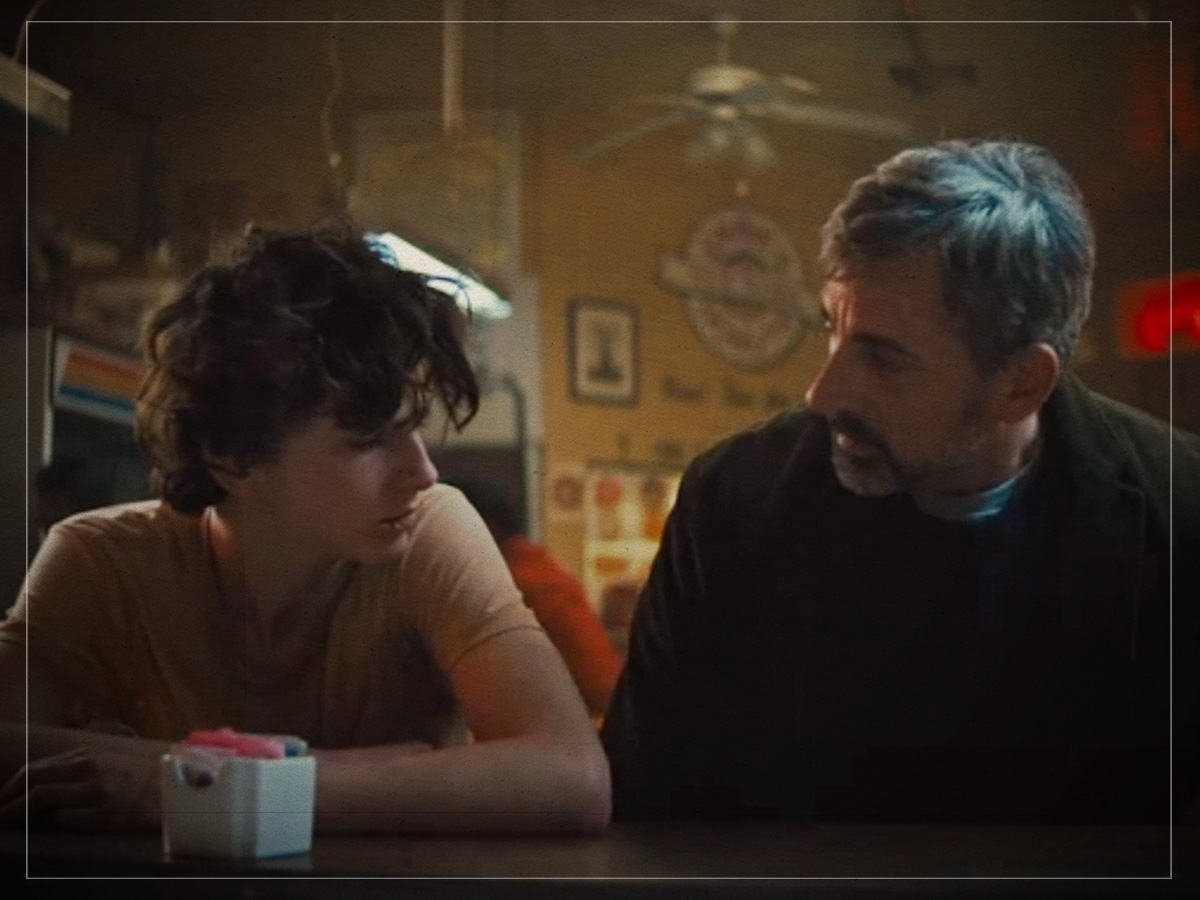
Beautiful Boy is a film I would gladly never watch again due to the sobering state of depression it induced that lasted for the entire length of the picture. Timothée Chalamet had a staggering streak of performances during the beginning of his career, starring in Call Me By Your Name and Lady Bird in the same year and demonstrating a level of emotional maturity that felt wise beyond his years.
However, while I’d gladly rewatch his other performances from that year, Beautiful Boy is not one I could muster the strength to watch again, charting the true story of Nic Sheff and his struggles with addiction, as well as the impact that this had on his family over the years. It is emotionally eviscerating, hopeful, and destructive at the same time, with a performance by Chalamet that marked him as one of the most talented performers of his generation.
Kramer vs Kramer (Robert Benton, 1979)
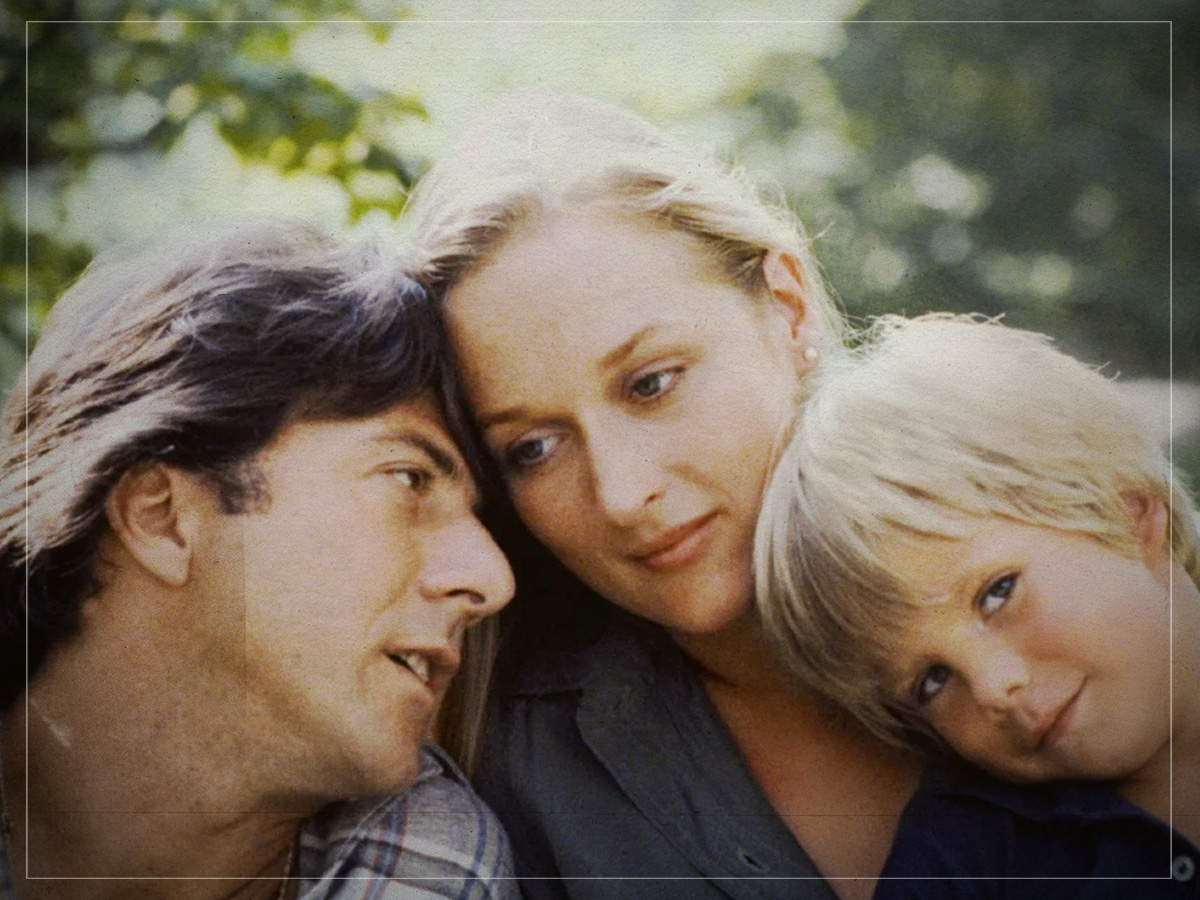
There’s nothing more satisfying than good character development, but in the case of Kramer vs Kramer, there is nothing more depressing. After a messy divorce in which his wife runs away from town, Ted Kramer, played by Dustin Hoffman, finds himself becoming a full-time Dad and confronting the ways he had neglected his family and been an absent parent. After spending time with his son in a meaningful way, Ted realises in his own way that the patriarchy is equally as oppressive to men, discovering the joy and fulfilment he had missed out on by internalising the idea that men shouldn’t be involved within the home and the lives of their children.
However, the life he creates with his son soon comes to an end when his wife wins the custody battle, with one heart-wrenching scene as Ted and Billy make french toast together for the last time. Both are completely silent as they do so, beautifully contrasting a scene at the beginning of the film in which this routine is messy and chaotic, showing how they have honed their routines and found a new way of life together that will shortly be torn apart.
Ordinary People (Robert Redford, 1980)

There are some writers who look down on the use of therapy as a narrative device in movies, seeing it as an easy cop-out to convey the inner world of the character. However, in the case of Ordinary People, the film uses this technique in a beautiful way to articulate the process of grief and Conrad’s journey to forgiveness in the aftermath of trauma.
Donald Sutherland, Mary Tyler Moore, and Timothy Hutton create a suffocating and devastating portrait of one family and the conflicting ways that they deal with the death of a family member. One of them tries to ignore it while silently blaming the other for what happened, one is trying to hold everything together while the other needs to feel their way through the pain, despite the fact that everyone else is trying to ignore it. It is brutally accurate and honest in its depiction of mental illness, with each character becoming increasingly lonely as their reaction to grief only divides them and worsens their pain.
The Quiet Girl (Colm Bairéad, 2022)
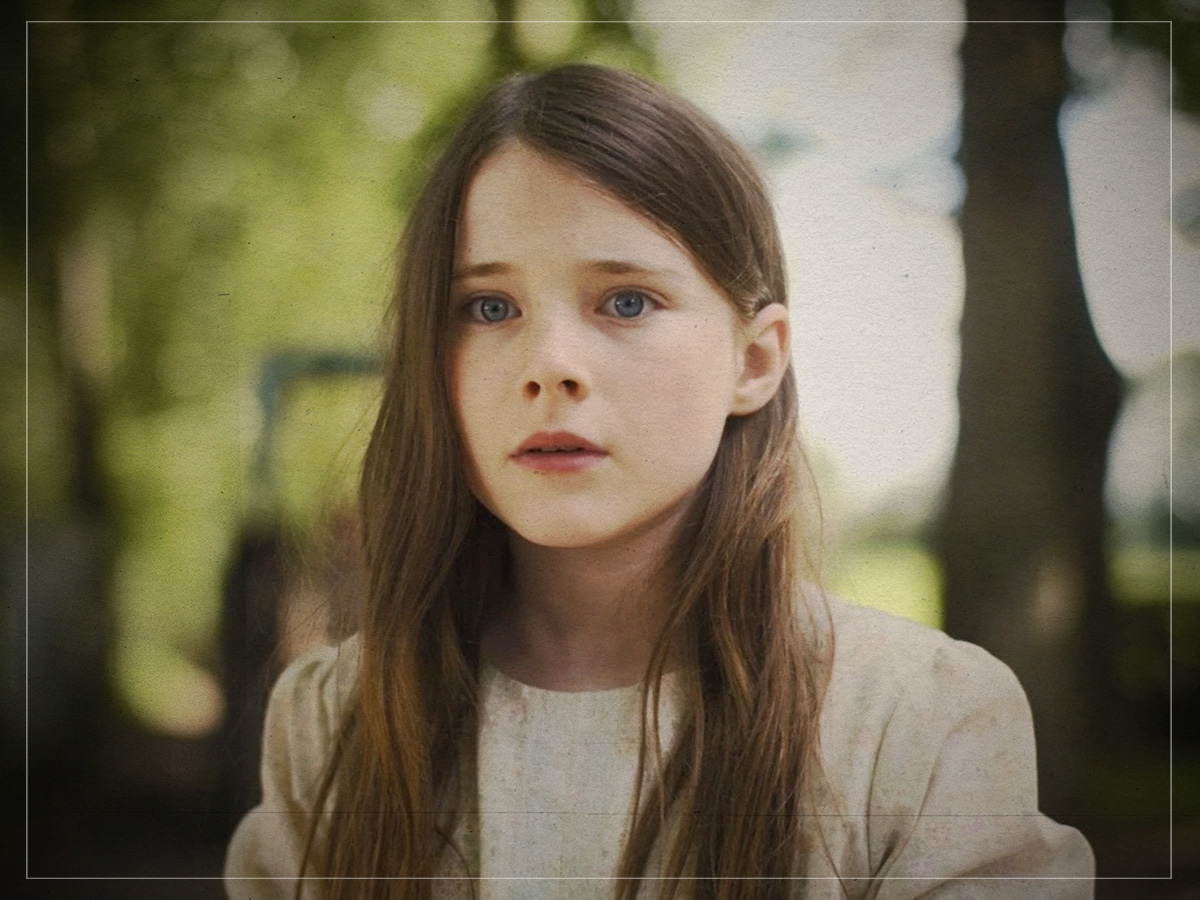
The Quiet Girl is as quietly devastating as its title, following a neglected young girl called Cáit who is sent away from her dysfunctional family to live with some relatives for the summer. After being shown kindness and care for the first time, she transforms and is finally able to feel seen and loved. The film is incredibly deliberate and still, with each scene feeling as though it was hand-placed and created with the intention of heightening each feeling that came before it.
Everything is seen from the perspective of this child, and through this, the audience is able to open their eyes to the power of kindness and how the world around us can flourish when treated with compassion and empathy. It captures the helplessness of being a child and the constant anxiety of growing up in a world where no one has time for you, shunned into silence for fear of speaking out of place and becoming a passive observer of the adults around you. The ending scene is, to this day, one of the most moving sequences I’ve ever seen put the screen, where a shot of a single biscuit will break your heart.
