


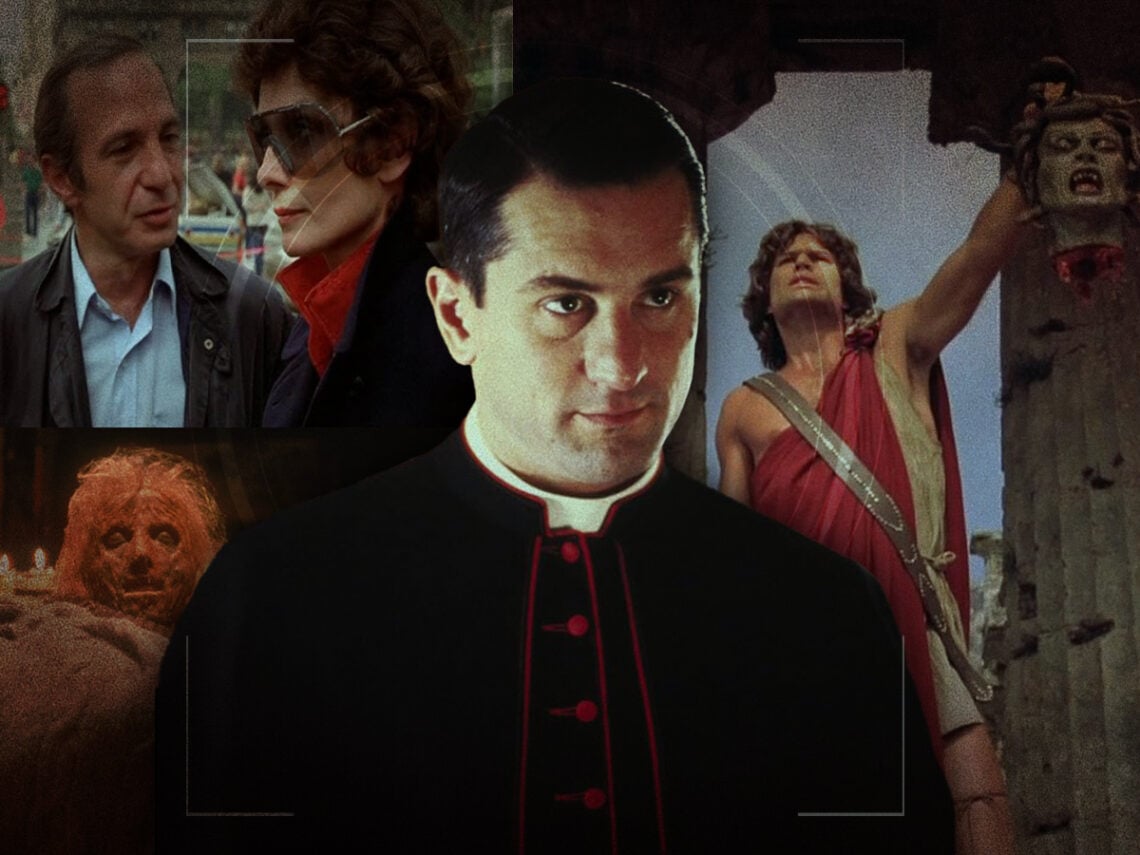
10 movies from 1981 that should be deleted from history

The best films of 1981 made it easy to ignore the major misfires.
1981 marked the official setting of the sun on the New Hollywood era, as it was caught in the aftermath of the disastrous reception to Michael Cimino’s Heaven’s Gate from the previous year. That the director of a film that had won ‘Best Picture’ at the Oscars could misfire with a bomb that destroyed the legendary United Artists studio suggested that the age of innovation and experimentation was over, and that Hollywood was now chasing the blockbuster model of Star Wars, Jaws, Close Encounters of the Third Kind, and Superman.
That doesn’t mean that all of these summer tentpole films had to be mindless, as the release of Raiders of the Lost Ark showed the best of what escapist filmmaking could look like. The year also saw major crossover hits from unusual markets; Chariots of Fire was a major British hit, Gallipoli embodied the Australian New Wave, Reds was among the most politically ambitious American studio films ever made, and My Dinner With Andre showed that average audiences were willing to take a chance on arthouse films.
There isn’t a year without at least a few bad films, but 1981 has a high number of complete disappointments. It’s one thing for a film to simply not be well made, but it’s somehow even worse when it’s created by talented people who showed potential, because it is hard not to compare the end product to the better version that seemed so possible. A truly underwhelming misfire is more worthy of being deleted than a flat-out disaster.
10 movies from 1981 that shouldn’t exist
‘Friday the 13th Part 2’ (Steve Miner, 1981)
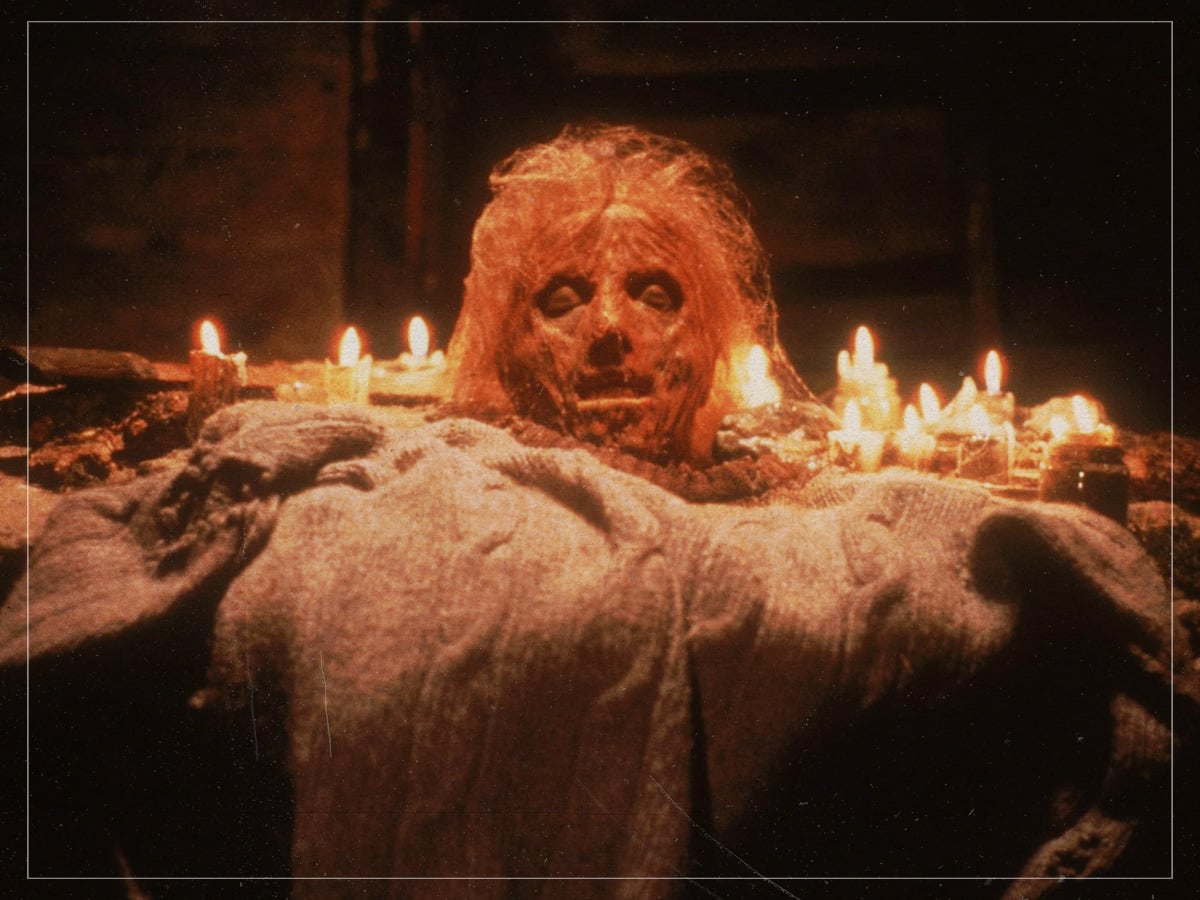
Friday the 13th is neither a good franchise nor is it respected by those who pioneered the slasher genre. There is none of the societal commentary that was present within The Texas Chain Saw Massacre or Halloween, as each of the films is so poorly made that there is little to be impressed with in regards to the craftsmanship.
Friday the 13th Part 2 isn’t the worst in the franchise by a long stretch, but it was responsible for introducing Jason Voorhees as the main villain and setting up an endless continuity that could change at any moment in order to make room for another instalment. The fact that Part 2 was a hit somehow made it even worse, as it suggested that the audience for the films didn’t pick up on the difference in quality between Friday the 13th and the legitimate classics that followed it.
‘The Loveless’ (Kathryn Bigelow, 1981)
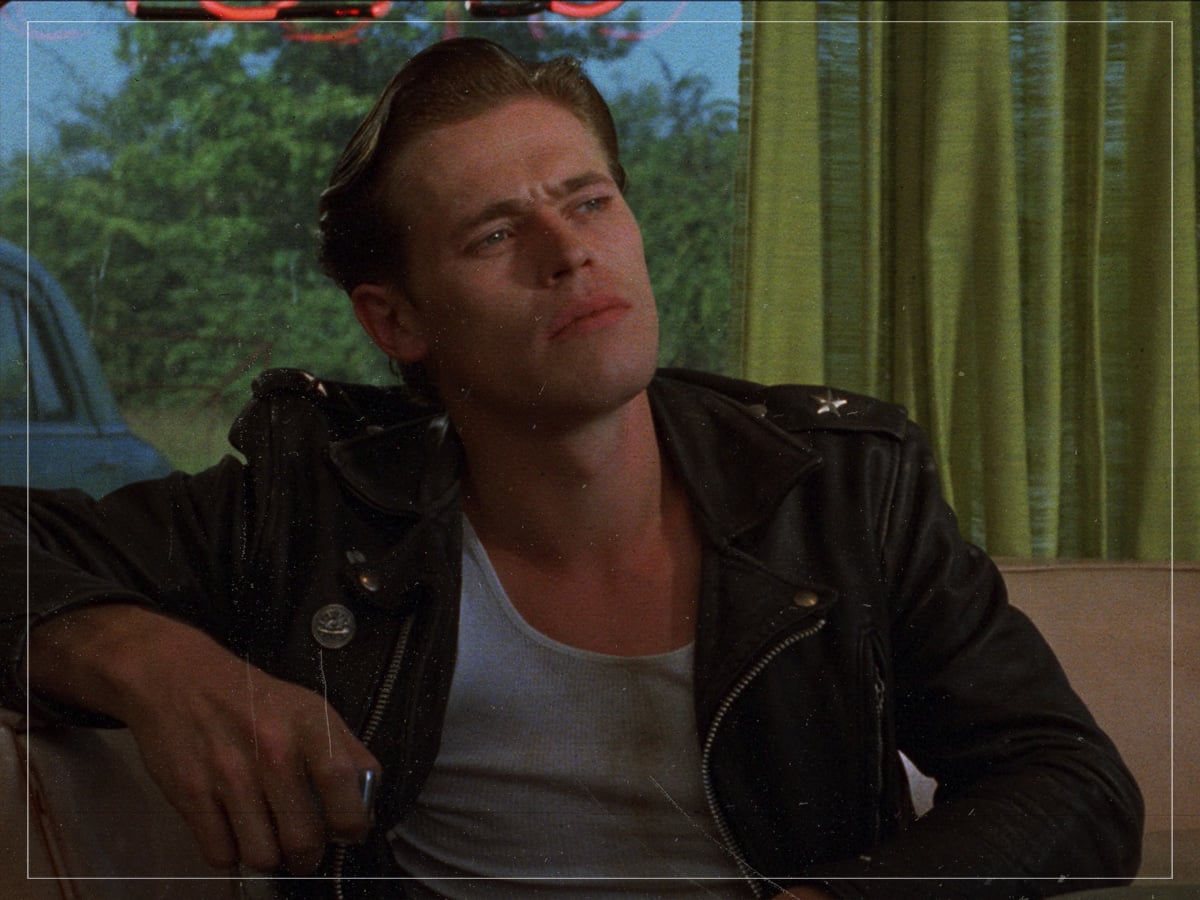
Kathryn Bigelow didn’t make another film for six years after The Loveless, and it’s not all that hard to see why. Even if the film does feature a strong performance from Willem Dafoe (who had the unfortunate pleasure of also being in Heaven’s Gate), The Loveless doesn’t have anything interesting to say with its recreation of ‘50s aesthetics.
Although Bigelow did a good job at recreating the style of biker characters and exploring their outlaw nature, the film has very little going on in terms of plot, and feels like a student short that was unnecessarily expanded. The Loveless may have temporarily stalled Bigelow’s career, which has always felt incomplete because of so many opportunities that she has missed out on. She’s unquestionably a cinematic genius who has set precedents, but The Loveless is only worth watching for true completionists.
‘True Confessions’ (Ulu Grosbard, 1981)
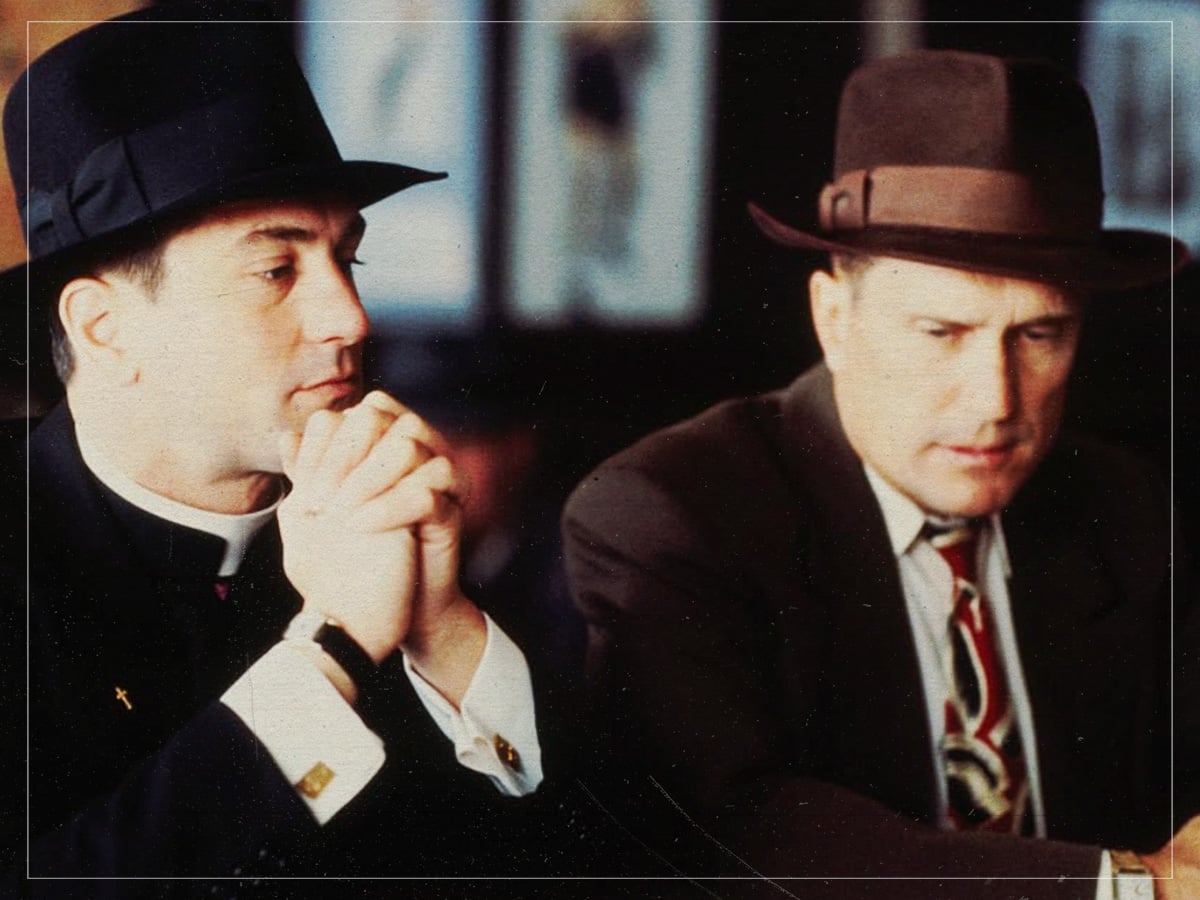
The notion of Robert De Niro and Robert Duvall teaming up in a film was incredibly exciting in 1981, as they had been co-stars in The Godfather: Part II, but didn’t share any scenes with one another because of the split timelines. True Confessions is loosely based on the Black Dahlia murder case, and stars De Niro and Duvall as brothers who work as a priest and police detective, respectively, each of whom reacts to the new development in different ways.
Despite a compelling idea and great actors, True Confessions falls flat; it never develops the necessary tension in order to suffice as an exciting neo-noir, but also doesn’t offer enough story to justify the morose pacing. While the film wouldn’t stand out in most filmographies, it feels completely out of place for De Niro and Duvall, who otherwise had very consistent track records in the ‘80s.
‘Halloween II’ (Rick Rosenthal, 1981)
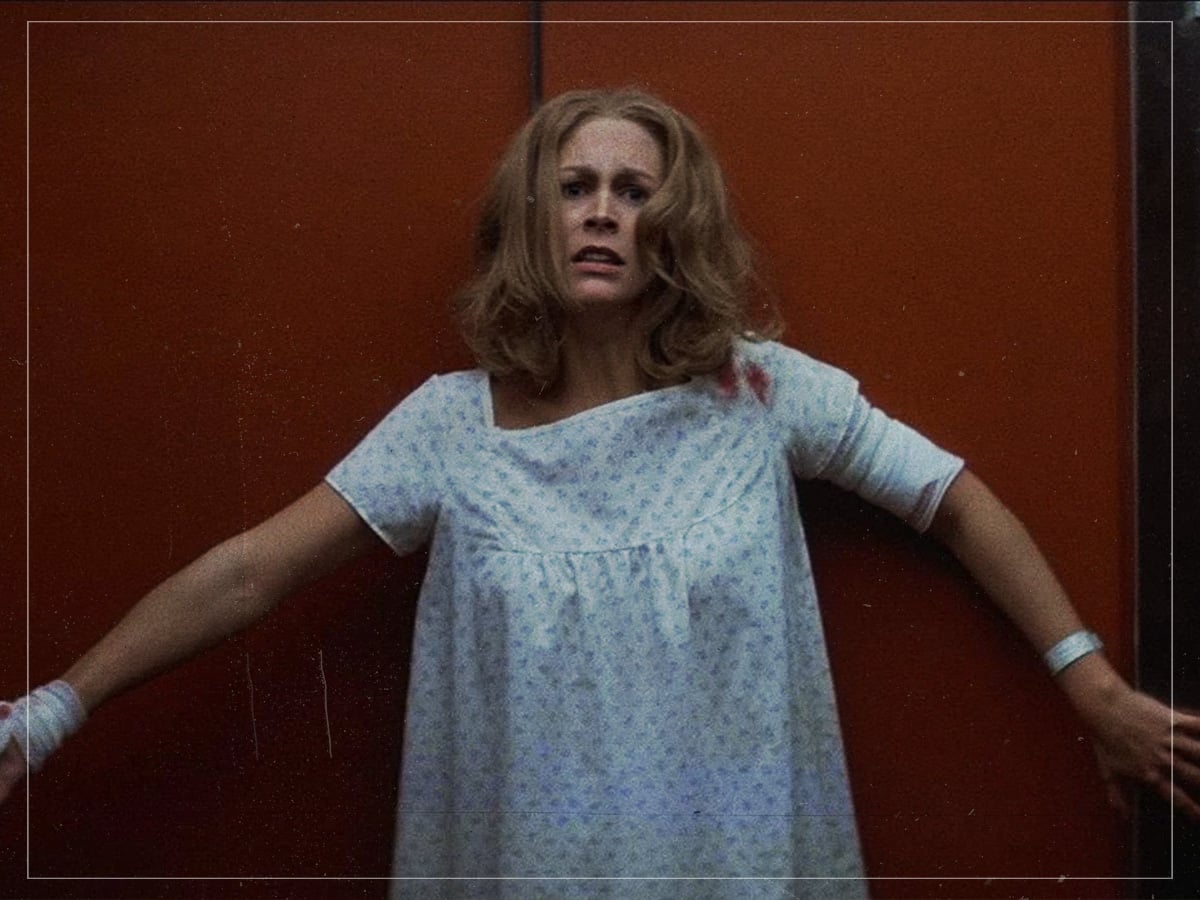
Unlike A Nightmare on Elm Street or Scream, which lent themselves to fun continuations, Halloween has such a perfect and simple premise that any attempt to expand it ends up being needlessly complicated, and Halloween II brought back Jamie Lee Curtis as Laurie Strode, but she is relatively hapless in the film after being hospitalised.
Although Carpenter had originally envisioned the series as being an anthology about different threats, Halloween II developed a twist that revealed Michael Myers was Laurie’s brother, which further screwed up the timeline and created subsequent headaches for the later films. The twist had such damaging consequences on the rest of the series that David Gordon Green would walk it back for 2018’s Halloween reboot, which ignored every film in the franchise since the original.
‘The Four Seasons’ (Alan Alda, 1981)
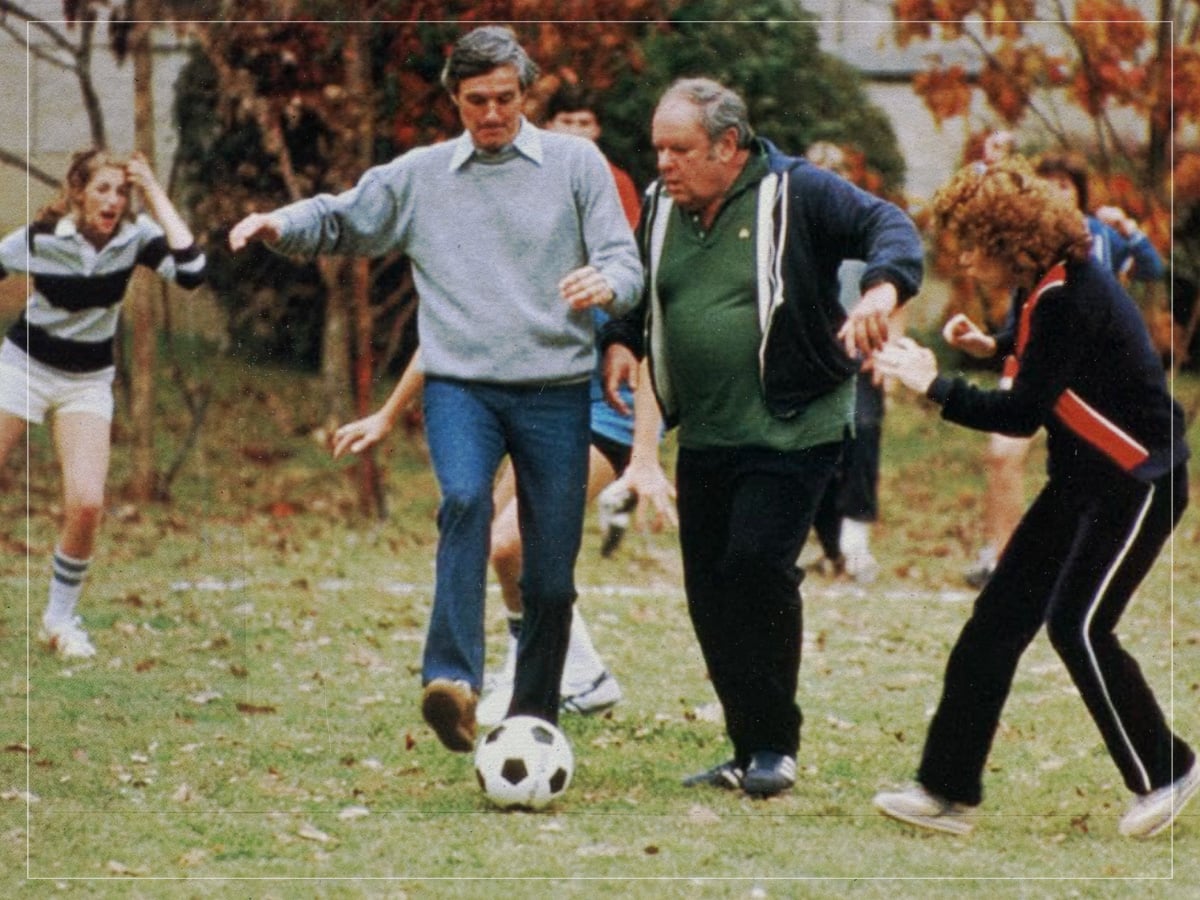
Alan Alda falls into a category of great actors who ended up being abysmal directors, as none of the Universal comedies that he helmed had much staying power. Although Alda had real presence on television when he was at the center of an ensemble, The Four Seasons was the ultimate example of why films about vacationing rarely work; it is so intent on being a grounded look at couples that it doesn’t offer much that is dramatically compelling, as there’s a point when getting caught up in infidelities, arguments, and bad habits is simply intolerable.
The Four Seasons felt like a comedy from a different era, as it tried to coast on good feelings as opposed to actual gags. That the film was blown out of the water the same year by Stripes was the perfect indication that the times had completely changed.
‘Escape to Victory’ (John Huston, 1981)
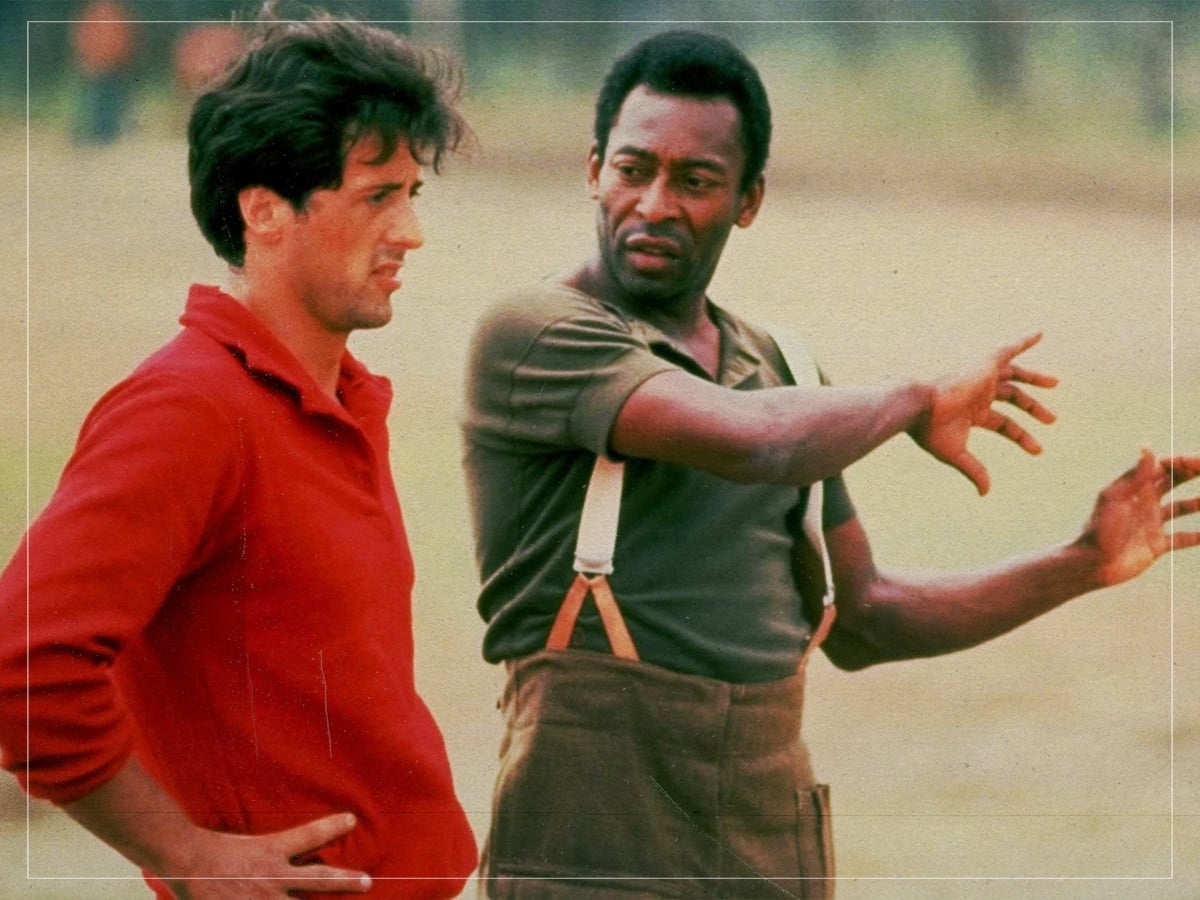
John Huston has been more than upfront about his experiences making Escape to Victory, which he claimed to have only made for the money, yet still felt disappointed by it. Huston didn’t have the final cut for one of the few times in his entire career, and there was nothing that the film could do to overcome its inherently ridiculous premise.
Escape to Victory follows a group of Allied prisoners-of-war in World War II who are recruited by a German officer (Max von Sydow) to play in a football tournament, which they plan to use as a means to escape. Rarely have the co-stars of a film been a worse match; Michael Caine didn’t have athletic skills and was too old to play a football player, and Sylvester Stallone didn’t have the acting calibre to fit within the ensemble of a Huston film.
‘Clash of the Titans’ (Desmond Davis, 1981)
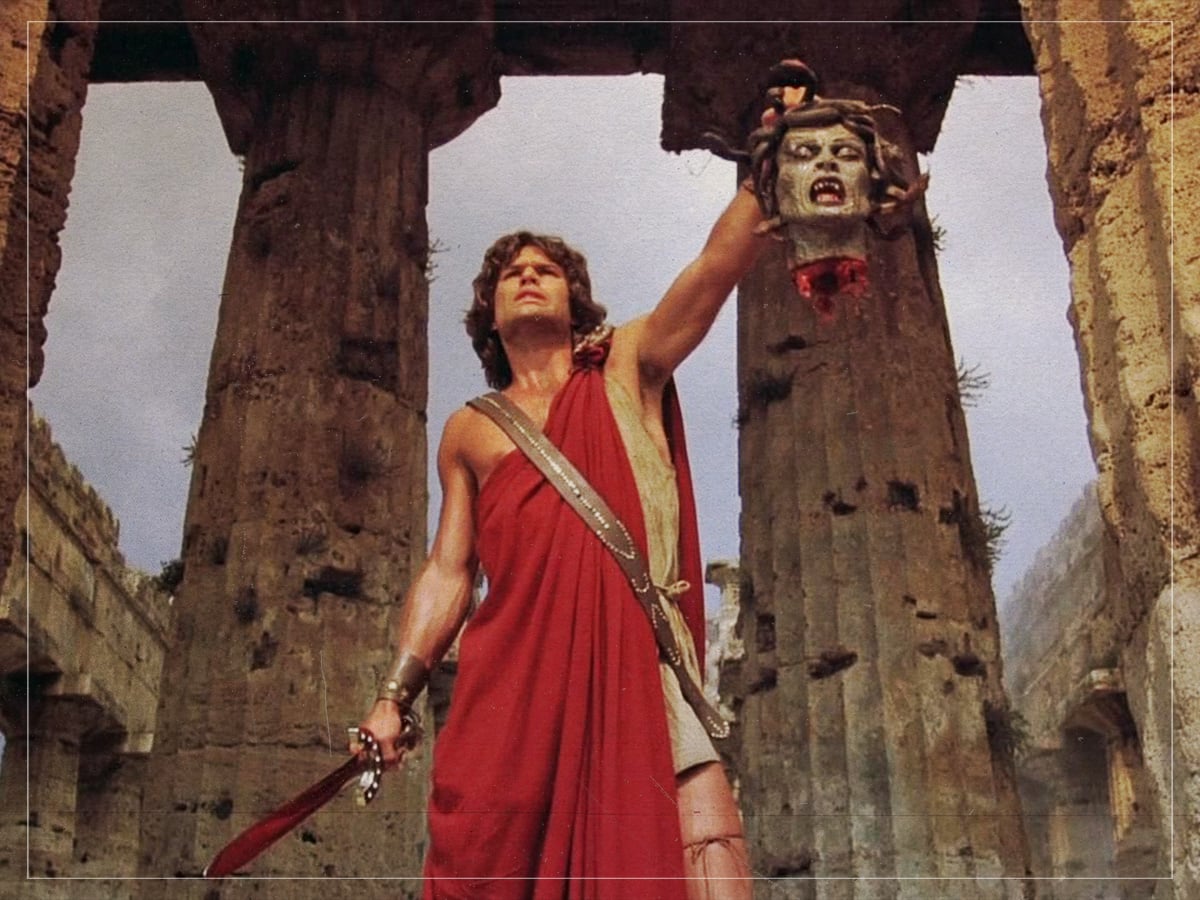
Greek mythology is the basis for almost every popular contemporary franchise, especially DC and Marvel, but none of it has ever been turned into a compelling film. Although hopefully that will change this summer with Christopher Nolan’s take on The Odyssey, Clash of the Titans was a complete misfire that somehow made the myth of Perseus (Harry Hamlin) and his quest to defy the Gods into a complete slog.
The visual effects somehow looked worse than Jason and the Argonauts from decades prior, and the cast was populated by former A-listers who were clearly taking paychecks, including Burgess Meredith and Laurence Olivier. It’s misguided Greek mythology films like Clash of the Titans that can be blamed for Hollywood’s scepticism towards adapting any of them in the future, as there wasn’t a truly good interpretation of the story until Hercules during the Disney renaissance of the 1990s.
‘They All Laughed’ (Peter Bogdanovich, 1981)
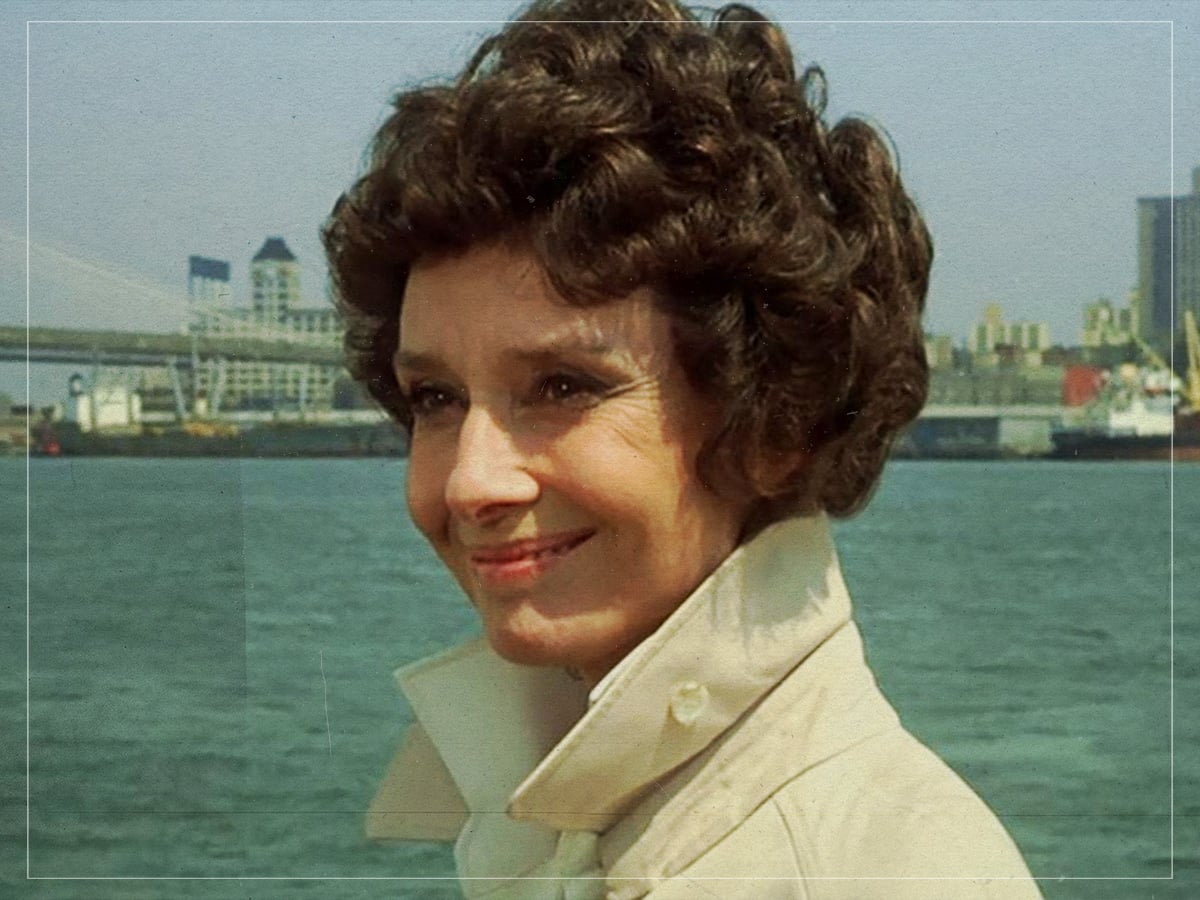
They All Laughed is a mediocre film that is tinged by the tragic events that surrounded it, as it was the first film from director Peter Bogdanovich after the murder of the Playboy playmate Dorothy Stratten, with whom he had been having an affair. The public perception of Bogdanovich was at an all-time low, and it would only get worse in the next few years when Bob Fosse directed Star 80, a dramatised version of Stratten’s murder.
While Bogdanovich had wanted to complete the film amidst his grief, he became so obsessed with showcasing Stratten’s last performance that he acquired the distribution rights, and later went bankrupt in 1985 after being unable to recoup the costs. Although his role in Stratten’s life has always been highly controversial, the release of They All Laughed felt even more questionable following the release of his novel The Death of a Unicorn in 1984.
‘For Your Eyes Only’ (John Glen, 1981)
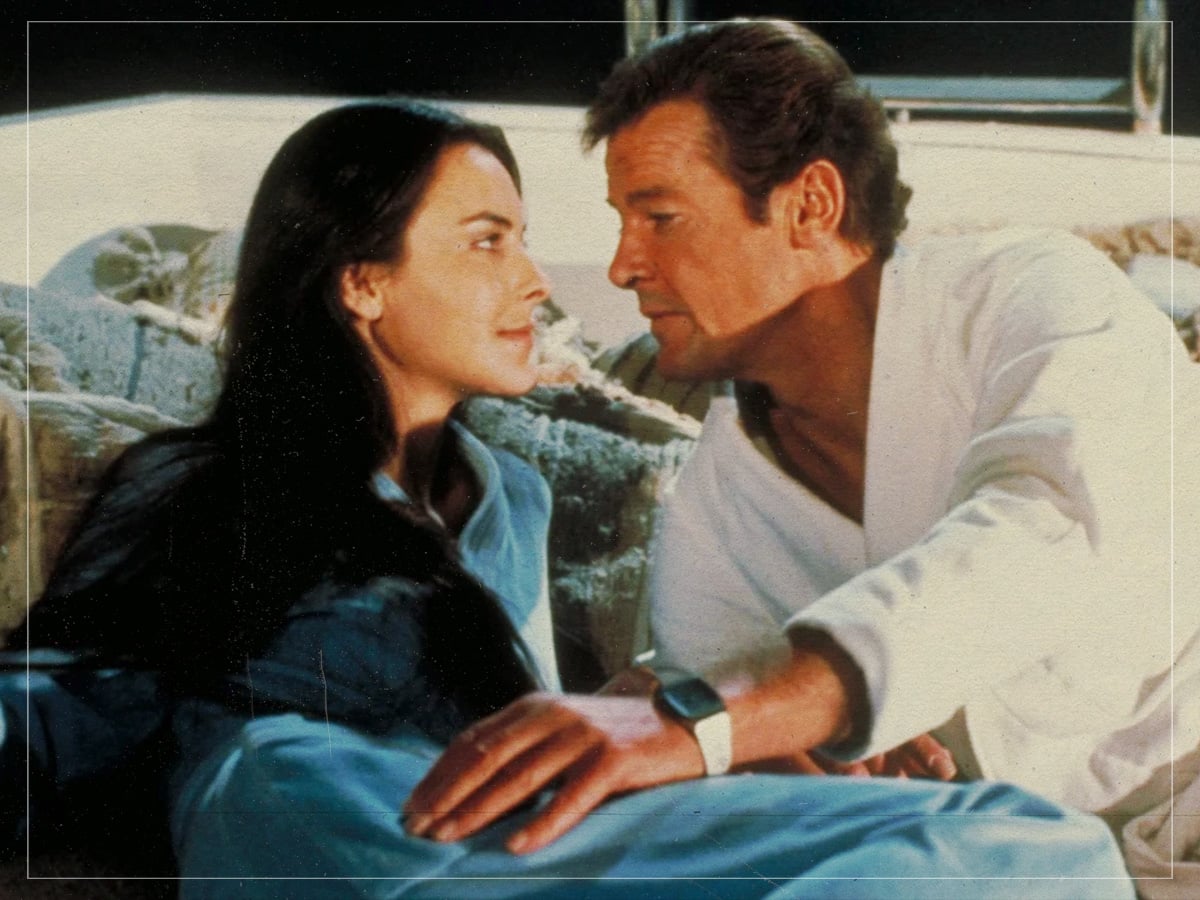
There have been terrible, great, and ridiculous James Bond films, but For Your Eyes Only is one of the few instalments in the franchise that is completely unmemorable. It was after Moonraker had gone too far in the campy direction in an attempt to capture the science fiction phenomenon of Star Wars that EON decided on a reset of Roger Moore’s Bond era, resulting in a film with a ‘back-to-basics’ approach involving SPECTRE, nuclear codes, and the Cold War.
The issue is that Moore was an actor who embraced the eccentricity of Bond, and did his best work in films like Live and Let Die and The Spy Who Loved Me that had high-octane thrills and emotions. While his next two Bond films, Octopussy and A View To A Kill, were far sillier than For Your Eyes Only, they did have a cheeky atmosphere that the 1981 instalment severely lacked.
‘Continental Divide’ (Michael Apted, 1981)
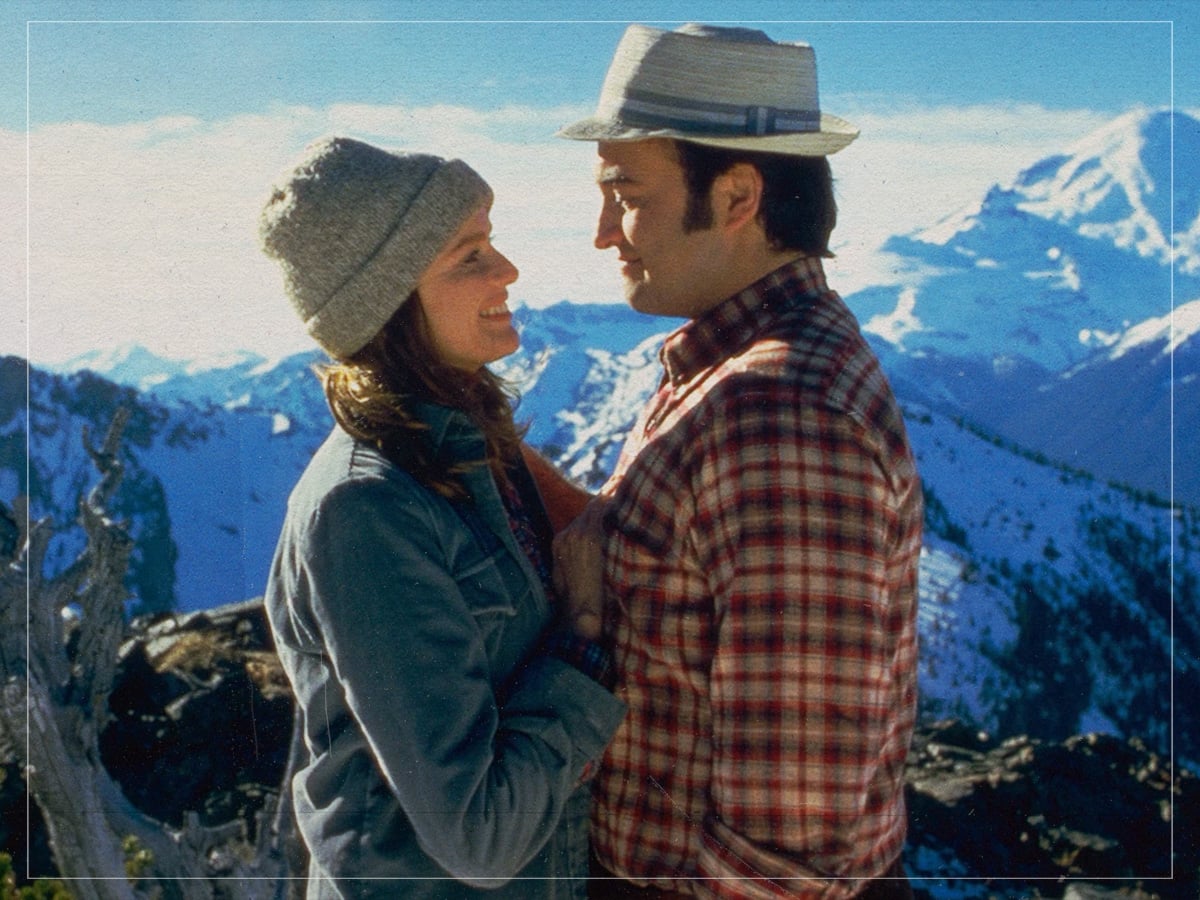
John Belushi was a comedic genius whose career was cut short by tragedy, making anything he was involved with fascinating because of how fleeting his body of work is. After he had delivered two all-time comedy performances with the raunchy classic Animal House and the musically-driven The Blues Brothers, he couldn’t have been blamed for wanting to make a more traditional romantic comedy like Continental Divide.
The issue is that Belushi never fit the mould of being a straight-laced man, and the film has an absurd subplot involving the mafia that destroys any credibility it might have had. While Belushi’s friend Bill Murray was able to make the transition to being a romantic lead when he did Groundhog Day over a decade later, Continental Divide didn’t take advantage of the unique qualities of its star, and thus feels like a massive missed opportunity.
