


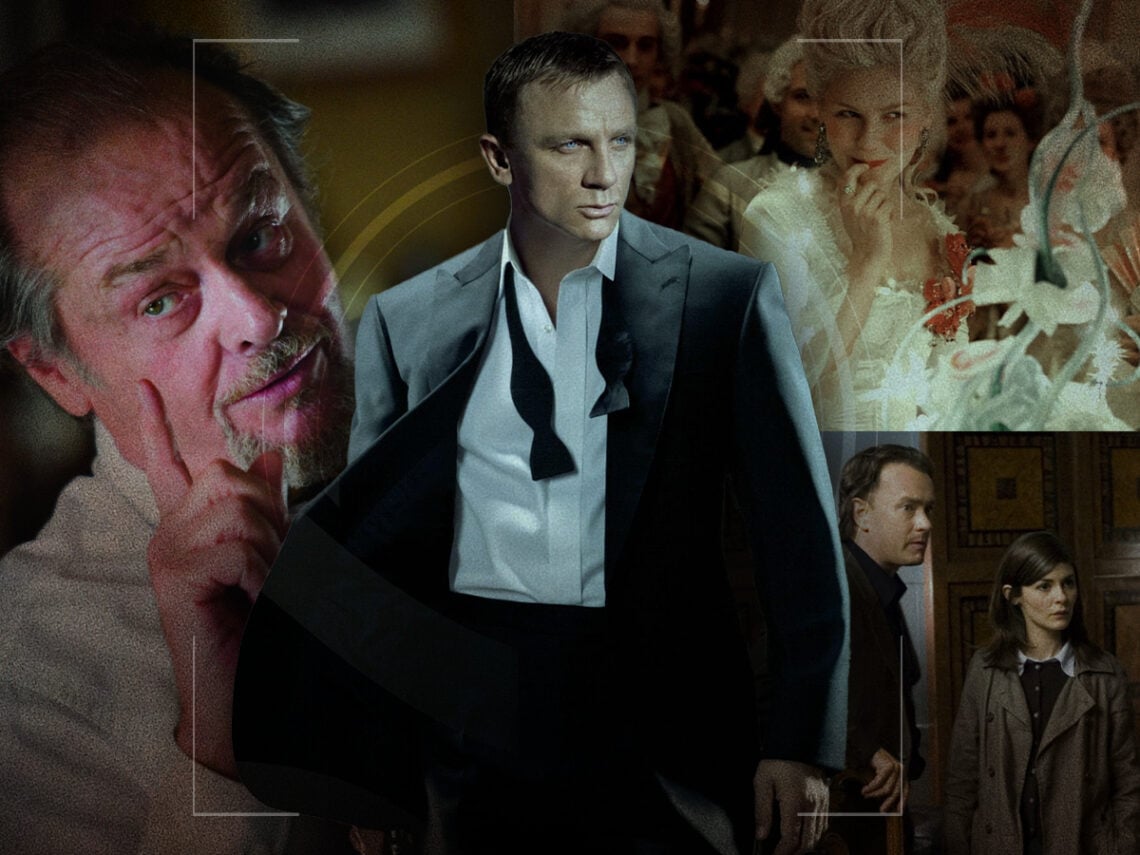
10 movie scenes from 2006 that you’d never get away with today

It’s incredible to remember how different the world of film was just 20 years ago.
In some ways, 2006 doesn’t feel that far off because the movie stars that were popular at the time, such as Adam Sandler, Leonardo DiCaprio, Cate Blanchett, Christian Bale, Hugh Jackman, Anne Hathaway, and Tom Cruise, are just as relevant today, which might have more to do with the lack of prominent actors who have since emerged.
2006 was also a time before streaming, when audiences still seemed to be interested in somewhat original ideas. Cars was positively received, despite being seen as a step down for Pixar, Night at the Museum was one of the year’s biggest hits, and there are barely any live-action family films released anymore.
The biggest film of 2006 was Pirates of the Caribbean: Dead Man’s Chest, which unquestionably made tremendous leaps forward with computer-generated imagery and looks better than a majority of today’s blockbusters, but both Superman Returns and Mission: Impossible III were considered to be box office disappointments, and ironically, both of those franchises had new entries in 2025 that also somewhat underperformed. Hollywood may not have learned any lessons, but it would not let certain moments from 2006 films happen again today.
10 movie scenes from 2006 that wouldn’t pass today:
Frank Costello’s monologue – ‘The Departed’ (Martin Scorsese, 2006)
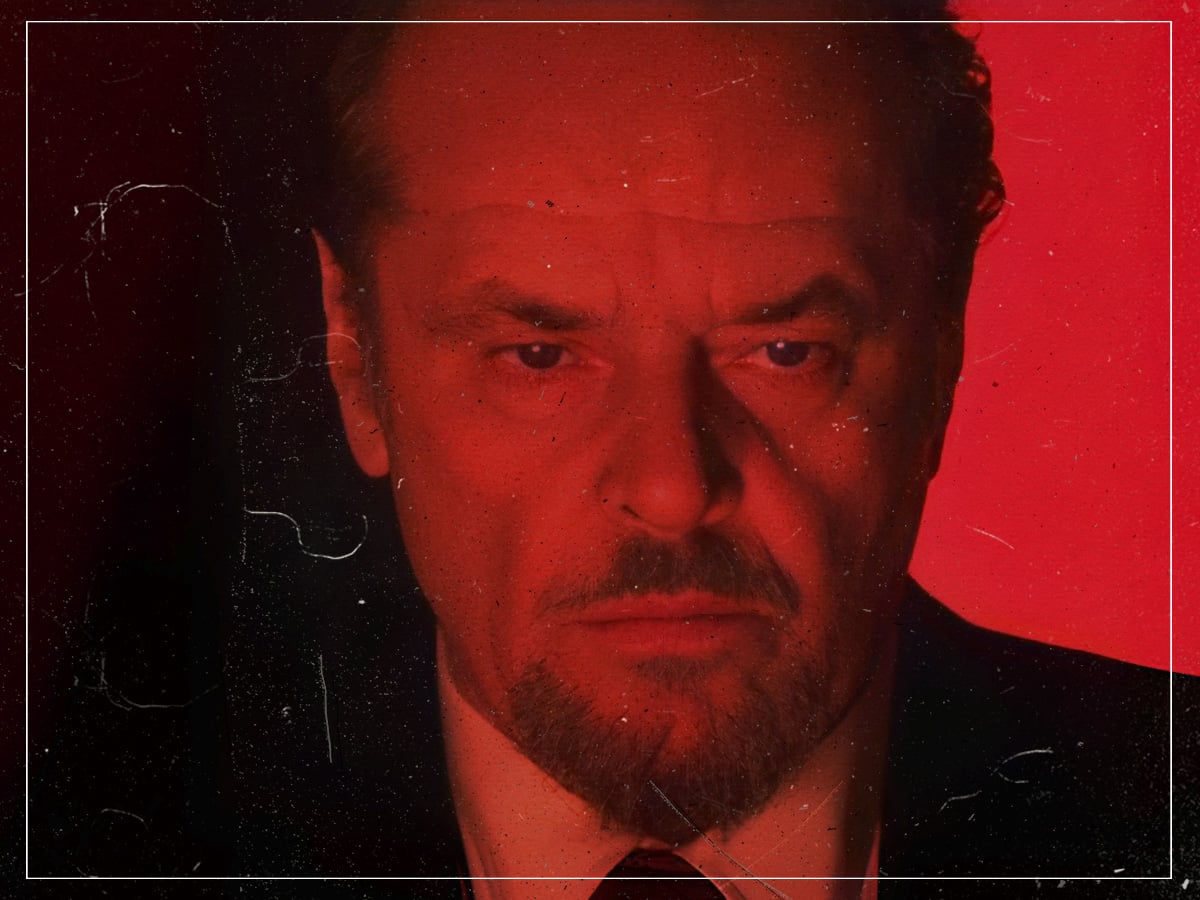
Jack Nicholson didn’t officially retire until after giving his final performance in the 2010 James L Brooks dramedy How Do You Know, but he had his last truly great role in The Departed, the crime thriller from Martin Scorsese that won him ‘Best Director’ and the Academy Award for ‘Best Picture’. Nicholson is such a compelling actor that he can basically sell anything, and it’s hard to imagine another A-lister of his generation being capable of delivering an opening monologue like Frank Costello’s speech from The Departed.
Frank gives a long-winded explanation about the history of the Irish-American struggle, all while telling religious tales and making racially insensitive comments, standing as a strange mix of black comedy and philosophy that could have easily been misconstrued as offensive or pretentious, but thanks to Nicholson, it felt like a perfect intro.
The shootout – ‘Miami Vice’ (Michael Mann, 2006)
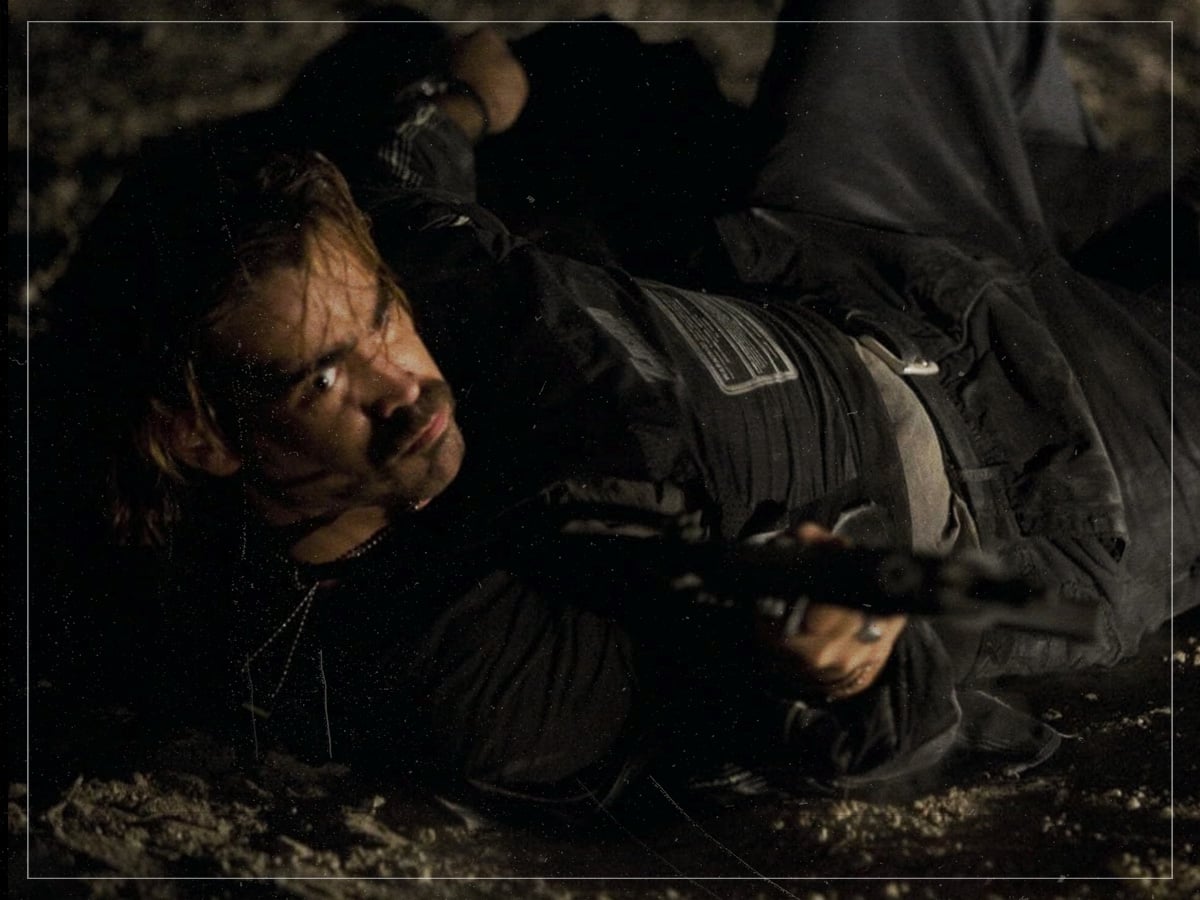
Michael Mann is currently working on a sequel to Heat, but it isn’t the first time that he has taken a second look at his own work, with 2006’s Miami Vice inspired by the iconic television show of the same name that he turned into a wildly experimental tapestry in which he could use emerging digital technology to push the boundaries of realism. It would be impossible for a modern film with a budget like that of Miami Vice to be so moody, atmospheric, and tragic, as Mann created a story about failure and futility that got surprisingly philosophical.
No scene embodies his unusual approach better than a climactic shootout in which the overbearing sounds of the gunfire and haphazard camera movements convey how horrific it would be to be in an actual firefight, with no escapism whatsoever.
The torture scene – ‘Casino Royale’ (Martin Campbell, 2006)
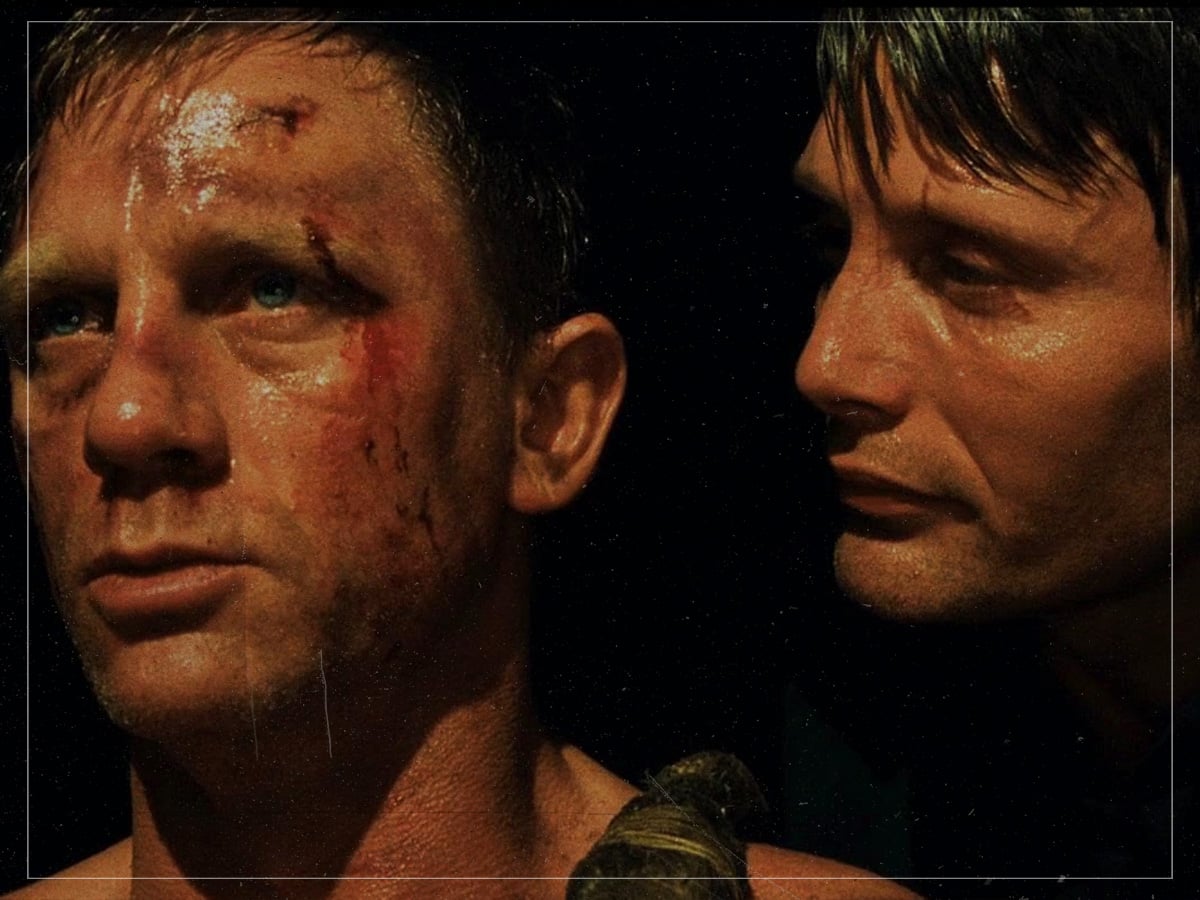
James Bond needed a reimagining in 2006, as the last few films starring Pierce Brosnan got so cartoonish and silly that the character had basically turned into a parody of himself. EON made a bold bet by casting Daniel Craig to play a darker version of the character that was closer to what Ian Fleming had imagined in his original novels, which led to Casino Royale being the most intense Bond films in the franchise, featuring one of the most disturbing scenes ever included in a PG-13 film when 007 is brutally tortured by the main villain, Le Chiffre, played by Mads Mikkelsen.
It’s pretty surprising that the MPAA allowed a scene like that in the film, especially since the Bond franchise would often attract teenagers, and although there were certainly some shocking moments in the subsequent films starring Craig, they never pulled off anything like Casino Royale’s interrogation scene.
Rogue’s choice – ‘X-Men: The Last Stand’ (Brett Ratner, 2006)
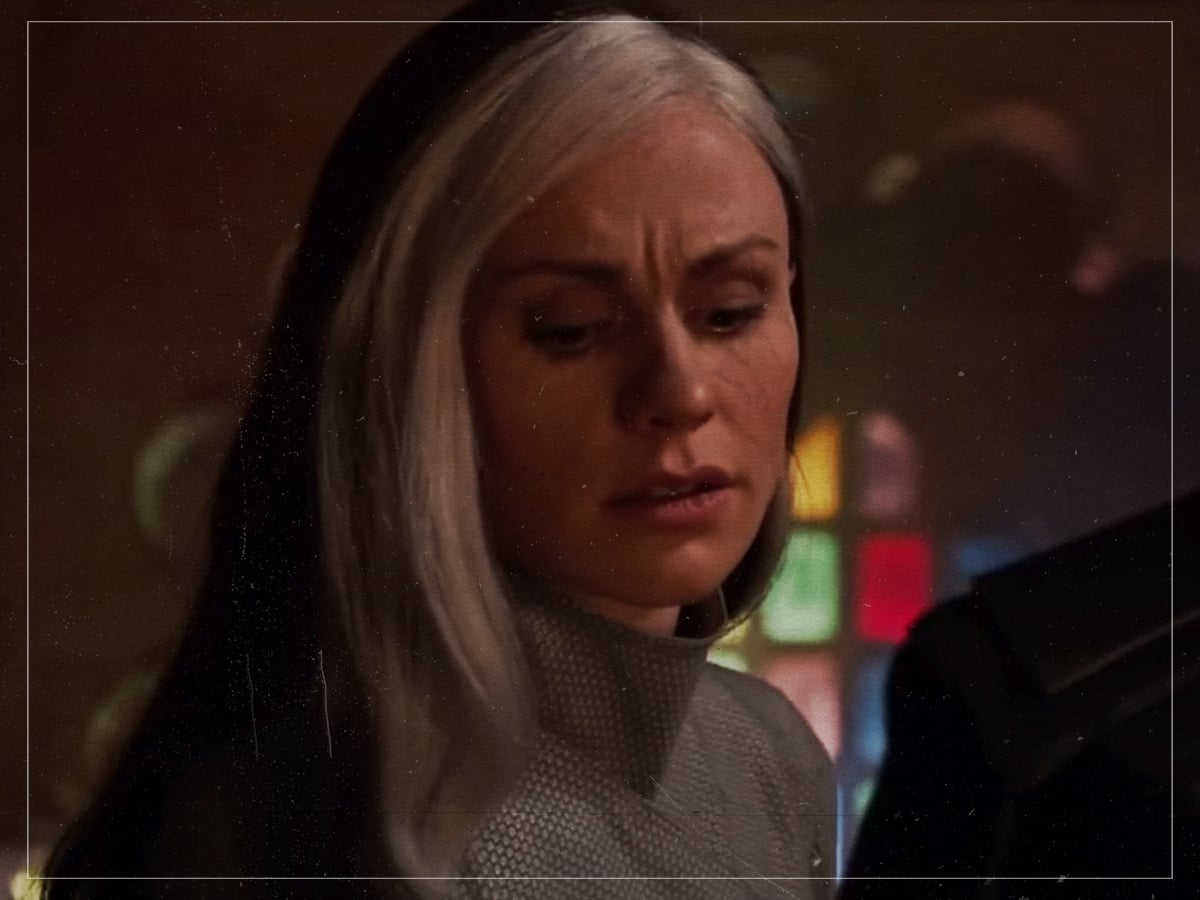
X-Men was a pretty successful franchise until it went off the rails with X-Men: The Last Stand, in which Brett Ratner took over as director from Bryan Singer, who was making Superman Returns. Although there were a number of embarrassing moments in the film, there was a surprising twist at the end in which Rogue, played by Anna Paquin, agrees to be stripped of her superpowers.
A modern superhero franchise wouldn’t ever have a character doing something like this that would prevent them from being in sequels, as the twist was even retconned when Paquin reprised her role in X-Men: Days of Future Past, which Singer returned to direct. Considering that mutants have also been used as a metaphor for the LGBTQ+ community, the idea of Rogue giving into pressure so that she can become ‘normal’ feels blatantly homophobic, and would attract more discourse today.
The meatpacking – ‘Fast Food Nation’ (Richard Linklater, 2006)
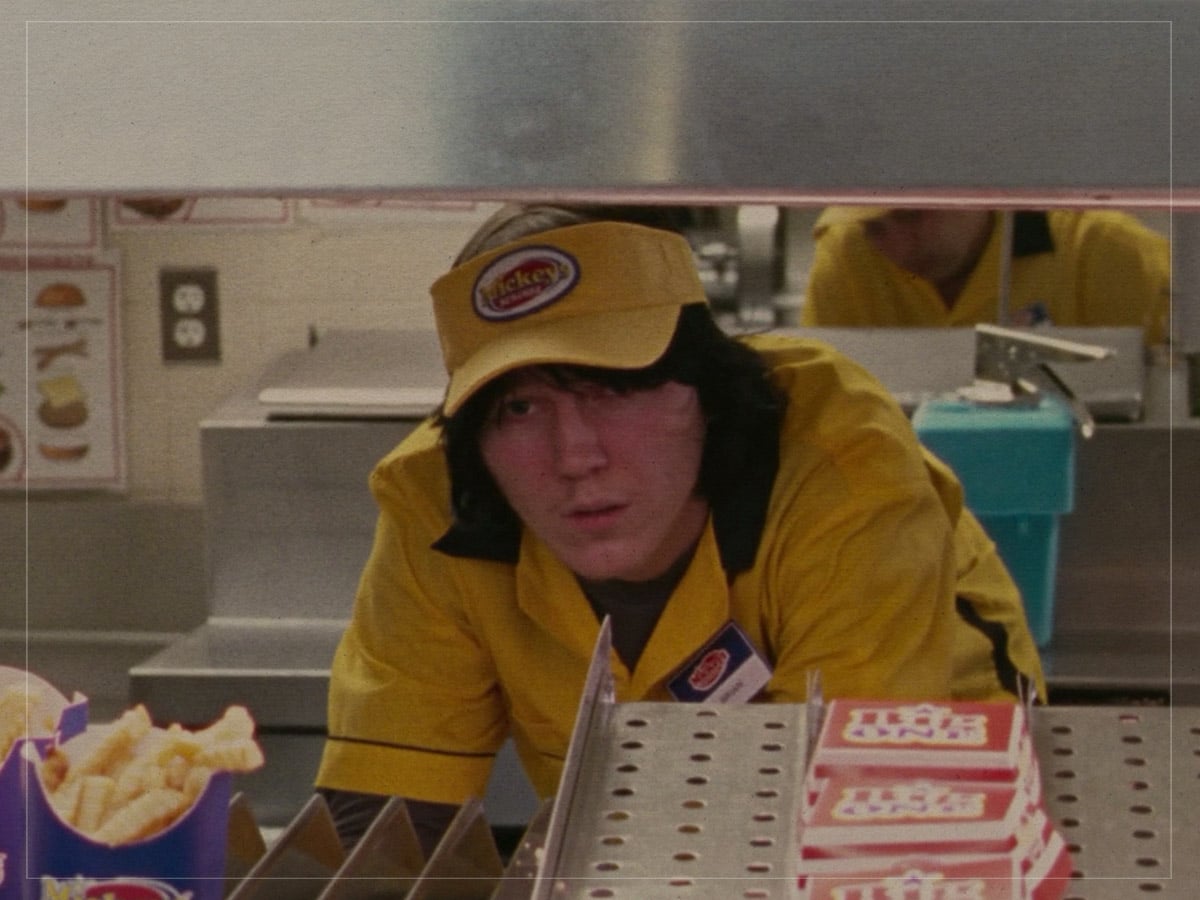
Richard Linklater somehow got away with making one of the most cynical American films of the 21st century with Fast Food Nation, based on the popular novel. The filmmaker has done more than a few ensemble dramas that are told in a collage-like manner, but Fast Food Nation examined the depravity of the modern restaurant business, and includes a highly disturbing scene that shows exactly what meatpacking looks like.
The film was unafraid to show what goes into fast food chains, and is very specific in pointing to who the culprits are, and how they are able to skirt health violations for the sake of profits. Considering that respecting advertising partners has become even more important to studios in 2026, this film would never be made, and it would certainly not include a moment that makes people want to stop eating cheeseburgers.
‘I Want Candy’ scene – ‘Marie Antoinette’ (Sofia Coppola, 2006)
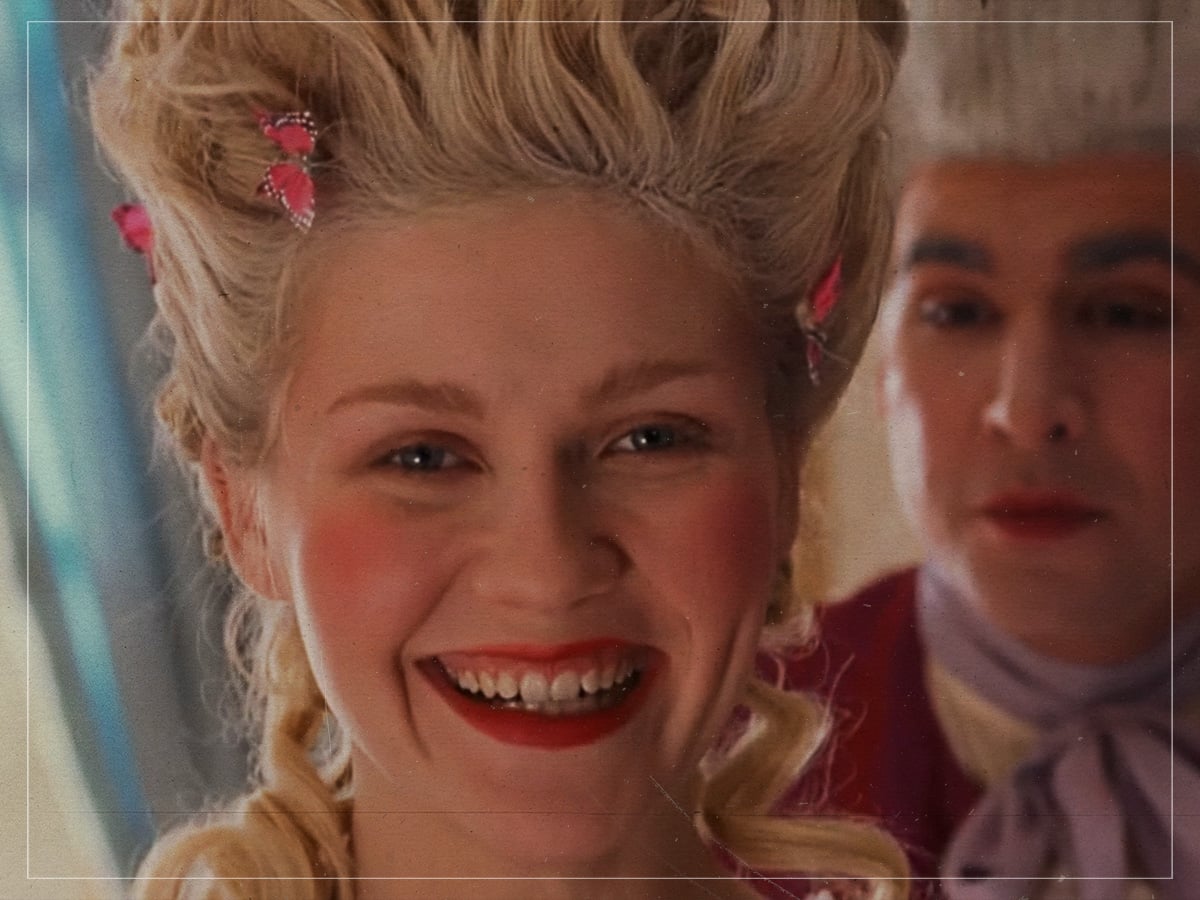
Sofia Coppola created one of the most inventive biopics of all time with Marie Antoinette, which turned one of the most infamous leaders in world history into a timid girl in the midst of a coming-of-age drama. While Kirsten Dunst was praised for her performance, the film attracted more mixed responses for Coppola’s anachronistic version of history, which included the use of contemporary music and a Converse sighting.
The internet has come down even harder on anything that could be misconstrued as being historically inauthentic, even if it is clearly a specific artistic choice made by a filmmaker. Considering that there has been backlash to the way that Roman armor looks in the trailer for The Odyssey (which isn’t even based on a true story), it seems unlikely that a period costume epic would be able to include a scene where a character dances to ‘I Want Candy’ by Bow Wow Wow.
Randall’s anti-PC rant – ‘Clerks II’ (Kevin Smith, 2006)
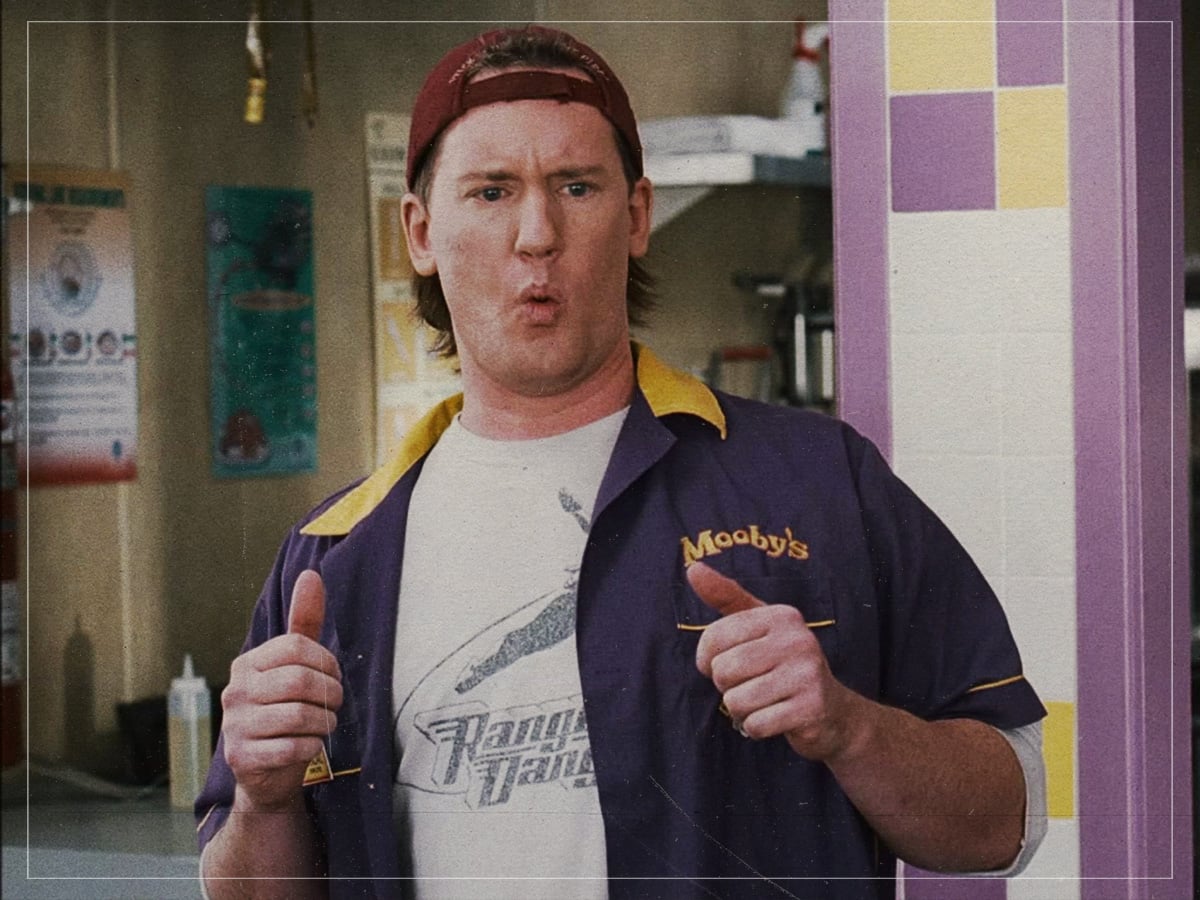
Kevin Smith was able to finally get a sequel to his debut film Clerks made in 2006, even though he had included many of the other characters for the other entries in his ‘View Askenwniverse’. Crass humour is part of the charm with everything that Smith does, but Clerks II includes a fairly shocking scene in which Randal, played Jeff Anderson, uses all types of racial and ethnic slurs while working at the Mooby’s fast food restaurant, which offends several patrons.
It goes without saying that the backlash would be swift and harsh to a scene like this, as the notion that Smith included it for the purpose of satire would be lost on those that write thinkpieces. It’s also sadly unlikely that Smith would be able to command an audience like this today, as his most recent films have all been independently self-financed and taken on road shows.
Vick learns his destiny – ‘Lady in the Water’ (M Night Shyamalan, 2006)
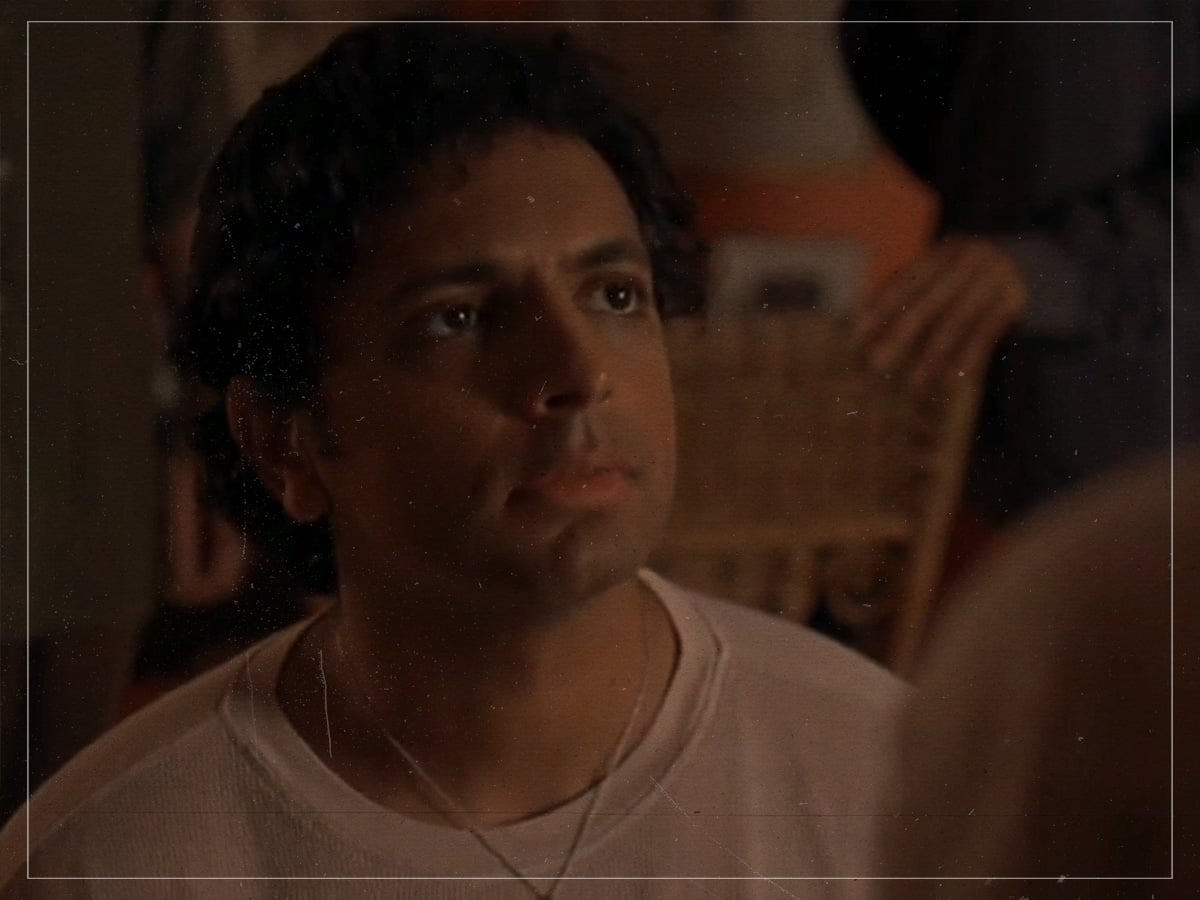
M Night Shyamalan was hyped so much in 2006 that he showed an unprecedented degree of ego, and used Lady in the Water as a means to combat the critics who had been negative about his previous film, The Village. Beyond casting Bob Balaban to be a film critic (who is also the cartoonishly evil villain of the story), Shyamalan casts himself as a brilliant writer whose words will literally change the world, which is explained to him by the titular ‘Lady in the Water’, played by Bryce Dallas Howard.
It was a shocking moment of narcissism, as Shyamalan had the audacity to give himself a primary role in his own film that spoke to his inflated degree of self-importance. Even though he has made a comeback and often cameos in his own films, he would never be able to get away with something like this again.
Agnes and Peter use gasoline – ‘Bug’ (William Friedkin, 2006)
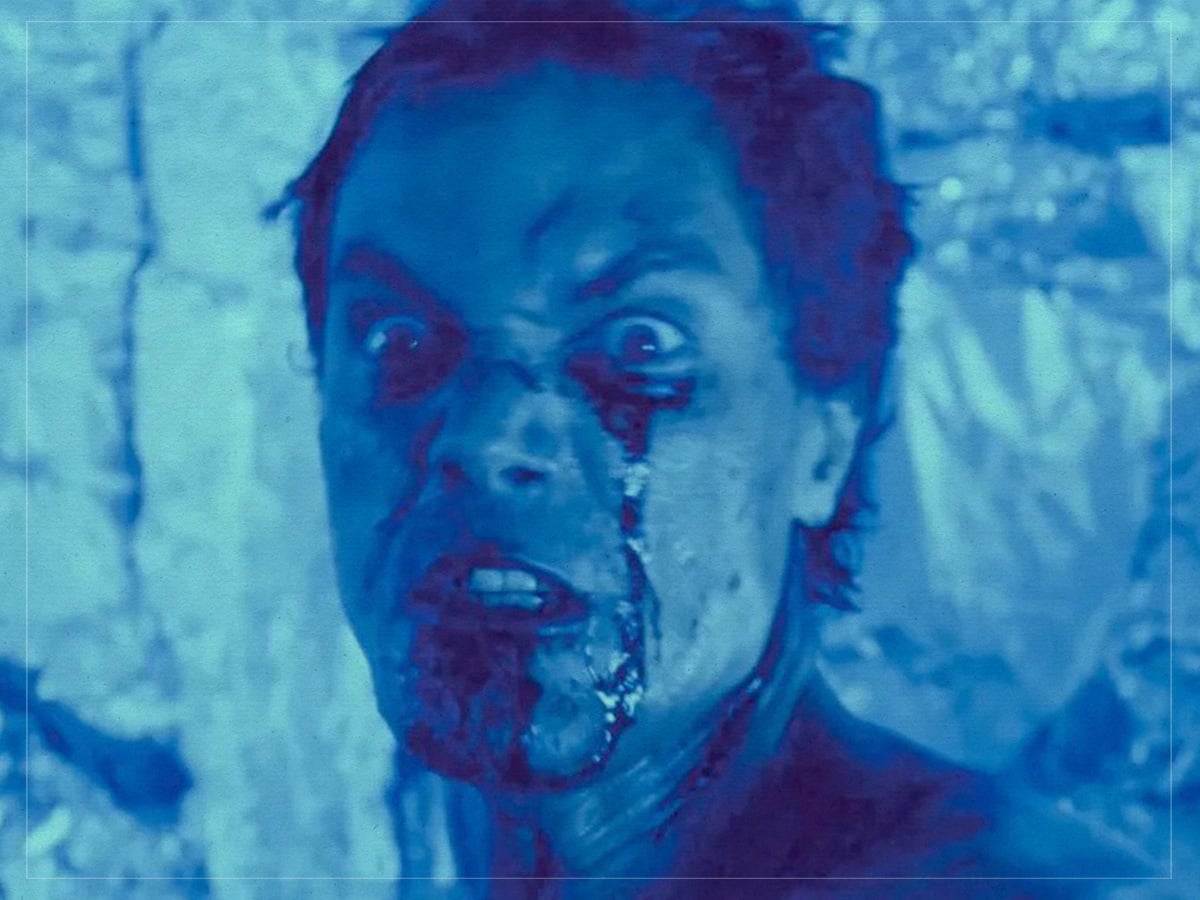
William Friedkin is a filmmaker who was infamously defiant of audience expectations and rejected safety, as he always managed to get out of “Director Jail,” despite several films that audiences soured on. That being said, Bug is one of the most challenging films of his entire career, and became one of the few in history to receive an ‘F’ Cinemascore from audiences.
The film, based on the acclaimed play by Tracy Letts, features all sorts of uncomfortable and disorienting ideas and imagery, but the end features the characters Agnes, played by Ashley Judd, and Peter, played by Michael Shannon, dousing themselves in gasoline in order to be ‘cleansed; of the infectious bugs they believe are destroying the human race. Such blatant nihilism is something that only someone of Friedkin’s reputation could handle, and today, Bug remains on the stage, where audiences already know what they are getting into.
The holy bloodline is revealed – ‘The Da Vinci Code’ (Ron Howard, 2006)
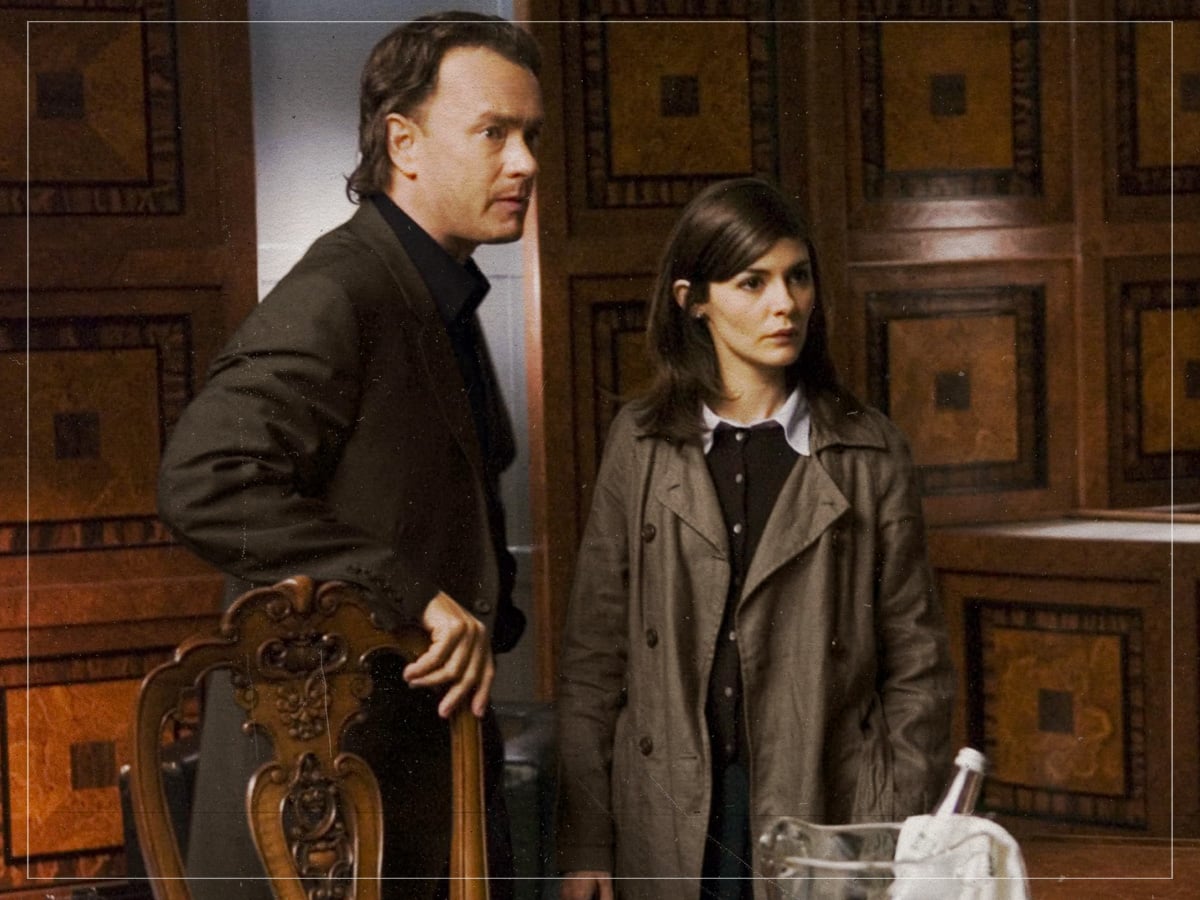
Ron Howard has a reputation for being a true ‘nice guy’ who makes vanilla films, but his work contains a lot more provocative ideas than its given credit for. Howard had the task of adapting one of the most controversial books ever when he made The Da Vinci Code, a mystery that positioned the idea that Jesus of Nazareth and Mary Magdalene were secretly married, and that the real Holy Grail was their descendancy.
While the film was accused of blasphemy, religious backlash has become an even greater concern for modern studios, especially when there is so much hesitation about potentially offending the population of Christian moviegoers. The Robert Langdon series is also unlikely to return on the big screen, as the third film in the series, Inferno, was a complete bomb that torpedoed the chance of another sequel.
