


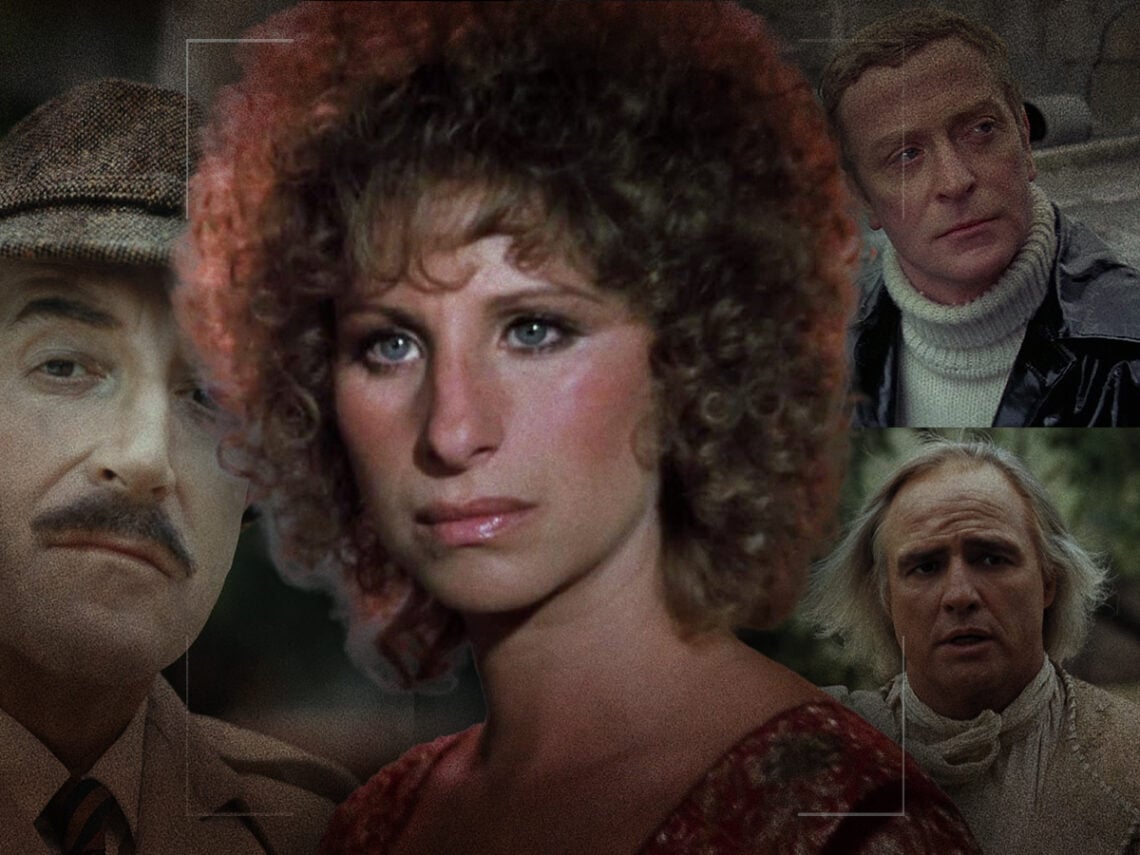
10 movie lines from 1976 that should be deleted from history

No amount of revisionist history can help a film with a bad script.
1976 is not only a year of all-time great performances and memorable iconic imagery, but also one of great dialogue. “You talking to me?” from Taxi Driver, “Yo, Adrien!” from Rocky, and “I’m mad as hell” from Network are only a few of the memorable quotes from the year’s films that have become crystallised as part of popular culture history.
It is often said that a great film can’t exist without a great script, and 1976 stands out as an impressive year because the writing has withstood the test of time. Even if times have changed and technology, distribution, and presentation of films have become radically different, quintessential writing will always hold up.
Good dialogue is not the only component of a great script, as there needs to be a fully fleshed-out story, an intriguing structure, and a balance of tone that doesn’t veer too hard into one direction or the other. However, a film’s legacy can often come down to a specific line that defines its existence within popular culture; “I’m gonna know for the first time in my life, see, that I weren’t just another bum from the neighborhood” is a great piece of writing, even if someone hasn’t seen Rocky to understand the context of the scene, and how it was used as a self-reflective comment from Sylvester Stallone.
Unfortunately, bad lines can have the opposite effect, as quotes that are crude, lazy, or simply illogical can harm the reputation of films that might have been otherwise easy to enjoy.
10 bad movie lines from 1976 that shouldn’t exist
‘The Front’ (Martin Ritt, 1976)
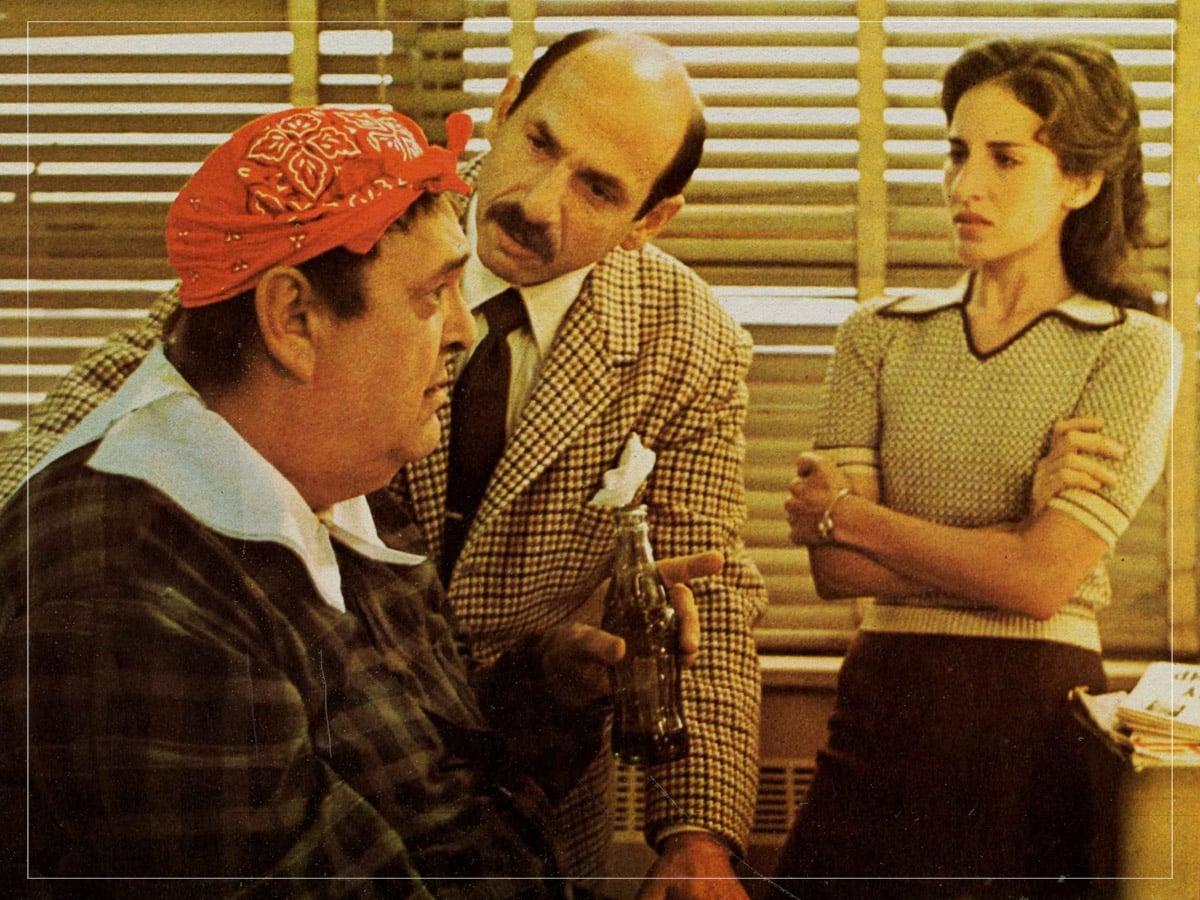
“I was only trying to get laid. This girl, this communist girl, she had a big ass”
The Front is a drama about the Hollywood Blacklist, which stars Woody Allen as a small-time bookie who serves as the public front for several screenwriters who aren’t able to get work because of their Communist leanings. Although the film is fairly well-rounded in its portrayal of the various members of the entertainment industry who suffered from being blacklisted, it has a performance from Zero Mostel as the actor Hecky Brown that simply misses the mark.
Hecky is depicted as a womaniser who claims to have only become interested in the communist movement because of his interest in women, and it’s never entirely clear whether he is kidding. To have Hecky continue to reiterate the story of following a woman he met during a rally not only drags the film’s pacing to a halt, but betrays the sincerity with which The Front depicts the other artists and their political convictions.
‘The Enforcer’ (James Fargo, 1976)
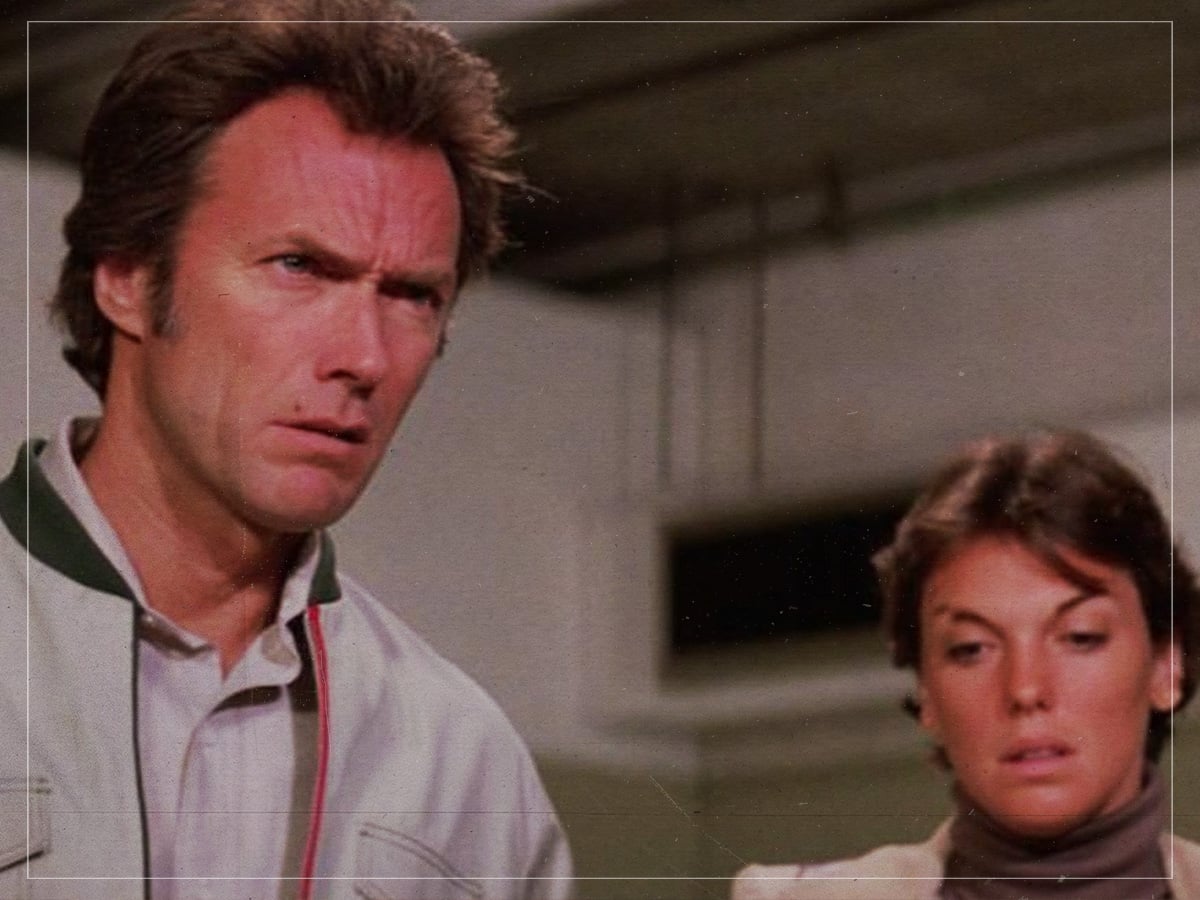
“She wants to play lumberjack, she’s going to have to learn to handle her end of the log“
Dirty Harry is a franchise that got increasingly silly as it went along, and the stone-cold seriousness of the first film heightened the ridiculousness of the sequels churned out. While the second film, Magnum Force, had a compelling hook because it explored police corruption, the third instalment, The Enforcer, tried to play into contemporary hot-button issues by showing what Harry Callahan (Clint Eastwood) has to deal with when an affirmative action programme forces him to take on a female partner.
The complaining on Eastwood’s part about his new co-worker, which includes all sorts of misogynistic comments, is played for laughs and diverts attention from the actual villains in the film. That The Enforcer lost its way made it surprising that the next instalment in the series, Sudden Impact, was directed by Eastwood himself, and felt like a return to form.
‘The Eagle Has Landed’ (John Sturges, 1976)
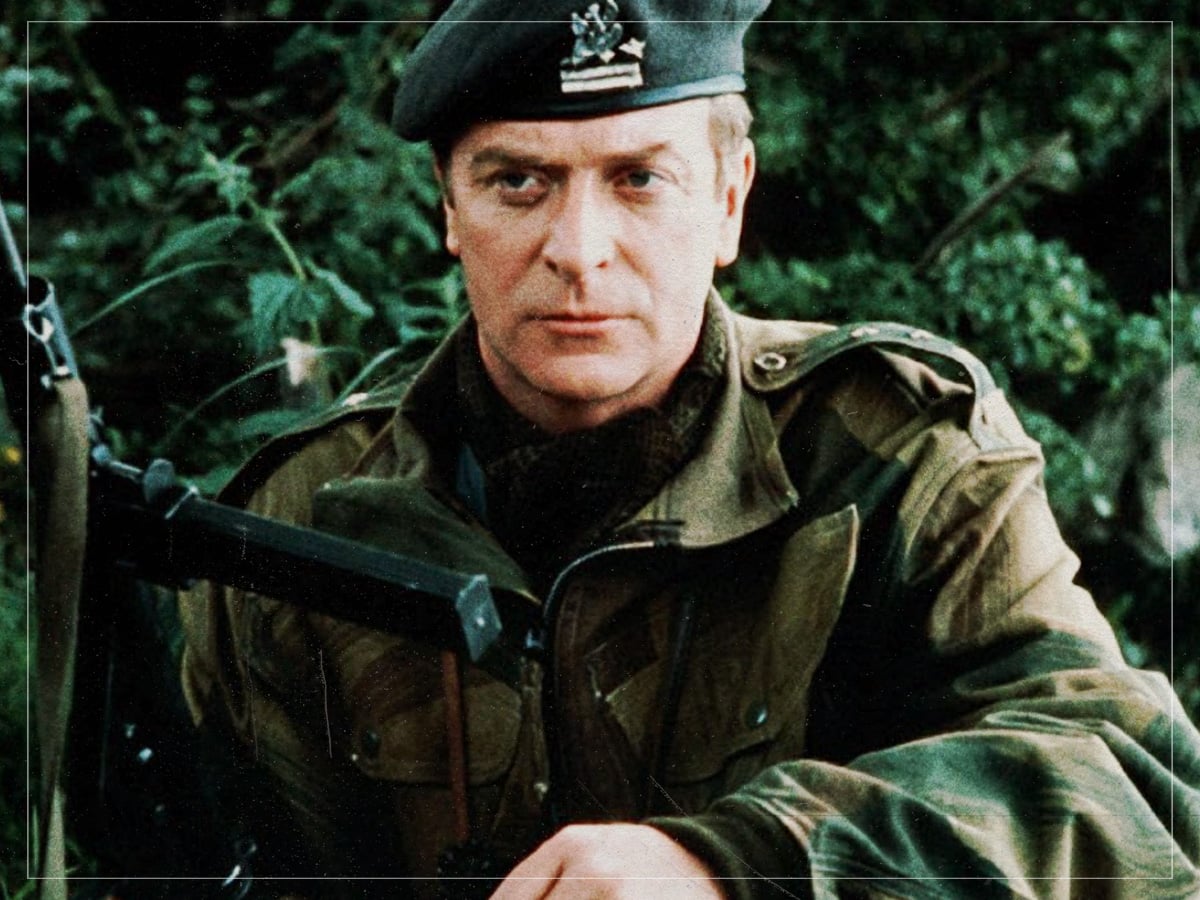
“The top o’ the morning to you. It’s not Irish whiskey, but it’ll do to be going on with.”
The Eagle Has Landed is a very odd film that is structured like a classic World War II adventure epic, yet explores the perspective of the Germans as they take on a mission to capture Winston Churchill and win the conflict for the Axis powers. Although Michael Caine refused to play an Irish character because of his political beliefs, Donald Sutherland took on the role and gave one of the most unconvincing accents of all time.
It’s possible to divorce The Eagle Has Landed from its historical and political context and simply view it as an escapist adventure flick, but Sutherland’s performance is so riddled with clichéd Irish slang and outdated stereotypes that it’s impossible to take it seriously. Given how little Ireland’s role in World War II comes up in the film, it’s possible that Sutherland’s character and all of his lines could have been removed.
‘The Pink Panther Strikes Again’ (Blake Edwards, 1976)
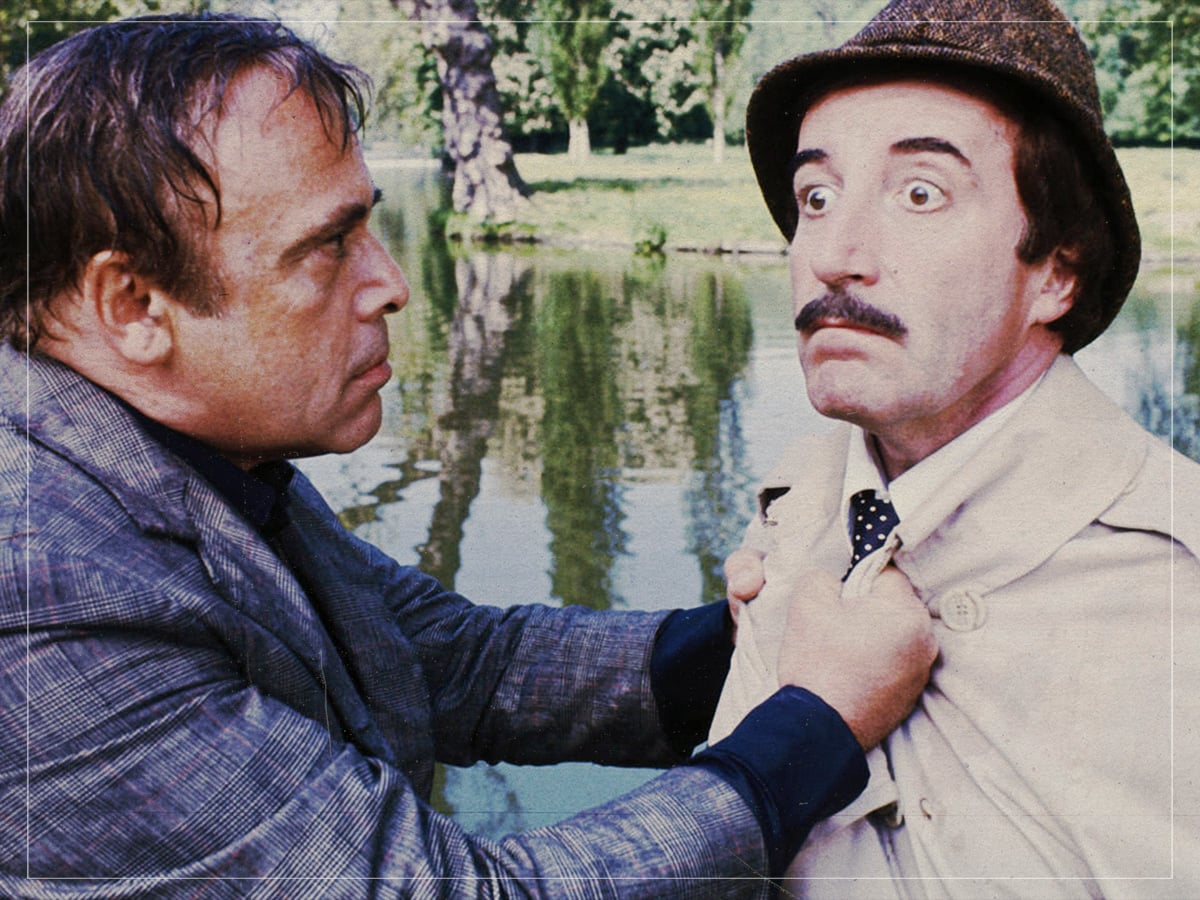
“Dirty old men!”
Peter Sellers was a a brilliant comedic actor, with Inspector Clouseau in the Pink Panther films being his most iconic character, and while A Shot in the Dark and The Return of the Pink Panther are the best entries in the series, 1976’s The Pink Panther Strikes Again is a fun adventure where Clouseau has to break his former nemesis Charles Dreyfus (Herbert Lom) out of a mental facility.
Although the sequence in which Clouseau has to rescue Dreyfus after he nearly drowns in a body of water nearby is fun, it does lead to some lazy homophobic jokes when the two are observed by an elderly woman walking nearby, who assumes that they are in the midst of some sort of intimate contact. While low-brow humour is to be expected of a ‘70s comedy, The Pink Panther series has usually been above it.
‘A Star is Born’ (Frank Pierson, 1976)
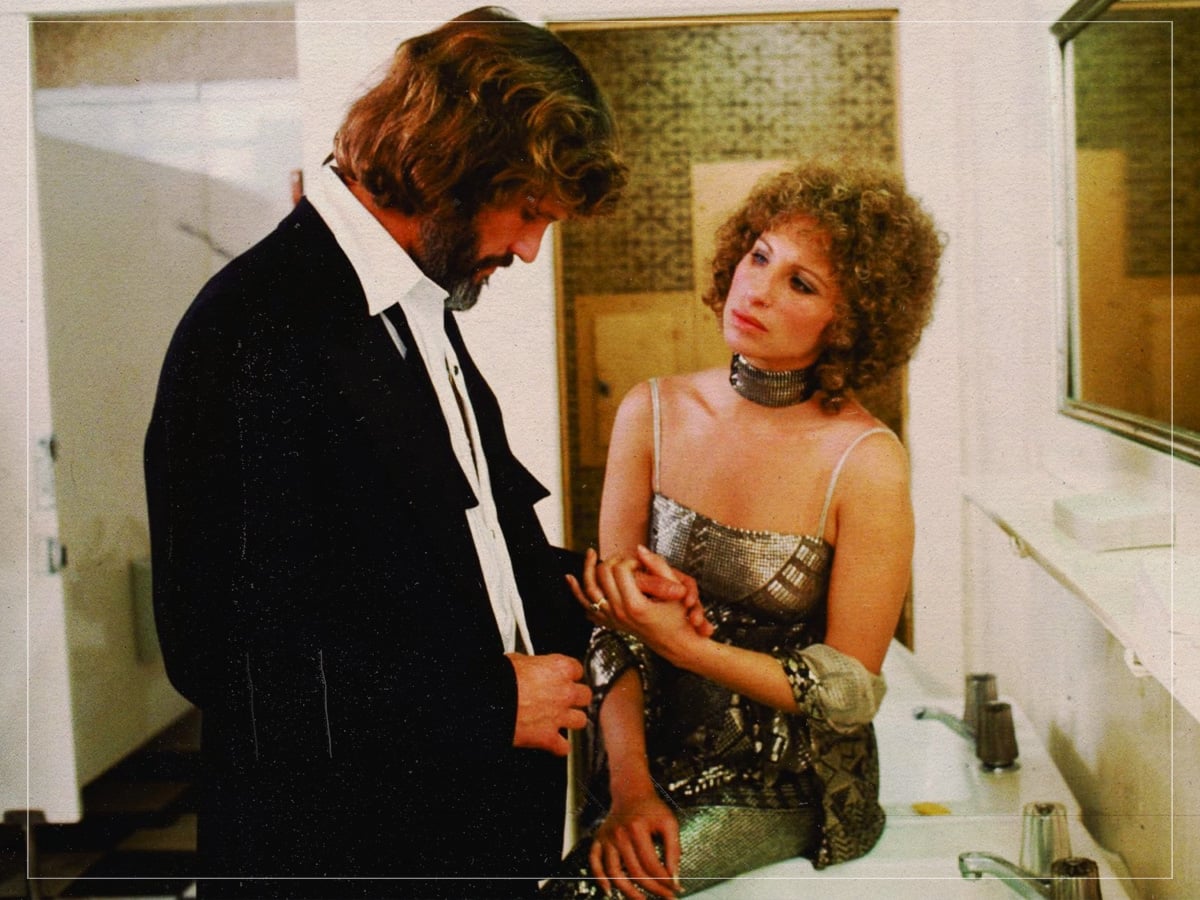
“Will you welcome, please, the Oreos”
There have been four versions of A Star is Born, and the 1976 version that starred Barbra Streisand and Kris Kristofferson is by far the worst. Beyond the fact that the pair has no chemistry and that the songs aren’t particularly good, the portrayal of the country music scene feels completely superficial and outdated, even for the time. A Star is Born introduced Streisand’s character, Esther Hoffman, as the lead singer in a trio that performs in a bar, in which the other members of the group are African-American.
Referring to the group as the “Oreos” was a cheap racist joke, even at the time, and it’s one of the many reasons why Streisand’s performance in the film simply does not work; despite the fact that she is constantly framed as being an underdog, the character is not very sympathetic.
‘The Tenant’ (Roman Polanski, 1976)
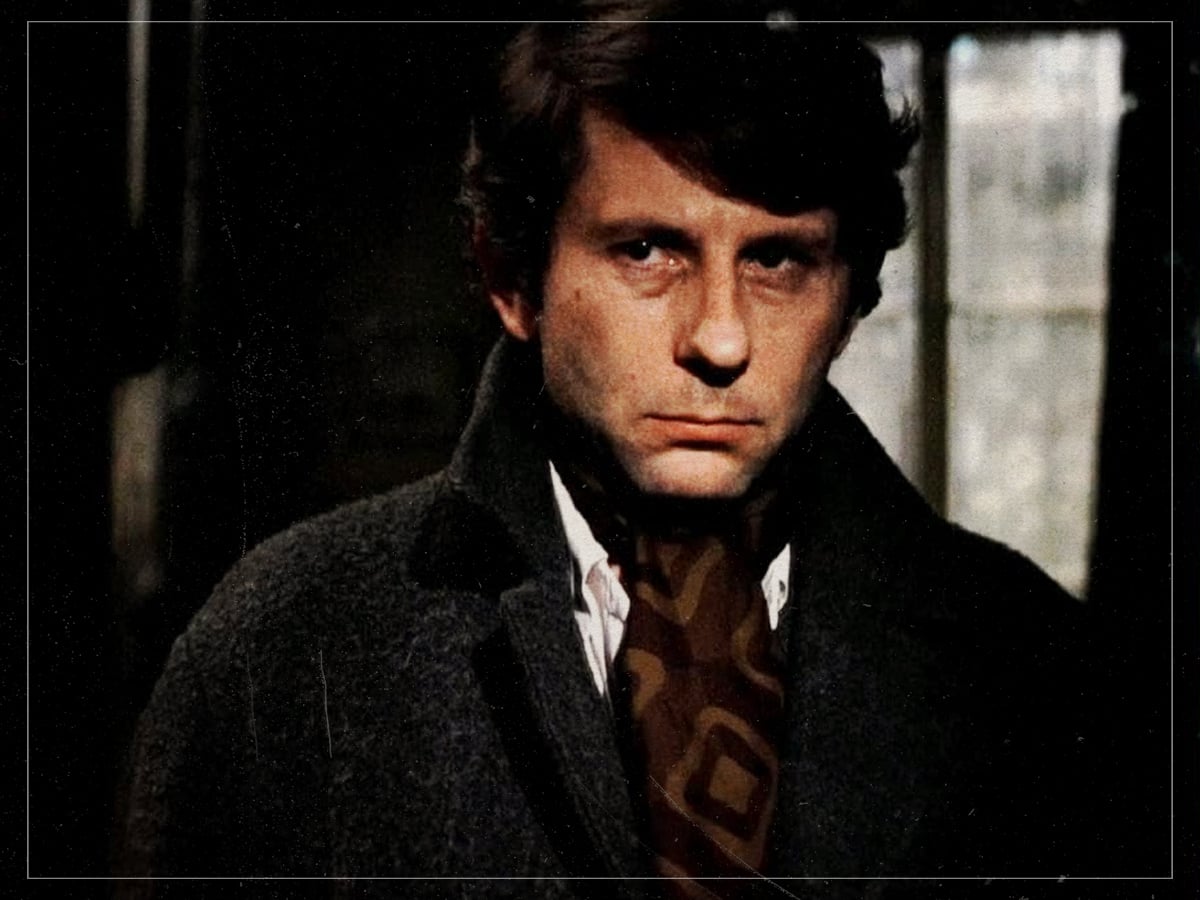
“You know, little things that get blown up out of all proportion? You know what I mean?”
Roman Polanski is unquestionably a genius filmmaker who is also a convicted criminal, which has led to a constant debate about how his work should be considered. The Tenant is a particularly challenging case of separating the art from the artist because Polanski also stars in the film as the tenant of an apartment complex that begins to feel persecuted and targeted.
That the film attempts to frame him as an unfortunate victim is a tough pill to swallow, given the persecution complex he would develop in the aftermath of his arrest and conviction for paedophilia. It’s an eerie sign of what was to come, as the notion of being a wrongfully convicted member of a minority class would become a recurring theme in many of his future work, including his most recently released theatrical film, An Officer and a Spy.
‘The Bad News Bears’ (Michael Ritchie, 1976)
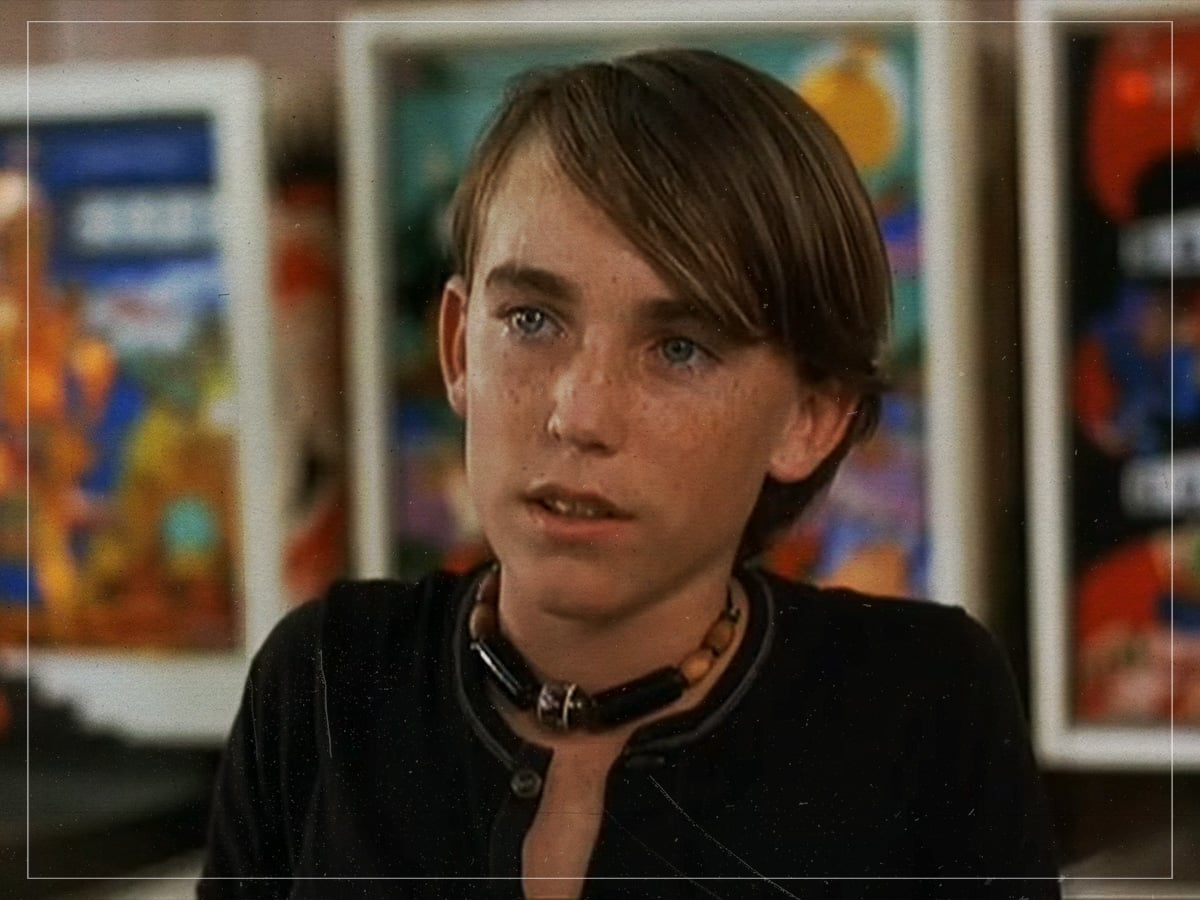
“Well the baseball you guys play is for f—-ts and old farts with nothing better to do with themselves”
The Bad News Bears is one of the best sports films ever made, and features a terrific performance from Walter Matthau as Morris Buttermaker, an alcoholic ex-baseball player who is forced to lead a group of incompetent Minor League youth players. In order to add some actual experienced kids to the team, Buttermaker starts rounding up recruits, including the troublemaker Kelly Leak, played by Jackie Earl Haley.
The Bad News Bears depicted the way that kids actually talked without sanitising anything, so it’s to be expected that a smoking, motorcycle-driving bad boy like Kelly would utter a wide variety of offensive comments when playing against a different team. That being said, his continued use of homophobic slurs dates the film as being set in a very different time; it’s something that the 2005 remake from Richard Linklater would remove entirely.
‘The Outlaw Josey Wales’ (Clint Eastwood, 1976)
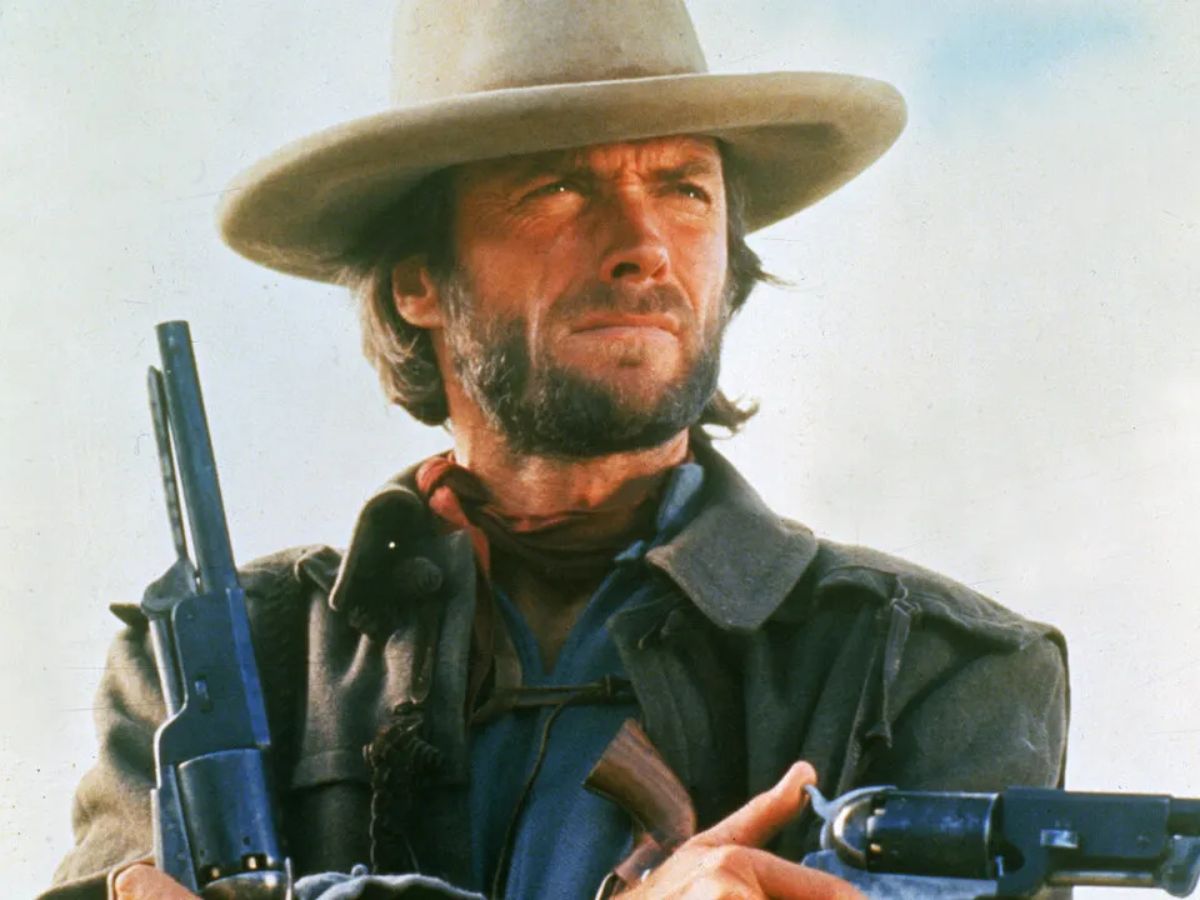
“Now, if one of you has to, you can take that old woman over there. She might be worth one donkey”
Clint Eastwood hit the ground running with his terrific directorial debut, Play Misty For Me, and he quickly returned to the western genre for which he had made his name by writing, directing, and starring in the Civil War revenge epic The Outlaw Josey Wales. The electrifying film stars Eastwood as a former Confederate soldier who seeks vengeance on the officers who killed his family, leading to a chase across the country where he wades through the destructive remnants of American carnage.
The Outlaw Josey Wales was notably quite progressive in depicting dynamic Native American characters, as the film explores the destructive impact that the war had on their tribes. However, there is a Comanchero chief played by John Quade who does little more than comment on raping women, and adheres to every ‘savage’ stereotype imaginable.
‘The Missouri Breaks’ (Arthur Penn, 1976)
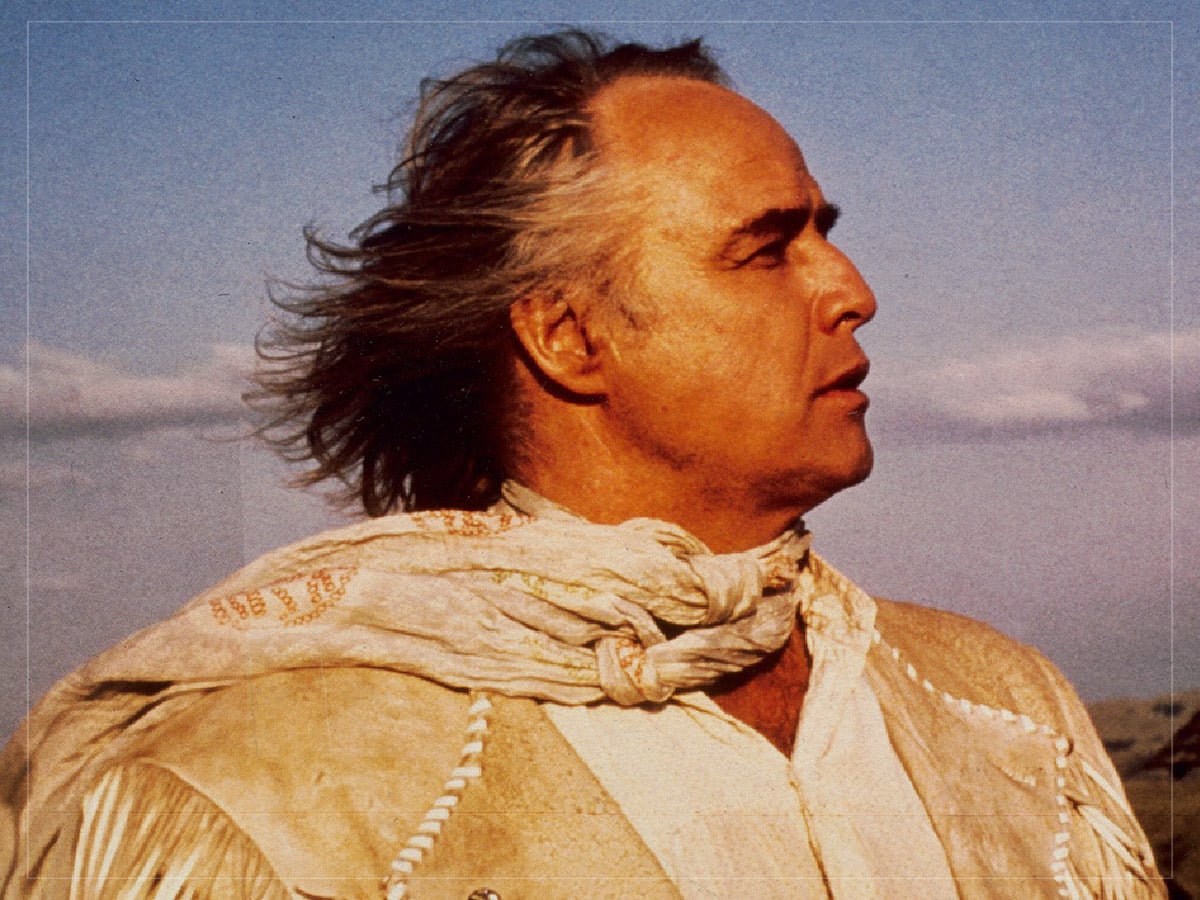
“Lower your voice. I feel an attack of gas and that could be perilous to both of us“
Marlon Brando is both a brilliant and frustrating actor, as he reached a point in his career after The Godfather and Last Tango in Paris in which he truly did not care about giving real performances, and caused all sorts of problems on set. The Missouri Breaks should have been an instant western classic, given that it starred Jack Nicholson (a year after winning an Oscar for One Flew Over the Cuckoo’s Nest) and was directed by Arthur Penn, who had basically started the New Hollywood movement with Bonnie & Clyde.
Unfortunately, Brando demanded that his character would be absurdly flatulent, resulting in a number of immature gross-out gags throughout the film that compromise what was otherwise an interesting revisionist western. Had Brando not decimated the film’s tonal consistency, The Missouri Breaks could have been the definitive genre masterpiece of the ‘70s.
‘King Kong’ (John Guillermin, 1976)
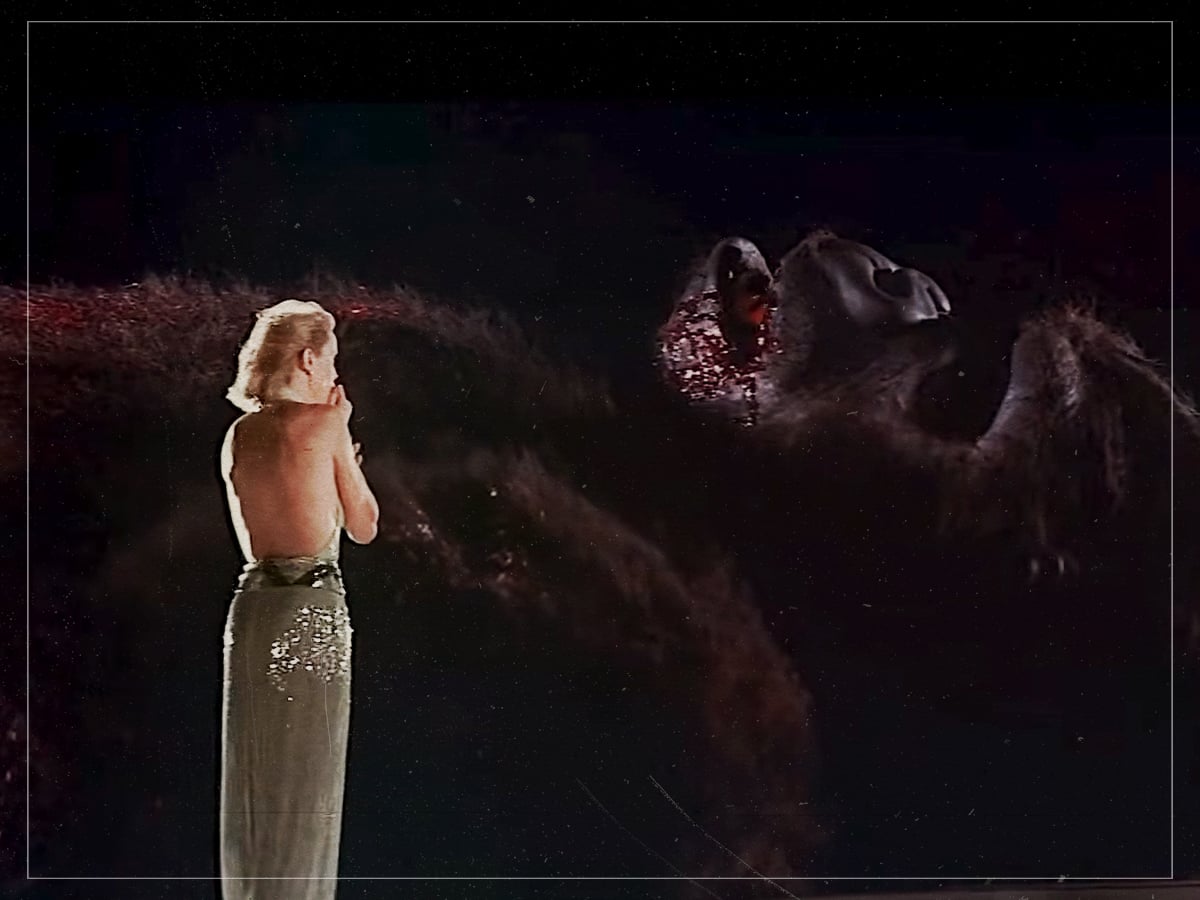
“Coast to coast tours, beauty and the beast, that’s a grotesque farce!”
The original 1933 King Kong is such a beloved classic that every subsequent version of the story has struggled to live up to the massive expectations. While the 1976 film did attempt to make some changes to the material, it couldn’t alter the fact that the conclusion of the story was definitive, and that a majority of the audience was already aware of every moment from the 1933 version.
The first original film included the famous line “It was beauty that killed the beast”, which perfectly embodied its tragic ending, and while it would have felt too cliché to repeat the exact line, the 1976 film tried to work in the same reference to the fairy tale in a hackneyed way that felt hokey. When Peter Jackson remade the film once more in 2005, he simply kept the original line as written.

Never Miss A Tale
The Far Out Michael Caine Newsletter
All the latest stories about Michael Caine from the independent voice of culture.
Straight to your inbox.