


The co-star Marlon Brando couldn’t stand working with: “They did not like each other”

There was no secret recipe or magic formula for getting the best out of Marlon Brando: he was either interested in the work or interested in the money, and the longer his career wore on, the more precedence the latter began to take.
By the final decades of his career, Brando’s reputation had become almost as famous as his performances. Stories of his unpredictability, reluctance to learn lines and frequent clashes with filmmakers often accompanied discussion of any new project he joined.
It goes without saying that when he was firing on all cylinders, few in cinema history have ever been better. The two-time Academy Award winner is still spoken about in hushed and reverential tones by those who followed in his wake, and many of the people who’ve borderline deified him are among the all-time greats in their own right.
Brando’s last great performance came in Francis Ford Coppola’s seminal Apocalypse Now, which spoke volumes about his natural talent because he was an utter nightmare. He turned up out of shape, hadn’t read the script, and had little interest in being an active participant, and yet he could still deliver the goods.
After that, flickers of his greatness were few and far between. Brando only made another 12 movies between Apocalypse Now and his death in 2004, and three of them were never released, with his off-camera antics overshadowing anything he was doing onscreen. His reputation preceded him long before the late 1990s, so it shouldn’t come as much surprise that he was up to his difficult tricks during his penultimate performance.
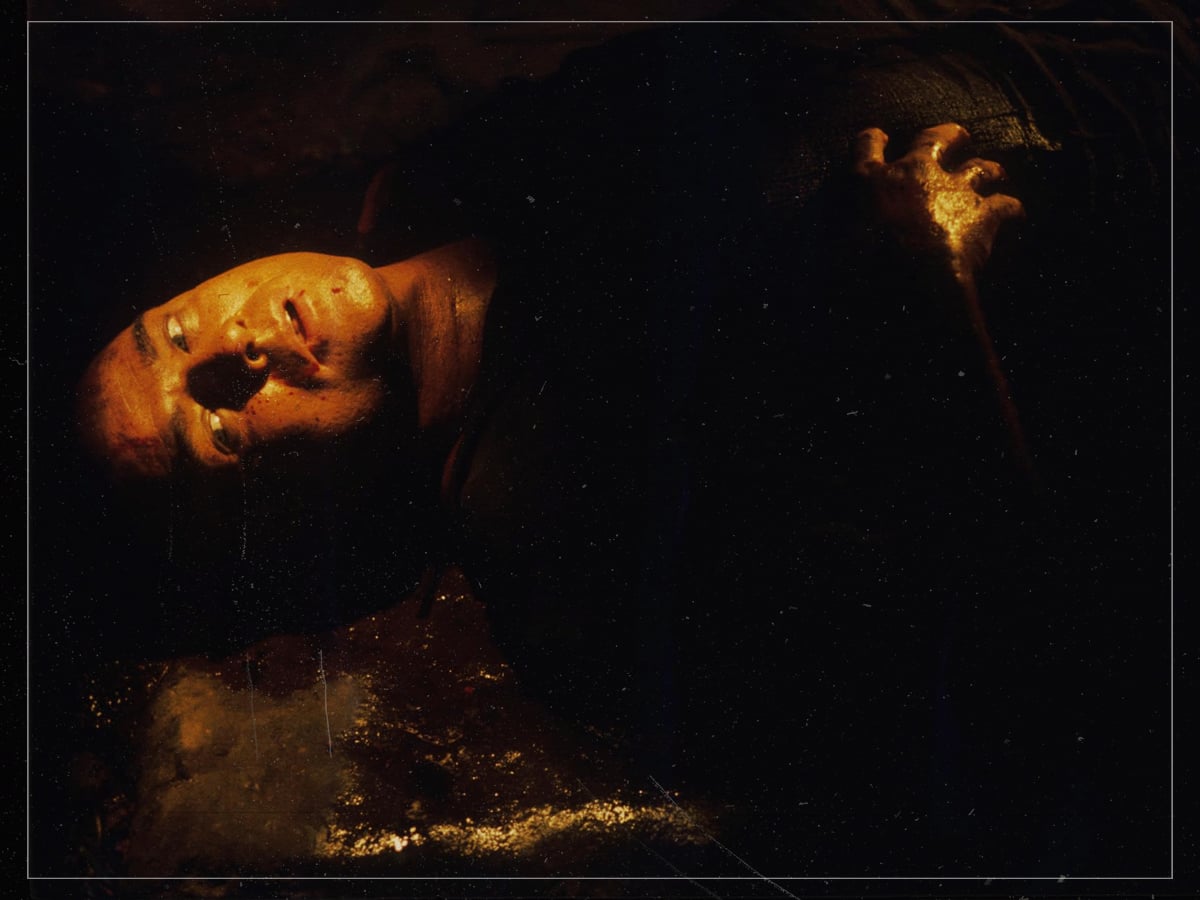
Director Yves Simoneau’s Free Money felt like a lightweight Coen brothers knock-off, with Brando’s prison warden using Donald Sutherland’s corrupt judge to abuse his position of power. When the latter’s twin daughters end up pregnant at the same time, Charlie Sheen and Thomas Haden Church’s fathers-to-be decide to stick it to Brando’s character by mounting a daring train robbery and making off with the loot.
Mira Sorvino, relatively fresh from her Oscar-winning performance in Woody Allen’s Mighty Aphrodite, played an FBI agent and the daughter of Sutherland’s character, who arrives on the scene to trace the rampant corruption to its core. She shared plenty of scenes with Brando, which he didn’t enjoy.
Although Sorvino was among Hollywood’s rising stars following her Academy Award success, Free Money struggled to attract significant attention. The film arrived at a time when Brando’s involvement alone was no longer enough to elevate a modestly budgeted crime comedy into a major event.
“Look, was it the best material in the world to serve Marlon Brando at that point in his career? Probably not,” Church admitted to Texas Monthly before revealing the bad blood on set. “Marlon and Mira did not like each other for whatever reason, and I think that made their interaction even darker. When I saw it, I was disheartened.”
It was Brando’s last time taking top billing in a feature, and it was hardly worthy of his legacy. Not only is Free Money a staggeringly unmemorable film, but the iconic star had to spend the majority of the production working in close proximity to somebody who couldn’t stand, even if he should have been accustomed to rubbing people the wrong way on set by that time.
In the end, Free Money serves as a reminder of the gap that can exist between talent and results. While Brando remained one of the most influential actors in cinema history, even a performer of his stature could not guarantee artistic success. By the time the film arrived, his legacy had long since been secured elsewhere, leaving Free Money as a largely forgotten footnote in an otherwise monumental career.
