


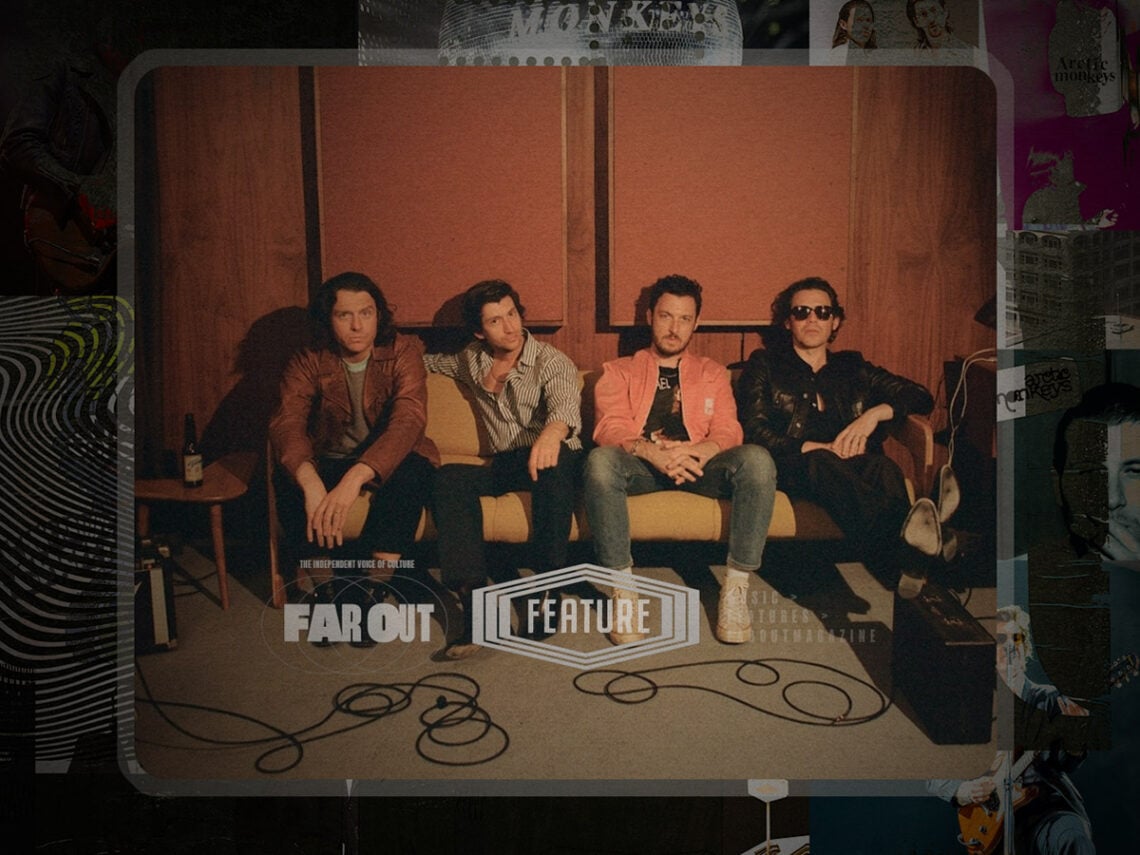
From the rubble to the ritz: The 10 most pivotal moments in Arctic Monkeys career

For many, the first time they heard from Arctic Monkeys was the words of young and scrawny Alex Turner.
In a low-budget music video, the Sheffield youngster took to the mic and announced, “We’re Arctic Monkeys, and this is ‘I Bet That You Look Good On The Dancefloor’. Don’t believe the hype.” From that point on, the rest is history.
Well, actually, that feels like a pretty unfair assessment of the band. Sure, those early singles and that first album were huge contributing factors to their success, but there’s a lot more to them than an LP centred around nights out in Sheffield. The debut gave them a platform, but you don’t become one of the biggest indie bands in the world off the success of one album, as if that were the case, Scouting For Girls would be headlining Coachella.
Arctic Monkeys’ entire career has been one of new ideas, bold decisions, and huge landmarks. Never chasing the same sound, the band have been one of the most versatile in recent generations, and their creative persistence has led to a flourishing discography celebrated far and wide.
The 10 biggest moments of Arctic Monkeys’ career:
The first gig

While the band might have had an idea about the kind of music they wanted to make, it’s playing live shows where these original concepts are harnessed and perfected. Given the energetic nature of indie music, there aren’t many bands within the genre that don’t owe a large proportion of what they ended up making to their live shows, and Arctic Monkeys are no exception.
It was The Grapes in Sheffield where the band played their first ever show, still considered one of the best pubs in the city. It’s a historic building where you can buy a great Guinness and stand in the folds of history. A lot of what Arctic Monkeys went on to do can be attributed to that first ever show, a cosy pub in the town they went on to write about.
The release of ‘Whatever People Say I Am, That’s What I’m Not’
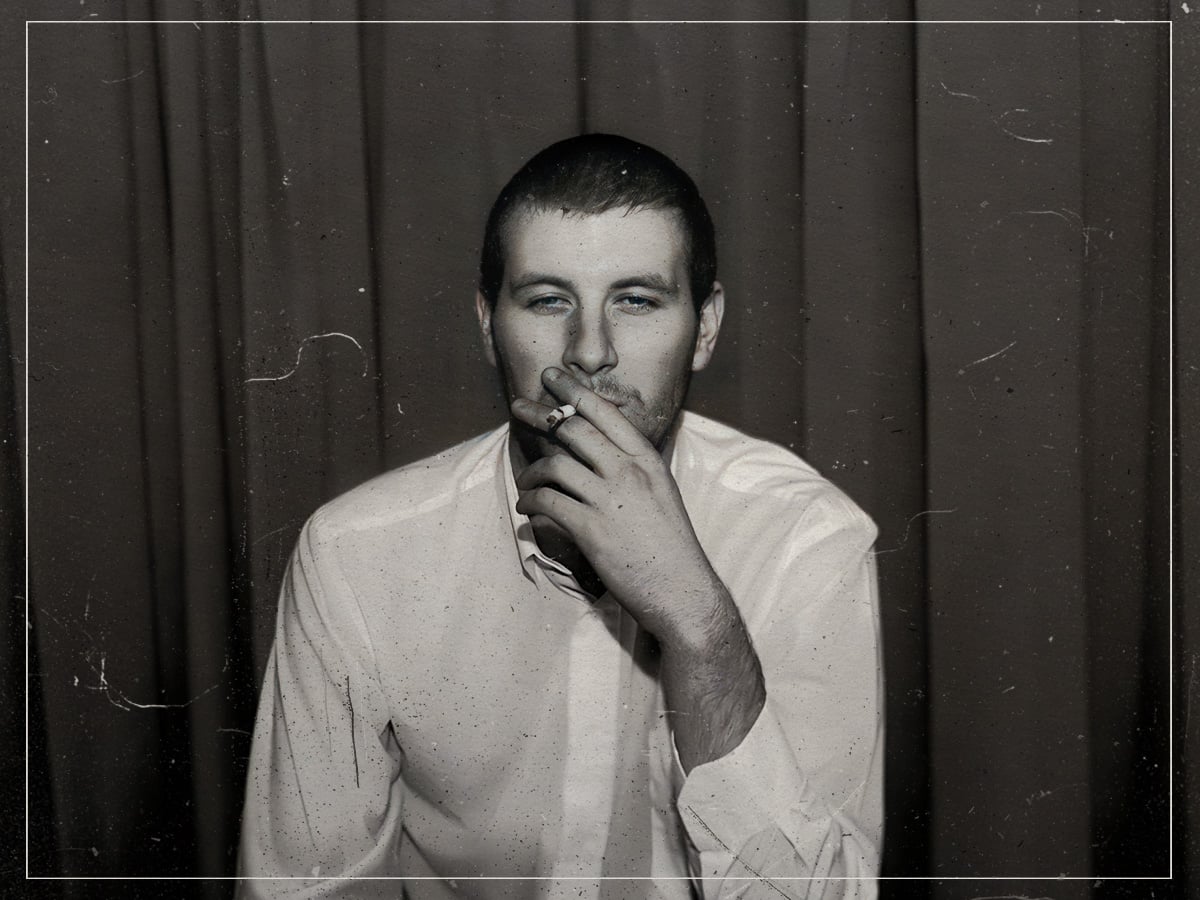
20 years ago, Arctic Monkeys released what is commonly referred to as one of the greatest indie albums ever made. I really can’t understate just how important this record is to a lot of music lovers in the north of England. Look through their record collection, and that cigarette-smoking stranger will offer you a drag at some point.
It was one of the most honest indie albums out there, refusing to paper over the cracks that came with being a working-class northerner, but also highlighting the beauty in such a life. Your nights on the piss, pointless scraps, taxi rides, all of them were covered, but they were presented poetically, uncovering the nuance which came with the hand you were dealt. Go past many an indie bar in Sheffield to this day, and you’ll struggle to find somewhere not playing this record.
The Mercury Prize victory

There are a great deal of references to South Yorkshire on the band’s debut. Places like Hillsborough, Park Hill, West Street, High Green and Rotherham all get nods, as the accurate portrayal of the north doesn’t bother with developing a sense of mystery and proudly pays homage to its muse. The album was always going to be a success in these parts, but there was no guessing how it might travel; that was until music’s ultimate validation came along.
On September 5th, 2006, the young men from Sheffield took to the stage in London to accept their Mercury Award. This was a huge moment for the band, as it showed that their album wasn’t just big in the home counties, it was good enough to travel to pastures far and wide, receiving the acclaim of both critics and the people who filled local indie bars in the process.
The Mercury showed the band they had made a truly exceptional piece of music, but it also raised the question: Were these four here to stay, or were they one-hit wonders?
The tricky follow-up

It’s a problem that bands everywhere have faced: how do you release a second album when the first was a massive success? Too many artists sit there and ponder over this question, so much so that they wind up overthinking the entire record, but not Arctic Monkeys. With Favourite Worst Nightmare, people got a slightly more mature version of their debut, and it blew minds all over again.
If you were to ask the band, they would say this is one of the records they felt they could have done better. When discussing Favourite Worst Nightmare, Alex Turner said, “It’s fine, just not that considered.” He also admitted, though, that he was happy they made the record, given that it allowed them to move on from the pressure of the first album and branch out creatively.
Arguably, the thing which has kept Arctic Monkeys so relevant in the world of indie is how much they adapt and change their style. If they hadn’t gotten the second LP out the way, they may have never done this.
“I’m really glad we did it,” said Turner, “Otherwise I might still be sitting around trying to write ‘Hallelujah’. After that, we all thought we needed to move on… if only to prove that it weren’t all about those 12 songs about the chip shop.”
The Glastonbury headline set

So, Arctic Monkeys were the biggest band in Britain, and with that, it was time to play on the biggest stage in Britain. Following the release of their second album, the Sheffield phenomena were booked to headline Glastonbury, alongside titans of music The Killers and The Who. How would the new generation fare?
Well, the gig certainly wasn’t the most memorable Glastonbury performance, with nerves clearly visible and the band being somewhat static; however, the crowd didn’t care. When you watch that performance, you see an audience captivated by nothing more and nothing less than the quality of proper reyt tunes. Perhaps a highlight was during ‘When The Sun Goes Down’, when Turner stepped away from his mic and allowed the audience to sing the song for him.
With this performance, Arctic Monkeys showed that, whilst they may not have had the greatest stage presence, they were good enough to play on the biggest stages. From this moment on, two albums down and Britain’s topping Britain’s biggest bill, the world was well and truly their oyster.
A change in tone
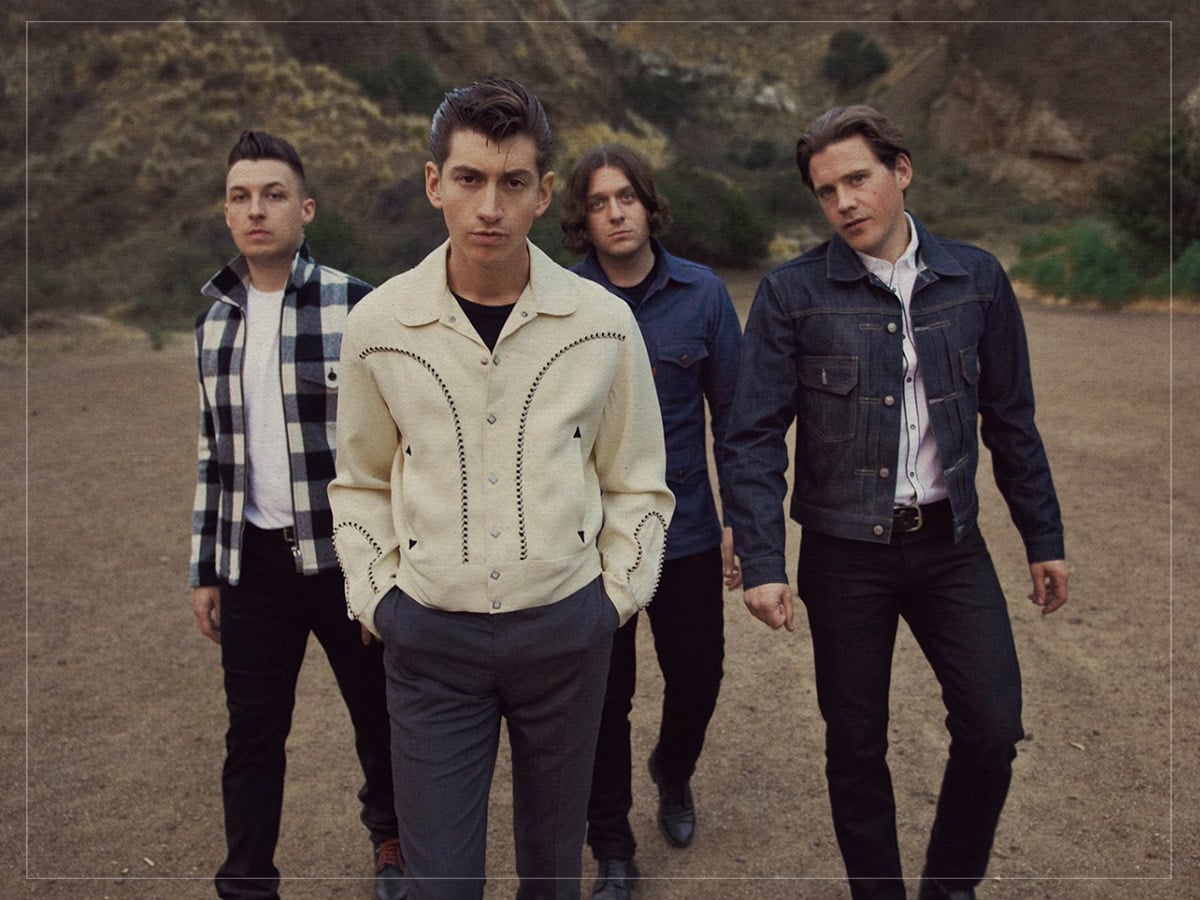
Like many of their indie peers, Arctic Monkeys could have faltered at the first hurdle when it came to artistic progression. Most bands in the same British indie pool did just that, in fact, falling to the wayside after putting out a good couple of initial records.
Arctic Monkeys, on the other hand, proved that they didn’t just have what it takes to become one of the most timeless acts in rock history; they also proved that their limits know no bounds and that whatever path they take, fans will surely follow. Humbug was as much a testament as any to this unmatched ability to keep developing past their roots, while Suck It And See built on their ability to give music its live-leaning charm while keeping its emotional core.
Success in America
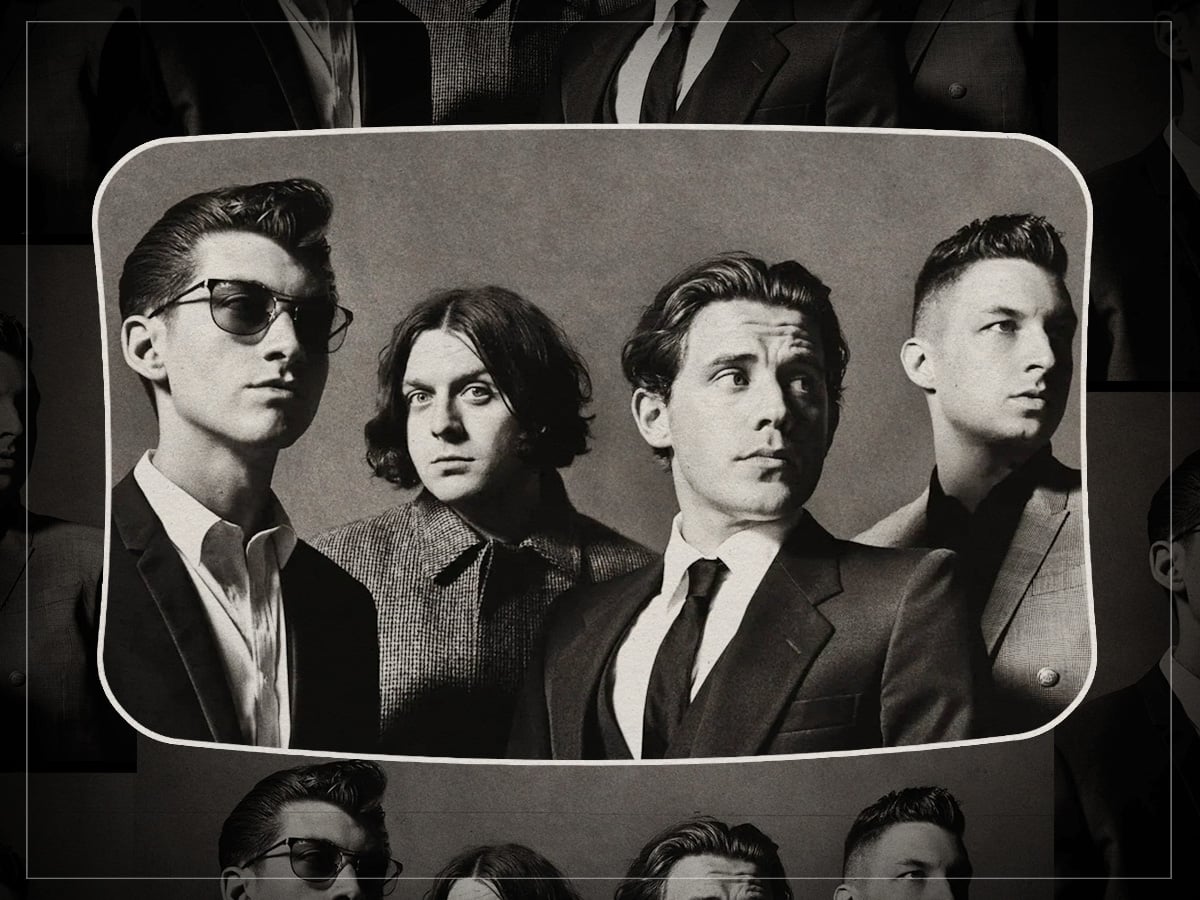
Most people might argue, and for good reason, that Arctic Monkeys’ story truly began after the release of their magnum opus, AM. It’s easy to see why. Their familiar northern English kitchen-sink charm had suddenly upgraded to a more universal flavour of rock with songs that tapped into everything that mainstream global audiences yearn for.
With hard-hitting riffs and rhythms, Turner’s penchant for poetic lyricism, and themes of romance seeping through the cracks, AM was always going to ensure the band soared to new heights. And its press run came with a streak of iconic moments, too – including Turner’s classic one during their Brits acceptance speech in 2014, “That rock and roll, eh? It just won’t go away.”
The second Glastonbury headline set
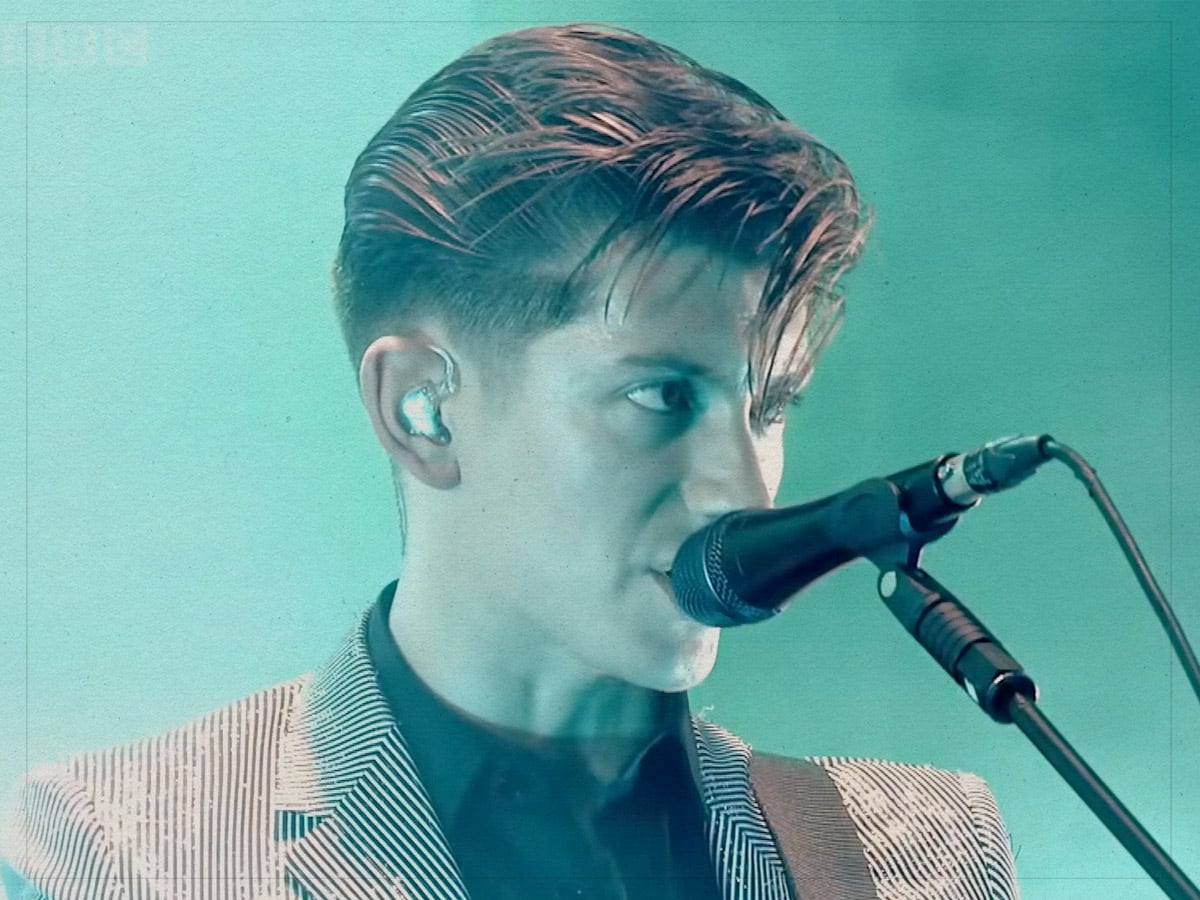
Arctic Monkeys’ first Glastonbury set might have been a little wobbly in places, with nerves high and the stakes even higher, but it did set them on a path to consistent wins, culminating in a second go of it in 2013 when Turner really had a chance to flex his newly rebranded rock star image. For what it’s worth, the second headline was the one that truly solidified their place both as stalwarts of the festival itself and gods of modern rock.
The release of AM proved that the band were equal parts the cheeky, down-to-earth entity they’d always been as well as one with endless scope for maturity and development. And with the second Glastonbury set, the band made it clear that they were, once and for all, a force to be reckoned with when it came to live performances – something they’re still commended for to this day.
Dabbling in concept

As is the case with most bands of their calibre, Arctic Monkeys’ so-called downfall was inevitable. But before we get ahead of ourselves, the band’s sixth studio album, Tranquility Base Hotel + Casino, was in no way, shape or form their “downfall”. In fact, those who considered it to be were misplacing all meaning of artistic expression and progression, with the band shifting to explore more experimental and conceptual ideas in a way that worked for them.
The following record, The Car, was built on this path to realising their vision independent from any media or cultural opinion or influence, delivering many tracks which reflected the earlier, self-deprecatory manner of speaking from which Turner got his start. The Monkeys were never going to stay in one place for long, and these records proved that, once again, their artistic capabilities know no bounds.
‘Opening Night’

“Ten years later, it’s been a decade,” Turner sings on the band’s latest single for War Child, ‘Opening Night’. What a way to commemorate ten years of highs, highs, and more highs, than with a single that brings it all together and for a good cause.
Arctic Monkeys might be one of the most elusive bands in modern rock history. They might be one of the most frustrating acts to follow because of it, but you can’t ignore the fact that they’ve earned the right to stop and smell the roses after essentially changing the indie-rock game forever. People won’t be sure about the track; it’s certainly one you have to sit with for a while.
But as we’ve seen, all the best Monkeys moves happen like this. There are moments of complete explosion, but also ones that have to stew for a little longer, cutting deep into the core of everything you ever thought a legendary rock band could and should be.
