


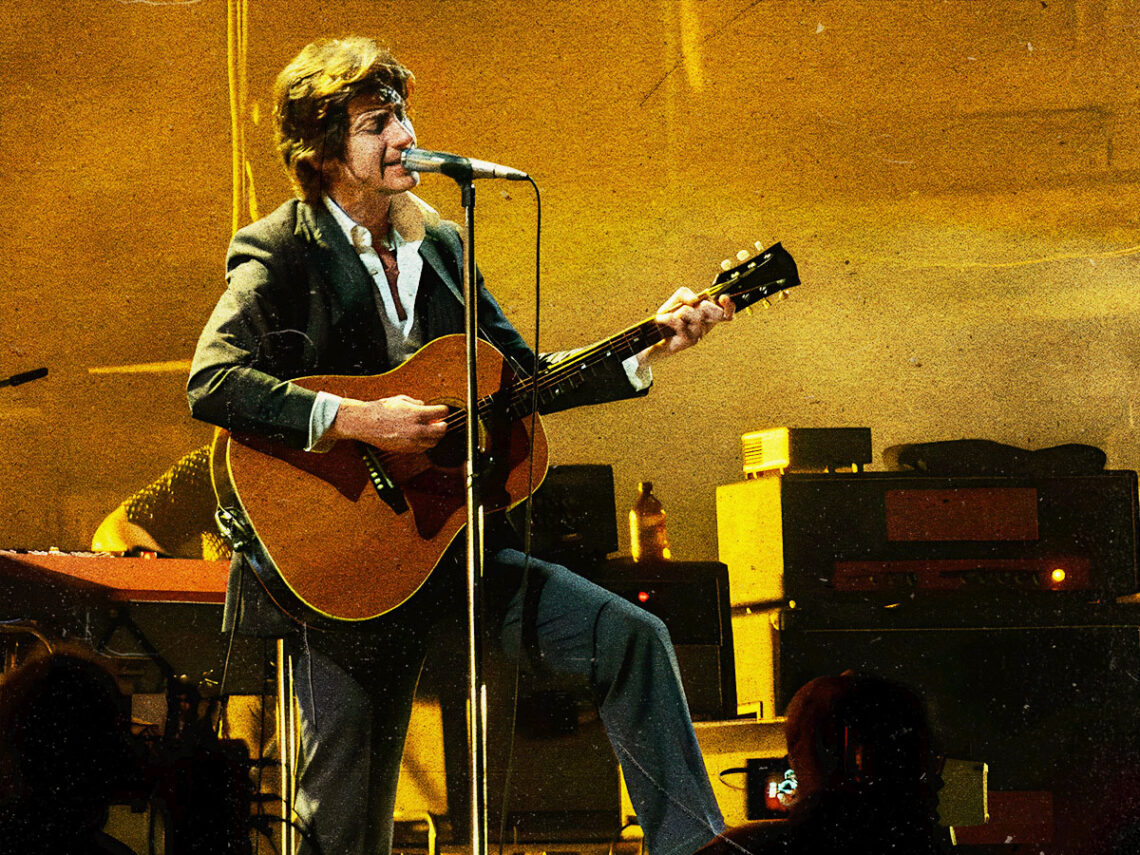
The Arctic Monkeys album that Alex Turner said was “not that considered”

To this day, the Arctic Monkeys story remains the envy of most indie bands. Their debut album, Whatever People Say I Am, That’s What I’m Not, was an instant hit, well received by both critics and fans alike. This saw the group skyrocket to fame, be nominated for countless awards, and wake up a music industry that was relatively dormant at the time.
Since then, the band have only gotten bigger. Their recent tour is the largest to date; they’ve headlined countless festivals, and with each album, a new generation of fans are climbing on board. For a band whose first hit single started with the announcement “don’t believe the hype”, Arctic Monkeys are certainly no strangers to it.
People will have varying opinions about what has led to the band’s success, whether this is their consistent coolness over the years, Alex Turner’s beautiful big brown eyes or a northern charm that resonates worldwide. That being said, two of the most crucial components towards their popularity are undoubtedly the instant success of the first album and the band’s versatility moving forward.
Having a successful first album is a double-edged sword. A lot of bands who stormed out of the gates with hit singles and number one debuts have been unable to ever match the expectations that they set for themselves as a result. Arctic Monkeys were faced with that issue when creating their second LP, Favourite Worst Nightmare, a record which, despite being well-received, Turner has been somewhat dismissive of.
“It’s fine, just not that considered,” Turner said in an interview with The Guardian. “Though I’m really glad we did it – otherwise I might still be sitting around trying to write ‘Hallelujah’. After that, we all though thought we needed to move on… if only to prove that it weren’t all about those 12 songs about the chip shop.”
Direct parallels can be drawn between Whatever People Say I Am, That’s What I’m Not and Favourite Worst Nightmare. The tone of a lot of the songs is the same, and vocal melodies mirror one another, making the second album a clear continuation of a working formula. The third record, Humbug, saw the band go in a completely different direction, one which was met with mixed reviews from fans but that seemed to grant Arctic Monkeys permission to go where their heart told them to and not stick with the same old structure.
In the same interview, Turner told The Guardian: “We want to get better rather than get bigger”. With that, Arctic Monkeys continued to write music they could connect with, even if it might have sometimes left fans dumbfounded. Recent albums such as Tranquillity Base Hotel and Casino and The Car have certainly divided audiences. However, a willingness to engage with their creativity and continue making versatile music has arguably led to the continued success of Arctic Monkeys.
In this sense, the difficult second album, the one that Alex Turner himself says is “not that considered”, could be the best thing to ever happen to the band. Getting over a hill that so many artists fail to climb granted the band creative freedom, something they have continued to use and that has kept them at the forefront of mainstream music for almost two decades. In this sense, considered or not, the second album really is their favourite worst nightmare.
