


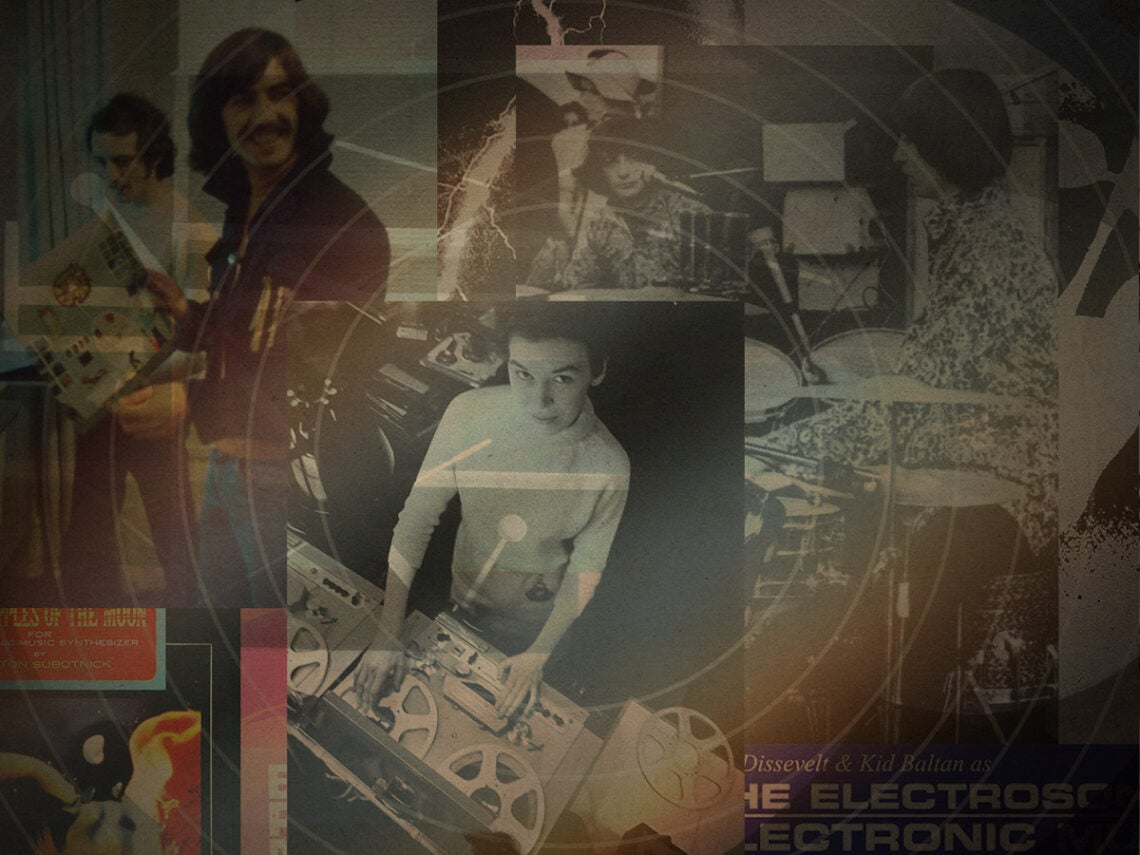
The 10 most pioneering electronic albums from the 1960s

If the 1970s were the decade of the synthesisers, the 1960s were its small but bold step into the rock and pop world.
At the beginning, as rock and roll’s embers were still glowing on the US charts and beyond, electronic music was beginning to see pop hinterlands beyond the confines of classical academia and university campus chin-stroking. It would take a while. Synths had yet to hit the market, and even the Mellotron’s mechanical tape wonders were still in development, electronic music only hitting the mainstream via the sci-fi B-movie pictures’ eerie alien whines, or the incidental effects beginning to be conjured for TV and radio with growing allure.
It would take the countercultural explosion blooming across both sides of the Atlantic to propel electronic music to a wider stature. Straddling the avant-garde and the Billboard charts, The Beatles and Frank Zappa would borrow the tape cut musique concrète novelties to unearth weird sounds, then the Moog synth’s presence among The Monkees and The Doors’ work would kickstart all kinds of monophonic flavours once classic rock strutted into the 1970s.
Amid the 1960s’ curious collision of pop and the artistic fringes, such electronic innovators found an intrepid audience eager to consume their unwittingly psychedelic and far-out imaginings, spanning a spectrum of records directly shaped by the underground’s radical lysergia, and some who were heralded as the forgers of new sounds almost by accident.
The language and identity of electronic music would be laid out by the 1970s’ sonic blueprint, but the 1960s is the decade of electronic music as research and development, a truly unknown frontier terrain, excavating new sonic realms whose paths the synthesists of tomorrow would follow to greatness. Here we salute those early radicals and pick the albums that best document electronic music’s gloriously alchemic discovery.
The 10 most pioneering electronic releases from the 1960s:
Tom Dissevelt & Kid Baltan – ‘The Electrosoniks: Electronic Music – A New Concept of Music, Created by Sonic Vibrations’
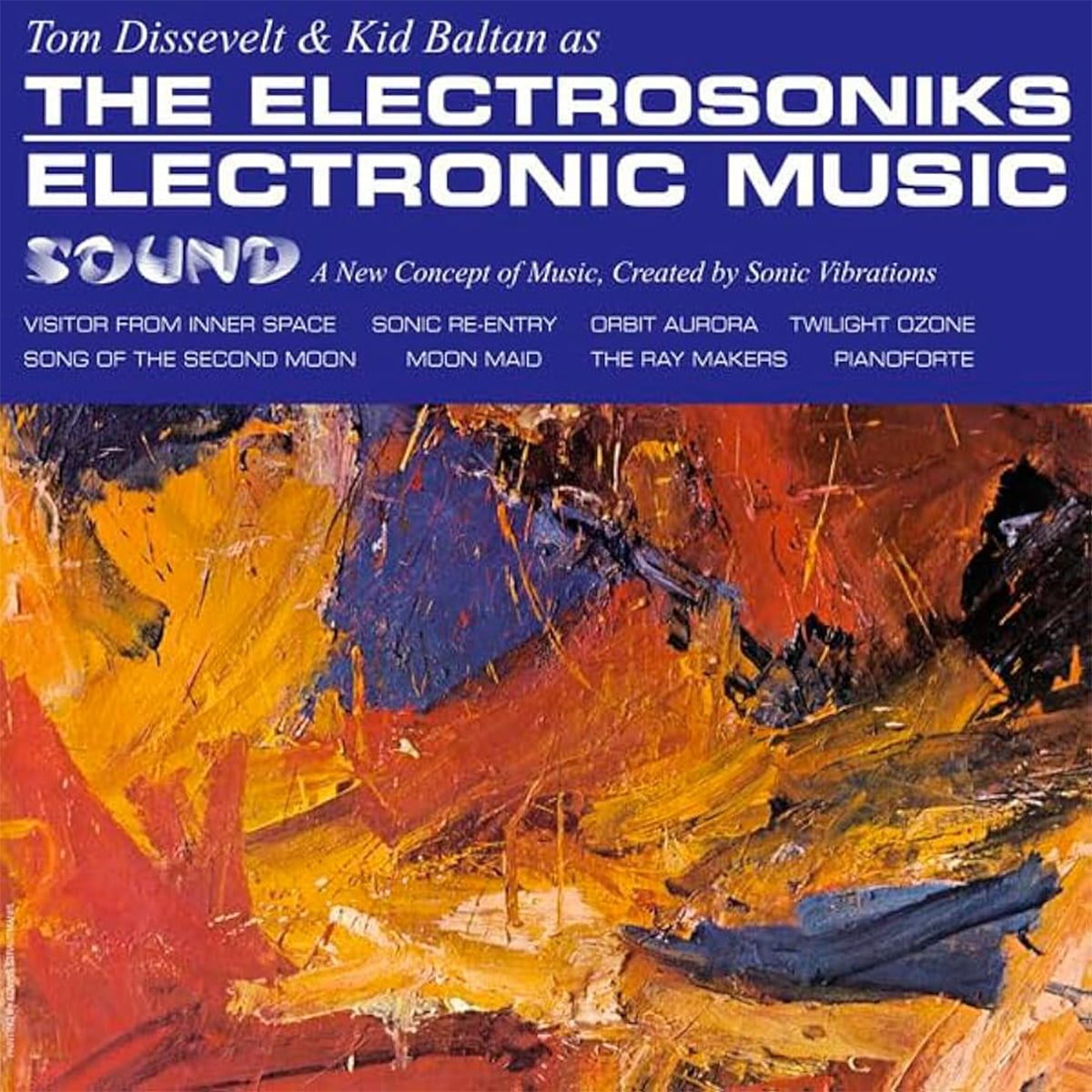
Release Date: 1963 | Producer: Tom Dissevelt | Label: Phillips
Originally a student of the trombone and music theory at the Royal Conservatory of The Hague, Dutch composer Tom Dissevelt soon took an electronic turn upon hearing the pioneering works of Karlheinz Stockhausen and his musique concrète theories. Before long, the country’s Phillips label invited Dissevelt to record nascent electronic pieces in the new NatLab department, a meeting of music and science engineered by Dick Raaijmakers under the Kid Baltan alias.
Various incarnations of their LP together existed as early as 1959, before being issued under the more enduring The Electrosoniks: Electronic Music – A New Concept of Music, Created by Sonic Vibrations in 1963. Creating futurist jazz pieces with tape recorders and test oscillators, Tom Dissevelt & Kid Baltan’s opus album together zaps and gleam with an undimmed electronic sheen even to this day.
George Harrison – ‘Electronic Sound’
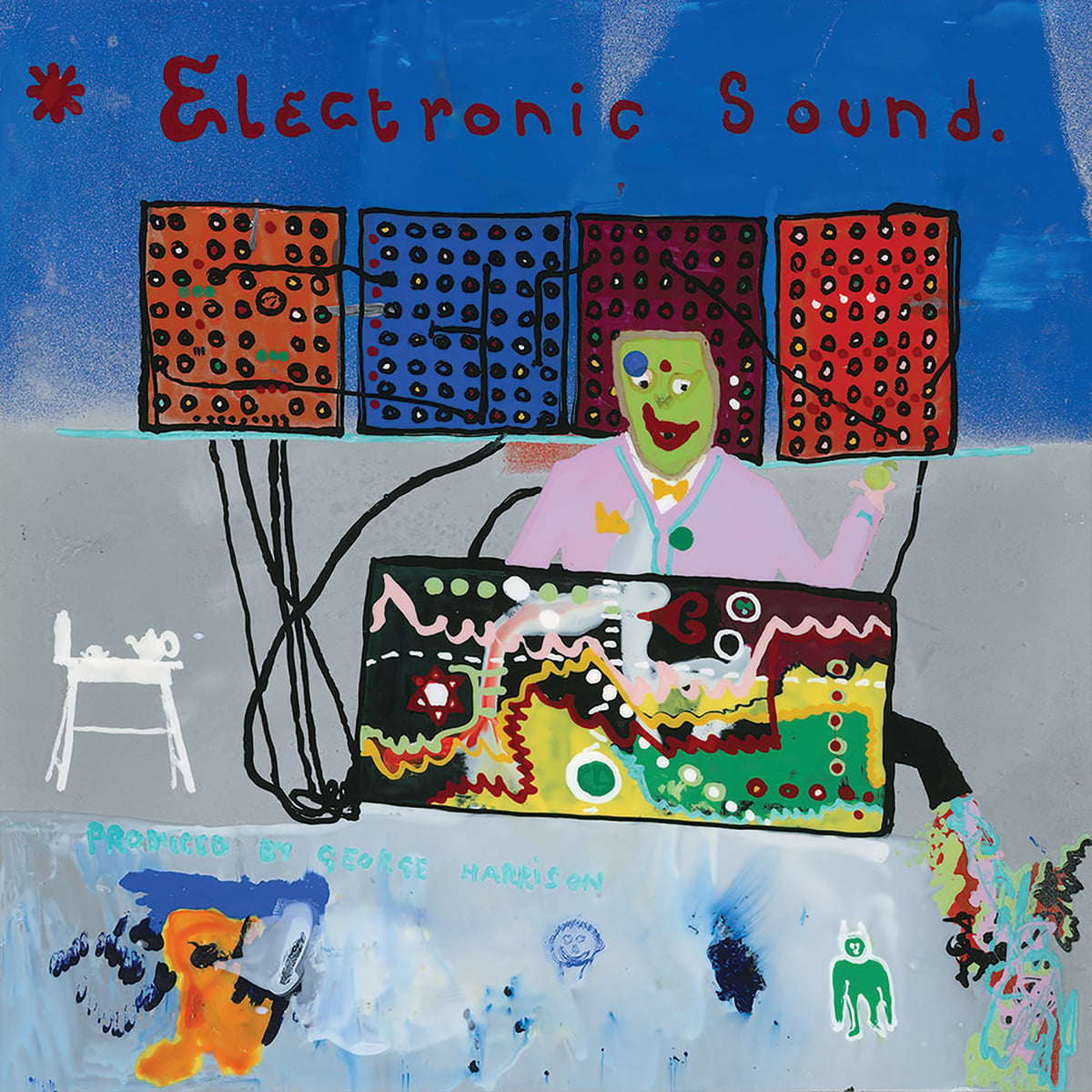
Release Date: May 1969 | Producer: George Harrison | Label: Zapple
George Harrison had actually experimented with electronic music on the previous year’s Wonderwall Music, imbuing his raga pieces with smatterings of tape loops and Mellotron washes. Forking out the hefty price tag for a Moog Series-3, the gargantuan unit’s shipment over to his Esher residence afforded the curious Beatle plenty of time to explore the instrument’s strange tonalities.
While rightly criticised for lacking focus, 1969’s Electronic Sounds, the last issue on the Apple Records offshoot, Zapple, would nonetheless break sonic ground, showing just how dextrous and multi-dimensional the synth could wander with some patience and fine-tuning. Forming an important if not wholly interesting footnote in electronic music, Harrison’s Moog would go on to find a home in EMI Studios’ Room 43, ready to add some electronic colour to the Abbey Road sessions.
Wendy Carlos – ‘Switched-On Bach’
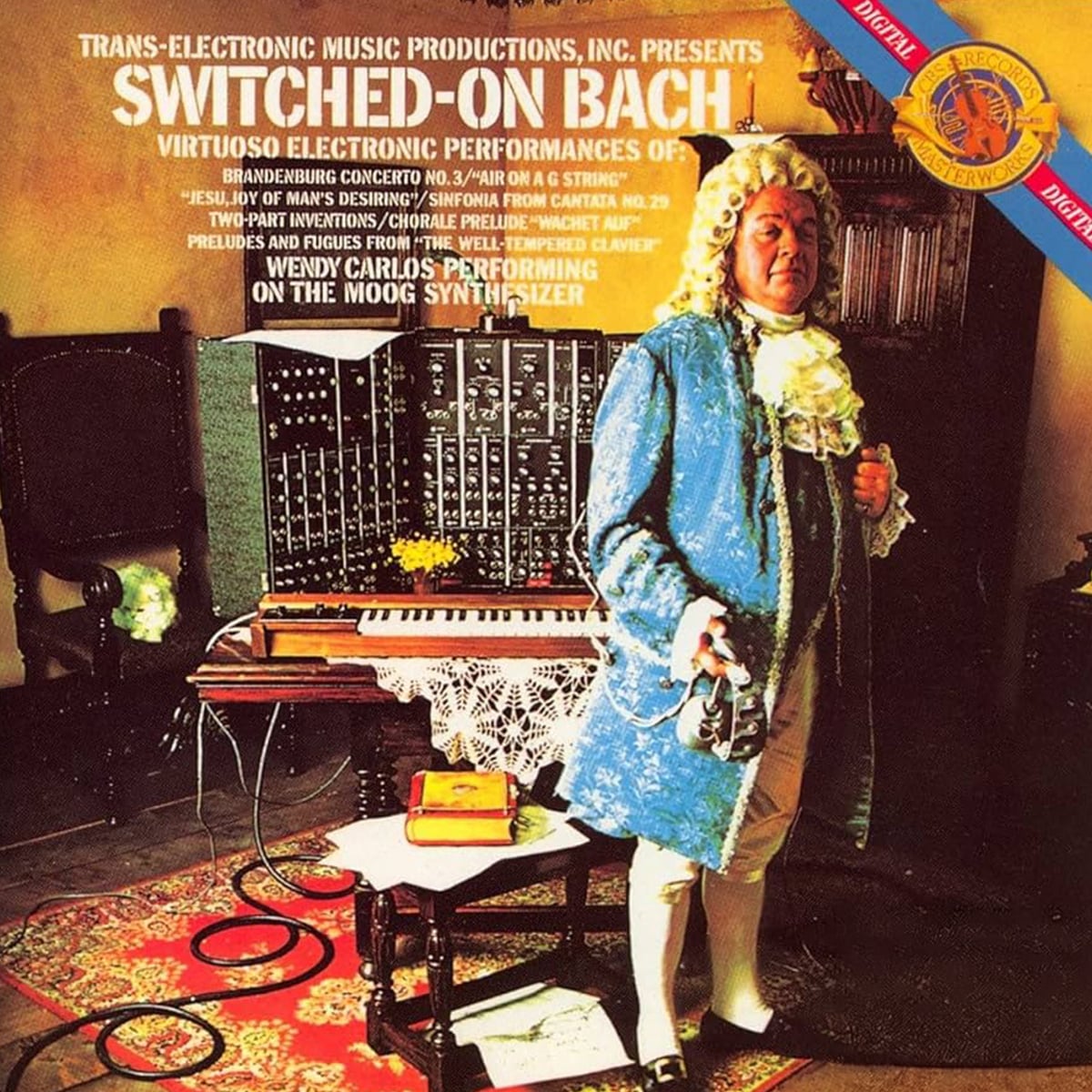
Release Date: October 1968 | Producer: Wendy Carlos and Rachel Elkind | Label: Columbia Masterworks
While the new-fangled synth sounds had garnered fascination from the avant-garde underground, composers like Wendy Carlos found the eventual electronic experiments “ugly” and sought to counter with her own synth creations as “appealing music you could really listen to”. Raiding the public domain works of German composer Johann Sebastian Bach, Carlos translated his classical canon via Dr Robert Moog’s revolutionary namesake modular synth, only just been grappled with by those in the rock and pop world.
Likely the first time the mainstream knew they were explicitly listening to a Moog, Switched-On Bach proved a landmark demonstration of the iconic synth, expressing a rich sonic tapestry of voices and patched modules, capturing Bach’s charm with robust musicality. Peaking at a whopping number ten on the Billboard 200, Carlos placed the synth outside the confines of the underground with definitive authority.
Morton Subotnick – ‘Silver Apples of the Moon’
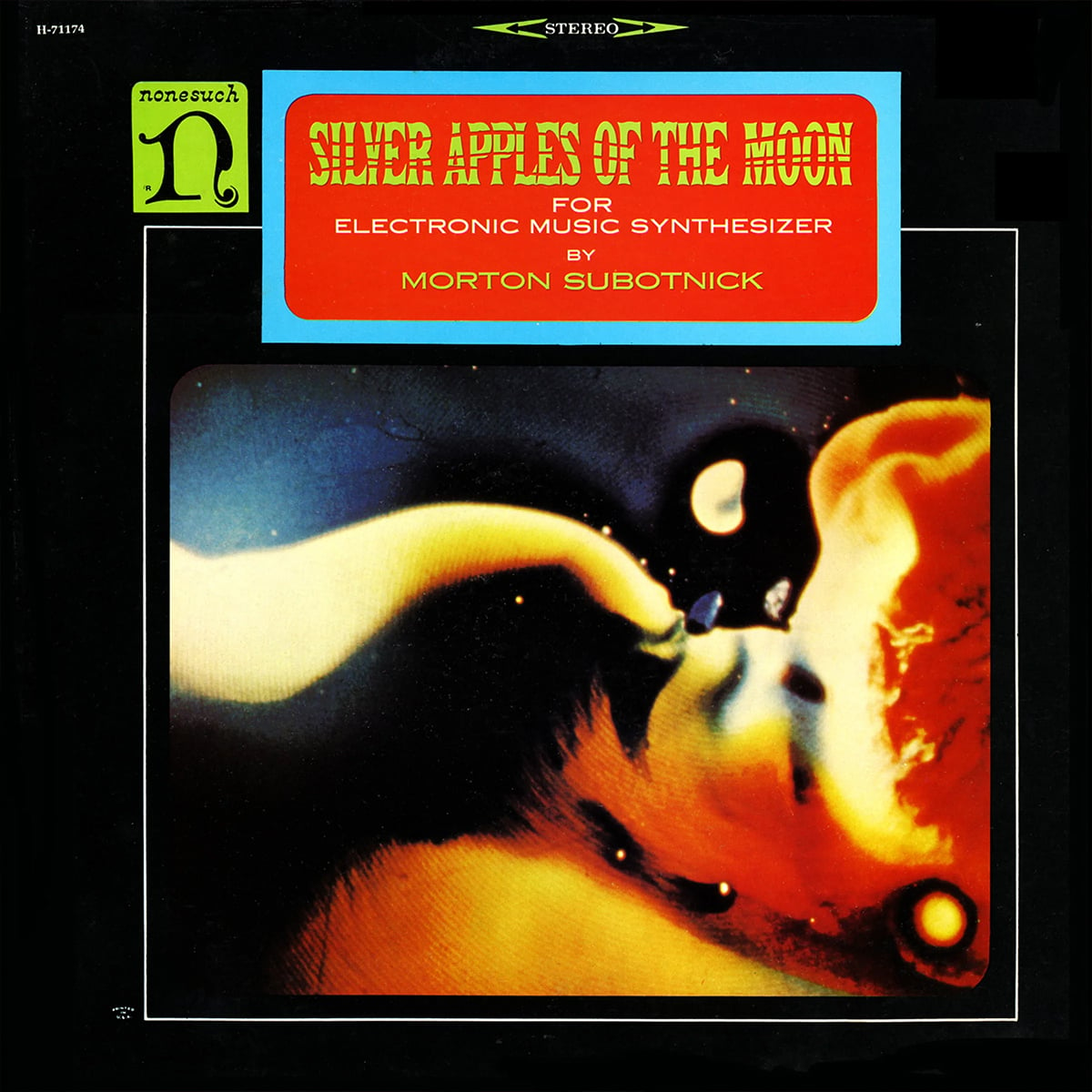
Release Date: July 1967 | Producer: Morton Subotnick | Label: Nonesuch
Morton Subotnick had been playing with electroacoustic technology as early as the late 1950s while a student at California’s Mills College, discovering the wonders of cutting and pasting the human voice into new arrangements in a practice he dubbed “music as studio art”. Not long after, Subotnick would help create the Buchla 100 modular synthesiser, often deemed the world’s first analogue synth.
Wielding the Buchla 100 as the album’s sole instrument, Subotnick harnesses its strange tones and patterns to score 1967’s ghostly Silver Apples of the Moon, a remote plane of twingling electronics and analogue shards soar between glacial swing to chirping wrestle like intelligent beings communicating with each other. Dropped in the midst of the Summer of Love, Subotnick’s defining LP leaves a legacy touching even Warp Records and its surrounding techno underground.
Tod Dockstader – ‘Eight Electronic Pieces’
Release Date: 1961 | Producer: Tod Dockstader | Label: Self-released
There’s little surprise that Tod Dockstader was a student of film and painting before entering the world of electronic music. Having worked in Hollywood as an editor and sound engineer before lending a major hand in the Terrytoons animation studio, Dockstader’s forays into tape manipulation and musique concrète experiments ping and pop with highly visual flair, able to construct an aural traverse just as deftly as his skills in the cinema editing suite.
While creating work alongside electronic music’s early proliferation with Karlheinz Stockhausen, Edgard Varèse and John Cage, Eight Electronic Pieces nudges past the lauded competition with electronic essentiality, laced with academic undercurrents bordering on the philosophical, over his peers and powered with a certain coherency, realising the milestone as an album in the truest sense.
BBC Radiophonic Workshop – ‘BBC Radiophonic Music’
Release Date: 1968 | Producer: John Baker, David Cain, and Delia Derbyshire | Label: BBC Records
Back in 1958, a strange department of the BBC’s Maida Vale Studios began emitting strange new sounds for the corporation’s TV and radio content, be it eerie audio for Doctor Who’s sci-fi or surreal skits for the likes of The Goon Show. The shadowy cabal of artists and sound scientists would unwittingly make a foundational impact on electronic music, the BBC Radiophonic Workshop establishing a world-class body of work perfecting the art of tape manipulation and looping effects.
While strictly a compilation, any electronic LP list of the 1960s would be remiss not to include the Workshop’s BBC Radiophonic Music. A collation of various pieces soundtracking idents, jingles and incidental soundscapes, John Baker, David Cain, and Delia Derbyshire’s explorations all brim with intrepid vigour across the landmark collection, documenting a time when TV culture actually allowed a bit of risk-taking to explore new ideas.
Terry Riley – ‘A Rainbow in Curved Air’
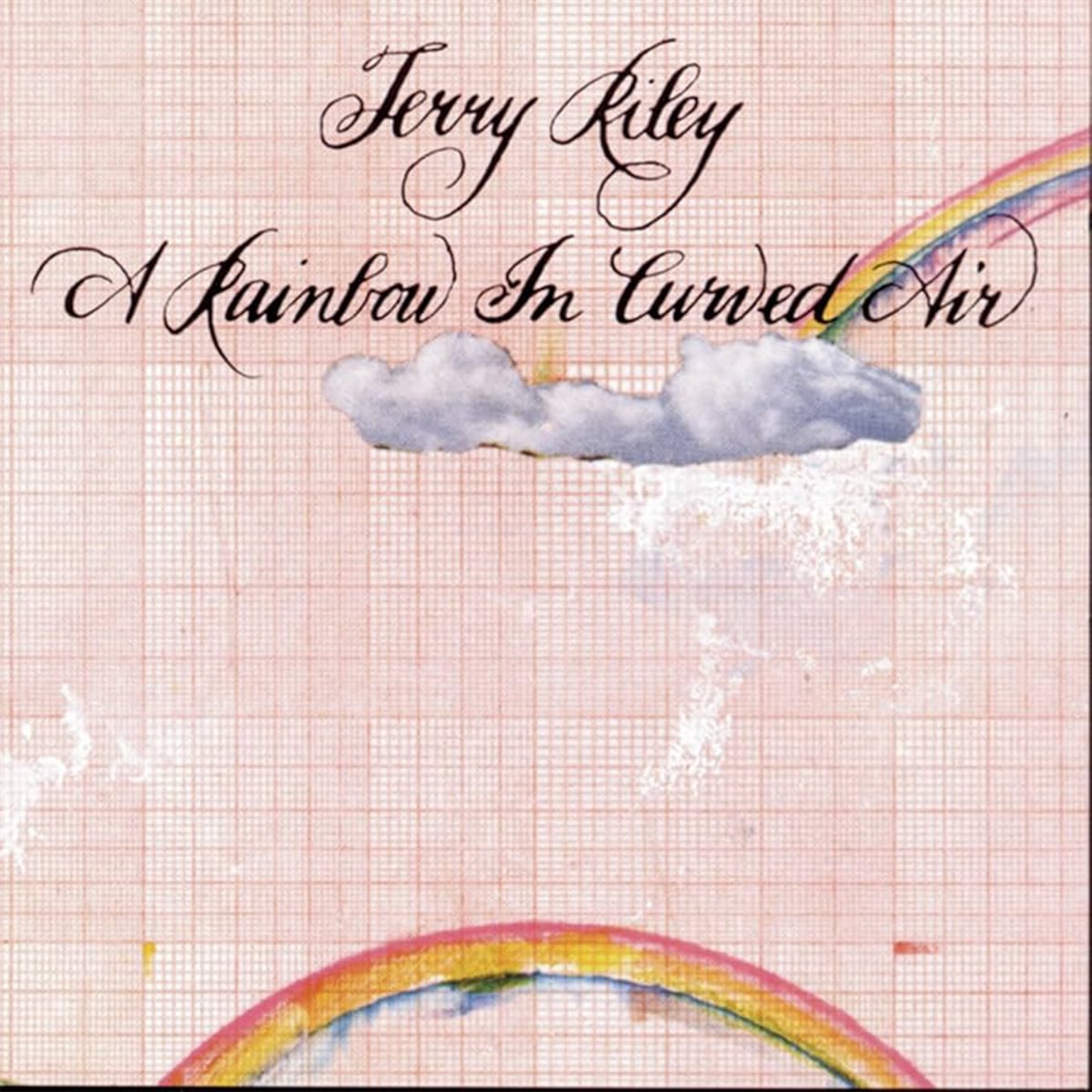
Release Date: 1969 | Producer: David Behrman | Label: CBS Records
American composer Terry Riley had already marked a visionary presence in the minimalist world for years, utilising tape delays and loops to further his immersions in microtonal explorations. Having encountered his work several years earlier, Columbia’s David Behrman sought to sign up Riley for CBS’ ‘Music of Our Time’ series of experimental albums, Riley’s first contribution being 1968’s In C.
It would be follow-up A Rainbow in Curved Air that would stand as Riley’s most enduring work, however. A mostly improvised piece, the Yamaha YC-45D electronic organ and electric harpsichord are afforded electronic shine by the copious amounts of multi-track overdubbing and ever-fluctuating speed manipulations, creating a moving slice of dynamic ambience imbued with an air of the unnatural. So influential, everybody from The Who to Mike Oldfield took inspiration from Riley’s mystical tonalities.
The United States of America – ‘The United States of America’
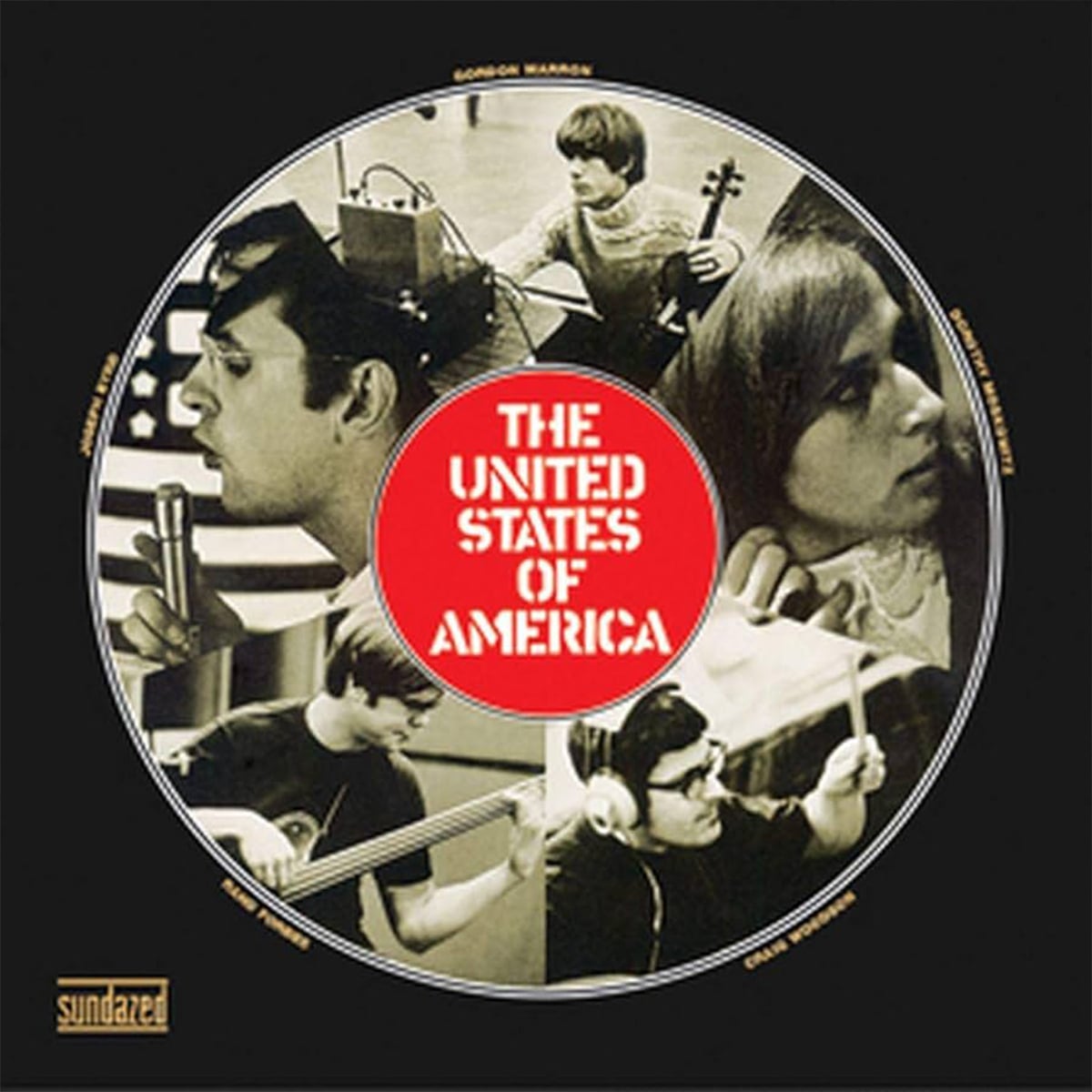
Release Date: March 1968 | Producer: David Rubinson | Label: Columbia
Burnished in the West Coast counterculture, The United States of America collective, centred on New York avant-gardist Joseph Byrd and primary singer Dorothy Moskowitz, threw together an acid-fried blitz of radical leftist politics and garage-psych stomp draped in layers of ring-modulated effects and primitive synths for a wholly radical sound befitting the era’s insurgent underground.
Feeding their instruments through various electronic filters and effects, The United States of America’s weave of lysergic avant-pop is spiked with extra dimensions of sonic warp, musique concrète collages and detours into almost break-in novelty for satirical bite, creating a haphazard sonic travel through its electronic amusement ride. Teeming with trippy aural flavours while avoiding the hippies’ lack of bite, The United States of America’s mine of electronic depths marked a revolutionary flashpoint between the experimental and rock mainstream just as the Summer of Love was teetering toward darker turns.
Silver Apples – ‘Silver Apples’
Release Date: June 1968 | Producer: The Magical Theatre Partnership and Barry Bryant | Label: Kapp
Initially involved in a more traditional rock band set-up, Simeon’s increasing fascination with vintage audio oscillators alienated the rest of The Overland Stage Electric Band to the point where all had scarpered except for drummer Danny Taylor. Reborn as Silver Apples, the New York pair would meld the alien tonalities of the electronic hardware with Taylor’s skittish rhythmic percussion to stir one of the most hypnotic sounds of the psychedelic era.
Pulsing with electronic whines and drones, 1969’s eponymous debut established the Silver Apples’ sound succinctly, straddling a weird sonic intersection of spacey disquiet and meditative serenity perfectly in keeping with the US counterculture’s clamour for new spiritual territory away from the orthodoxy. While Simeon’s oscillators are gripplingly textured, Taylor’s percussion work stands just as essential, fluid and flickering with a propulsion anticipating the incipient Krautrock over in Germany.
White Noise – ‘An Electric Storm’
Release Date: June 1969 | Producer: Kaleidophon Production | Label: Island
By the decade’s end, the ultimate confluence of electronic academia, tape experiments, and the counterculture’s heady splash came to an enchanted head on White Noise’s thrilling 1969 debut. Founded by classical bass player and electronic engineer David Vorhaus, an attendance at one of Delia Derbyshire’s lectures on sound design prompted his plucky request for her and fellow Radiophonic Workshopper Brian Hodgson to join forces and combine the era’s psychedelic pop with the latest sonic innovations in the avant-garde fringes.
Magic would be conjured. Establishing the Kaleidophon Studio in a Camden flat, what was intended as a one-off single expanded to a full LP effort, deploying all manner of audio manipulation and tape loops backed with a very early use of the EMS Synthi VCS3 for their landmark An Electric Storm, yielding a bizarre but captivating record that veers between avant-pop eccentricity one moment to ambient drama the next. Amid its electronic core is a genuinely sharp, almost folky pulse at points, the trio counting themselves as some of the day’s most underrated songwriters.
Bristling with spatial weirdness and wriggling earworms in its electronic expanse, the White Noise trio forged a perfect marriage of cavernous strangeness and pop charm that hasn’t lost an iota of its eerie transport nearly 60 years later.
