


The 10 greatest American glam bands

There’s no question that the UK reigns supreme as glam-rock’s glittering capital.
Arriving at the perfect time, just as the kids were alienated by the earnest singer-songwriters, still clung to the hippy idyll, a new wave of colourful and exotic stars graced the popsphere and Top of the Pops land full of sugar rush escapism. David Bowie’s commanding extraterrestrial anthems, Roxy Music’s retro-futurist shimmer, or T Rex’s amorous flame all plugged rock back into its stirring roots after the counterculture had stumbled into pomposity.
Yet, it can be forgotten just how good some of glam’s American counterparts similarly spun their glitter magic. Across the Atlantic, a whole flamboyant cohort of rock visionaries eager to reignite pop’s fun and likewise raided the dressing-up box, on one end of the nation kicking the West Coast’s hippy dregs into touch while the New Yorkers were coating glam in their unique film of gutter decadence.
We all know the UK glam greats, but what about those from the States? To collate such a list, we need to set some rules. Firstly, despite some of our entries wading into its 1980s successor, we’re not counting hairsprayed glam metal. Secondly, while the likes of Iggy Pop and Lou Reed indeed flirted with a little of glam’s make-up in the early 1970s, any fan would rightly raise an eyebrow at their being paraded as glam’s exemplary giants, even if Raw Power or Transformer stand as that musical moment’s key LP relics.
With a unique take on glam that could only have come from America, while including a couple that made their fortune heading the country that started it all, we take a look at the 1970s Stateside names that helped glitterfy the decade’s rock charts.
The 10 greatest American glam-rock bands:
Magic Tramps
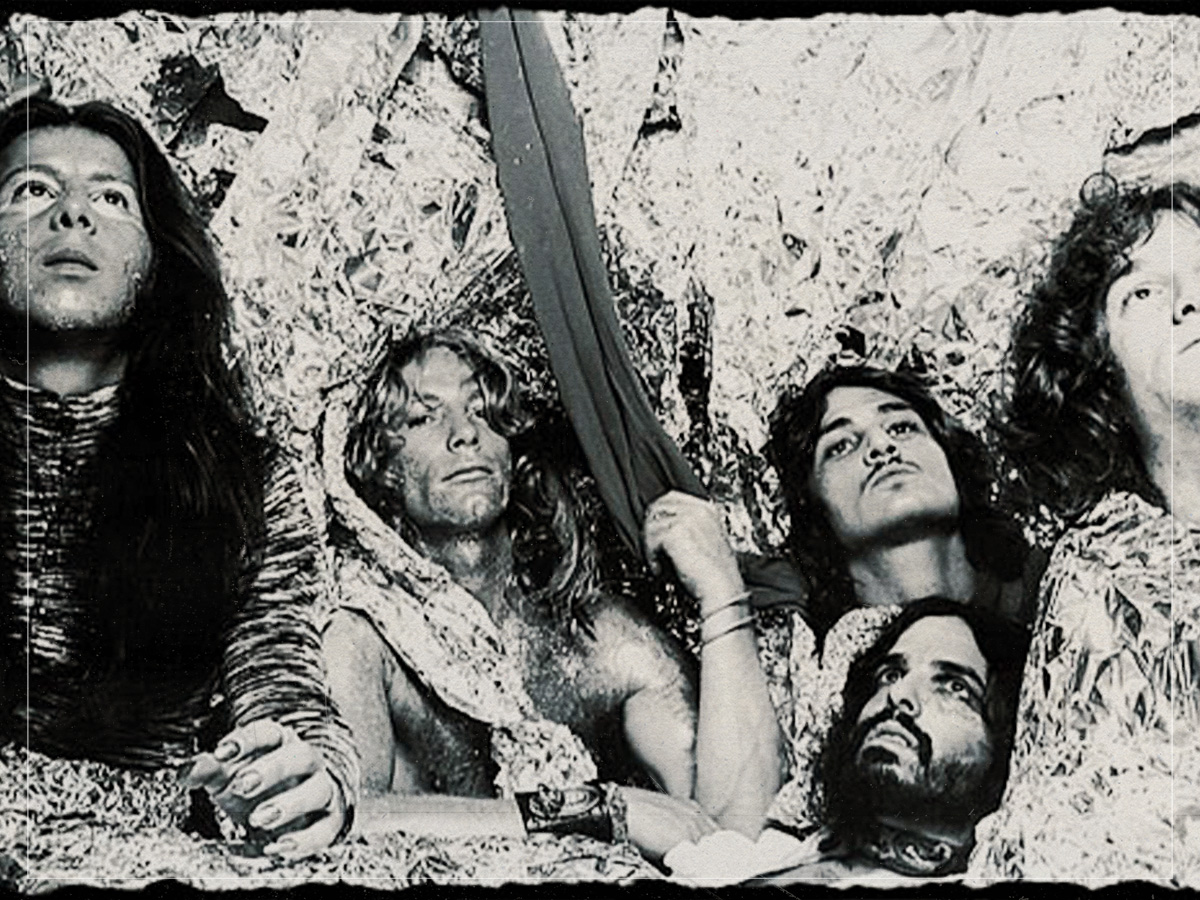
Existing as a little more than a rock rumour until their recordings were collated and issued officially, it’s often said that Magic Tramp were the first US band to ever throw some glam glitter into the underground when dancer and actor Eric Emerson first stepped behind the mic in 1971.
Better known as the star of Andy Warhol’s many underground films and a Factory regular, Emerson and his Magic Tramp were known to have played very early shows in New York’s CBGB and Max’s Kansas City clubs, making their mark with a strange meld of colourful cabaret and arresting costume design, all furthering the decadent intrigue that hung around their enigmatic frontman.
Suzi Quatro

Everything about Suzi Quatro’s bass attack and glitter beat all felt part of the same UK Top of the Pops soundtrack of the 1970s, not without reason, having Mud and The Sweet collaborators write and produce her biggest hits, ‘Can the Can’ and ‘Devil Gate Drive’.
Yet, it took Quatro to decamp from her native Detroit to soak up the Brit glam and stand as the only woman in the heavily male-dominated scene. Resisting industry efforts to turn her into “a Lulu”, Quatro stuck to her guns, embraced the glam explosion, and cut some of the glitter pop charts’ most memorable stompers.
Kiss
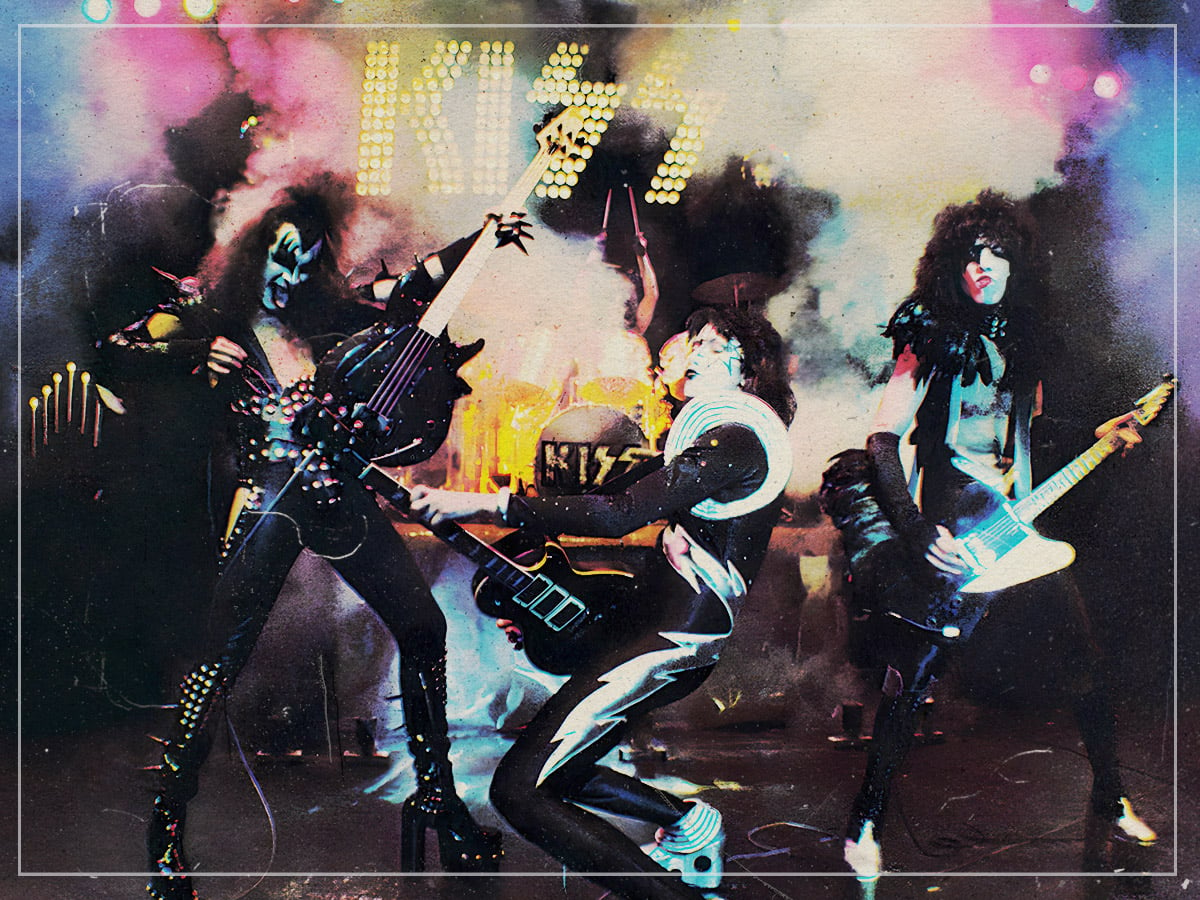
Yes, Kiss is a crassly commercial monster that hasn’t cut a decent record in 50 years, and Gene Simmons is happy to spout total culture war nonsense in today’s political climate, but when shifting aside the absurdities that the Kiss machine has hurled toward, the greasepainted hard rockers managed to wrestle some decent glam tunes from under their studded belt.
You can’t get more glam than the Kiss theatre, from Paul Stanley’s starry-eyed get-up to Simmons’ demon scowl, and the numbers on those strictly early run of records stand as sincerely rollicking slices of hard rock fun with just the right amount of ostentatious spectacle.
The Runaways

There really wasn’t anyone else in the world of rock leading the way for an all-girl band like LA’s The Runaways. Wrapping up bubble gum pop with a Slade-style glam stomp and laced with their teen lyrical reverie on teen passions and small town escape, The Runaways paved the way for future women in rock that would stretch for decades.
Later to orbit punk, and under a dark spell in light of manager Kim Fowley’s sexual assault allegations, but The Runaways’ hard rock anthems would spin an infectious dose of Devil may care fun amid a rock scene dominated by blokes who had long taken themselves far too seriously.
The Tubes
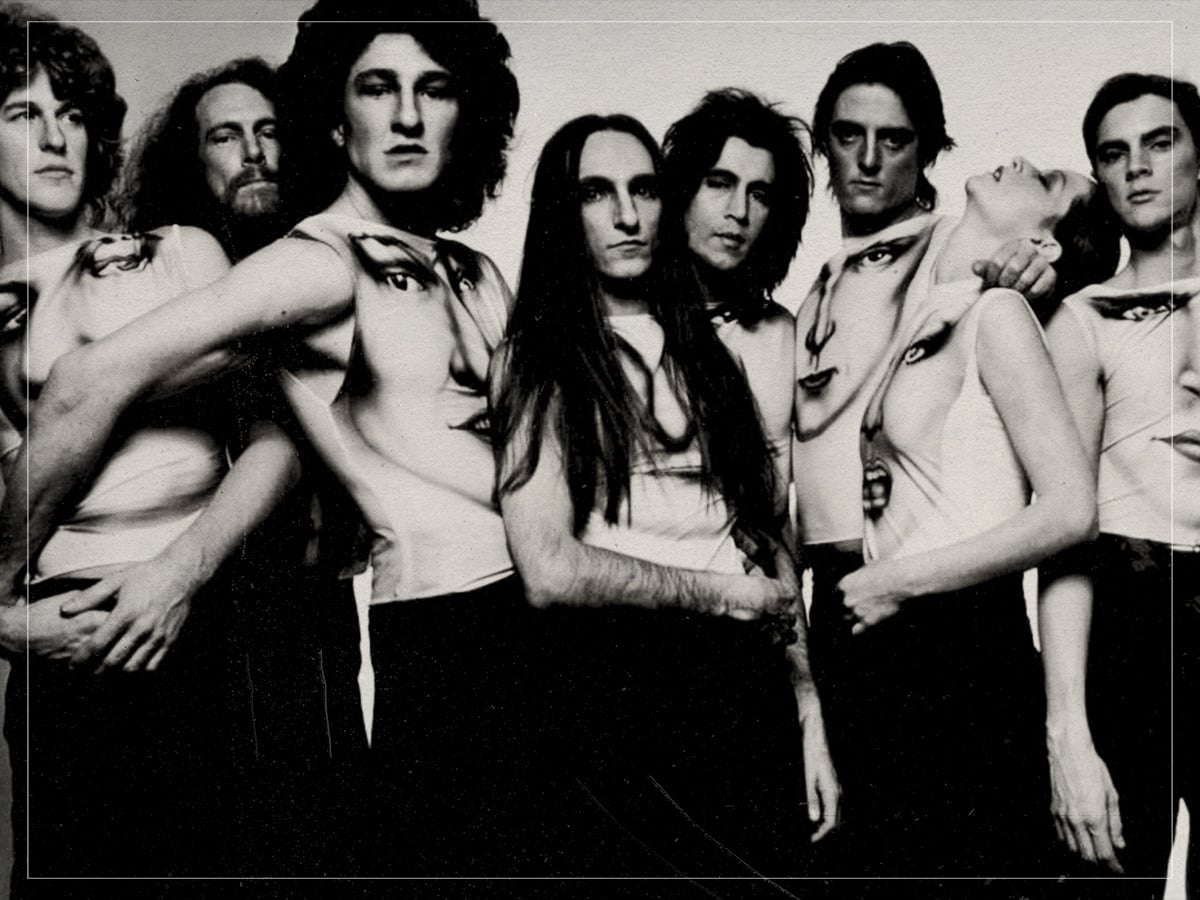
Amazingly, The Tubes’ send-up of glam’s flamboyant absurdities wound up standing as one of its immortal anthems. Part art-prank and proto-punk theatre, The Tubes gained a lauded reputation for their bombastic stage shows, boasting flour and sweets chucked in the crowd under the pretence of cocaine and pills, chainsaws, and multiple costume changes.
Forever their defining anthem, ‘White Punks on Dope’ placed The Tubes at the peak of their subversive powers, frontman Fee Waybill dressed in two-foot platform shoes and embodying the rich and famous’ drugged-out casualties’ as the comic Quay Lewd alter-ego. Dripping with satire and comedic snarl, The Tubes’ manic attack served another crucial bridge between glam and the emerging new wave.
Jobriath

A different world is unveiled by the enigmatic Jobriath. A realm of shimmering psychedelia, dreamy cabaret, and glam at its most radiantly escapist, the beguiling mix of classical elegance and rock’s oozing sexuality all dazzle across Jobriath’s two classic LPs.
Leaving a brief but seismic legacy on US glam, Bruce Campbell would leave his Jobriath persona not long after his sophomore LP and pursue acting and singing in New York’s small clubs, before dying of AIDS complications in 1983, ten years after making LGBTQ+ history as the first openly gay rock artist with a major record label.
Sparks
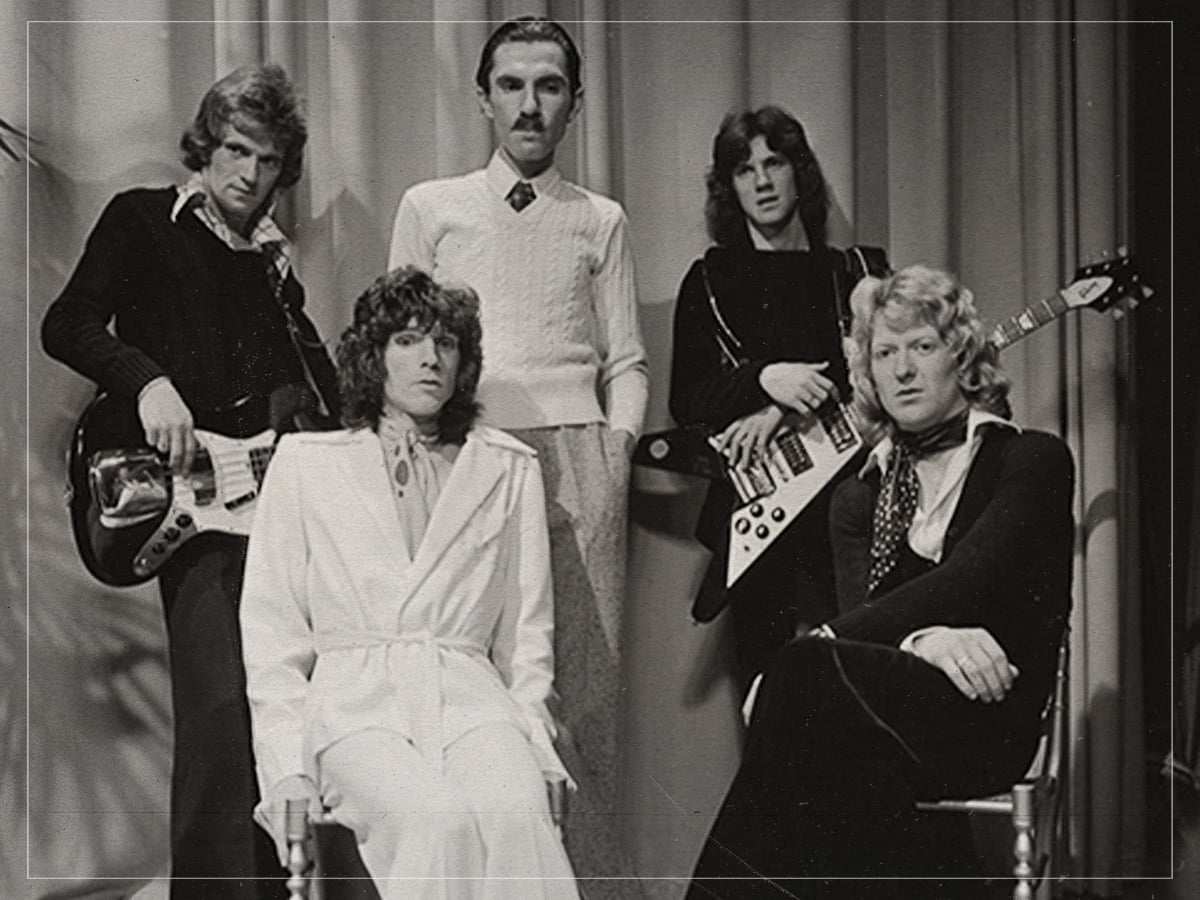
Marrying chamber pop gleam, arch-cynical lyrics, and a curious clash of Russell Mael’s go-get ‘em frontman duties at odds with the motionless elder brother Ron’s keyboard lurk, it was impossible not to take to Sparks’ idiosyncratic charm when first landing on UK charts with 1974’s ‘Town Ain’t Big Enough for Both of Us’.
However, the Mael brothers were originally from sunny California, floundering as Halfnelson before their Anglophile love for the British Invasion saw the pair try their luck across the Atlantic. The move paid off, Sparks forming a key feature of both the UK and American glam songbooks and still dropping celebrated albums to this day.
New York Dolls

The winds of change were already starting to point to punk’s eventual rock bulldoze as early as 1973, when a street-glammed, smeared-lipstick mob from the wrong side of Manhattan hijacked BBC’s The Old Grey Whistle Test to unleash their trashy garage attack, only to be met with host Bob Harris’ infamous “mock rock” quip.
While a core chapter of rock lore, it can’t be overstated how alluring and exciting the New York Dolls were to a generation of kids bored with the Woodstock residue still clogging the airwaves. Imbuing the glam bluster with a spike of urban danger and chintzy romance, New York Dolls’ grimy entice bottled exactly the sexuality and rebelliousness that had vacated the charts during the decade’s crisis of rock’s ossified crisis.
Zolar X
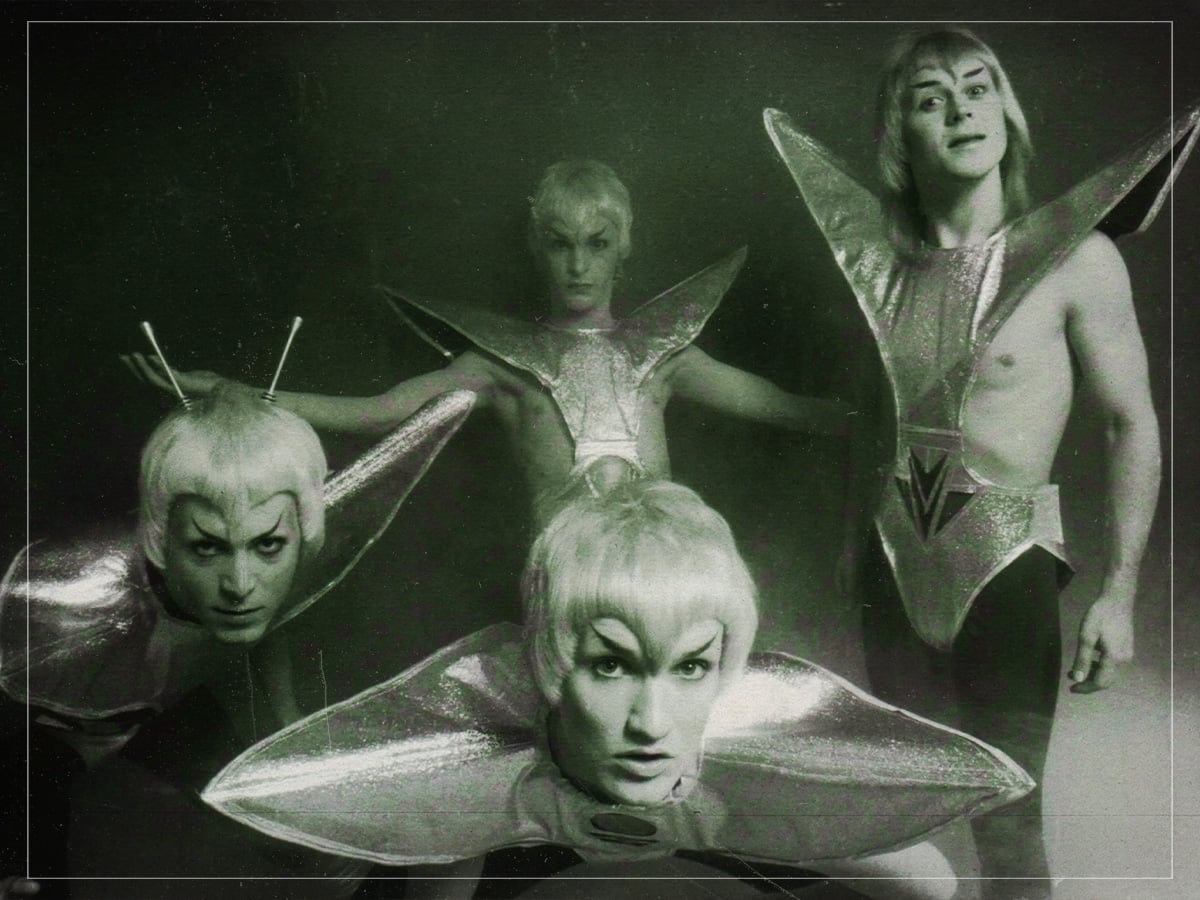
While the UK was visited by a certain orange-mulleted Martian messiah on the Top of the Pops charts, LA enjoyed the cosmic pass of one Zolar X. An alien glam band donned in space dress and concocting their own ‘Zolarian’ language, the central duo of Ygarr Ygarrist and Zory Zenith would explode to regional stardom off their heady brew of proto-punk blast and interstellar prog.
Despite playing with the likes of Iggy Pop and Kiss, and nearly mooted for their own NBC sitcom, a perennial bad luck would plague Zolar X throughout the 1970s, resulting in their studio material only ever officially released in the early 1980s and the band dissolving not long after.
Yet, the songs cut are glam classics. From ‘Space Age Love’s fizzy surge, ‘Timeless’ bleached-out garage, and the glittering widescreen of ‘The Horizon Suite’s ambitious theatre, had they managed to issue their chromatic numbers with the right marketing, the hypothetical Zolar X debut would have stood as a classic of 1970s rock, period.
Alice Cooper

It took Mr Vincent Furnier a good two albums and a clear-out of his psychedelic wardrobe before arriving at the shock persona he was born to play. But, just as the hippy straggler act was looking stale, the glitter cascading down the rock and pop charts prompted the fledgling Alice Cooper band to decamp from sunny Los Angeles to Detroit’s gritty garage rock scene to harden their sound and dial up the gruesome Grand-Guignol vaudeville.
Armed with an unabashed subversive theatre and Glen Buxton’s ballsy riffs, Alice Cooper swiftly dominated the American glam scene as their premier mascara-run, snake-cavorting ambassadors, setting the rock world alight across the classic early album run and briefly rubbing shoulders with the best of the Brits on 1972’s ‘School’s Out’ UK chart topper.
Dropping essential records like Killers and Billion Dollar Babies and helping pave the way for punk, Alice Cooper represented everything gloriously grubby and darker about glam’s character across the Atlantic, and is still hanging himself live on stage well over 50 years later.
