


‘Glad to be Gay’: The subversive story of an LGBTQ punk anthem

While Stateside punk boasted a cohort of LGBTQ figures at the beginning of the 1970s’ new wave, the UK counted few characters out and proud during the rock underground’s insurrectionary flash bang.
Principal Buzzcocks songwriter and frontman Pete Shelley was bisexual, deliberately masking his lyrical numbers of love and lust behind ambiguous genders and flexing more overt gay sexuality with his solo ‘Homosapien’ in 1981, but otherwise, the only other punk to seriously champion gay rights was pub-folk tuned garage bruiser Tom Robinson.
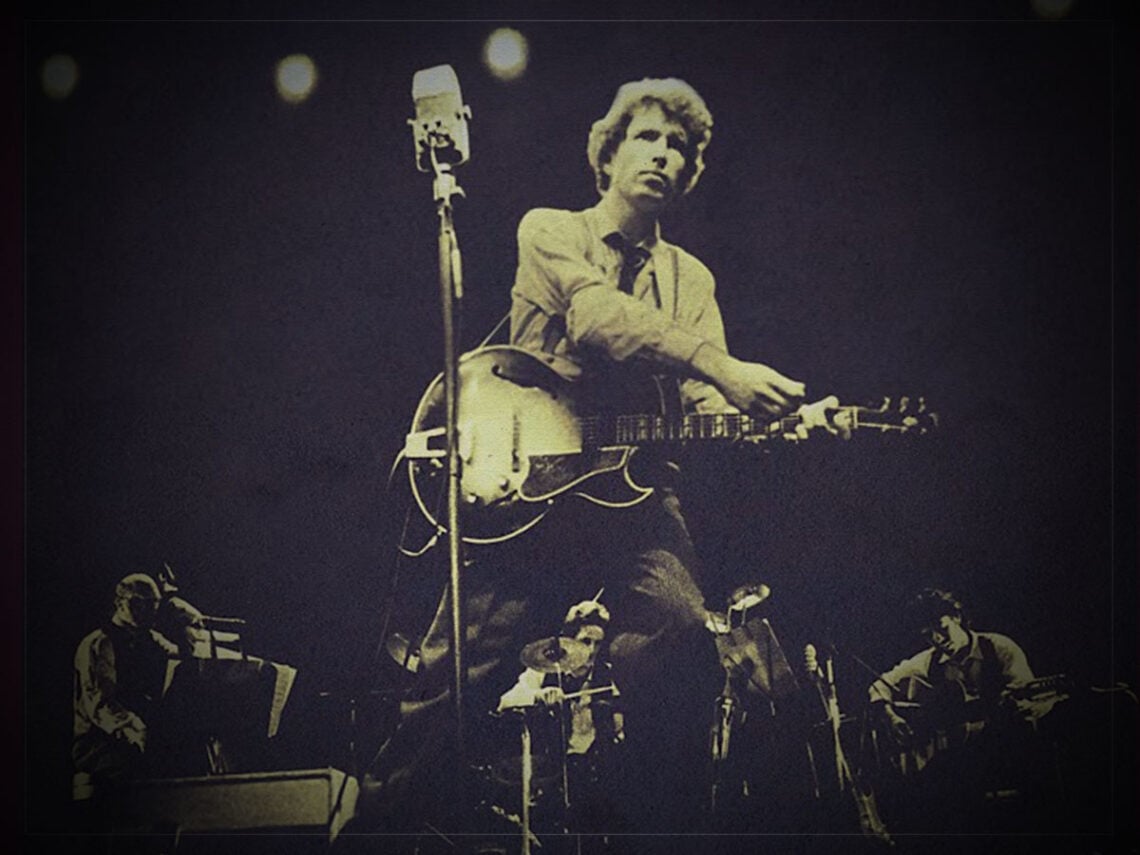
Better known today for his Radio 6 Music shows, decades prior, the Tom Robinson Band formed in London, having soaked up punk’s volatile energy after witnessing a Sex Pistols show. Ditching the vocal harmony act he’d toyed with in former band Café Society, Robinson poured his political seethe and knack for a solid power pop hook into his new outfit, enjoying a record deal with EMI and pulled from the dole queue to Top of the Pops and the front cover of NME in a matter of months.
Winning a UK top ten from the word go with debut single ‘2-4-6-8 Motorway’ in 1977, its subtle nod to a popular queer liberation chant would find greater expression on ‘Glad to be Gay’ the following year. Featured on the Rising Free EP, Robinson’s sarcastic attack on the perceived apathy within the gay community at odds with the organising vigour witnessed over in the US.
Written for a Pride march long before its corporate pink washing and mainstream appeal, when attendees were in the 2000s and flanked by hostile cops, ‘Glad to be Gay’s cynical lyrical barbs took aim at both the homophobia entrenched in the press and police force, as well as warning against the oppressed of any stripe keeping their heads down and eager to ‘stay out of trouble’, “Gay Lib’s ridiculous, join their laughter / ‘The buggers are legal now, what more are they after?’”
The late 1970s were still a bitterly unkind climate for any openly gay man. While homosexuality was decriminalised in England and Wales in 1967, plenty of hearts and minds still harboured deeply conservative and bigoted impressions of the gay community, the police harassing and arresting many male couples due to the clauses in legislation that forbade public affection and set the consenting age at 21. Even well after punk, decriminalisation didn’t extend to Scotland and Northern Ireland til 1980 and 1982, respectively, and hideous levels of homophobia were wallowed in the country’s red tops during the HIV/AIDS crisis’ first spark in the gay underground, surrounding the Section 28 muzzle on the curriculum that blocked any presence of LGBTQ issues in education til as late as 2003.
It took an unruly John Peel to ignore orders from the BBC Radio controller’s office to avoid Tom Robinson Band’s pink power anthem, peeling off its internally slapped warning sticker and spinning the number on his acclaimed Radio 1 show, resulting in a surge of attention to the single despite being banned from Beeb playlists for five years.
Robinson’s pioneering queer single lent many young boys conflicted with their sexuality a hero to look up to, as well as a broader gesture of solidarity to anyone under the iron heel of the establishment during the decade’s febrile close. “That was the problem for gay kids, and for youngsters like me. There was no role model out there,” Robinson told journalist Jeff Hemmings in 2018. “I thought I was the only queer kid in Essex. That was because people like Noël Coward couldn’t talk about it openly, because they risked arrest. They might have a very nice, cosseted lifestyle, working in a tolerant area of the entertainment industry, but the reality on the street was that they would still get their teeth kicked in by queer bashers if they were caught”.
In an era where the LGBTQ community faces a resurgence in conservative attacks, and establishment contempt for left organising in general glares ever more flagrantly, Robinson’s ‘Glad to be Gay’ still burns with a stinging pertinence and piquant humour nearly 50 years later.

Never Miss A Beat
The Far Out Punk Newsletter
All the latest Punk content from the independent voice of culture.
Straight to your inbox.