


10 great artists who released one album then vanished off the face of the Earth

Making a record is an achievement in and of itself. Great artists have gone years without getting their music onto tape and onto the shelves, and instead find themselves stuck in a perennial loop of playing live and releasing singles, in the hope that they will finally break through from emerging status.
Because there are many obstacles that prevent an artist from getting an album down on record. Money, label bureaucracy or the simple task of writing enough songs worthy of a debut record. So when all of those factors fall into place, and a final body of work is created, the achievement can’t be underestimated, and an artist should rightly bask in the glory of what they have achieved.
But, and it is often a big but in the music industry, how do they follow it up? A sophomore record hangs with even more pressure than the debut and is often considered the making or breaking point of an artist. Nirvana cracked it with Nevermind, as did Amy Winehouse with Back To Black, but they are of course rare examples.
But not as rare as those artists who just abandoned hope altogether, and cashed their chips in before the second record could even land. Fans waited with bated breath, but never got a chance to let out a sigh of relief as these artists drifted off into the ether, never to be seen again. Maybe it was the pressure, or maybe it was simply the lack of desire to follow it up with anything at all; either way, these ten artists have all left us with just one record to enjoy.
10 great artists who released one album then vanished:
Mother Love Bone – ‘Apple’
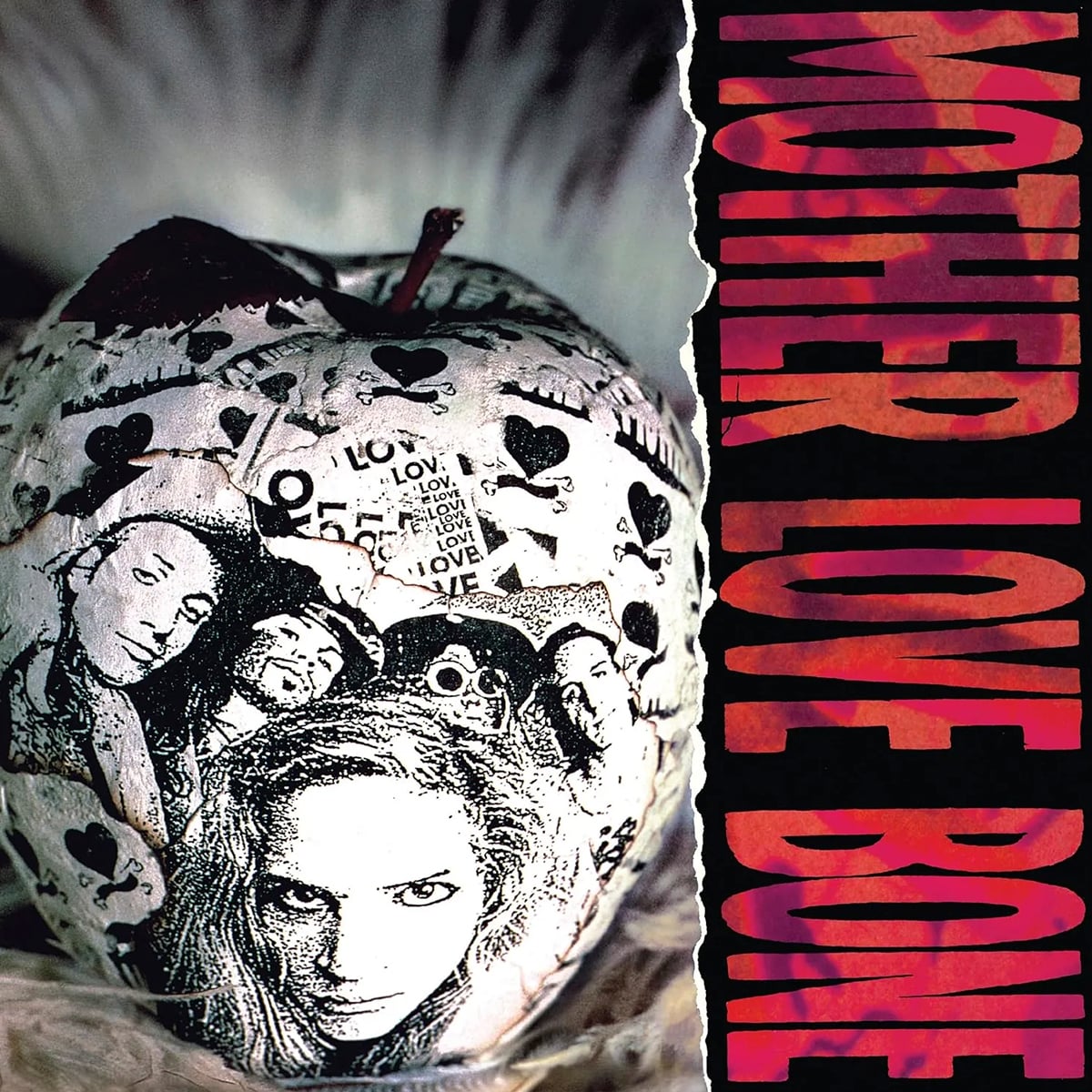
There was no shortage of bands coming out of Seattle at the beginning of the ‘90s. It was a dark haven of grunge, fostering heavy new sounds from the dark yet fertile stages it had built, and so the scene was competitive if not saturated. Whatever it was, you needed to have it if you were hoping to make a dent on the scene.
Well, Mother Love Bone did exactly that with Apple. Their debut album was a nasty dinger of a record that saw the melodic flamboyance of glam-rock meet the ominous sludge of new age grunge, fearlessly led by the soaring voice of Andy Wood, who seemed like the next ready-made rock star. But just days before the record was released, Wood tragically died from a heroin overdose in March 1990, and Apple remained a tribute that was best left untouched.
The United States of America – ‘The United States of America’
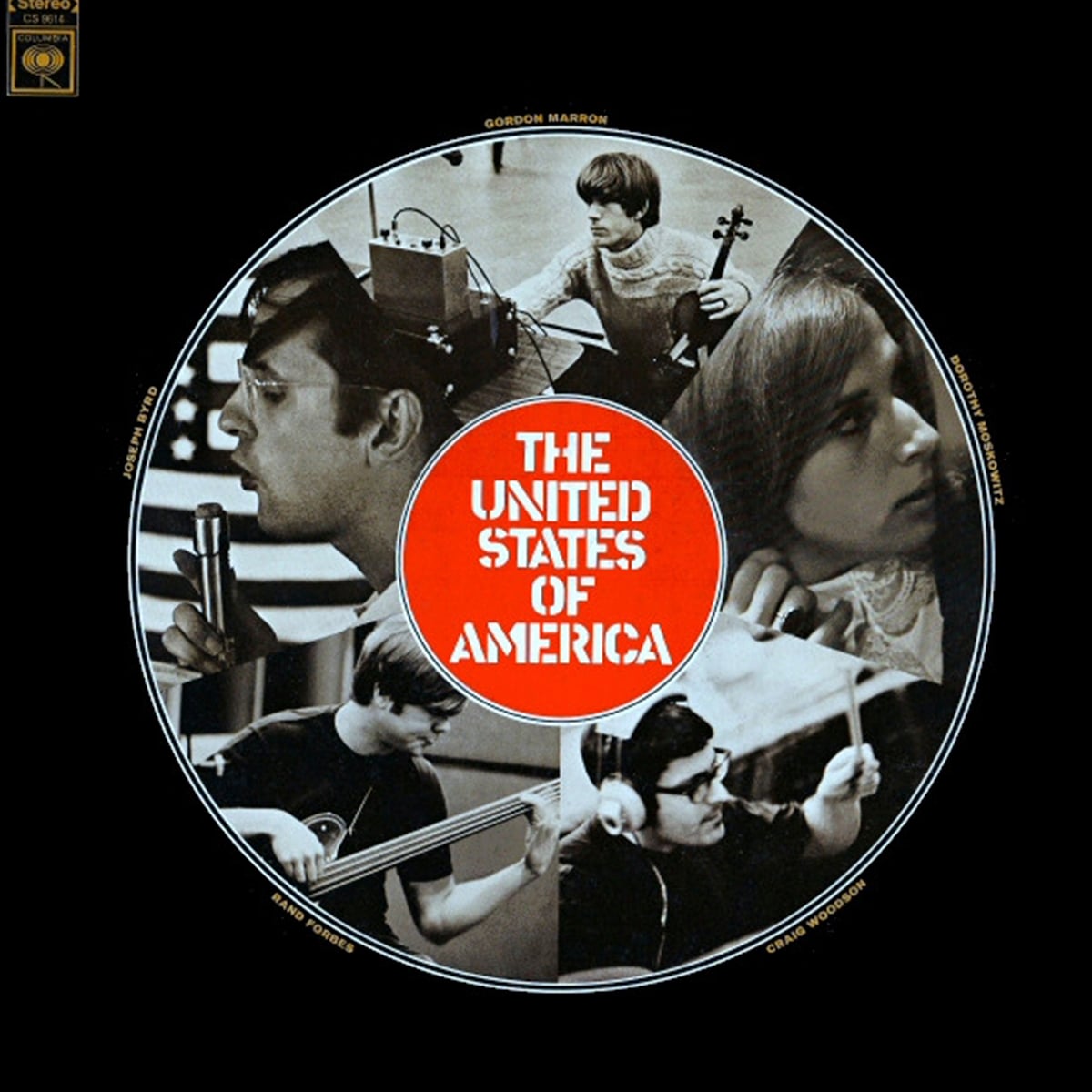
An archetypal example of a band being far too ahead of their time for mainstream consumption, this woefully underrated gem from back in 1968 was the sole LP by the psychedelic experimenters and communist activists, The United States of America. Blending together everything from musique concrète-style sound collages to the mind-bending influences of LSD, this record was seemingly too out-there even for the hippie age.
Upon its release, the album made little to no impact on the American airwaves, save for a handful of reviews in the underground press. Unsurprisingly, then, band leaders Joseph Byrd and Dorothy Moskowitz made the executive decision to call it quits, leaving The United States of America as a perfect artefact of that wildly experimental period in the American counterculture. Even when the album was rediscovered by psychedelic aficionados decades later, the group wisely decided not to resurrect the band – setting an example that many other musicians would benefit from following.
Rites of Spring – ‘Rites of Spring’
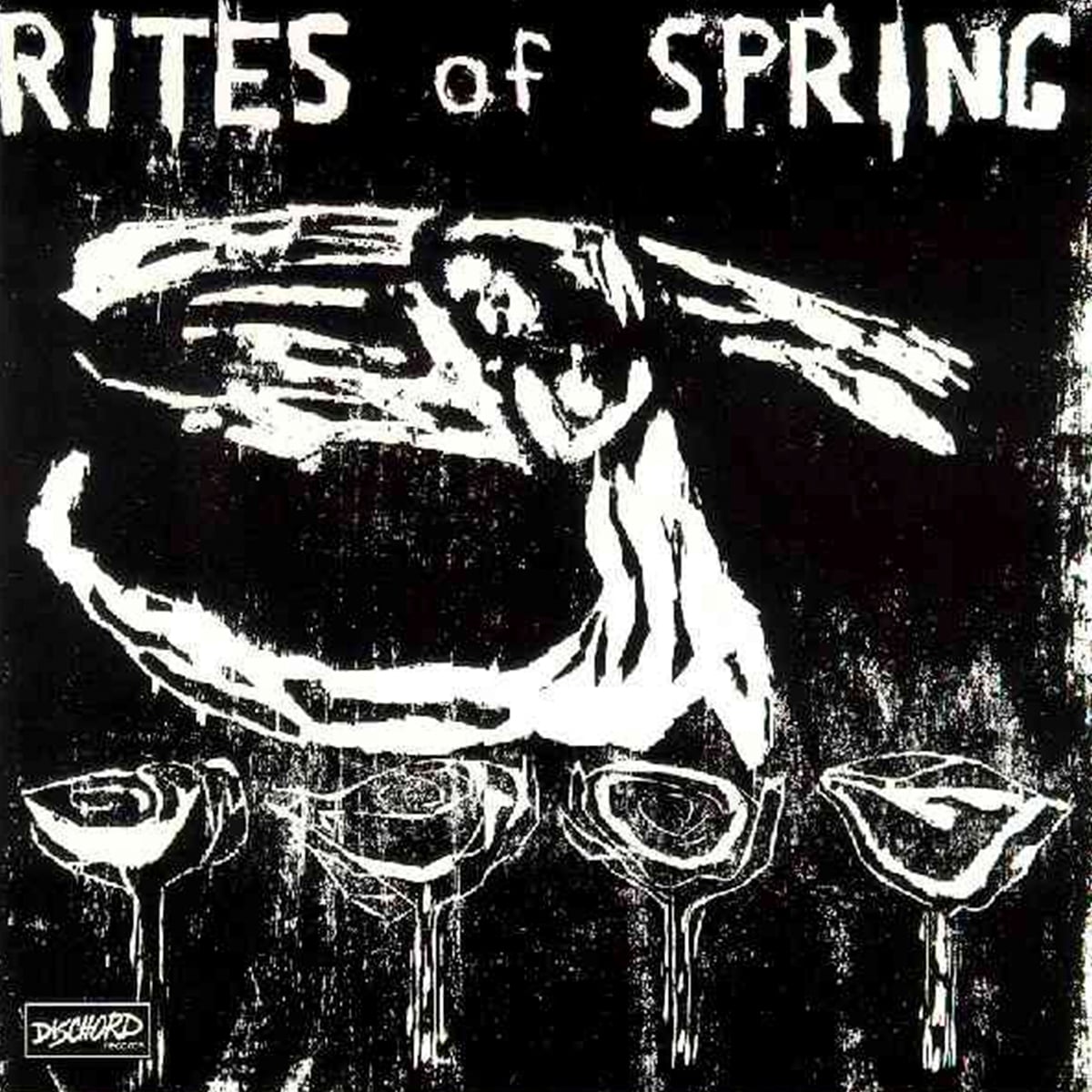
Given its emphasis on amphetamine-fuelled, three-chord shots of adrenaline, it is no surprise that the punk world produced its fair share of short-lived heroes. During their three-year span in the heart of Washington DC’s hardcore scene, Rites of Spring produced only one EP and one studio album. In terms of sheer impact, though, that one album places the group light-years ahead of many of their hardcore contemporaries; Rites of Spring is, after all, cited as the first real emo album of all time.
Taking the aggression and energy of hardcore and giving it far more emotive, personal lyrics than were typical of the time, tracks like ‘For Want Of’ played a key role in defining the early emo scene, as well as inspiring the later development of scenes like grunge. As is so often the case, though, that innovative quality meant the album didn’t make enough of an impact to keep Rites of Spring from breaking up.
Blind Faith – ‘Blind Faith’
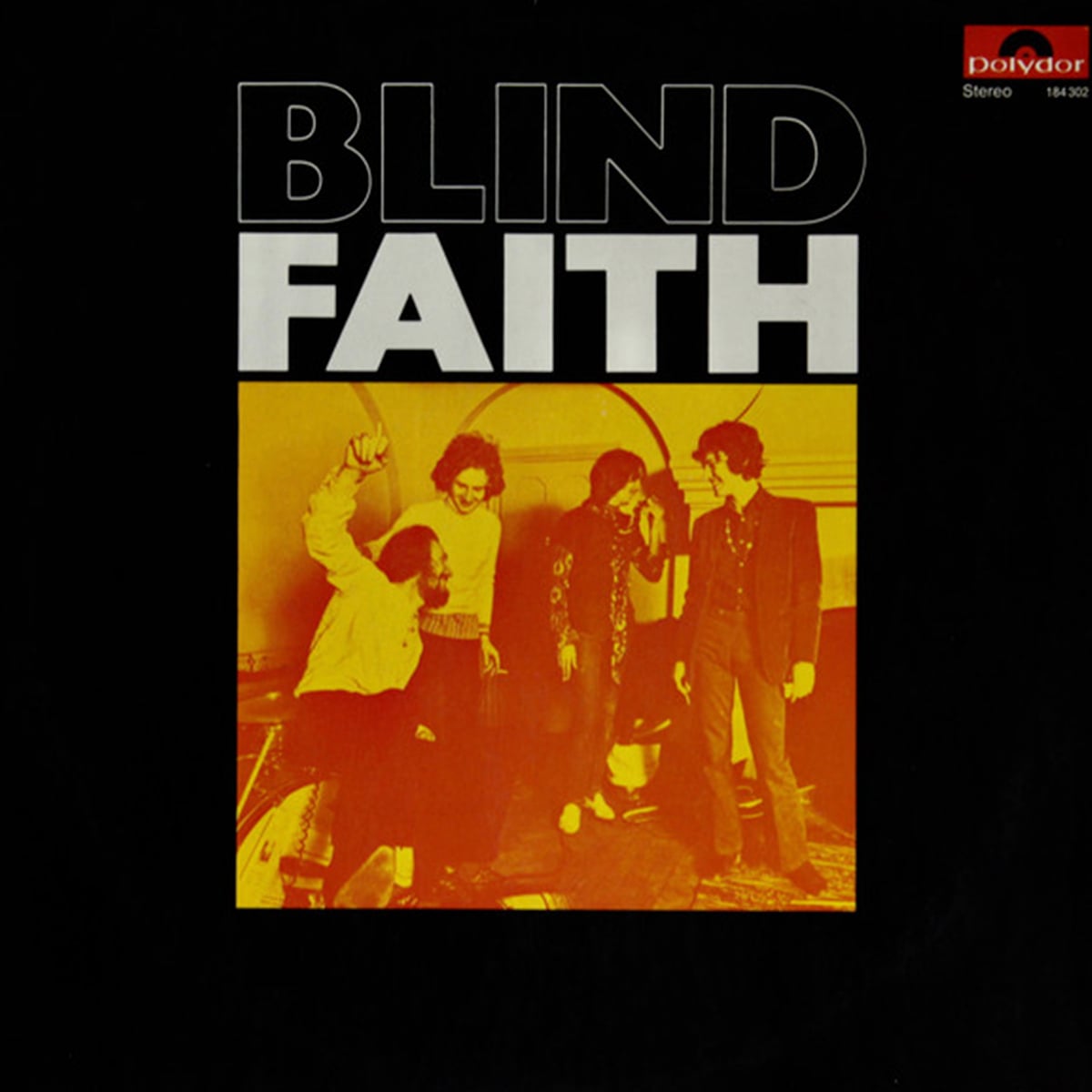
In ‘69, Eric Clapton was looking around all avenues of the blues scene to find the band that would rival some of the greats of the era. While he eventually landed on Cream with Ginger Baker and Jack Bruce, Blind Faith’s one record after Cream’s break-up went a long way towards proving that maybe his famed supergroup wasn’t the one worth shouting about.
It had all the blues potency of the eventual supergroup, with dare I say it, an extra element of melodic songwriting. But by this point, the entire concept of a ‘supergroup’ weighed heavily on Clapton, and he realised he was maybe better going it alone. Sure, it resulted in some winning Clapton solo records that we were all happy to receive, but there is the ever-lingering question of what if?
Módulo 1000 – ‘Não Fale Com Paredes’
Rejecting the abundance of bossa nova and MPB sounds that defined Brazil’s musical realm back in the 1960s, the short-lived group Módulo 1000 aimed to catapult South America’s rock scene forwards. With their sole album, 1972’s Não Fale Com Paredes [Don’t Talk To Walls], the group introduced Brazilian audiences to the futuristic sounds of experimental psychedelia, indebted to the influences travelling southwards from the United States’ hippie boom.
Heavy progressive rock might not be the first sound that springs to mind when thinking of the golden shoes of Brazil, but then that’s what made Módulo 1000 such a unique outfit; nobody else sounds remotely similar. With their unholy concoction of traditional Brazilian influences, hippie psychedelia, and a hard-prog sensibility, Não Fale Com Paredes stands entirely in a league of its own, begging the question of what on Earth the band would have come up with next, had they been given the chance.
The Monks – ‘Black Monk Time’
Few bands that were forged in the American garage rock revolution of the mid-1960s ever got around to releasing one record, never mind multiple. Then again, The Monks were always something of an outlier, having been formed in West Germany by a group of American GIs stationed there. Being at the heart of Cold War politics clearly had an impact on the band, as their debut (and, as it turned out, only) studio album, Black Monk Time, was nothing short of revolutionary.
A defining garage rock record that remains as influential today as it was back in the 1960s, the defiant political commentary on the album prevented it from being promoted by its label, Polydor, and The Monks’ popularity was largely propped up by pirate radio stations in Europe. Inevitably, pirate radio doesn’t pay the bills, but the specific reason that The Monks broke up before recording a second album is that drummer Roger Johnston abandoned the group the night before they were due to embark on a tour of war-torn Vietnam, fearing that the band would be targeted by Viet Cong attacks.
The La’s – ‘The La’s’
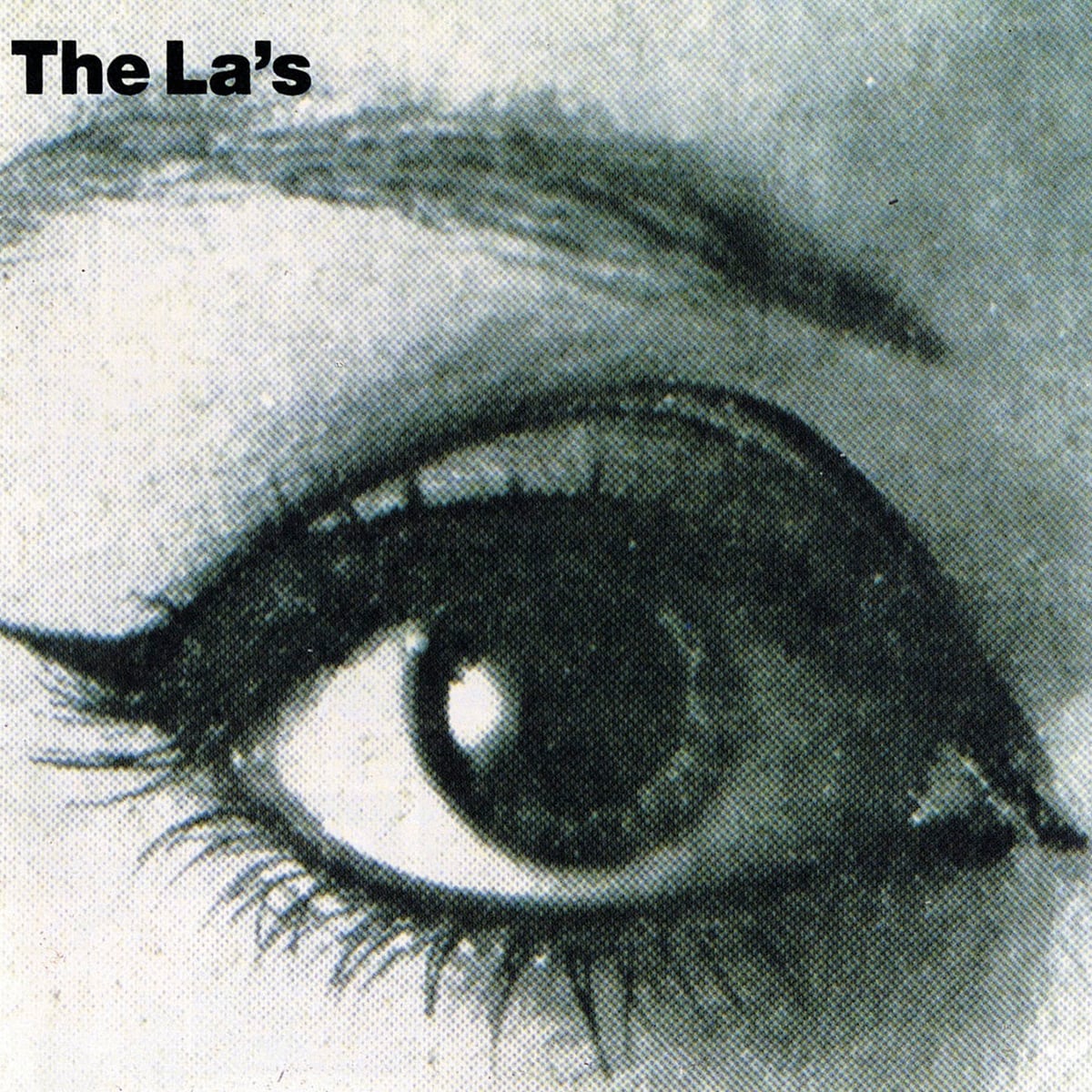
The band from Liverpool did a lot of heavy lifting when they wrote ‘There She Goes’ – the pop-tinged indie hit that shot them to the top of the charts. It was a perfect song that balanced artistry and catchiness, making room for their subsequent self-titled album to shoot them towards the sort of stardom any band would hope for.
At that point, however, they had been active for seven years as a band, and so the breakthrough into mainstream success felt like more relief than achievement, and so the pressure of a follow-up felt too overwhelming to overcome. The band’s superfan, Noel Gallagher, came up with a much simpler appraisal, stating, “I’ve come to the conclusion he’s either shit-scared of ruining his legacy or he’s just a lazy cunt.”
‘Igginbottom – ”Igginbottom’s Wrench’
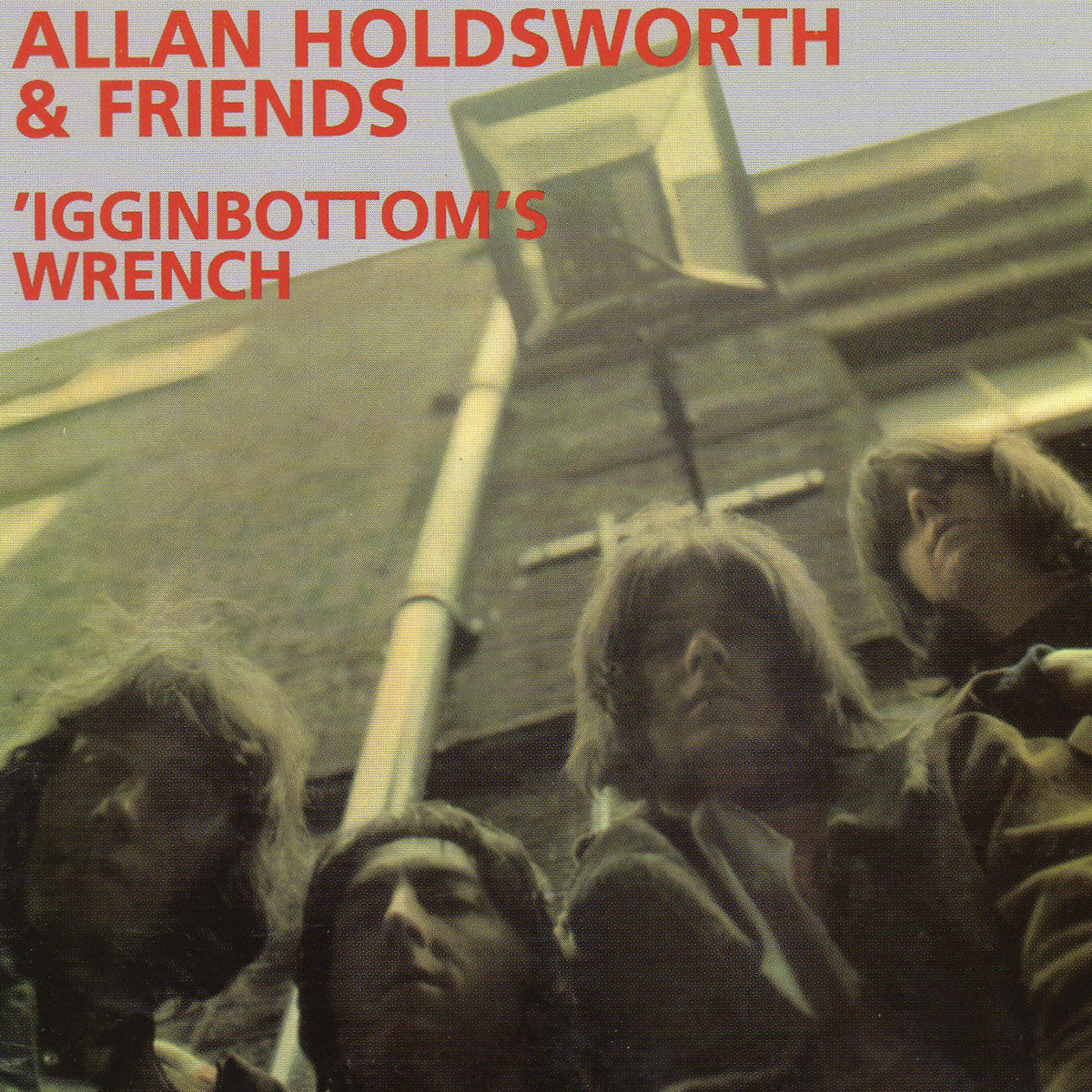
Probably the most innovative, far-out album ever to arise from Bradford, ‘Igginbottom’s Wrench was one of the great unsung heroes of Britain’s psychedelic age. Spearheaded by future prog legend Allan Holdsworth and borrowing heavily from his lasting adoration of jazz fusion, the 1969 LP was perhaps never intended to be adored by the masses. Even Deram Records and the support of Ronnie Scott couldn’t get the record onto the mainstream airwaves; it was simply too odd.
In hindsight, though, ‘Igginbottom’s sole album was incredibly ahead of its time, perfectly toeing the line between LSD-fueled freakout and late-night jazz improvisation. After the album flopped, the band followed suit, and Holdsworth went on to perform with everybody from Soft Machine to Level 42, but it was with ‘Igginbottom’s Wrench that his career of genre fusion and prog heroism first began.
Sex Pistols – ‘Never Mind the Bollocks, Here’s the Sex Pistols’
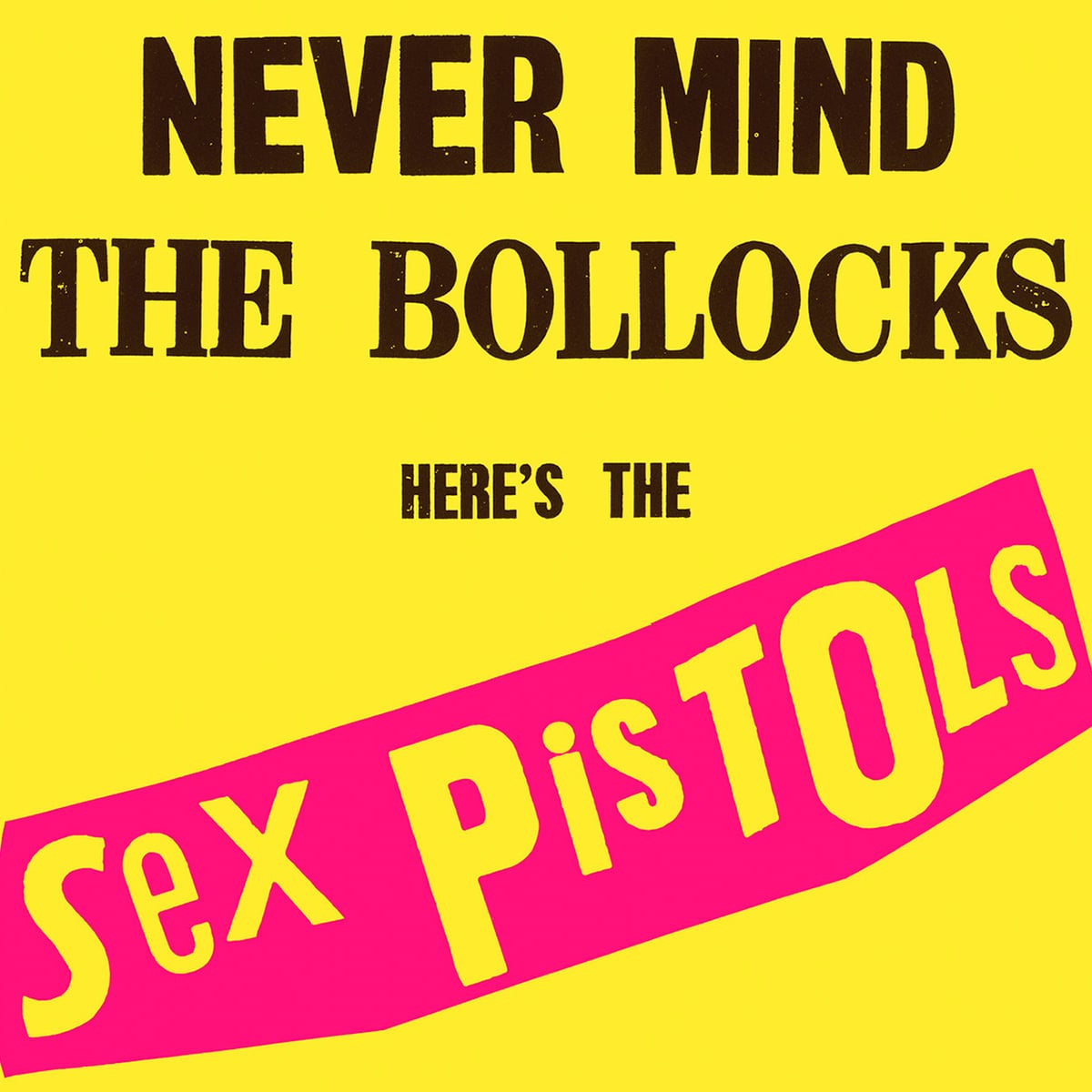
It’s hard to believe this to be true, given the sheer mountainous size of the Sex Pistols’ legacy. They are an enduring and influential presence in the music industry, with many of their punk musings still applying to glimpses of modern daily life. The shot in the arm was deemed so powerful that there was little need for a follow-up, and so the Pistols left us with one of the greatest albums of all time.
But the album wasn’t the only thing running hard and fast. No, the lifestyle of the band was too, and it simply made for an untenable creative environment thereafter, robbing fans of a follow-up. A disastrous US tour, combined with management disputes and Sid Vicious’s worsening heroin addiction, meant the band split just three months after the release of the record.
Lauryn Hill – ‘The Miseducation of Lauryn Hill’
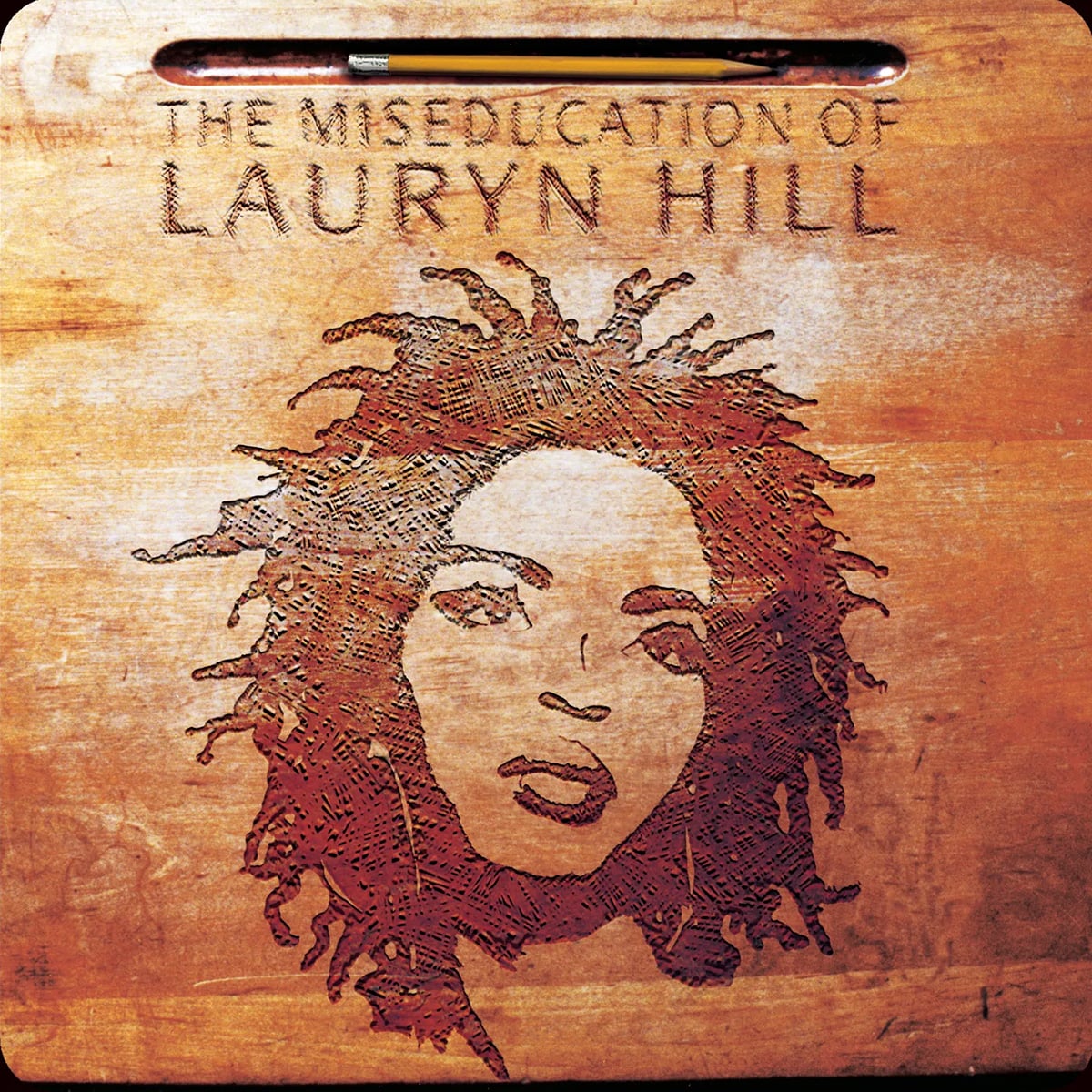
In retrospect, Hill leaving her career to exist around one record was a stroke of genius.
It’s widely considered one of the greatest pieces of music of all time, and without anything surrounding it, that legacy only grows stronger with every passing year. It’s a masterclass in artistic honesty, compounded by the fact she simply didn’t want to make any music unless it felt as pure as that.
Hill addressed the proposed follow-up by reminding the world of the need to make music from the heart: “I was in the studio working really hard trying to get it done, and music was created. Definitely music that I think people will appreciate, but it wasn’t my best. And it wasn’t my best because there was no substance. And there was no substance because there was no experience.
“I had gone from the studio to the stage, back into the studio again, and the only reason why The Miseducation was the album it was, was because of a myriad of experiences that took place before the production part, before the creation. So what I realised is I can’t create and not live.”
