


The 10 essential Soft Cell songs

Lumped with the UK synthpop explosion of 1981, electronic duo Soft Cell were thrust to the centre of the polyphonic chart domination while carving a distinctly clashing character amid the scene’s Blitz Kids elitists and staid automatons.
Hints of Kraftwerk and David Bowie’s Berlin excursions naturally lurked in synth player Dave Ball’s club stomp and proto-techno beats. However, he and frontman Marc Almond were more indebted to Motown, Northern Soul, disco’s hedonistic underground, Throbbing Gristle’s industrial transgressions, or the gutter decadence of Lou Reed’s sewer swagger over chilly dystopias or mournful takes on Cold War gloom that peppered much of the new wave’s thematic obsessions.
There was nothing glacial or frigid about Soft Cell’s stirring rush of sensual pop. Almond presented a lyrical lens of grubby glitz and kitchen-sink drama, both evocative and utterly relatable, unveiling a beaded curtain of illicit, ambiguous, red light sexuality and, in the same breath, shoehorning a line about missing the month’s rent. Social reporters as much as eager embracers of the seedy, Soft Cell were gifted with a remarkable knack for spinning stirring and dramatic snapshots of the dancefloor’s dark side as it existed in Thatcher’s Britain, all set to Ball’s fittingly immersive but infectious electronic arrangements.
Fame would arrive quickly, albeit lumped with the one-hit-wonder deadweight, criminally overlooking their fantastic songbook, before the whirlwind blitz of drugs and incessant partying quickly spiralled Soft Cell’s fiery crash by 1984. Both pursuing successful solo careers, Soft Cell would join forces again for the 21st century, still penning synthpop numbers anchored in the street-level humdrum of a Britain, and wider world, in malaise, and crackling with that leftfield energy of their Leeds Polytechnic burnishing.
One of the UK’s greats that defined synthpop while standing outside its conventions, we celebrate Soft Cell’s legacy by exploring their avant-pop oeuvre and chronologically selecting the numbers you need to hear immediately.
The 10 essential Soft Cell songs:
‘Memorabilia’

Informed by the hard-hitting disco records played at Leeds’ Warehouse club, Soft Cell sought the services of Mute Records’ Daniel Miller, fresh from having produced fellow poly student Fad Gadget, to score a mechanised take on James Brown and Donna Summer. Heading to London’s Sound One Studio, Miller’s limited arsenal of polyphonic synths and sequencers cut a debut single that would stand as Soft Cell’s most primitive, pulsing, and overtly ‘electronic’.
Snaked by jerky basslines and bleeping chirps, Almond reels off a semi-improvised lyrical litany of trinkets and relics attached to a roll call of mysterious encounters and crossed paths with dubious intent, easily a gallery of souvenirs from sexual partners as much as the scrapbook trophies collated by a serial killer from their victims. Released in March 1981, ‘Memorabilia’ would eventually see several remixes and reworks in later years, but no subsequent efforts quite captured the glistening menace of their debut rendition’s clubland bite.
‘Tainted Love’

Gloria Jones’ 1965 B-side to ‘My Bad Boy’s Comin’ Home’ had been spun by England’s northern soul DJs for years until Almond and Ball first heard the teasing pop gem. It fit them like a glove. Wry, alluring, and charged with a little of the Devil’s seductive beckon, ‘Tainted Love’ served as the perfect foil for Soft Cell’s penchant for love and lust’s draught dangers, a Phonogram Records A&R man’s push to record a studio cut launching the duo to national stardom overnight.
Afforded a wider scope of hardware on the debut Non-Stop Erotic Cabaret LP, including the holy Fairlight CMI sampling synth, Soft Cell and producer Mike Thorne were able to craft a richer and more textured single than their punchy debut, oozing flush key washes and slinky bass licks in perfect stirring harmony with Almond’s belligerent vocal gusto. Released in July and shooting to number one in their native UK, ‘Tainted Love’, for better or worse, would endure in the mainstream impression as Soft Cell’s defining hour.
‘Bedsitter’
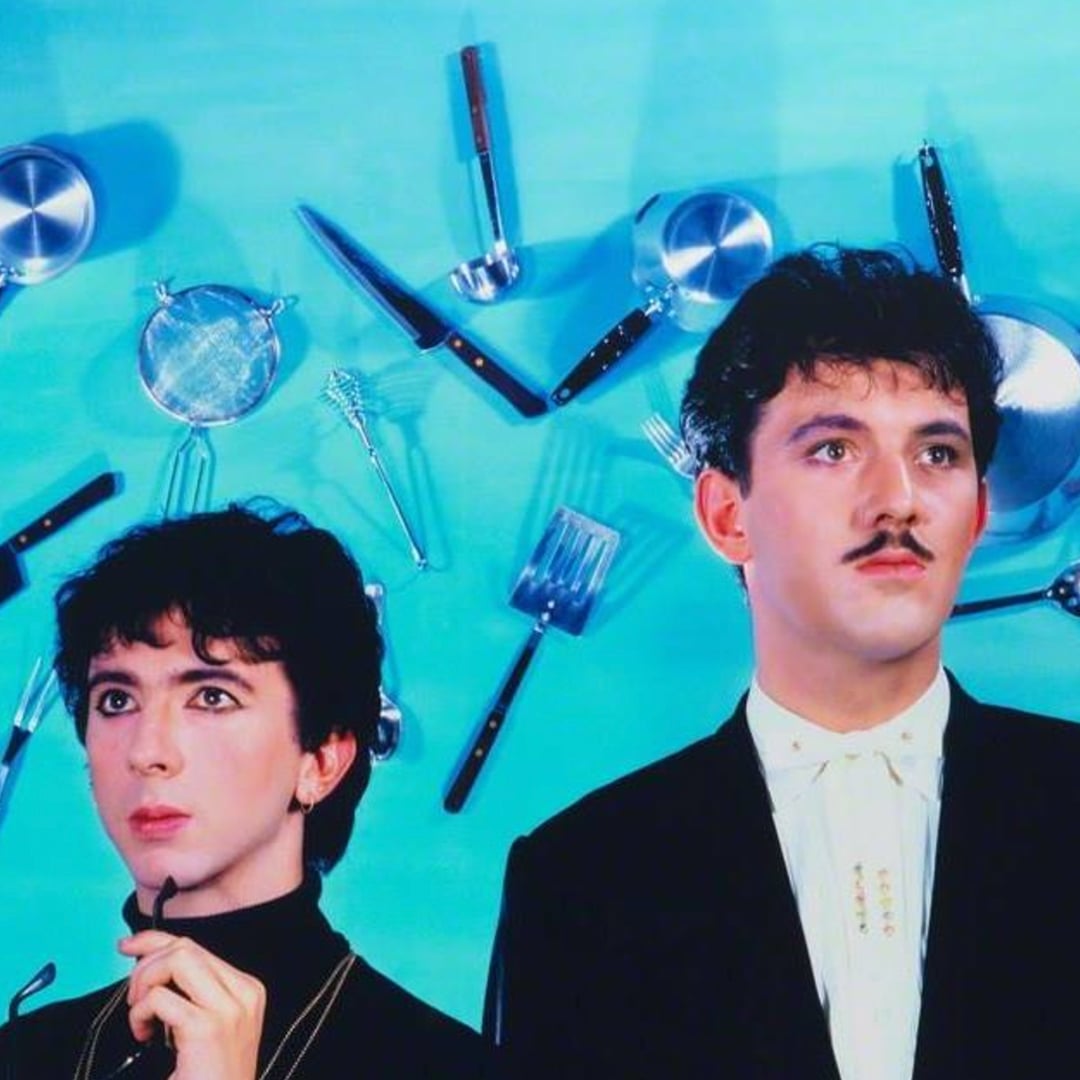
While Duran Duran or Visage were indulging in exotic pop that never quite let you in on the escapist fun, Soft Cell, both aesthetically and lyrically, dwelled in the same skint revelry of much of the country’s youth during the unemployment-stricken fog of the UK during the dark days of the early 1980s. Almond’s art student clobber and plethora of adorned bangles were infinitely more relatable than the Covent Garden contingency’s fashionista peacocking, easily imagined staggering to the dole queue straight after a night’s heavy partying.
Such social realism was captured in ‘Bedsitters’ expert vignette. Lifting the lid on the grim realities of existential dread on a hungover morning’s bleak come down, Almond dared to depict the youth club scene as it often was, bursts of pleasure seeking tuning out life’s grey reality, waiting to bludgeon you back at your bedsit or, in today’s economic ruin, a mouldy HMO that eats up half your wages. With Soft Cell’s third major single, the pair present a synthpop theme to a Ken Loach film never made.
‘Say Hello, Wave Goodbye’
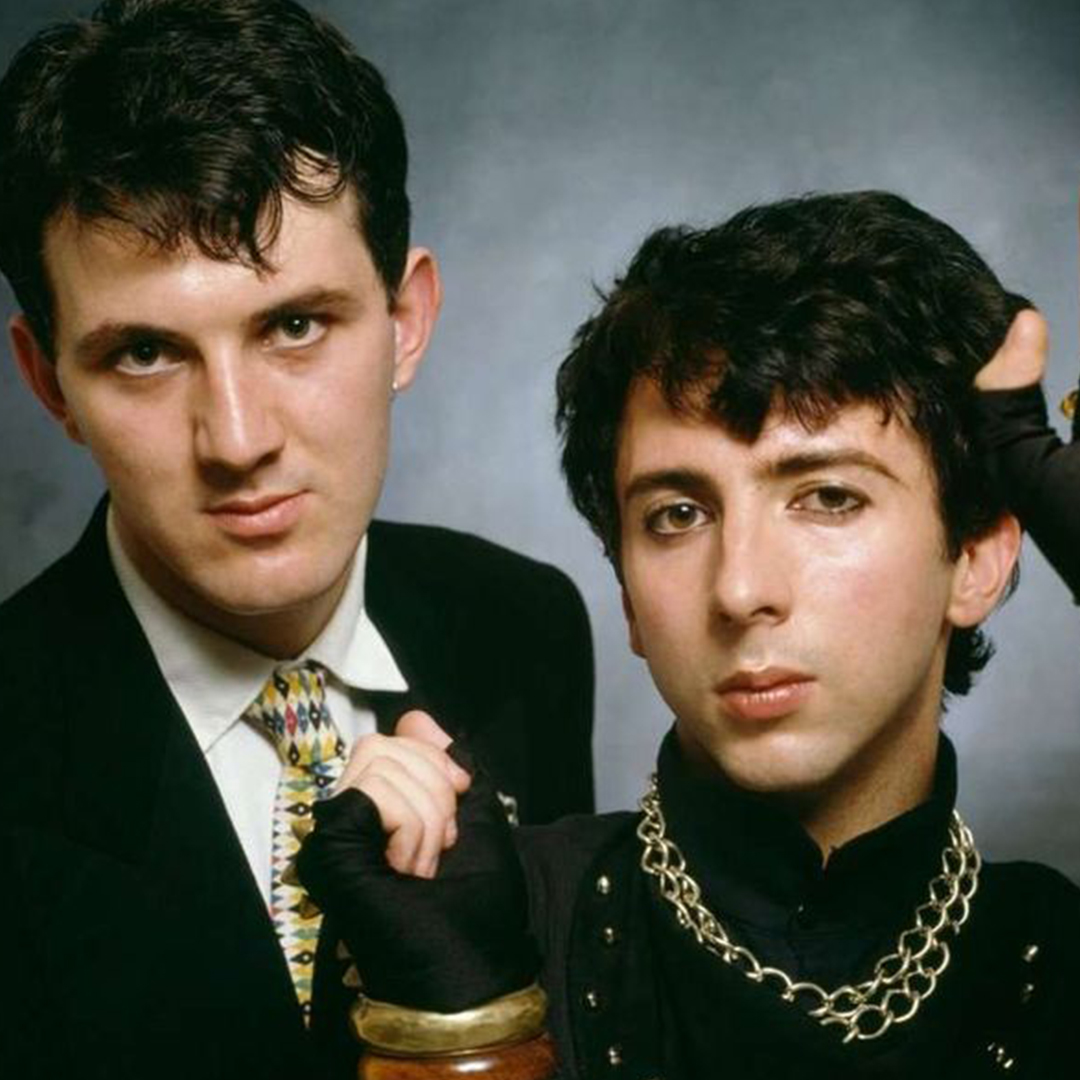
Living in central London’s Brewer Street amid a pre-gentrified Soho, Almond was able to spy the many characters drawn to the city’s illicit hotspot of adult theatres, massage parlours, and a plethora of queer clubs, spying the spectrum of flockers to the area’s red light glow with lyrical intrigue. Among the out and proud and overcoated dirty old men spotted among the Soho establishments were the lost souls needing to button up their double lives away from the prurient eyes of the mainstream stiffs.
Such drama was captured in 1982’s thrilling ‘Say Hello, Wave Goodbye’. Engulfed in Ball’s passionate synth ripples and stirring key lines, Almond depicts the pained and frantic moment a sex worker’s client or closeted gay man vigorously instructs their private lover to feign unfamiliarity, “’We’re strangers meeting for the first time, OK?’ / Just smile and say hello”. Swirling with heartache and astute observation, ‘Say Hello, Wave Goodbye’ stands tall in the cinematic song canon as anything by Gene Pitney or Roy Orbison.
‘Where the Heart Is’
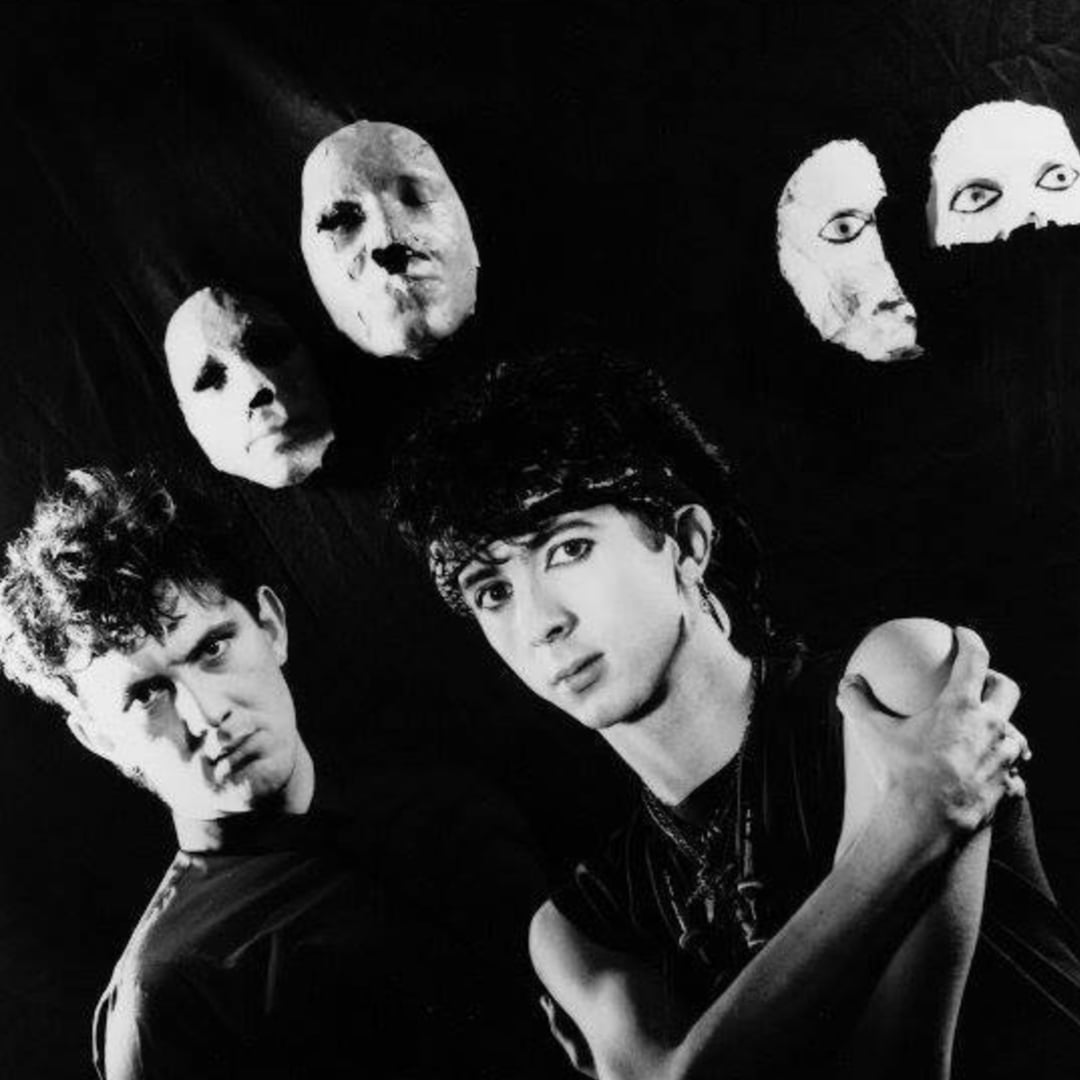
For many, the festive pull that brings the family to the dinner table for Christmas is spiked with anxiety and dread, the perfect storm where unburied hatchets, sedimented grievances, and bitten lips volcanically explode after several sherries and shortened tempers. Reportedly inspired by such a clash with his mother, Almond penned ‘Where the Heart Is’ thunderous soap opera, another pop gem set within the private turmoil of the domestic sphere.
The lead single to 1983’s sophomore The Art of Falling Apart, Ball imitates a keyboard-translated orchestral heft to Almond’s family drama, shimmering slice of Coronation Street electro that lyrically illustrates with canny realism the tense air of a grown son’s return home to an environment that’s long lost any understanding or grasp of the rapid changes and worldly experience their beloved offspring’s undergone. Sung with knowing edge, ‘Where the Heart Is’ transports straight to the Leeds dinner table’s arena of generational clash with both affection and exasperation.
‘Numbers’

Despite the expanded sonic palette pursued on The Art of Falling Apart, Soft Cell still knew how to craft palpably eerie and skulking grooves radiating promiscuity. Inspired by the LGBTQ+ writer John Rechy’s 1967 novel, ‘Numbers’ marries a beguiling balance of cavernous percussion, apparitional synth wines, and squelching funk bass to evoke a stale, sensory sting of hollow sex and carnal regret only Soft Cell can conjure.
There’s nothing fun or decadent in the faintly eerie cut. “Numbers / Throw ’em away like Kleenex / Numbers / Pick them up and push them away” Almond purrs atop Ball’s peeling wallpaper soundscape, a slithering pop gem that skulks out the speakers with its head down looking sheepish, vibrating with God-given hook while also shuffling in suitably listless pang.
‘Soul Inside’
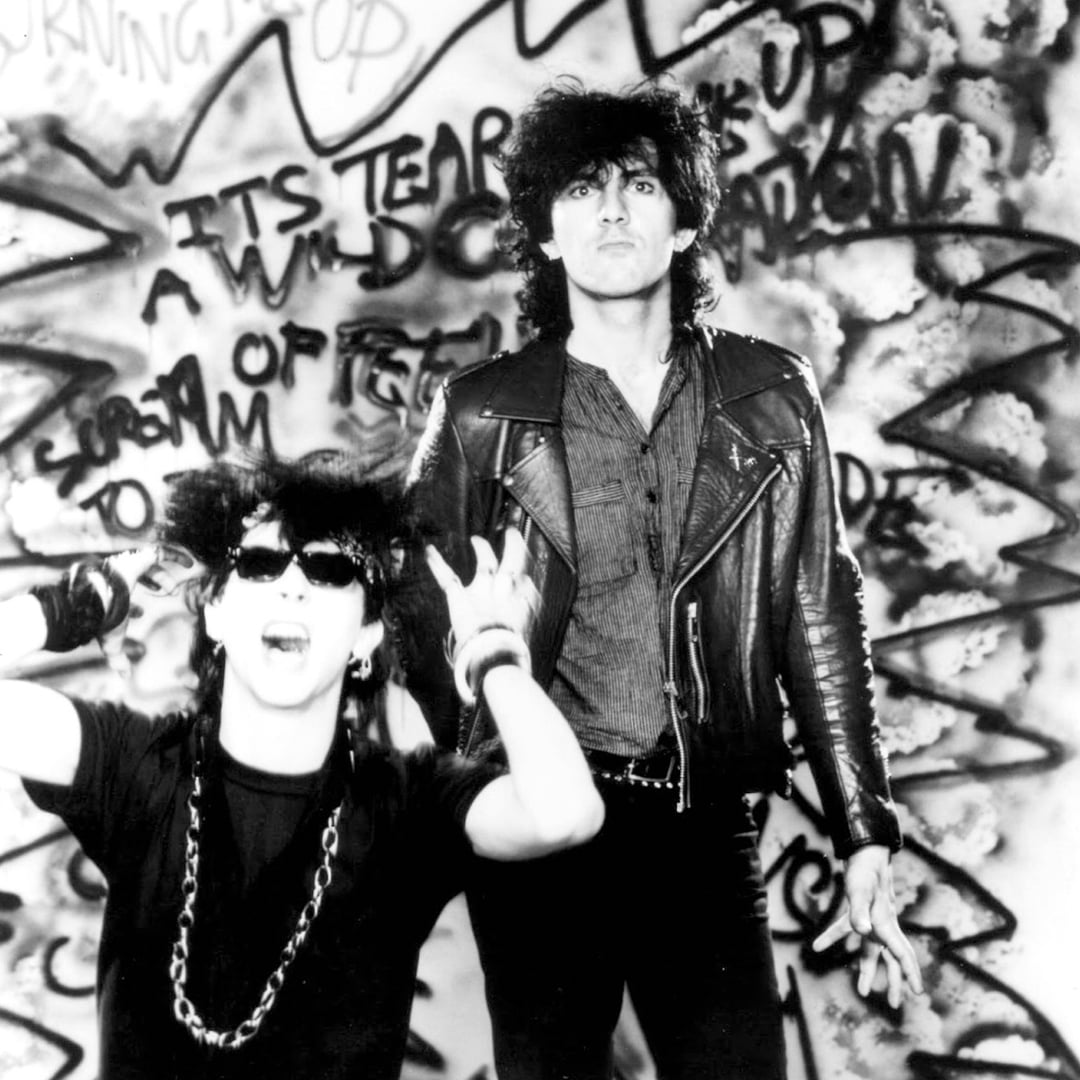
By 1984’s aptly titled This Last Night in Sodom, Soft Cell had fallen into a ruinous lapse of artistic fracturing and all of the drugs New York had to offer. Already triggering solo projects, the pair’s last album of their initial tenure was a furiously more rock-oriented attack, brewing punk venom and tales of underground murder and sexual assault trauma, marking a darker level of affrontery that alienated the fans still clutching their ‘Tainted Love’ 7”.
Leading This Last Night in Sodom was the explosive ‘Soul Inside’. A spiritual howl of a number that echoes Non-Stop Erotic Cabaret’s anguished opener ‘Frustration’, ‘Soul Inside’ speeds through an electric crescendo of machine gun drum machines and caustic brass bleats, still managing to score a UK top 20 on the cusp of Soft Cell’s disintegration.
‘Monoculture’
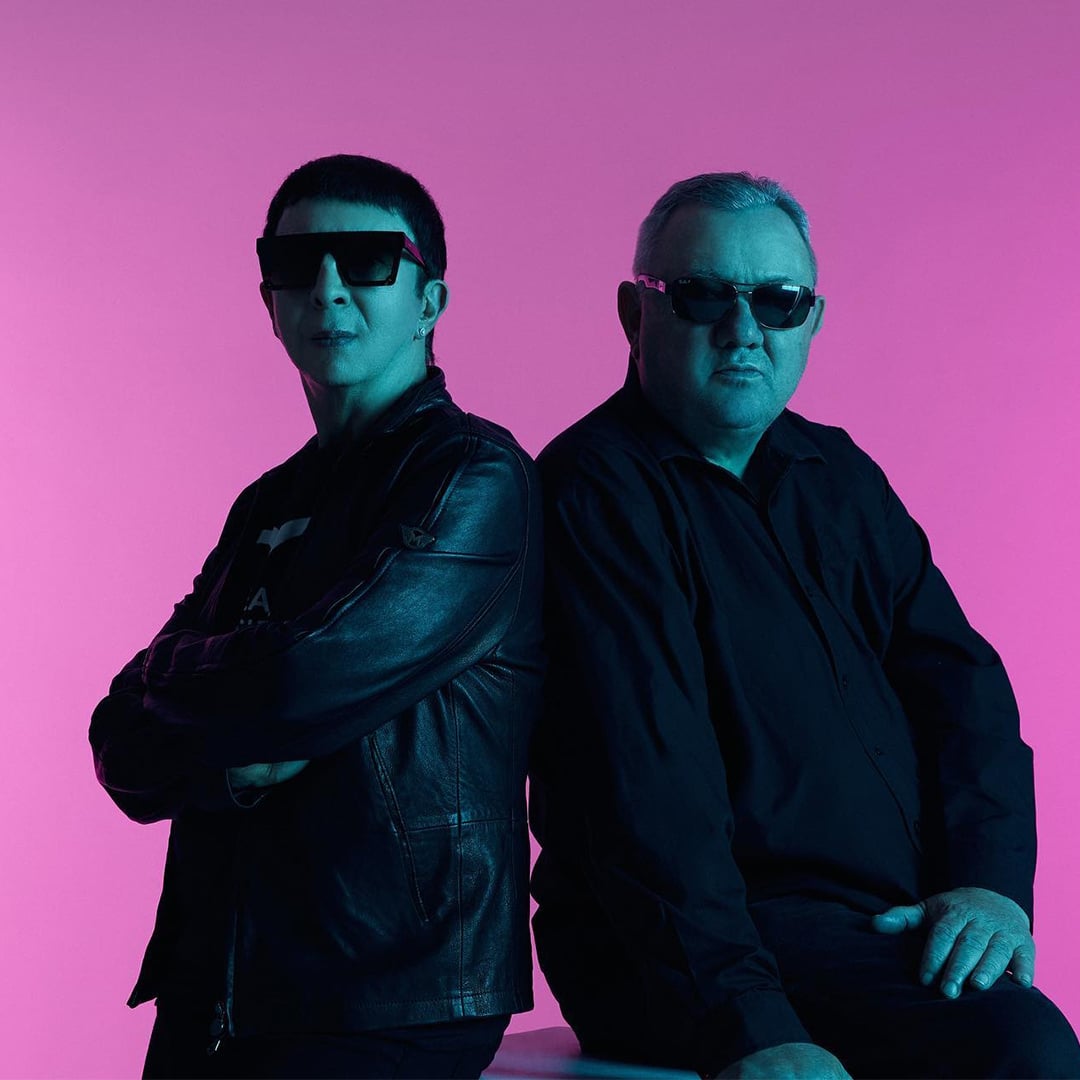
After years apart, 2002 saw Soft Cell’s much-awaited return with Cruelty Without Beauty. Adopting a sleeker sound and contemporary snap to their compositions, Ball and Almond were still able to weave their fizzy intersections between club bounce and the UK’s surreal mundanities.
The first single, ‘Monoculture’ slapped shiny strings, robotic backing vocals, and a glitchy bounce to the beats, poking fun at the smothering homogeneity that flumped across the early 2000s’ cultural landscape, enthralled with retro mist and nostalgic rehash. Such satirical themes were made loud and clear in its video, Almond dressed in fast food gear, working with clowns, and serving mass-manufactured slop in desperation.
‘Northern Lights’
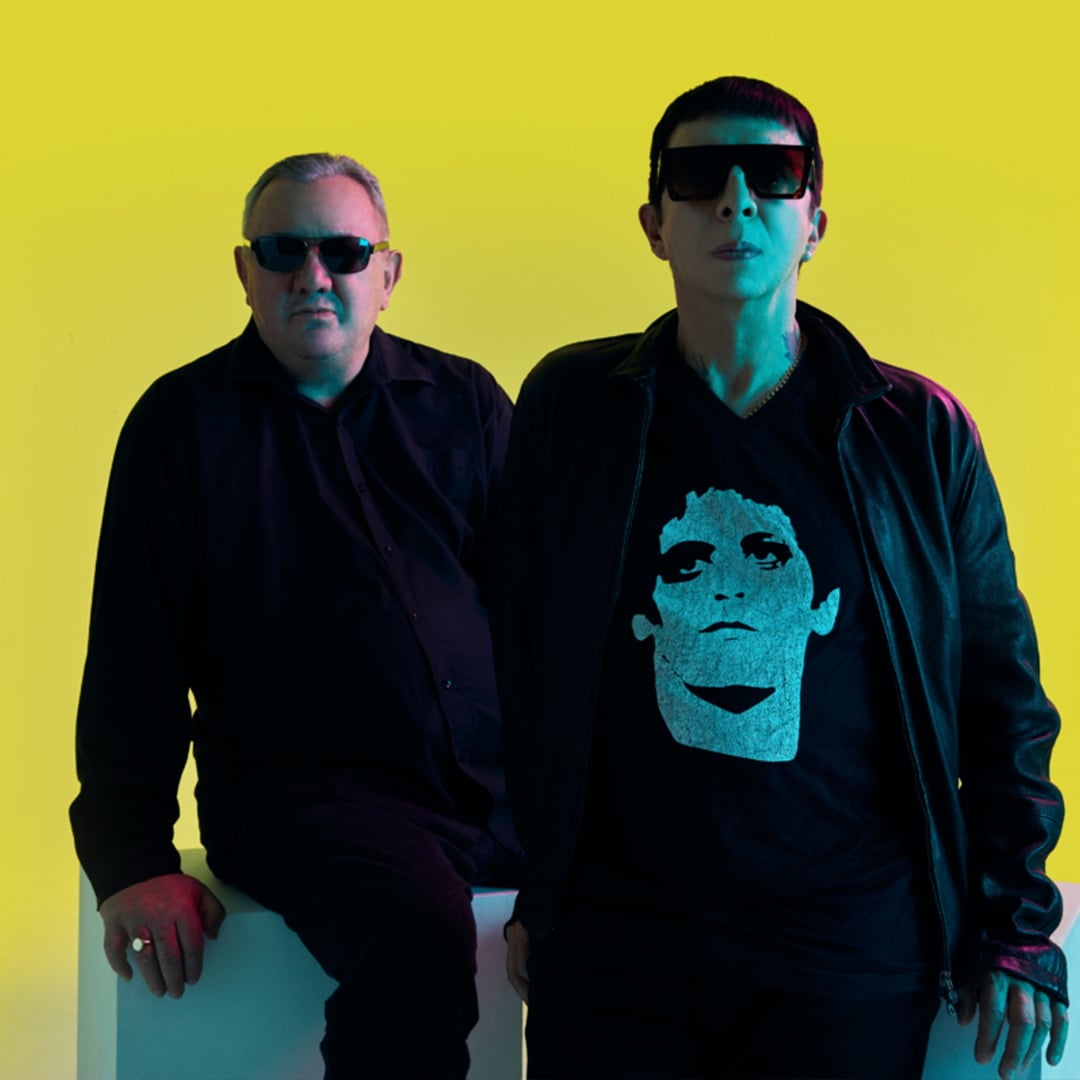
For 2018’s Keychains And Snowstorms: The Singles compilation, Soft Cell looked back to where it all started. A love letter to Stoke-on-Trent’s Golden Torch and Manchester’s Twisted Wheel, Almond injects the paean to youthful flight on the dancefloor with a welcome halcyon energy atypical of Soft Cell’s former pop efforts. It was perfect timing too, northern soul having enjoyed a resurrection of sorts among a new generation of enthusiasts hooked on its unabashed dancefloor joy.
Heralding a comeback of sorts ahead of their massive O2 Arena show, Soft Cell flexed with aplomb just how sharp a pop hook they could still wield, imbued with the same bottled energy of drama and latent lyrical ambiguity that glowed during their classic era.
‘Bruises on All My Illusions’
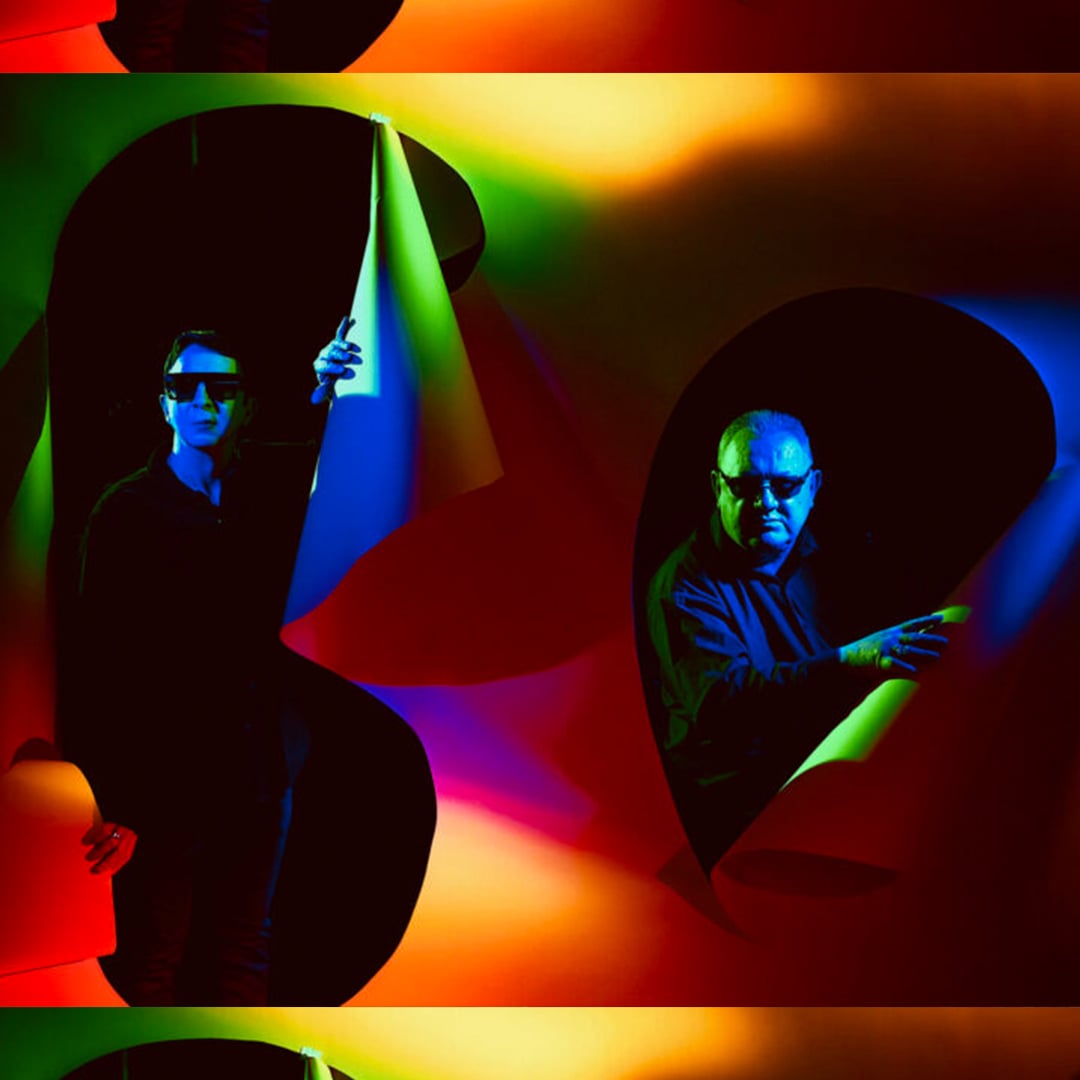
It’s a fact all too often ignored in pop music: all the best choruses are “la la las” or, in Soft Cell’s case, usually a “woh woh woh woh”. The band recognised this truth and unashamedly adhered to it. Their best melodies are all vocal-driven, and ‘Bruises On All My Illusions’ exemplifies that. The synthy background is distant, almost dissonant, and wavering, but Almond has the ability to gather it towards a brooding refrain.
Failures are rendered danceable by the duo as this cut from their 2022 album, Happiness Not Included, waltzes with a Halloween eeriness. That juxtaposition of camp horror, genuine reflections on shortcomings, designs of grandeur that ran aground at the planning phase, and innovative pop all collide to make for a song that felt like a perfect 21st-century offering from a band well aware that their pomp was in the past. It’s as spooky as it is sincere, and that’s a captivating collision.
