


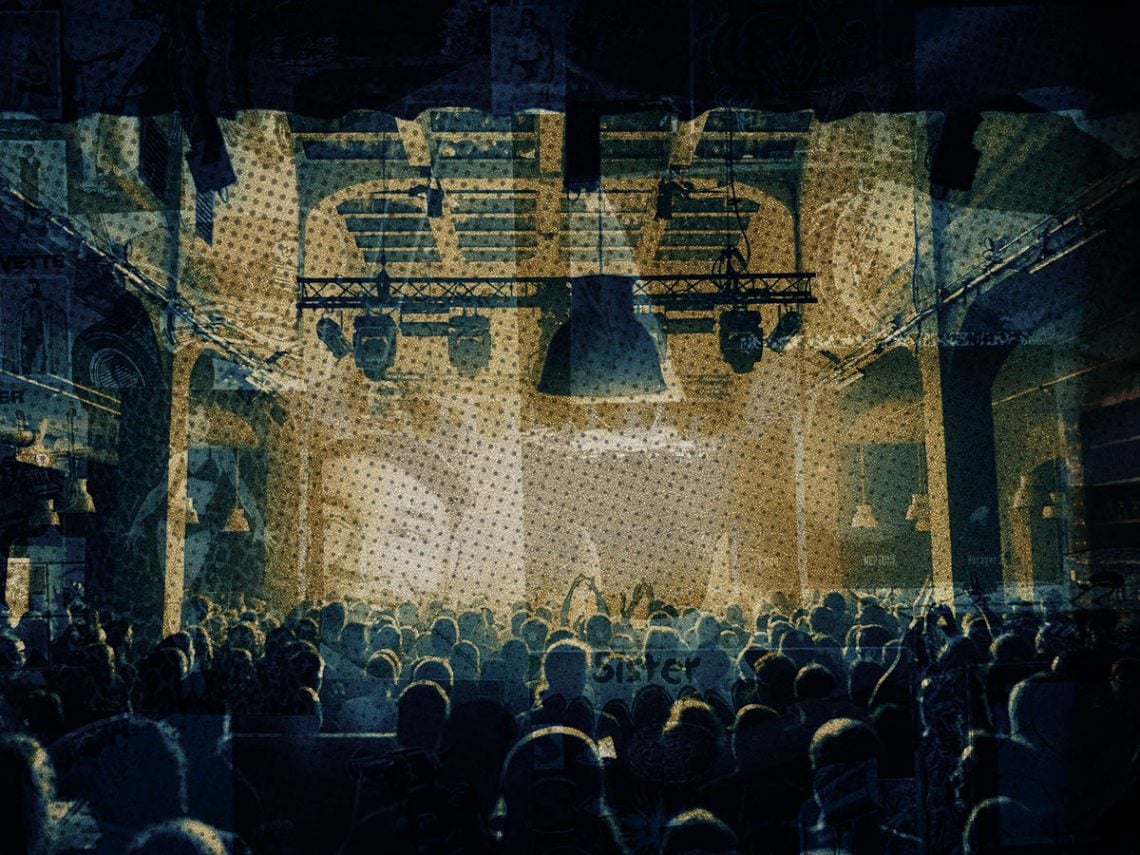
What was the first nightclub?

The concept of a ‘big night’ feels like a thoroughly modern thing. Our perception of a night out with the classic pre-drinks, listening to playlists to get hyped up, and jumping in an Uber to the venue, but sometimes not even heading there until well after midnight, feels like a new thing. However, each generation should have said the same. Each newly evolved iteration of society falls into this common misconception that they invented fun and that the past was stuffy and boring. When in reality, people were heading to nightclubs generations before you might expect.
In particular, it feels like the 1990s utterly reshaped the concept of ‘big night’, making it feel like a new thing by altering its shape. While the hedonistic Britpop era was one thing, ‘90s rave culture was completely different. People from then on have gone to clubs later, somewhat separating the idea of a night out from an evening of drinking and dancing.
It all begs the question of what a night out is. Does a certain hour have to strike on the clock to announce that an evening of boozing is now officially a night out? Does dancing have to be involved? Where is the line between a nightclub and simply a bar with space to groove? The only answer is that it’s all relative, as each culture and generation would provide a different response.
But the one resounding answer is that nightlife is the one thing that can unite humans across all kinds of lines and boundaries. It even ties us to our ancestors well into the past, as the most ancient civilizations liked to stay up late socialising.
Eventually, people cottoned on to the fact that this impulse to have fun could be a money driver. Really, all cultural hubs are cashing in on this: cinemas, music venues, galleries and so on. But the nightclub is truly man’s monument to a good time. The birth of the nightclub cannot be underestimated as a history-shaking, world-changing event. Think of all the subcultures born out of clubs, all the art and music and films with their grounding there, or all the multitude of ideas that have popped into creative minds during a night of dancing. Since their conception, nightclubs have not only been vital meeting places but also jumping-off points for countless new and exciting moments in society and youth culture.
From the ballroom scene that is so essential to the Queer community to the New Romantics or the Punks that reshaped rock and roll into a new direction, the club is responsible. In modern times, there would be no Charli xcx or The Dare without nightclubs, but even way back in the 1800s, the early versions of the club changed the face of society.
Where was the first nightclub?
Webster Hall in New York is often considered to be the first ‘modern’ nightclub, taking the shape we’d recognise today as a club. It was opened in 1886 as a specific and marked place for dancing, socialising and, more strangely, political activism, proving that the club has always had ties to social justice. The venue is still open today.
However, other venues before served the purpose of a nightclub as a place to dance, hear music and socialise. Most of the first ones were in New York, which was always on the cutting edge of entertainment. In the 1840s and ‘50s, the first-ever nightclubs included McGlory’s and the Haymarket, which put on vaudeville acts, played music and had space to dance. They also, notably, tolerated unlicensed liquor, meaning that people could get drunk cheaper and easier. They also turned a blind eye to other sins like gambling, immediately launching nightclubs’ connection to debauchery.
Reisenweber’s Cafe is another notable early nightclub, opening in 1856. The Cafe, which acted as a venue, hotel and restaurant too, is credited for introducing jazz and cabaret to New York, opening up a whole new chapter of the early 1900s jazz crowd during the flapper era.
The reputation of nightclubs was built and built, extending into a global phenomenon from then on and slowly morphing into the thumping sound systems and flashing lights we know now as each subculture offered something new to our perception of what a big night is.
