


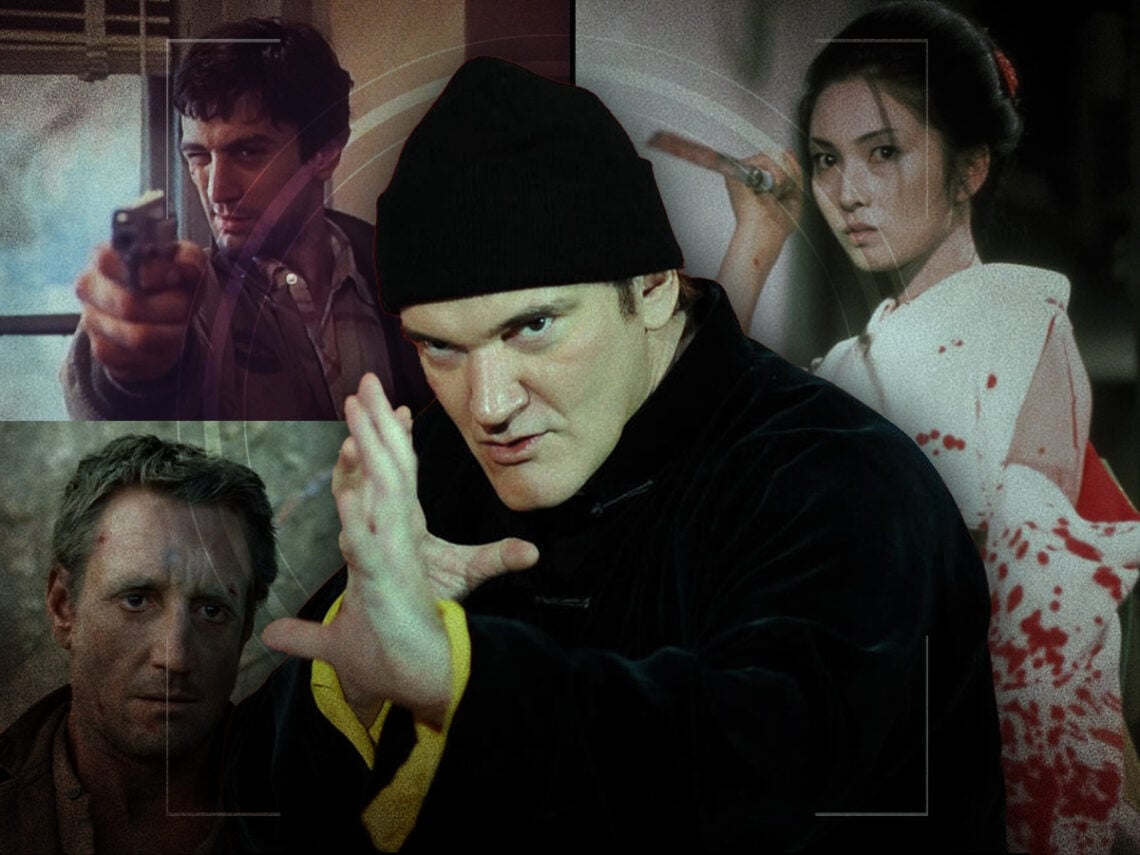
10 directors who made a better Quentin Tarantino movie than Quentin Tarantino

Quentin Tarantino is unquestionably one of the most influential living filmmakers, as he helped to usher in a new generation of low-budget, stylised independent cinema with his debut Reservoir Dogs, and made one of the most frequently cited films of all time with Pulp Fiction.
While he has been criticised for his proclaimed intention to only make ten films (as he counts both Kill Bill films as a single entity), it’s hard to argue with his track record, given that he hasn’t missed yet. There are legendary directors like Clint Eastwood, Steven Spielberg, John Huston, and William Wyler who have a few misfires in their careers, but Tarantino’s ten films are all at least pretty good.
Moreover, he has become almost as well-regarded for talking about cinema as he has been able to revitalise the reputations of certain films, directors, stars, and even genres through the power of recommendation.
Tarantino makes references to a number of films that were made before he got into directing, and it’s easy to tell that he has some anxiety about never being able to live up to them. It’s often the case that younger cinephiles are introduced to a wider world of cinema because of Tarantino, only to realise that the films that he has drawn from are superior in nearly every way.
10 directors who made a better Quentin Tarantino-esque movie:
‘Rio Bravo’ (Howard Hawks, 1959)
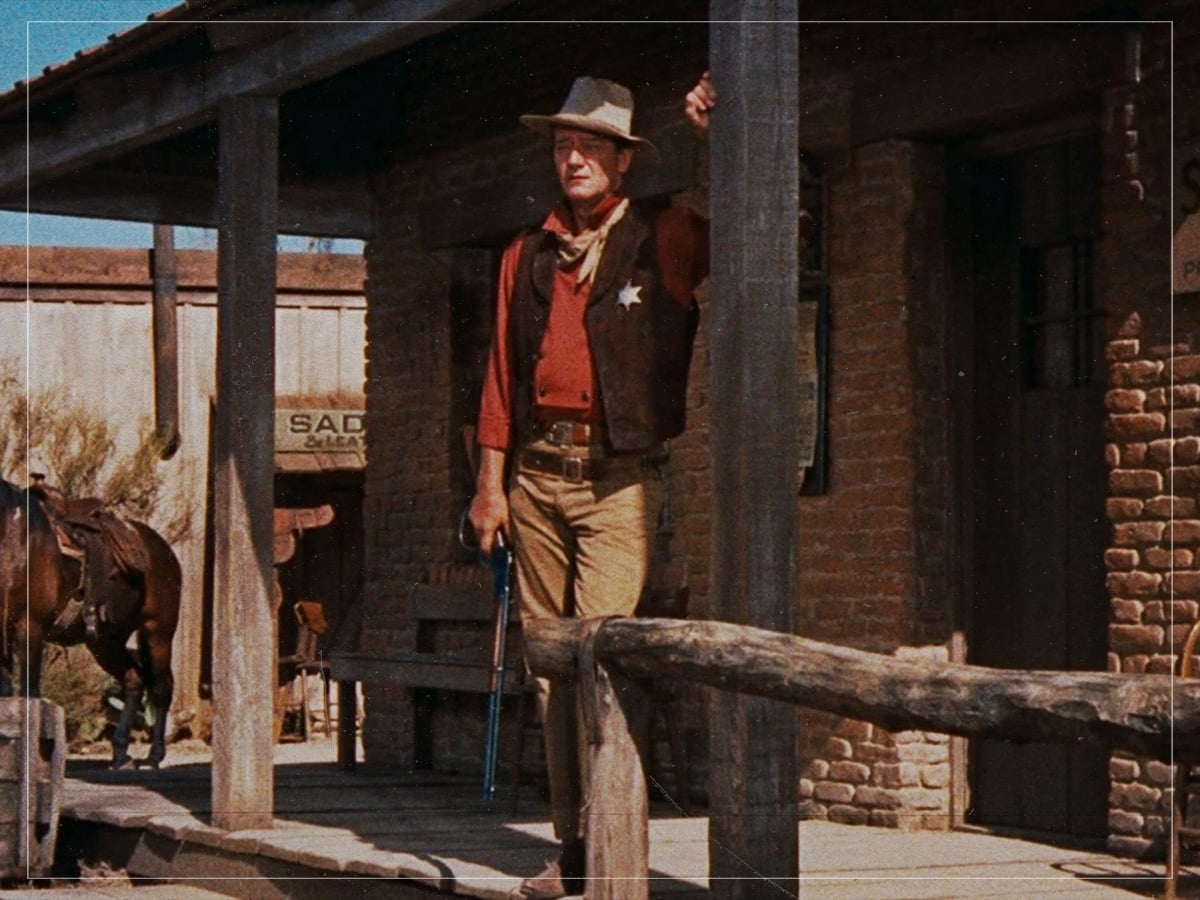
Howard Hawks might be the filmmaker Tarantino admires the most, as he constantly talks about the director’s vast array of classics and has named his classic romantic comedy His Girl Friday as one of his favourite films of all time, but he is most indebted to Rio Bravo, the western that starred John Wayne, Dean Martin, Ricky Nelson, and Walter Brennan.
The film is a true ‘hangout’ film that, like many of Tarantino’s best works, stands out because of the memorable characters and their enticing conversations, to the point where he has made many films that capture the dialogue and sensibilities of Rio Bravo. It would become an even greater influence on his work when he made his only two ‘true’ westerns with Django Unchained and The Hateful Eight, and given how frequently Tarantino feuds with other directors, it’s also notable that Rio Bravo was made following Hawks’ displeasure with High Noon and its director, Fred Zinnemann.
‘The Great Escape’ (John Sturges, 1963)
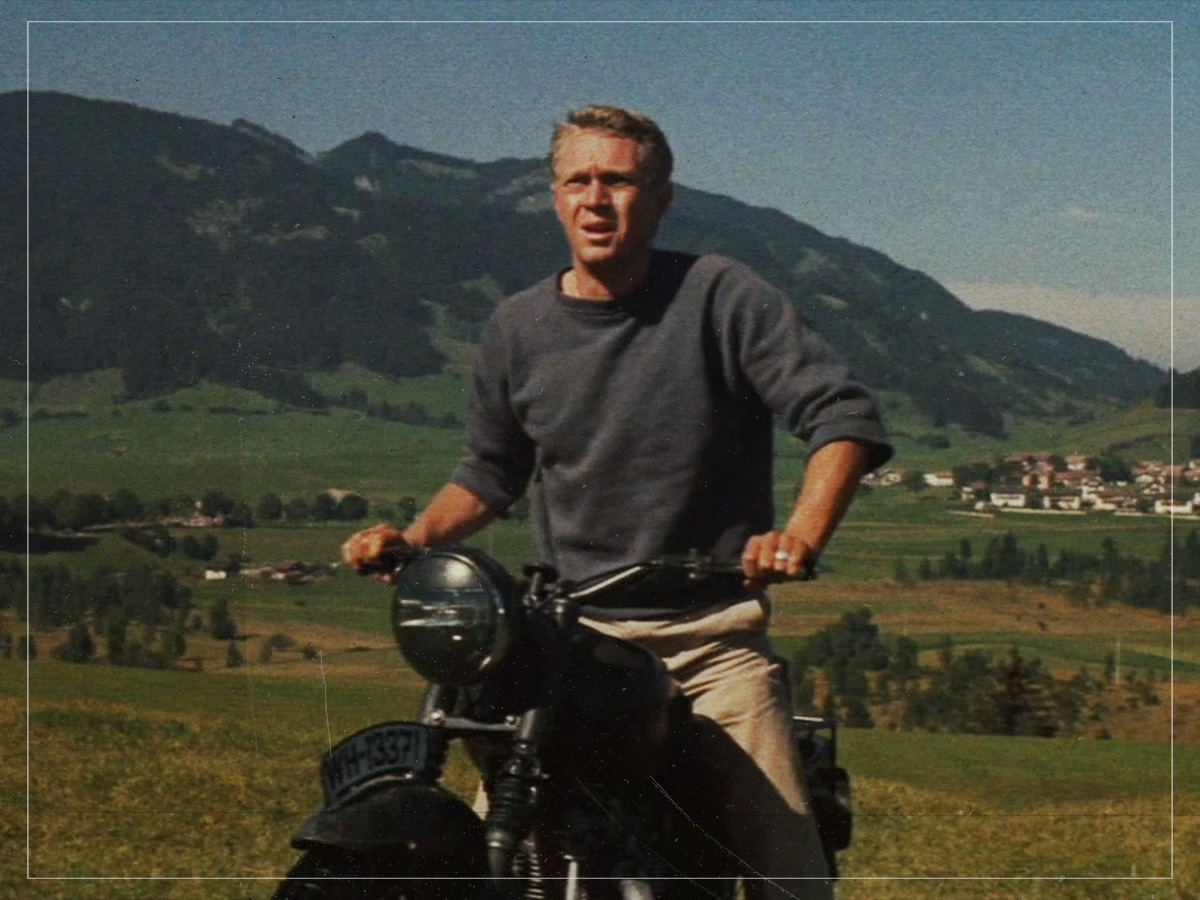
The Great Escape is the ultimate example of the World War II adventure movie subgenre that emerged in the aftermath of the actual conflict, in which Hollywood turned Allied soldiers into larger-than-life action heroes. The film is one of the primary influences on Tarantino’s 2009 masterpiece Inglourious Basterds, another fictional film set during World War II that centred on a group of ragtag Allied soldiers who go on a seemingly impossible mission.
Tarantino solidified his obsession with The Great Escape with Once Upon a Time in Hollywood, in which it is revealed that Rick Dalton, played by Leonardo DiCaprio, auditioned for the role that ultimately went to Steve McQueen, who is played by Damian Lewis. The filmmaker even went so far as to include a scene from The Great Escape in Once Upon a Time in Hollywood, in which DiCaprio is digitally inserted in the former to see what his imagined role would be.
‘A Fistful of Dollars’ (Sergio Leone, 1964)
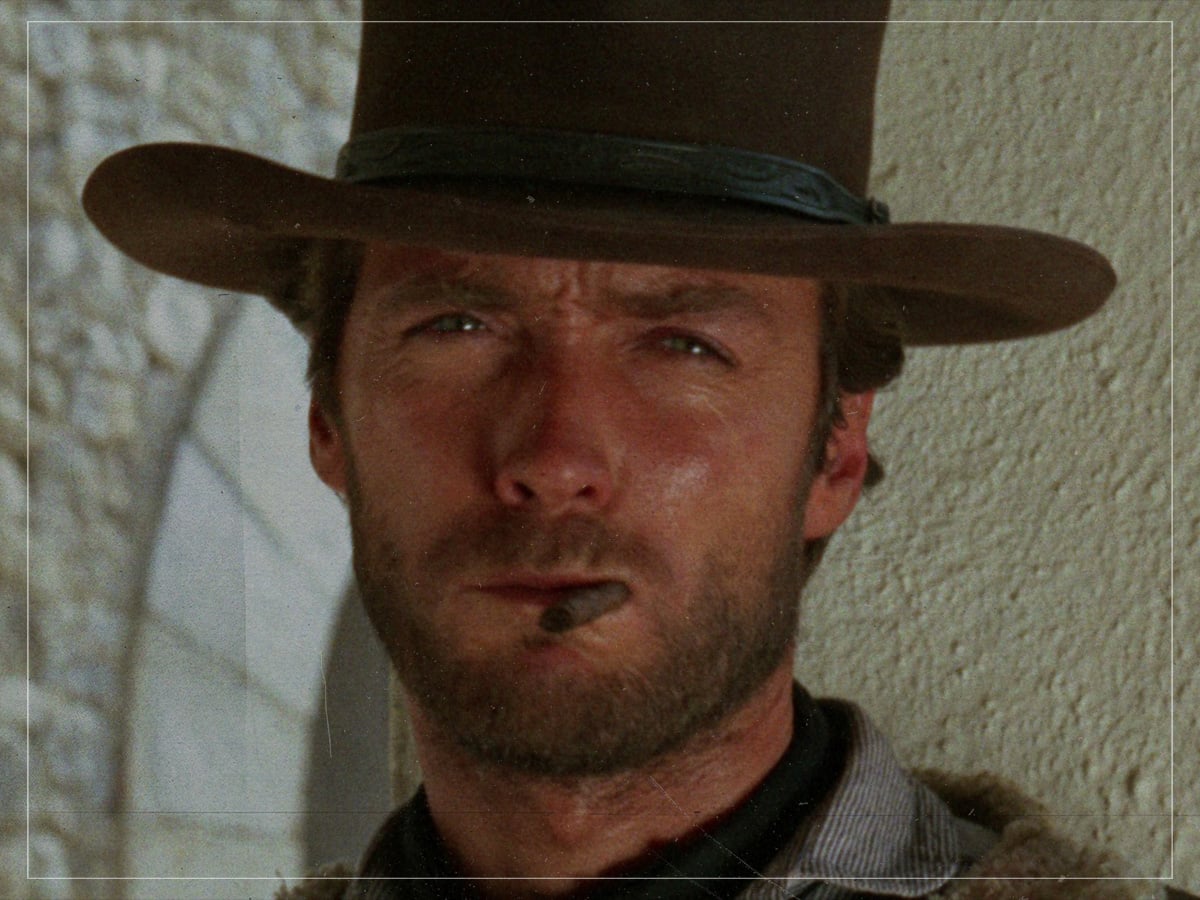
Sergio Leone is the most important spaghetti western director to ever exist, as he essentially created the genre with his influential trilogy of films that starred Clint Eastwood as ‘The Man With No Name’, and the first instalment, A Fistful of Dollars, saw Eastwood as a clever bounty hunter who manages to trick two rival criminal gangs into facing off with one another so that he can protect an innocent village.
Tarantino went on to make his own western about a bounty hunter, but he has held up A Fistful of Dollars and Leone as being part of the greatest film trilogy of all time, saying that it is the only franchise in which every single film is great, such that his fear of making an inferior sequel possibly led him to handing directing duties for The Adventures of Cliff Booth over to David Fincher.
‘Lady Snowblood’ (Toshiya Fujita, 1973)
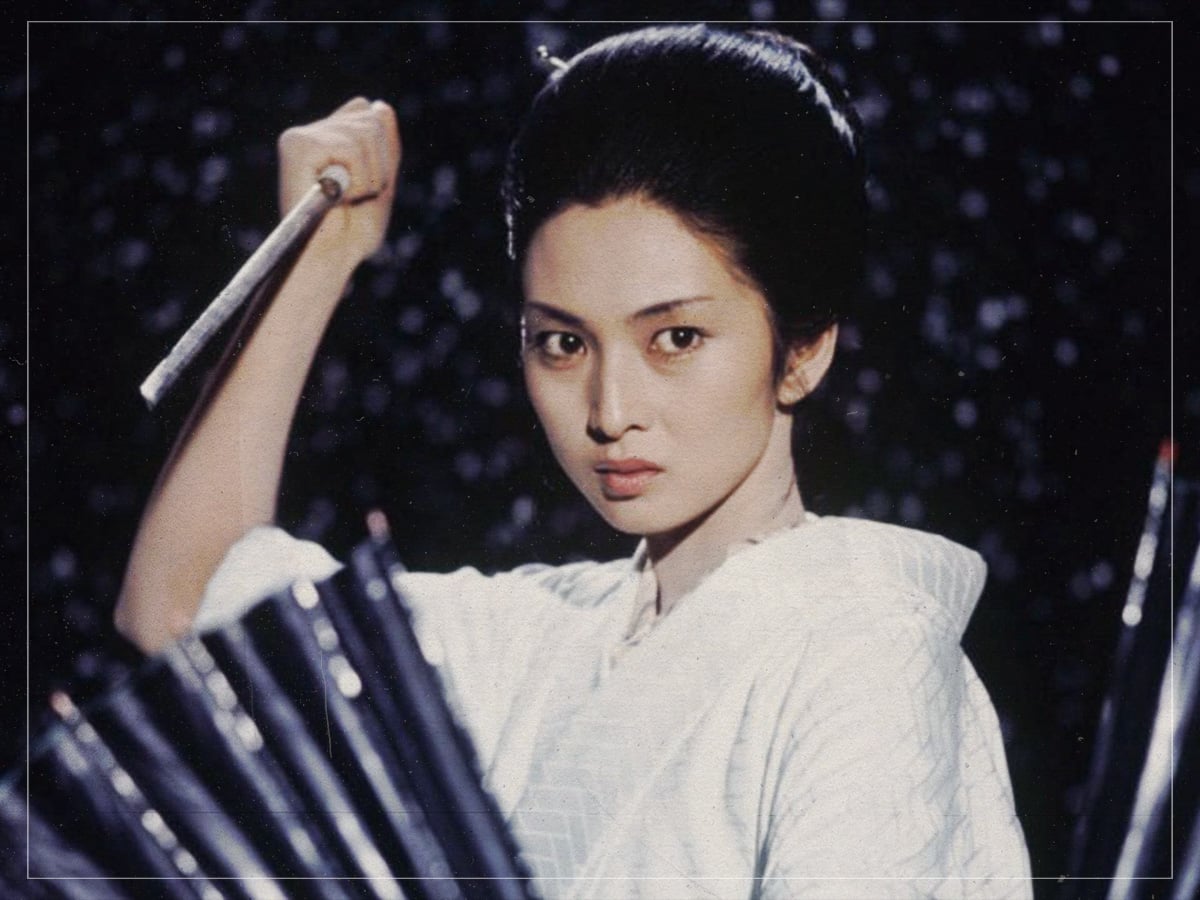
Tarantino has lovingly spoken about the action films of Japan, which he has homaged frequently, but Toshiya Fujita’s 1973 classic Lady Snowblood might be the single most prominent influence on the Kill Bill films, with both being about a vengeful woman who seeks revenge for crimes committed against her and involves the methodical tracking down of all of her intended targets.
In fairness to Tarantino, he can’t be blamed for not giving Lady Snowblood any credit for paving the way for Kill Bill, given that he brings it up in nearly any discussion about his favourite films. Notably, the snowclad fight scene between Uma Thurman and Lucy Liu that ends Kill Bill: Vol 1 is nearly a direct recreation of a similar duel sequence at the climax of Lady Snowblood, and likely encouraged many to check out Fujita’s work for the first time.
‘Taxi Driver’ (Martin Scorsese, 1976)
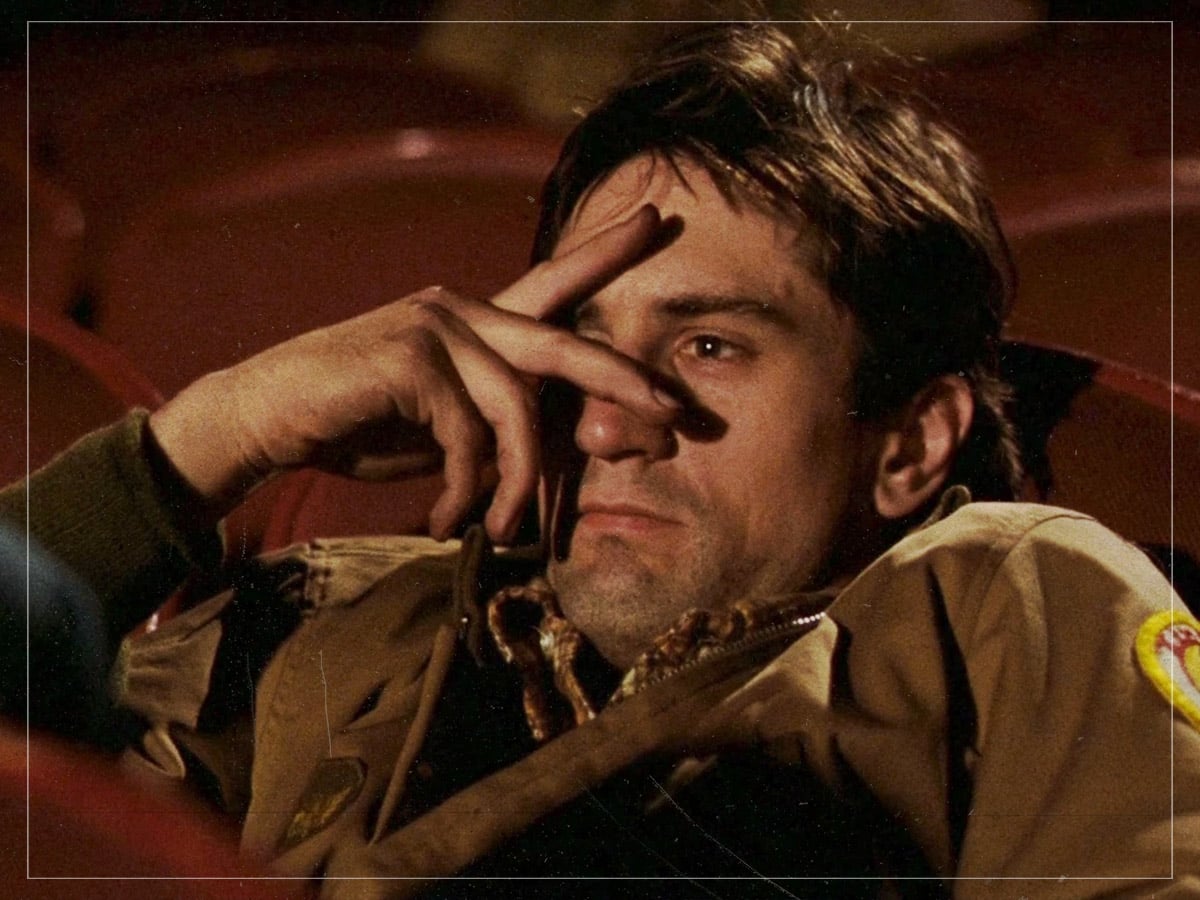
Tarantino and Martin Scorsese clearly have a tremendous amount of respect for one another, and have worked with many of the same collaborators, including Margot Robbie, Leonardo DiCaprio, Samuel L Jackson, Harvey Keitel, and Al Pacino. The former has also cited Taxi Driver as both Scorsese’s greatest film and something that has deeply inspired his own work, specifically within the authenticity it had in capturing the gritty aesthetic of New York City in the 1970s.
Taxi Driver has a longstanding legacy as the film created the modern anti-hero character in Robert De Niro’s Travis Bickle, who certainly inspired Tarantino figures like John Travolta’s Vincent Vega in Pulp Fiction and Michael Madsen’s Mr Blonde in Reservoir Dogs. The director was even able to find a way to work De Niro into one of his films when he gave him one of his most underrated parts in Jackie Brown.
‘Rolling Thunder’ (John Flynn, 1977)
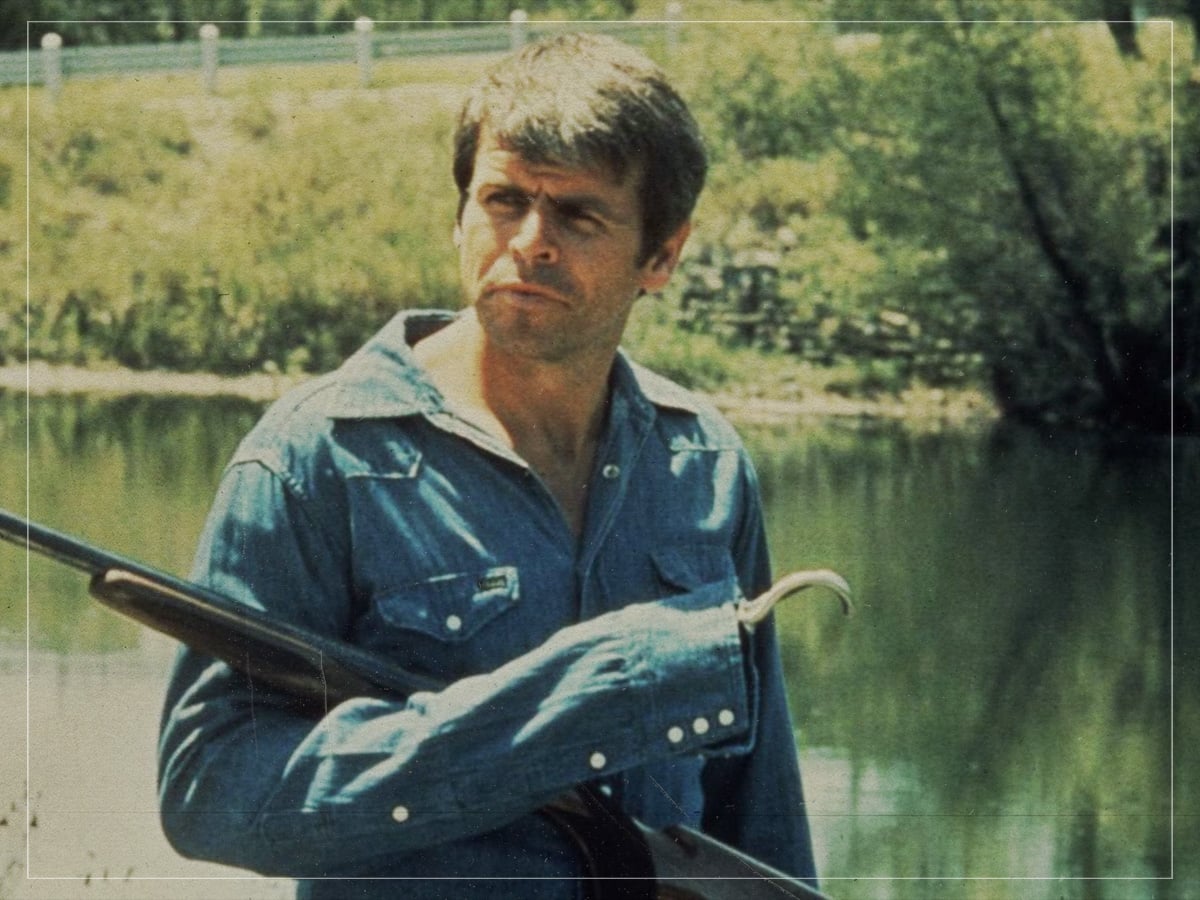
Tarantino has been frank about the fact that he was blown away by Rolling Thunder, a gritty revenge thriller directed by John Flynn and written by Paul Schrader, which sees William Devane star as a veteran of the Vietnam War who returns home and witnesses his family being murdered, leading to a brutal vengeance quest in which he teams up with another ex-soldier, played by Tommy Lee Jones.
Revenge has been a motivating factor in Tarantino films such as Kill Bill, Inglourious Basterds, Django Unchained, and The Hateful Eight, all of which replicate the same sense of righteous anger that is found within Flynn’s masterpiece. The team-up between Jones and Devane’s characters when they gather weapons for the first time is similar to the first gunfight in which Django, played by Jamie Foxx, and Dr King Schultz, played by Christoph Waltz, work together in Django Unchained.
‘Assault on Precinct 13’ (John Carpenter, 1977)
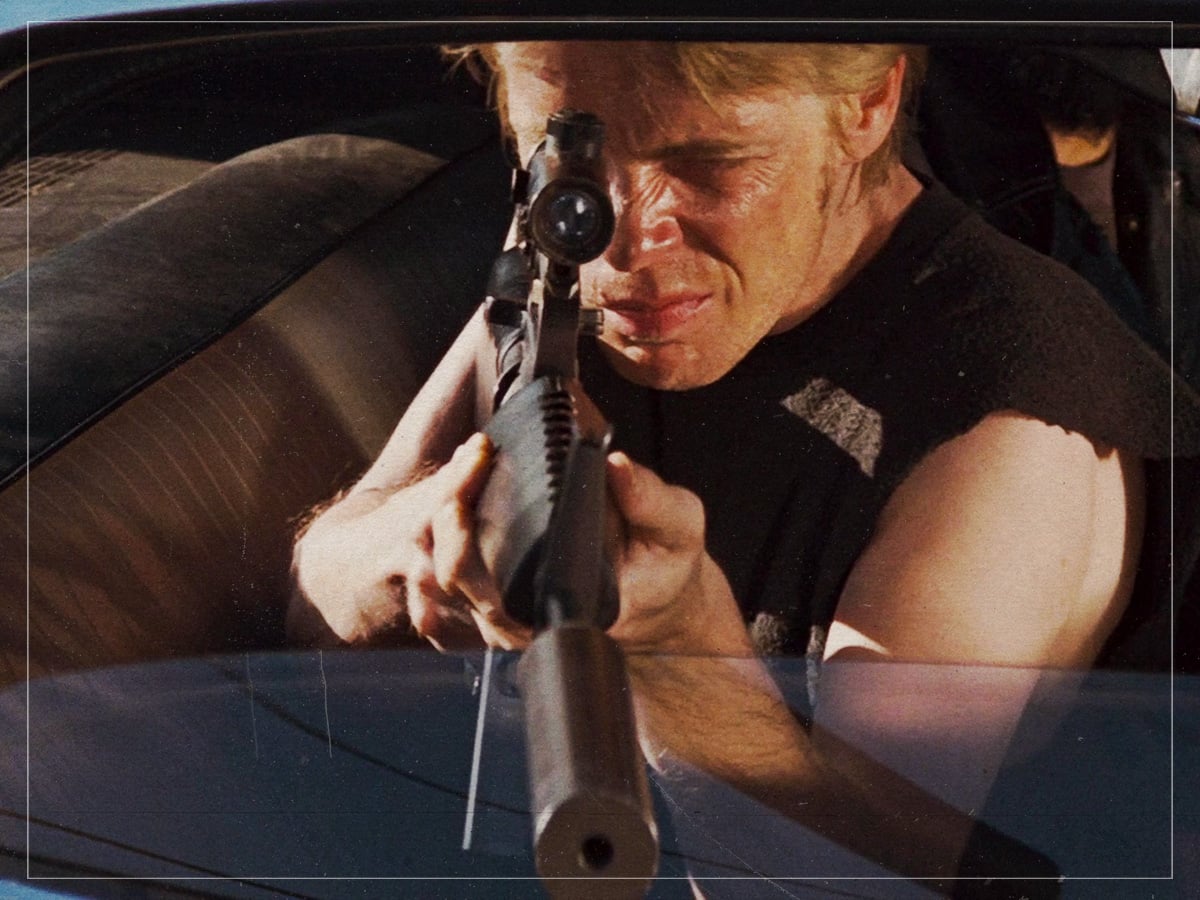
John Carpenter is not only a director about whom Tarantino has often spoken highly, but he is perhaps the only person who adores Hawks as much as Tarantino. Carpenter has discussed his love of Hawks’ westerns, and his 1977 masterpiece Assault on Precinct 13 is essentially a loose remake of Rio Bravo, except it takes place in modern day and features cops instead of gunslingers.
Tarantino praised Dark Star as a countercultural classic and called Halloween one of the rare “perfect films”, but none of Carpenter’s work is a more significant influence than Assault on Precinct 13 because of its modern take on the neo-western crime genre. That Carpenter was able to make such an intense film on a low budget by confining the story to a single location is definitely a technique that Tarantino adopted while making Reservoir Dogs.
‘Sorcerer’ (William Friedkin, 1977)
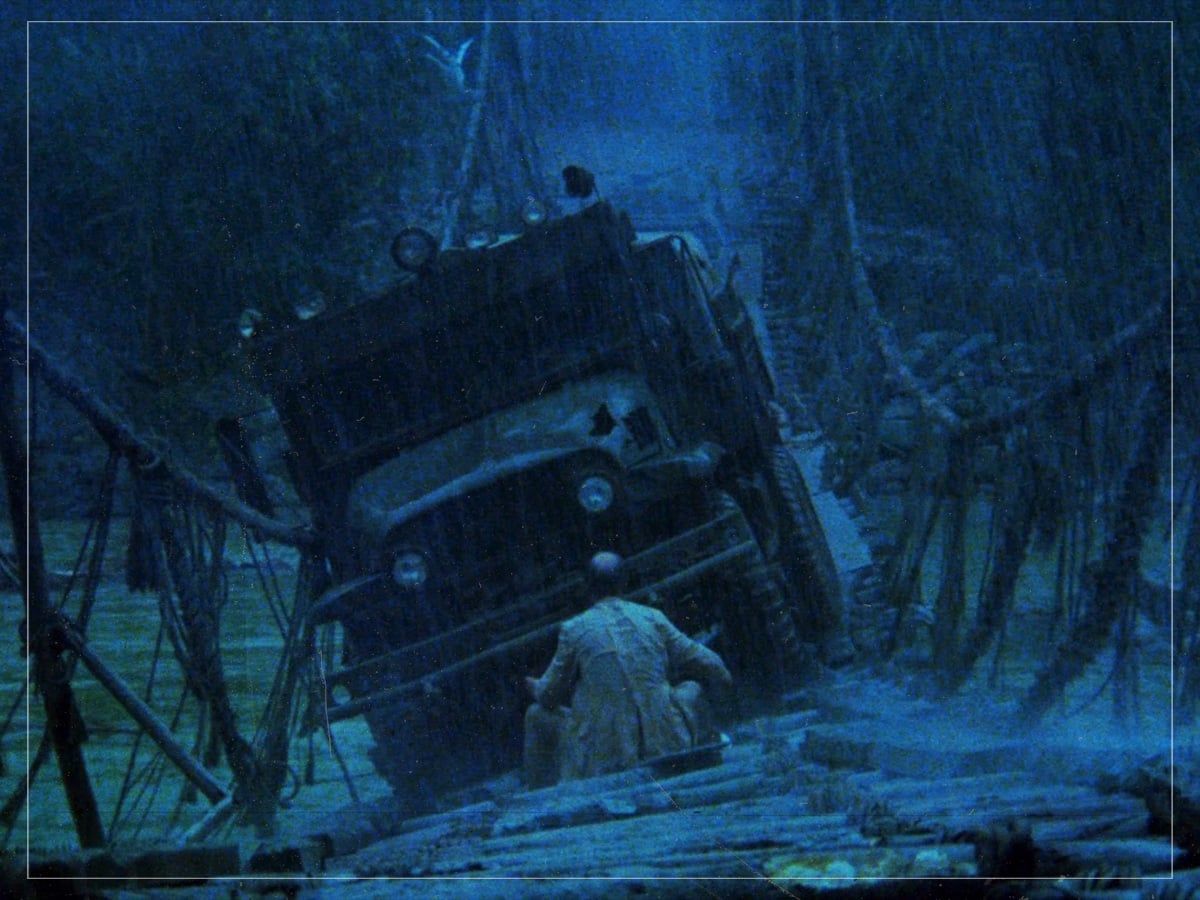
William Friedkin and Tarantino are similar directors, for not only are they both massive cinephiles who frequently touted their love of the golden age of Hollywood, but Friedkin was just as temperamental as Tarantino, and was known for making humorous comments when describing the work of other directors.
Friedkin was also an unwavering connoisseur of genre, and his 1977 action thriller Sorcerer is one of the most beloved cult films of all time, which Tarantino listed as one of the greatest films ever made, in part because of the extreme lengths that Friedkin went to create the amazing bridge sequence that put him and his crew in legitimate danger. The premise of mysterious criminals who come from different backgrounds to work on an unusual mission is replicated in Reservoir Dogs, which utilises some of Friedkin’s most notable stylisation techniques.
‘Star Trek II: The Wrath of Khan’ (Nicolas Meyer, 1982)
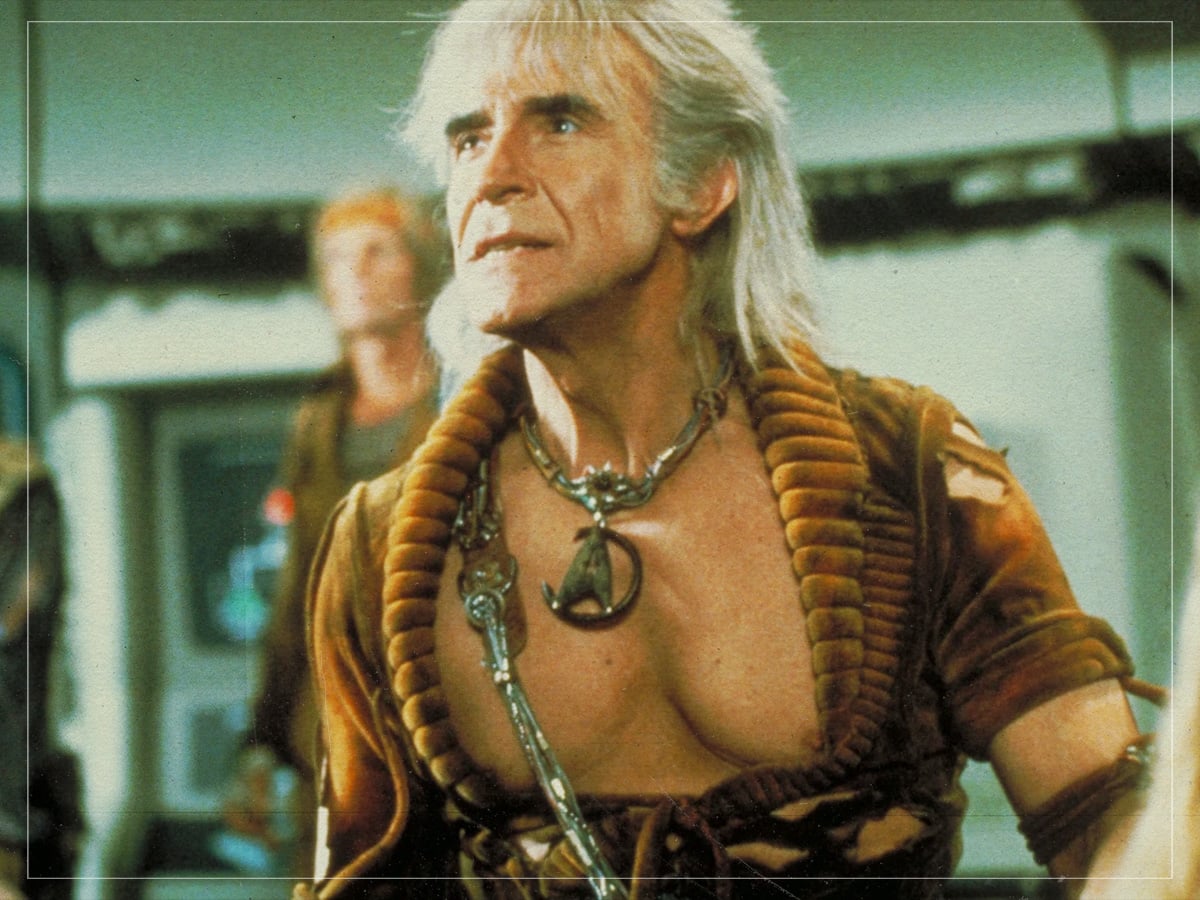
Tarantino has made it no secret that he is a massive Star Trek fan, and briefly considered helming a new entry in the franchise that was ultimately scrapped. Although he had intended to work with the cast of the ‘Kelvin’ era of the franchise and has spoken highly of Chris Pine, 1982’s Star Trek II: The Wrath of Khan starred the actors of the original series, and will forever be the greatest Star Trek film ever made.
What’s remarkable about The Wrath of Khan is that it does contain some Tarantino hallmarks, given that it comes down to a battle of wit and will between Captain James T Kirk, played by William Shatner, and Khan, played by Ricardo Montalbán. Tarantino has certainly created many great antagonists, but Khan is, without a doubt, one of the most ruthlessly evil villains in history.
‘Body Double’ (Brian De Palma, 1984)
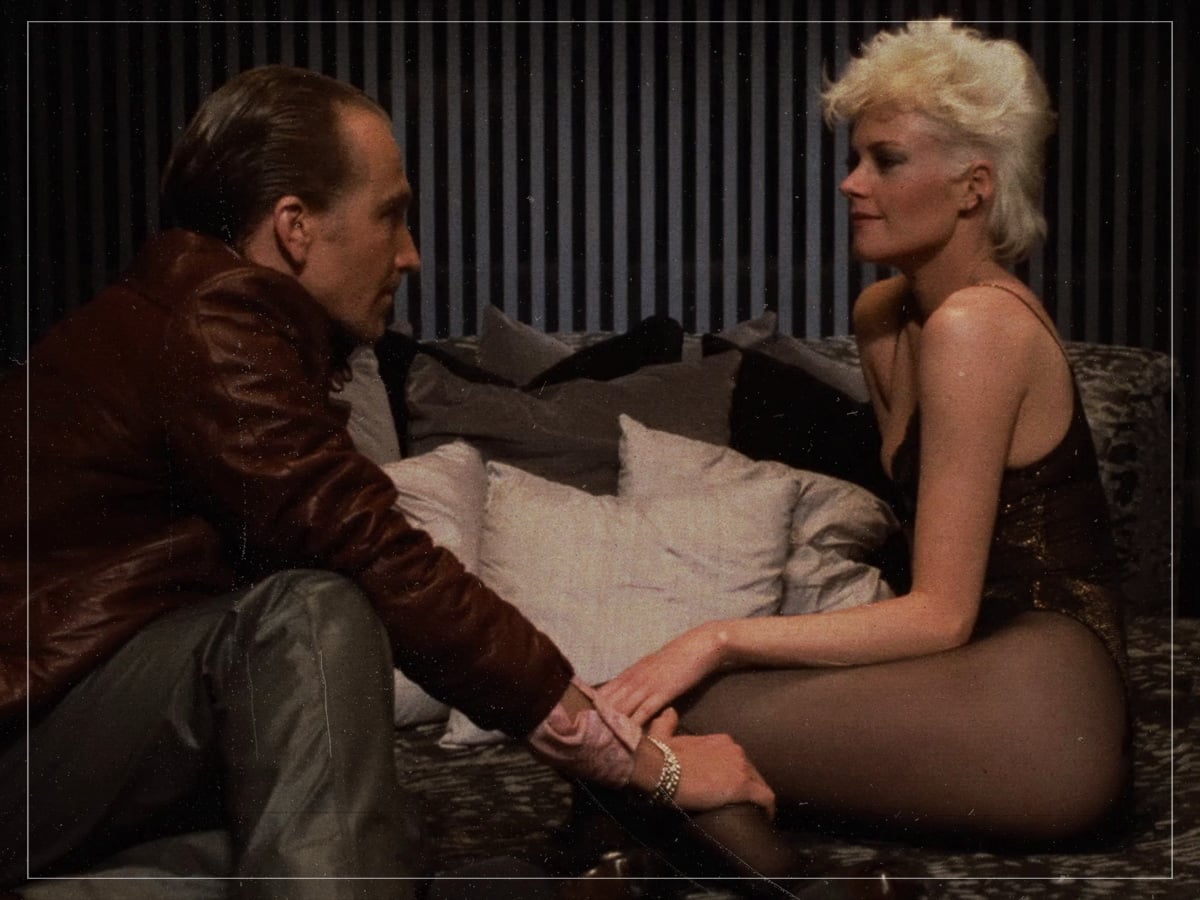
Brian De Palma laid the groundwork for Tarantino in many ways, so it’s no surprise that he’s an admitted fan of the most cantankerous member of the ‘movie brats’. Like Tarantino, De Palma courted a fair amount of controversy for his use of graphic violence, sexuality, and drug content, leading to public clashes with pundits.
Tarantino has complimented De Palma’s work on Carrie and Scarface, but Body Double seems like the type of film that he is most desperate to make. De Palma showed how to homage classical filmmaking while retaining a modern edge, as Body Double takes inspiration from the work of Alfred Hitchcock, yet sets it in the illicit world of pornography. De Palma has always had an edge on Tarantino when it comes to sex scenes, which is a flaw within the latter’s body of work, where none of it is particularly erotic.

Never Miss A Take
The Far Out Quentin Tarantino Newsletter
All the latest Quentin Tarantino content from the independent voice of culture.
Straight to your inbox.