


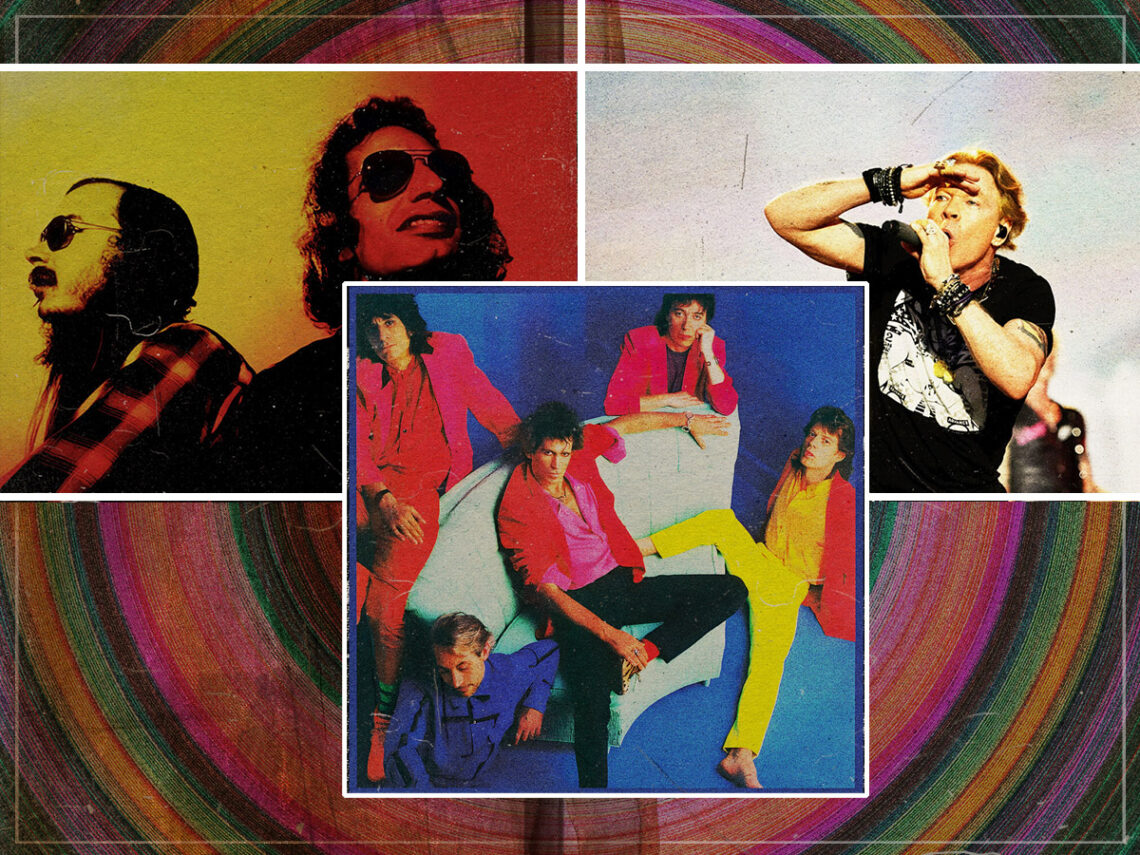
10 albums that tarnished an artist’s legacy

No band can claim to be one of the biggest bands in the world forever. Not every group can measure to The Beatles in terms of timelessness, and more often than not, bands will tend to flame out the minute their albums begin to go out of style. Although many groups may have been able to fade into obscurity following a breakup, artists like Oasis can point to one album that permanently damaged their reputation.
First, losing relevance does not mean a band stops making records. Although these albums may have had their fair share of rough moments, they did nothing to stop the group’s momentum, often moving on to the next phase of their career and even taking more chances in their later years.
In terms of their time on the charts, though, these artists would quickly be relegated to yesterday’s news following their divisive projects, with fans either fading away or treating them like a legacy ever since. Suddenly, a new album from every band on this list didn’t seem as big a deal once released, sounding like the same old song and dance the group had been used to spitting out for years.
Although most acts still like to deliver their hits to anyone who would hear them, the new music was not the top priority once these records came out. Rather than going on tour for their latest LP, these bands would spend the rest of their lives promoting a tour by releasing new material.
What makes these turning point albums so decisive is how quickly they reshape the narrative around a band. One divisive release can overshadow years of goodwill, recasting pioneers as relics almost overnight. In a culture that moves at breakneck speed, the distance between essential and outdated can feel alarmingly short, especially when expectations have been inflated by earlier triumphs.
Still, reputations are rarely as fragile as they first appear. Even if a single record dents momentum, the songs that defined an era do not simply evaporate. Audiences may shift their attention elsewhere, but the legacy remains, sustained by nostalgia and rediscovery. For many of these bands, the so-called downfall album becomes just another chapter, not the final word on what they achieved at their peak.
10 albums that tarnished an artist’s legacy:
‘Mylo Xyloto'<em> – </em>Coldplay

For the many people who only know Coldplay for their recent hits, there used to be a time when they truly meant something. Although the band may not have been the most original in the world in their early years, the influences from acts like Radiohead radiated out of albums like A Rush of Blood to the Head and Parachutes. While Viva La Vida marked a watershed moment where the band became a cultural force, they started to fall into bad habits almost immediately afterwards.
Coming out of Mylo Xyloto, the band began to toy with songs with a pop-flavoured sheen, working with Brian Eno to create a tapestry of sound. Although there was room for pop-adjacent artists like Rhianna to appear on the track listing, the real problem came with the band’s focus on making their music sound refined.
Following their next album, Ghost Stories, the band would only concern themselves with the glossy sheen they put on their records, using their albums as an excuse to go on tour in their later years on projects like Music of the Spheres. Even though Coldplay can craft a beautiful track and the occasional great song these days, their focus on making their songs sound larger than life has come at the expense of making them sound good.
‘Raditude’ – Weezer

For a good portion of jaded rock fans, Weezer was never meant to be taken seriously in the first place. As grunge was moving on in the late 1990s, the band of nerd rockers were the palette cleanser that the genre needed, making songs that sounded like an aggressive take on what The Beach Boys may have played. Although the backlash of the album Pinkerton became too much for the band to bear, it wasn’t until Raditude that they showed their true colours.
As much as the band may have liked the idea of becoming one of the biggest acts in the world, their willingness to throw their old sound in the trash made for a particular disjointed album. Although there are faint wisps of the old band hidden within the album, most of the songs suffer from being too boilerplate pop than anything in their catalogue, like the facepalm-inducing ‘Can’t Stop Partying’.
Although the band would go on to bounce back from irrelevance on albums like The White Album, the innocence that came with the group’s early records would never be heard again. A song like ‘King of the World’ may be interesting to little too in the band’s later years, but a song like ‘Let It All Hang Out’ confirmed that the band would create something as pure as ‘In The Garage’ or ‘Only in Dreams’.
‘Gaucho’ – Steely Dan

Steely Dan was never concerned with being one of the biggest bands in the world. Even though they could have easily made a profit from going on tour and performing their jazzy take on rock and roll, they put all their energy back into their records, creating spellbinding pieces of sonic art across the 1970s. Although Gaucho should have just been a fond farewell, the band’s need to keep everything rolling fell on deaf ears.
Coming off the back of their massive yacht-rock staple Aja, Gaucho holds up as one of the sturdiest Steely Dan projects, with songs like ‘Babylon Sisters’ and ‘Hey Nineteen’ capturing that Steely Dan aesthetic that worked so well for them in the early days. Once the band started things up again with Two Against Nature, everyone had already written them off as passable dad rock, which did nothing to endear them to the Grammys crowd when they won Album of the Year over acts like Eminem.
Creating only one more album with Everything Must Go, it felt like Donald Fagen and Walter Becker were just trying to put as neat a bow on their legacy as they could before being looked at as dinosaurs of the rock industry. The inherent coolness of ‘The Dan’s music will most likely never go out of style, but in terms of their classic period, Gaucho is the final album to feature their usual magic.
‘Dirty Work’ – The Rolling Stones

There’s a good chance that The Rolling Stones could keep playing until the end of time if they wanted to. Because Keith Richards has seemingly discovered the secret to immortality, the band has continued to press even in the face of death, with Mick Jagger and Richards being the only original members left standing. Although the band has had their fair share of decent tracks throughout the years, Dirty Work was when their albums became a novelty item.
Looking to capture the modern sounds of the 1980s, the band’s opportunity to make a bold new reinvention took its toll on every group member. Swapping the group’s trademark sound for synthesisers, the overabundance of Ronnie Wood-penned tracks was a good indicator of how little Jagger and Richards communicated, making for a disjointed project that felt like the band needed something to fulfil a contract.
While The Stones have stuck to what they know best for the rest of their career, songs like ‘Might As Well Juiced’ proved they weren’t safe in not learning from their mistakes, creating tracks that were the equivalent of watching a middle-aged rocker embarrass himself at a wedding. These days, the career of The Stones is more about celebrating their music, with the new albums only being reserved for the hardcore fans.
‘Just Push Play’ – Aerosmith

For a band that started in the 1970s, Aerosmith stayed far longer at the party than anyone probably expected. Although the band may have gotten criticism in the early days from piggybacking off the success of The Rolling Stones, they had the last laugh on their critics in the 1990s, still notching up notable hits like ‘Cryin’ and ‘Crazy’. Once the band experienced what a number one single felt like, their idea of moving towards pop signalled the end of an era on Just Push Play.
Producing most of the record independently, Steven Tyler’s idea for getting another hit was to redo the same formula they used on ‘I Don’t Want To Miss a Thing’. Throughout the project, most songs fluctuate between halfway decent experiments and songs that would be better suited on a soundtrack to a movie on the Lifetime channel. Although the band have been known for making brilliant ballads, their take on songs like ‘Fly Away From Here’ tends to feel hollow by comparison.
Even though the band would quickly return to their roots on the blues album Honkin’ on Bobo, their new material has been virtually nonexistent, with Music From Another Dimension practically being an advertisement for the band rather than a fleshed-out album. As the band embark on their final tour, they seem better suited to end their career as road dogs than chasing after an imaginary hit.
‘Supposed Former Infatuation Junkie’ – Alanis Morrisette

There are many alternative kids in the 1990s whose lives were shaped by Alanis Morrissette. While not coming from the traditional riot grrl scene as her female counterparts, Morrissette stormed onto the music scene with Jagged Little Pill, shaking off her pop credentials and becoming one of the queens of alternative music overnight. Then again, sometimes an album can be so big that it overpowers its creator.
Although Jagged Little Pill is still a phenomenal project to this day, Supposed Former Infatuation Junkie was the epitome of the sophomore slump in the ‘90s. Coming out only a few years after the last record, Morrissette came through with a strong set of songs with deep meanings that people could still relate to…just not at the right time.
Despite songs like ‘Thank U’ and ‘Uninvited’ getting significant airplay on radio at the time and occasionally these days, Morrissette seemed to want to do too much too soon, making for an album that is scattered about what it wants to be over its 70+ minute runtime. No one can blame Morrissette for wanting to grow up, but wanting to progress too fast left her fairweather fans in the dust.
‘Mötley Crüe'<em> – </em>Mötley Crüe
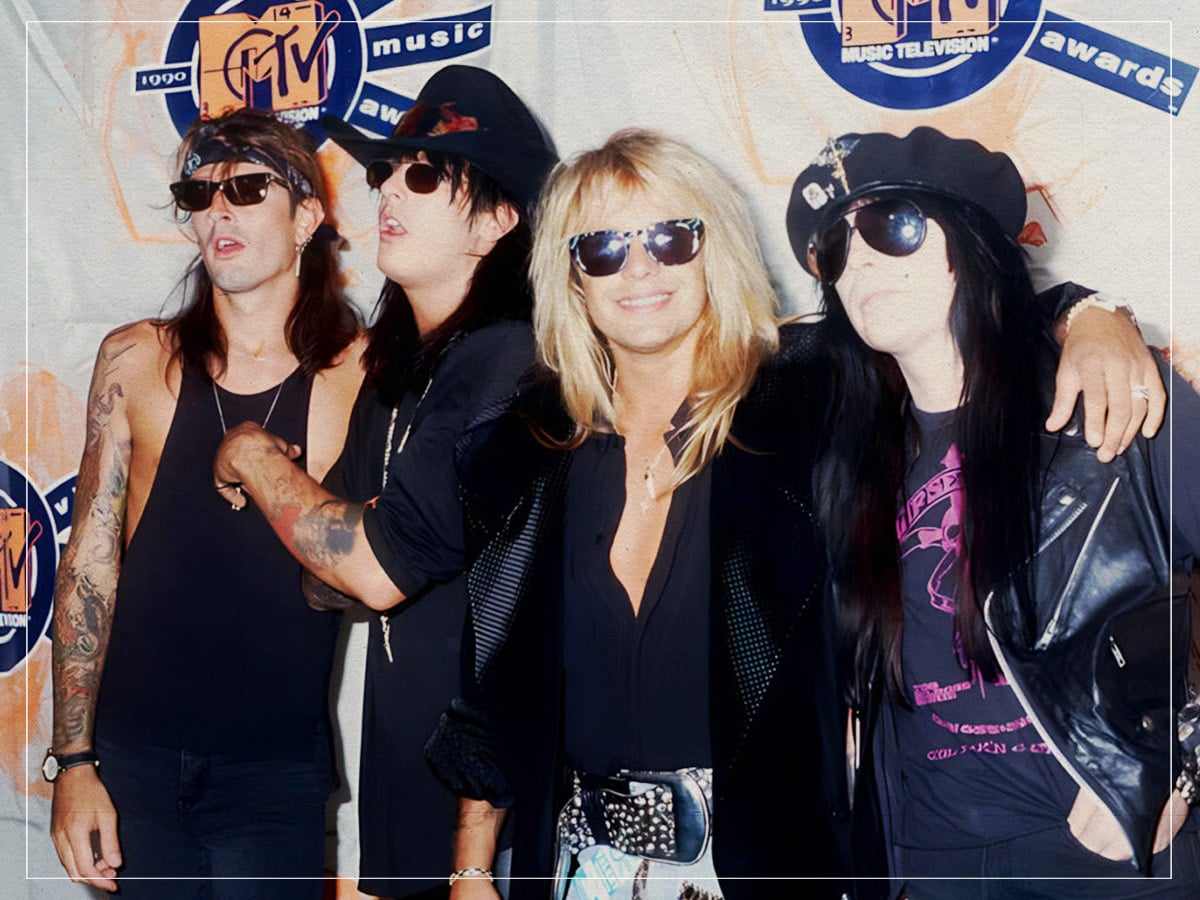
For most hair metal bands, there was no excuse to keep going after 1991. With the grunge movement in full swing, the number of artists killed by Nirvana alone would be enough to fill an entire separate list. Although Mötley Crüe seemed to be coming into their own as kings of hair metal by the end of the 1980s, their self-titled album seemed like the moment where things never fully recovered.
After Dr. Feelgood’s release, the band parted ways with original singer Vince Neil, hiring newcomer John Corabi. Although Corabi had a great rapport with the rest of the band, his grizzled voice wasn’t enough to give them credibility in the age of irony, only notching up the song ‘Hooligan’s Holiday’ on the charts before quickly tapering off. Even though the band got Neil back in the fold, the days of chart-dominating albums were gone forever.
In an attempt to get back in the good graces of rock fans, Generation Swine marked a gigantic pivot towards grunge and industrial metal, which made the group sound like a shell of what they once were. Instead of seeming like the leaders of the new movement, ‘The Crue’ would face the cold truth that their audience didn’t want them to stray far past The Sunset Strip.
‘It’s Hard’ – The Who

Every project that The Who released was intended to be something ambitious. Never satisfied with traditional means of making records, Pete Townshend’s vision for the band was to test the boundaries of what rock and roll could mean, making the first stabs at rock operas on records like Tommy. Although the band would be able to soldier on without drummer Keith Moon, It’s Hard was the final time they would have a handle on what the zeitgeist was doing at the time.
With both Townshend and vocalist Roger Daltrey already having their fair share of success in their solo careers, their attempt to bring the band back together made for an album that was unsure of what it wanted to be. Even though a handful of songs stand out as distinctly Who-flavoured like ‘Eminence Front’, the overreliance on different keyboards made the band sound like they were trying to rip off the technical side of the later period of the Eagles.
Even in the mind of Daltrey, the band was finished, thinking that the glory days of the band had ended when Moon passed away years before. Although the rock world still has the voice and the man who has written every classic, any new releases from The Who are practically a glorified tribute act to the band that caused a frenzy in the 1960s.
‘Chinese Democracy’ – Guns N’ Roses

So much legend was surrounding Guns N’ Roses’ Chinese Democracy before it had even come out. Regardless of the album’s content, the massive mystery surrounding when Axl Rose would come out of his seclusion and grace his audience with a new album was enough to keep fans waiting with bated breath. Once they heard an album two decades in the making, fans learned they should be careful what they wish for.
After the long wait for what Axl Rose would sound like on his own, Chinese Democracy is the kind of record that sounds like it was rehearsed in a studio for nearly a decade. Although a few songs may have a handle on what Guns N’ Roses is supposed to sound like, Rose often dips his toes into too many genres for his own good, making the songs sound like a mess from beginning to end.
Even though Rose may have waited for the right time to release his supposed masterpiece, Velvet Revolver was already hard at delivering the sounds their old band had failed to do for years. Since the release of Chinese Democracy, songs like ‘Absurd’ and ‘Hard Skool’ feel more like the shell of what used to be one of the most dangerous bands to come out of Los Angeles.
‘Be Here Now’ – Oasis

For a brief moment in the 1990s, it looked like Oasis would take over the world. Over a few years, the band had already notched up two classic albums that would still be talked about for years, so no one would have thought anything would tank. With the release of Be Here Now, though, the entire wave of Britpop collapsed in on the Gallaghers.
Looking to make an album even bolder than their previous efforts, Noel’s choice to coat the background in as much instrumental noise as possible led to the album feeling too big for its own good. When listening to songs like ‘Magic Pie’, though, the songs didn’t merit that kind of production, either, featuring massive drops in quality compared to the sonic bliss behind ‘Wonderwall’.
Even though the 2000s marked the band reforming and getting more experimental, the initial magic that came with the 1990s era of the band would be lost forever. The songs off of albums like Dig Out Your Soul and Don’t Believe the Truth may have been anywhere from decent to great, but the Oasis that wrote ‘Live Forever’ and the Oasis that wrote ‘Lyla’ are practically two different projects.
