


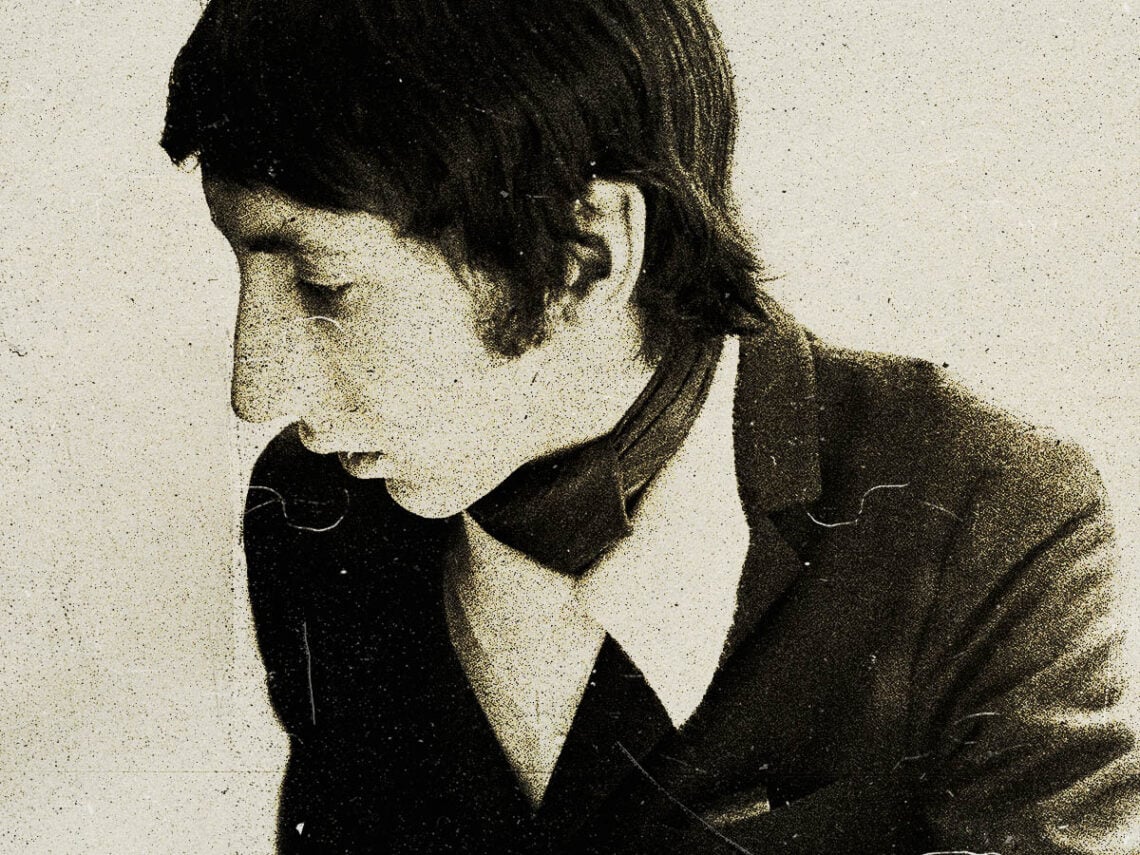
The 10 best Pete Townshend-fronted Who songs

Throughout their career, The Who seemed to operate as their rock and roll democracy. Although there was a clear role for every member of the band, no one seemed to outshine any of the others, with Keith Moon providing the steady pulse, John Entwistle as the erratic low-end master, and Roger Daltrey bringing as much heart as possible into every vocal performance. Then again, there isn’t anyone who sings a song quite like the songwriter, and Pete Townshend has always been the heart behind everything.
Although Daltrey has had many standout moments behind the mic, Pete Townshend could match him in intensity and passion, playing on a handful of The Who’s best tracks. From their humble beginnings to some of their beloved deep cuts, some of The Who’s greatest moments come when Townshend takes the lead, with a voice far more delicate than Daltrey’s raw muscle.
Since Townshend reserved songs for himself, some reveal a little more about him than he wanted to. Not having to conform to what Daltrey’s usual vocal range was, Townshend is free to be himself throughout most of these tunes, either making the occasional joke track or picking up the slack for a song that Daltrey couldn’t do himself.
From some of the biggest highs of their Mod years to reigniting rock and roll with grandiose concept albums, every one of The Who’s mainline albums benefits from Townshend’s steady touch on vocals. Though he might not possess the same vocal power when playing his guitar, the conviction in Townshend’s voice is always at the forefront of every one of his tracks.
The 10 best Pete Townshend-fronted Who songs
10. ‘1921’ – Tommy
After trying his hand at different conceptual songs in The Who’s early years, Tommy was the first time Townshend started to hone his craft. Spanning across the album, Townshend takes his audience on a trip through a young deaf, dumb and blind kid’s psyche as he tries to find a place to fit in after closing himself off from the world. Since this marks the first time The Who made such a huge jump towards something ambitious, it’s only natural that the first voice heard on the album is from Townshend.
Opening up the overture with the report that Tommy’s father has been killed in action and will not be returning home from war, ‘1921’ sets the scene of the protagonist’s everyday life, with his mother finding a new man and feeling optimistic about the next year. Although Townshend might sound strained while hitting the high notes of the mother’s dialogue, there’s a sense of innocence to his words, knowing that she can brave any bad weather as long as her significant other is beside her.
Little do they know about the torturous tale that’s about to unfold, with Tommy still feeling closed off from society and begging for someone to show him what life has to offer by healing him of his emotional wounds. Tommy’s fate is not going to be the smoothest throughout the record, but ‘1921’ starts with the narrative’s best foot forward.
9. ‘The Acid Queen’ – Tommy
For a subject matter as gargantuan as Tommy, Townshend needed someone like Roger Daltrey to play different characters in the role. Given Daltrey’s versatile voice, his way of being the spectator in ‘Pinball Wizard’ and the stern authority figures in Tommy’s life is impossible to imagine being sung any other way. When all medical procedures don’t work for Tommy anymore, Townshend provides the next best option through the introduction of ‘The Acid Queen’.
Working as his pseudo drug dealer, the titular Queen in the song provides some temporary relief from Tommy’s pain, showing him the power that some alternative forms of medicine have, which leads to Tommy hallucinating throughout the rest of the first disc on ‘Underture’. Even when playing a female character, Townshend’s tone of voice is far more restrained, almost like he’s trying to make this drug-dealing character feel a little bit sympathetic.
Then again, Townshend’s version of the tune was blown out of the water the minute that the movie version of the album came out, with Tina Turner delivering the sultry performance that no other man could have created on their own. Tommy may have bitten off a bit more than he could chew at this point in his journey, but ‘The Acid Queen’ can always be counted on to give someone the right amount of anaesthetic they need.
8. ‘Odorono’ – The Who Sell Out
Not everything from Pete Townshend’s pen is meant to be the most important thing in the world. Ever since working with The Who, Townshend wanted his music to be more than just three chords, but that didn’t mean he couldn’t have some fun in the mix either. And when Townshend created the first concept album for The Who, his brilliant spoof of adverts made for one of the strongest parts of the record.
Being set up like a traditional pirate radio station, most of the album revolves around a handful of Who songs meant as advertisements for fake products, with Townshend delivering an ad for a made-up deodorant. Whereas most of the others’ contributions feel like they were made as a short, punchy tune, Townshend creates a mini storyline in his ad, telling the story of a female singer looking to win the love of her life after one of her many phenomenal performances.
Once she finally meets the man of her dreams backstage with a bouquet of flowers, the fact that she wasn’t wearing Odorono causes the man to leave in disgust, leading to her retiring from music and not wanting to return to the stage again. For all of the massive storylines that he’s written across multiple Who albums, Townshend isn’t above making a tongue-in-cheek story over something as silly as a deodorant ad.
7. ‘A Legal Matter’ – My Generation
Pete Townshend never aspired to be a singer. After becoming a member of The Who as a guitarist, he always thought that Roger Daltrey handled vocal duties, not wanting to step on anybody’s toes should he be beaten up by the rough-and-tumble vocalist. When Daltrey refused to sing one of the songs for their debut record, though, it was up to Townshend to step up and make his vocal debut.
After going through some trouble with the law during the making of My Generation, Daltrey didn’t feel comfortable singing something called ‘A Legal Matter’ right after his own hangup, leaving Townshend to play the tune. Although most of this album was about The Who finding their sound, ‘A Legal Matter’ is a delightful piece of power-pop, as Townshend aggressively strums his guitar along to the song as he talks about being on the run from a former flame.
Since this is his first go behind the mic, it’s easy to tell how nervous Townshend is, almost racing the song along so that he can be finished behind the mic and invite Daltrey back onto the stage to fill out the rest of the album. With a little tweaking here and there, though, Townshend’s voice would later become one of the most human elements of the band’s sound.
6. ‘However Much I Booze’ – The Who By Numbers
In the wake of their concept album saga, The Who were in an interesting position coming off of Quadrophenia. Having refined their palette while making something as ambitious as Tommy, Townshend was left to go back to writing something more traditional than what he had grown accustomed to for the past handful of albums. For all the years he spent writing fiction, Townshend never lost sight of his human chops on ‘However Much I Booze’.
Pulling from his own experiences with the bottle, Townshend is singing from a place of pure frustration on the song, knowing that he will never find a way to escape his pain at the bottom of a glass. Seeing how much pressure was on him to turn over something good for one Who project after the next, it’s easy to see why Townshend would pick up a song like this, practically telling his fans how hard it is to have the band on his shoulders.
Though the tune was originally intended to have Daltrey singing it, his visit to rehab made some of the lyrics hit a little too close to home, leaving Townshend to finish it with some of the strongest vocals of his later period. The Who might have been just big enough for Townshend to still steer everything effectively, but even he knows that there’s no way out of his rock-and-roll rollercoaster.
5. ‘Sunrise’ – The Who Sell Out
There has always been a softer side to every one of Townshend’s vocals. Whereas Daltrey is known as one of the most hardened rock singers, Townshend’s soft-spoken demeanour always has a tender side behind it as he tries to reach something more profound than Daltrey’s primal scream. Although The Who certainly belongs in the conversation of the greatest rock bands of all time, ‘Sunrise’ saw one of the first times Townshend experimented with folk-rock.
No doubt inspired by the sounds of acts like Bob Dylan, the gentle picking part from Townshend is no easy feat, especially when having to sing over the top of it. While most of the song has the tone of a gentle lullaby, Townshend sings about all of the sunshine taken from him, almost sounding like the spirit of a man that has left his body.
Sticking with only the basic elements of the track, this was one of the purest songs that Townshend had written to date, showcasing how well he could carry a tune with just his voice and a guitar. Considering the lack of bells and whistles from the rest of the band, ‘Sunrise’ may as well be a sneak peek into what Townshend’s career as a solo artist would look like.
4. ‘I’m One’ – Quadrophenia
During The Who’s glory years, Townshend began struggling with his own faith. When making some of their landmark achievements like ‘Baba O’Riley’, Townshend was getting in tune with his spirituality, thinking that music could be one of the purest ways of communicating with God. Although Quadrophenia saw Townshend taking a back seat in terms of vocal duties, he did save one of the few pure ballads of the album for himself.
After Jimmy becomes increasingly disillusioned with life as a Mod, ‘I’m One’ is the one time on the record when he begins to feel spiritually satisfied, finding his place outside his normal social circles. Played with a gentle folk-rock guitar figure, Townshend almost does his best Paul Simon impression on this tune, bringing a certain liturgical quality to the way he pours over every line he says.
Just as Jimmy begins to find his place in the world, Townshend feels like he’s finding his place in the group’s dynamic, knowing when to take centre stage and hang in the background to let Daltrey deliver some of his greatest screams. After years of dealing with the pressure of one commitment after another, ‘I’m One’ is the sound of Townshend finally finding some inner peace.
3. ‘Eminence Front’ – It’s Hard
There aren’t many Who fans who look back on the album It’s Hard all that fondly. After losing Keith Moon around the tail end of the 1970s, one of rock’s greatest bands remained a shell of what they once were, with Townshend and Daltrey steering the ship most of the time. Townshend knew this would most likely be the end of the line for them, so it’d probably be best to have one final profound statement for the fans.
Although the sound of ‘Eminence Front’ feels like it has the year 1982 packaged on it, Townshend’s lyrics are a lot more prophetic about the state of music to come. Having been through the wringer of rock and roll excess, Townshend provides a warning for aspiring musicians, painting the picture of what an artist’s life is like, from reaching the highest heights imaginable to people casually forgetting where you went within the blink of an eye.
As the song builds in intensity, Townshend almost turns it into a cautionary tale, warning musicians to focus on the craft instead of trying to feed into the pop culture machine and get crushed by its weight. Though there isn’t any rulebook on how to be a proper star, this song should probably be played to any rockstars in the making before they put pen to paper on that record contract.
2. ‘Going Mobile’ – Who’s Next
For Pete Townshend, Who’s Next will remain one of his biggest missed opportunities. After failing to get his rock opera Lifehouse off the ground, most of the material on the album comes from the leftovers that the band had been working with before deciding to fold the project. While ‘Baba O’Riley’ may have served as one of the epics from the project, ‘Going Mobile’ is a good comedic example of what that opera could have been.
Being set in the future where everyone lives in different robotic suits, Townshend penned this song as an ode to the travelling lifestyle, painting the picture of a commune where he and his friends all drive around together in a mobile unit. In the context of the story, this would be some innocent fun to break up the story of Bobby as he tries to find some salvation through a single musical note.
Townshend can’t help but throw a little bit of social commentary into the mix, claiming that he’s an ‘air-conditioned gipsy’ to mock the supposed hippies that were never into the revolution of peace and love. Seeing how most of this song features Moon and Entwistle at their best, The Who would have sounded like a kickass rock and roll band had Roger Daltrey never entered the fold.
1. ‘The Song Is Over’ – Who’s Next
It’s never easy to spot Townshend’s contributions when listening to some of The Who’s classics. While he contributed an odd line or two to some of their best material, there was no real need for someone like Townshend to step up to the mic when they had someone like Roger Daltrey delivering some of his generation’s most muscular vocal lines. Then again, the only way to appreciate what Townshend gave to the band is to put his voice beside Daltrey’s on ‘The Song is Over’.
Coming right in the middle of Who’s Next, Townshend is celebrating all of the music finally being written and having the opportunity to shout his salvation from every mountaintop he can. Although Daltrey eventually takes over for the choruses, Townshend’s voice overpowers his in terms of pure emotion, almost sounding like a spirit leaving his body as he ascends towards musical Nirvana.
Since this was intended for the final version of Lifehouse, this could have been the film’s dramatic finale, as the camera pans out to see all of the men and women free to make music as they please, apart from their usual robotic suits. After years of writing different songs and trying to figure out the secret behind the music, Townshend’s performance on ‘The Song Is Over’ is the voice of a man who is finally content with having found some meaning in his life.
