


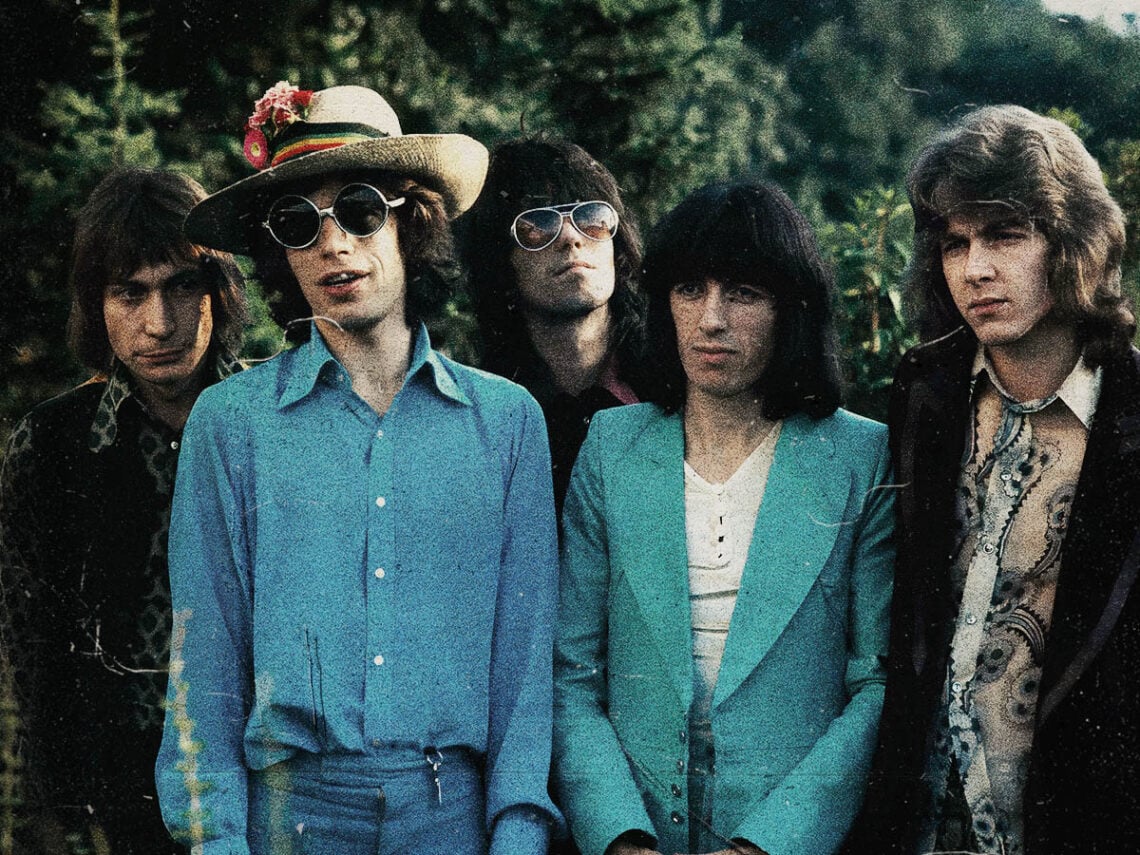
Five Rolling Stones songs that have aged terribly

At the start of the British invasion, The Rolling Stones brought a sinister edge to rock and roll.
Although the likes of Chuck Berry made the entire genre feel like a non-stop party, The Stones were indebted to the blues, playing tunes with a carnal edge to them, playing the anti-hero equivalent of The Beatles. With the benefit of hindsight, though, not every one of Mick Jagger and Keith Richards’ songs holds up in retrospect.
Although some might be considered classics for a reason, there are occasionally Stones tunes that hit an ugly note when taken out of context. The rock world in 2023 looks a lot different from that in 1973, and most of the tunes tend to get into uncomfortable territory, from casual misogyny towards women to some risque claims that could send a chill down listeners’ spines.
Granted, it was always a part of The Stones’ character to be slightly grimy. From the first time Mick Jagger snarled the lyrics to ‘Satisfaction’, fans were already in for a bit of smut from them. Even though some of the problems in these songs were more widely accepted then, the rock world has spent decades taking them to task for this gross behaviour.
So as much as fans might want to rock out to every riff that comes out of Keef’s guitar, just pay attention to what the lyrics are saying underneath everything. Sometimes it might be harmless rock and roll fun, but on the rare occasion, chances are the track has aged like milk.
Five Rolling Stones songs that haven’t aged well:
‘Miss You’ (Some Girls)
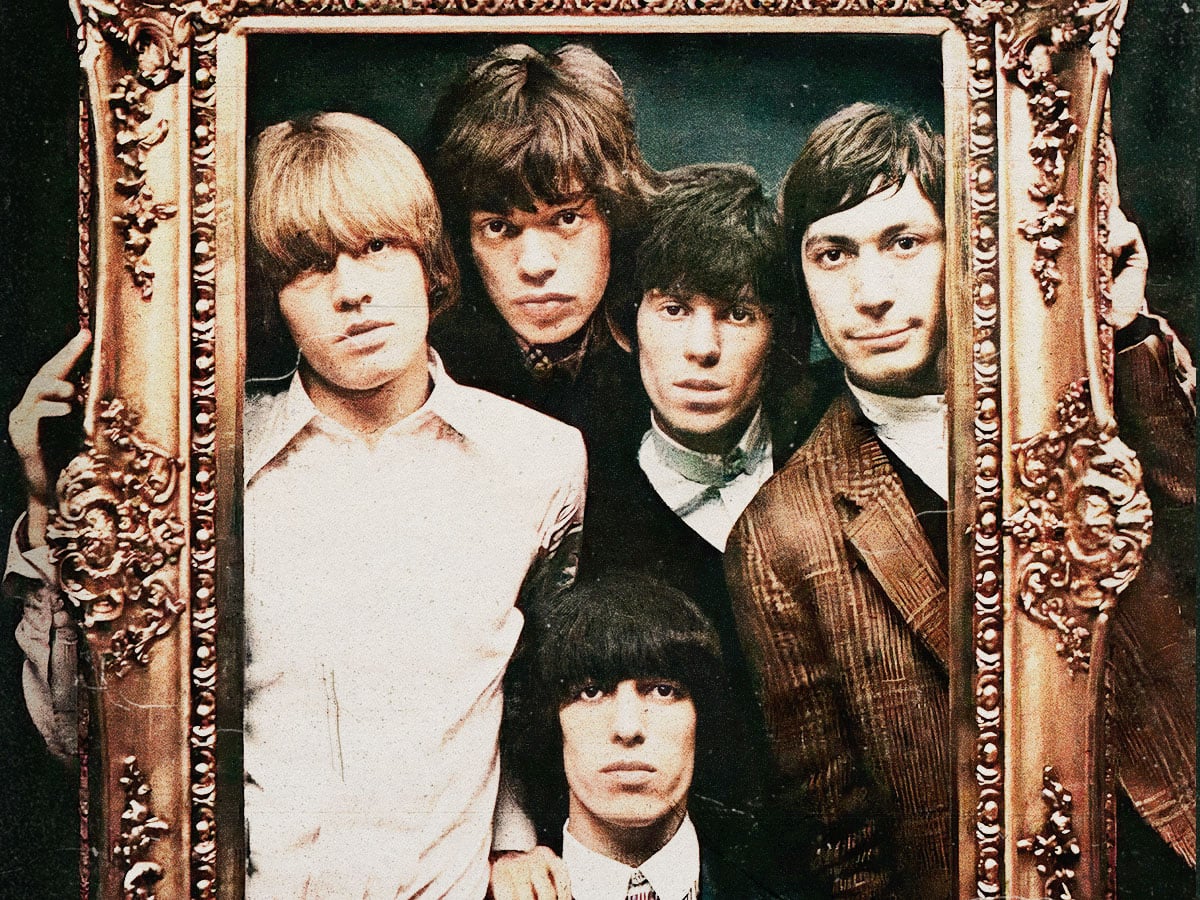
It’s nearly impossible for any rock band to go wrong with a tune about heartache. Part of The Rolling Stones’ upbringing comes from the blues, and their entire appeal came from making lowdown and dirty songs about falling in love. When putting together a song about missing someone and crying one’s heart out, it might not be the best idea to set it to a dance beat.
Written during the height of the disco craze, most of ‘Miss You’ sounds like Mick Jagger on autopilot, singing only one phrase over most of the track and sounding like a decrepit old man as he cries out for his lover. While the band keeps things nice and tight instrumentally speaking, there’s nothing to grab onto in the melody, which gets old incredibly fast.
Even though most of The Stones’ material would get better on the rest of Some Girls, this is the kind of empty hit that has nothing to say except “The Rolling Stones have a new album out”. Given what they get up to in the rest of their catalogue, this is about as PG as the poorly-aged tunes will get.
‘Might As Well Get Juiced’ (Bridges to Babylon)
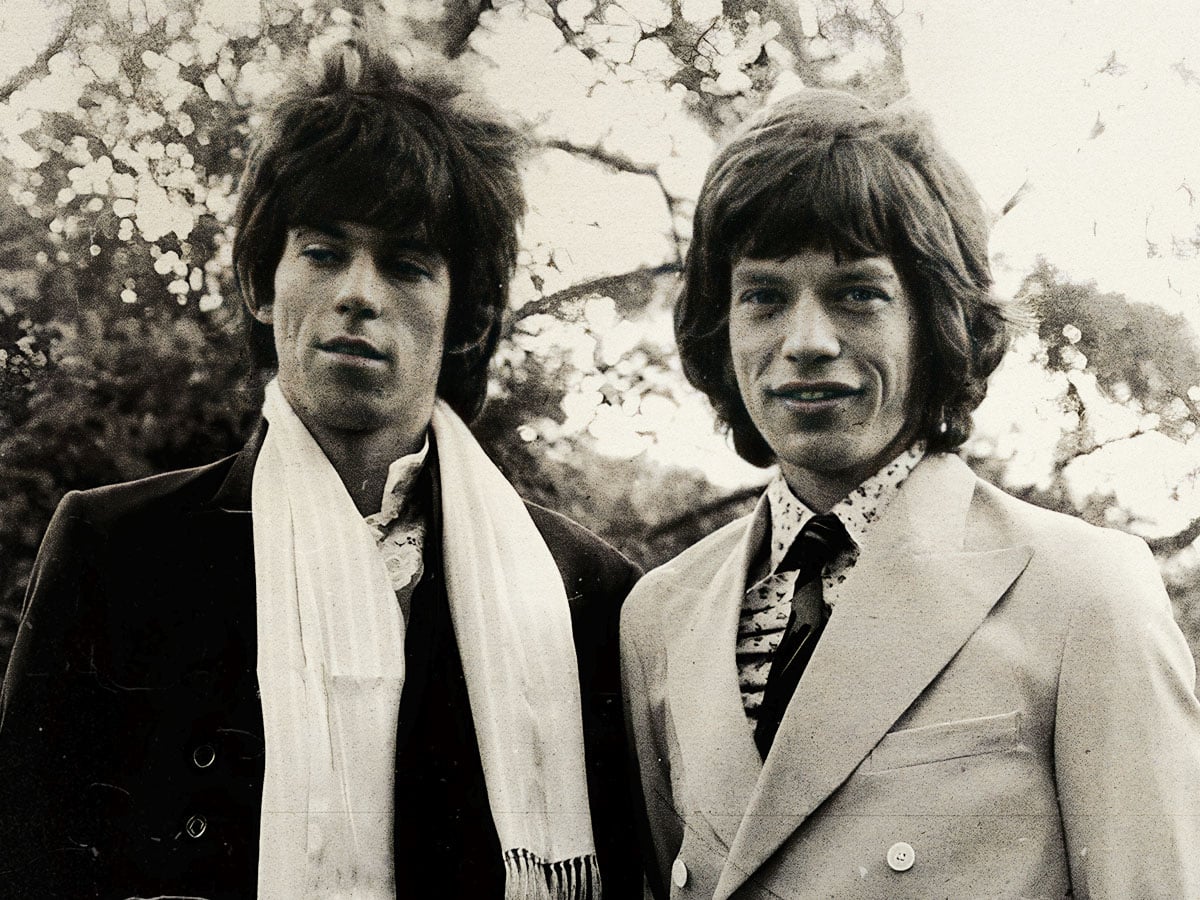
Most of the Rolling Stones’ best material has a certain timeless quality. Even with some outdated production elements, albums like Beggars Banquet and Exile on Main St still hold up because of how well the band sounds as a unit, cutting loose on some of their best tunes. The Stones might exist outside of time constraints, but there’s a good chance that most people could pinpoint when ‘Might As Well Get Juiced’ was released.
After some truly embarrassing attempts to go pop in the ’80s, this deep cut on Bridges to Babylon feels like a leftover experiment where The Stones tried their hand at dance music. From the opening measures, no part of this tune reads as The Rolling Stones, sprinkling in a Keith Richards-esque before returning to some of the shoddiest dance production ever to be found on a mainstream rock album.
While Jagger does his best to sell it with his swaggering delivery, the music kneecaps him every time. When things start building to a good payoff, The Dust Brothers’ production never works to the band’s strengths, often going nowhere or actively hurting the swagger of the tune. The Rolling Stones have always been master interpreters when playing songs by Robert Johnson or Howlin’ Wolf, but hearing them trying to cover artists like Beck is like watching a bunch of drunk uncles try to dance at a wedding.
‘Under My Thumb’ (Aftermath)

Half of the British invasion bands made their trade singing love songs. If The Beatles had taught the world anything, it was that tunes addressed to a lover were bound to sell no matter how they went. The Rolling Stones were always the flip side of the coin, though, and ‘Under My Thumb’ takes toxic relationships to a completely different level.
For most of the track, Mick Jagger talks about how happy he is that his girl waits for his every move. Despite the crime of having a Rolling Stones track that’s actually joyful, Jagger is happy for all the wrong reasons, being delighted that his lady only speaks when she’s spoken to and will always be at his beck and call whenever he needs her.
While it might be easy for some fans to chalk it up to different times, it’s hard to excuse lines that feel this possessive, especially when Jagger still tries to complain in some of the verses about some of the other aspects of his life that can’t be solved by having a subservient girlfriend. The Stones may have invented different areas of rock and roll throughout the decades, but anyone who tries to pass off these lines today is getting a drink thrown in his face.
‘Brown Sugar’ (Sticky Fingers)

Let’s clarify: ‘Brown Sugar’ is still a classic in The Rolling Stones’ catalogue. From the moment the needle hit the vinyl on Sticky Fingers, the sleek sounds of Richards’ Telecaster set fans up for a rip-roaring good time right out of the gate. Though the song sounds like a glorious soundtrack to a drunken barfight, the sexual implications of the lyrics are enough to get someone cancelled today.
As the track begins, Jagger is singing about the carnal pleasures he gets from his lady friends and how vocal they can be around midnight. He might be having a good time, but the story behind the lyrics is despicable, talking about the slave trade that was going on in New Orleans, where white settlers set up camp and sexually assaulted all of the black women who were being sold off.
If anything, that just makes Jagger singing “how come you taste so good” that much more creepy, as if he’s one of the sadistic white settlers taking advantage of this girl. Granted, the band saw the error of their ways more recently and have taken to revise the offensive lyrics whenever they played it live. Better late than never, I suppose.
‘Stray Cat Blues’ (Beggars Banquet)

Towards the end of the 1960s, The Rolling Stones had partied enough for any other musician’s lifetime. From the drug-fueled binges that they would go on to women throwing themselves at them, each member was living the fantasy that most naughty kids would only dream of living. The Stones could also get into a lot of trouble with that attitude, and ‘Stray Cat Blues’ is sexual exploits taken to their grossest conclusion.
Listening back to the lyrics, this is easily one of the more seductive tracks on Beggars Banquet, as Jagger paints the picture of a massive party and seeing a lady friend from across the room. While most Stones fans probably know where this is going, Jagger slips in one insane detail when he says that this girl is only 15 years old, implying that he will have his way with a teenager without consent.
The red flags only continue in the next verses, where Jagger asks this girl’s friend to join them upstairs and refuses to take no for an answer when she tries to blow him off. In any other situation, this girl is right to be scared, but for whatever reason, Jagger gets to play the role of the paedophile because he’s presumably just that cool. The Stones might have been on top of the world, but no amount of fame can excuse a tune about a sexual predator carefully stalking his prey.
