


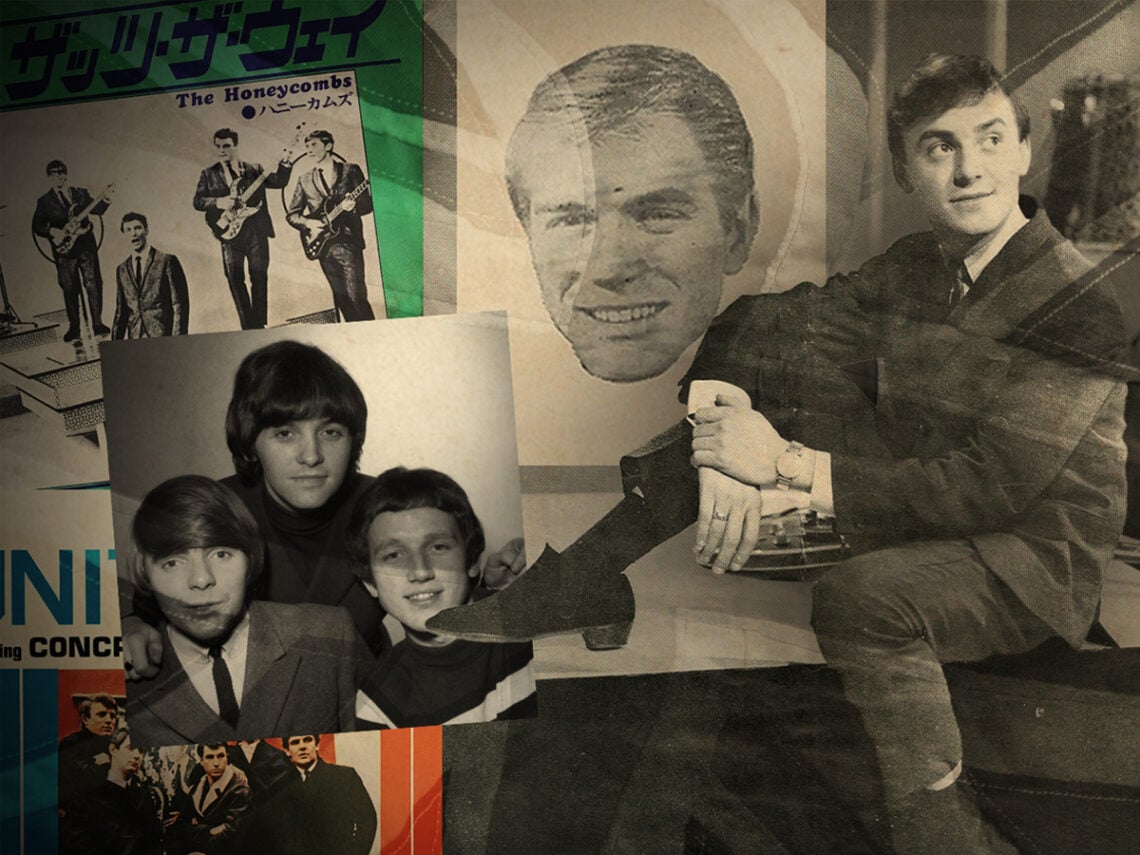
The five greatest one-hit wonder songs of the British Invasion: “It was amazing”

The British invasion was a huge part of musical history. It started with The Beatles in the early 1960s, following the release of their track ‘I Want To Hold Your Hand’, and people in the United States simply couldn’t get enough of the Fab Four.
After that, they wanted more of what Britain had to offer, and as a result, the biggest bands in the world, for a period, were made up of iconic musical outfits from across the pond. These often working-class lads offered some vital and fresh, filling the void that was left by the Day The Music Died when American icons like Buddy Holly and The Big Bopper perished in a tragic plane crash.
The first wave of the British invasion included the likes of The Rolling Stones and The Who. The second wave ushered in bands such as Led Zeppelin and The Yardbirds, all of whom were able to amass large audiences and played their part in contributing towards music history. Milestones were reached, stadiums were sold out, and TV shows were booked with some of the massive talent coming from the UK.
The funny thing about the British invasion is that people don’t realise how many British bands made their way overseas. While those referenced above form a big part of the British invasion, many other bands managed to make waves overseas but didn’t stick around long enough to have a considerable impact. Subsequently, there are a number of one-hit wonders from that period, which have since been lost.
America had revered glossy stars until this point, but the scallies from overseas offered everyone a shot at the big time. As Steve Van Zandt would proclaim, “The British invasion was the most important event of my life. I was in New Jersey, and the night I saw the Beatles changed everything. I had seen Elvis before, and he had done nothing for me, but these guys were in a band.”
That enthusiasm led plenty of Brits to have a bash, too. Not all of them sustained their success, but there’s still a smattering of magic about what they did offer. We’ve assembled some of the finest below. These are some of the best one-hit wonders you should listen to from bands during the British invasion, which has since been swept up in time.
One-hit wonders from the British invasion:
‘How Do You Do It’ – Gerry and the Pacemakers
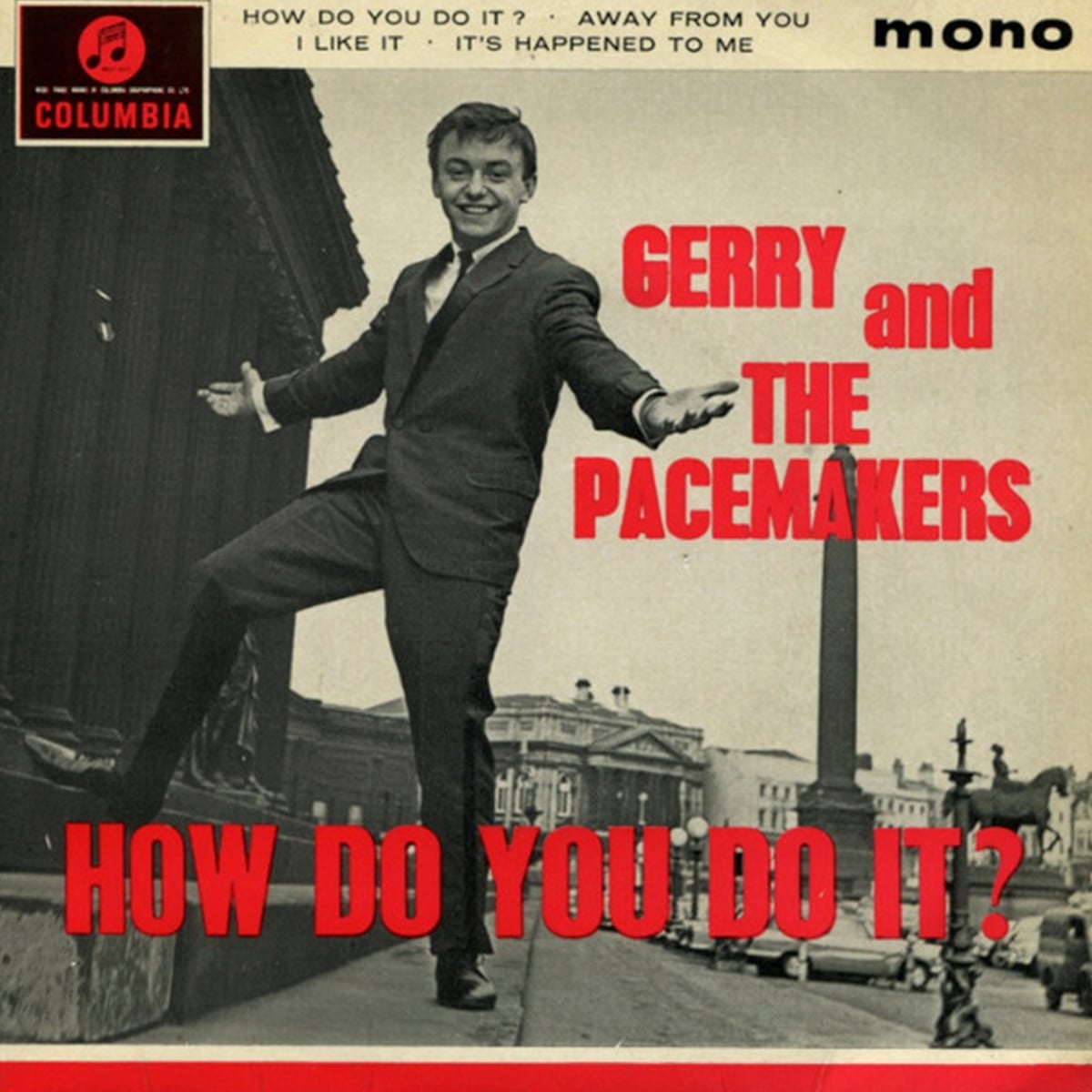
While many people in the UK may not consider Gerry and the Pacemakers a one-hit wonder, compared to other bands from the British invasion, they could not have the same impact in the US that they had in their home country. They rose to popularity during the height of the Mersey Beat sound with songs like ‘You’ll Never Walk Alone’, but their track that managed to break in America was ‘How Do You Do It?’
The Liverpudlian outfit had a lot in common with the Beatles beyond just their hometown. They were managed by Brian Epstein and produced by George Martin, and this track was originally supposed to be a Beatles track. ‘How Do You Do It?’ was a huge success, getting the band a number one in the UK and a number nine in the US.
‘It’s Alright’ – Adam Faith
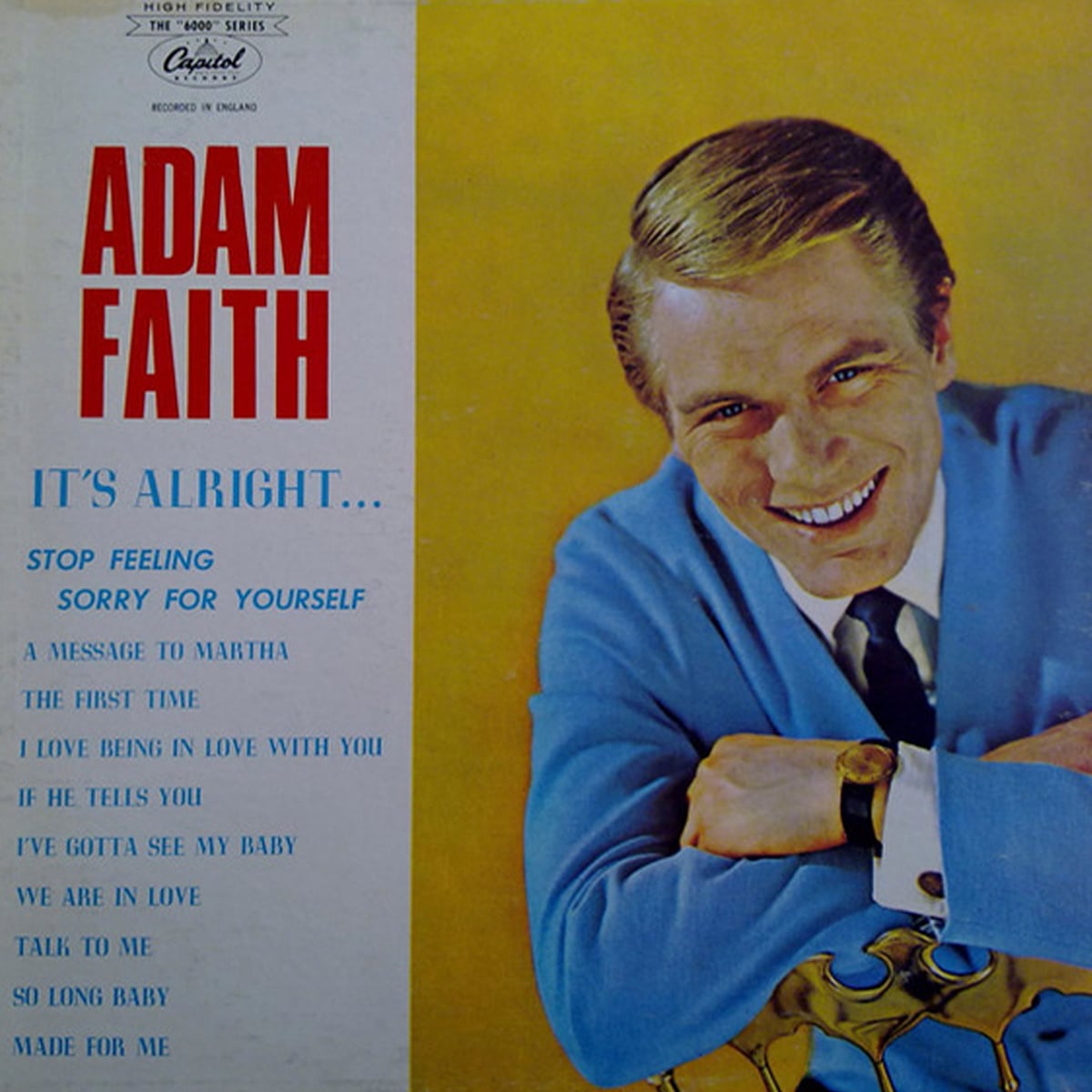
Many of the one-hit wonders from the British invasion did well in the UK but not so much in the US. Adam Faith is unique in that sense, as his track ‘It’s Alright’ was only released in the US and never made its way back to his home country. The song managed to climb to number 31 in the States, though, and Faith had moderate success for some time.
The song is well worth a listen. It begins incredibly subtly, with a harmonica playing, and it feels very blues-inspired. Afterwards, it feels as though we experience the shift from blues to rock in real-time as the track picks up, and Faith delivers blow after blow with his exciting vocals on this upbeat, energetic track.
‘A Groovy Kind of Love’ – The Mindbenders
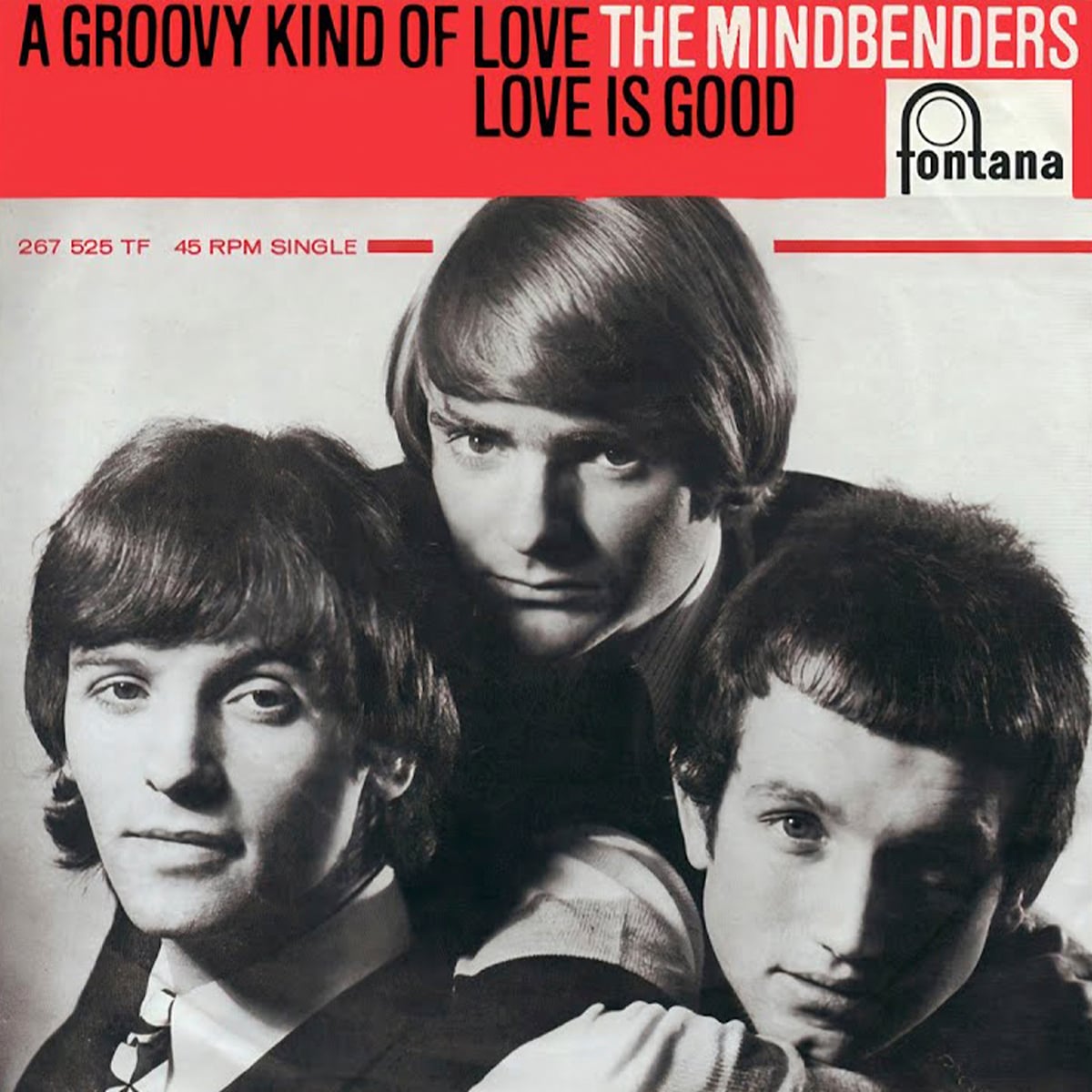
The first time that people were subject to The Mindbenders was in 1965. They initially made a name for themselves, performing as Wayne Fontana’s backing band on his chart-topping hit ‘Game of Love’. After Fontana went on a short hiatus, the band returned on their own with what would become a hit in itself, ‘A Groovy Kind of Love’.
The song is laden with harmony from start to finish and, as a constant contradiction, sounds both unique and classic in the way it’s put together. People everywhere loved to dance to it, best reflected in the fact that it reached number two in 1966. It wouldn’t be until 1988 that the song went to number one, thanks to Phil Collins’s cover of it.
Not bad considering that it was a breeze to write. As the songwriter Toni Wine recalled, “We wrote it in 20 minutes. It was amazing. Just flew out of our mouths, and at the piano, it was a real quick and easy song to write.”
‘Have I The Right?’ – The Honeycombs
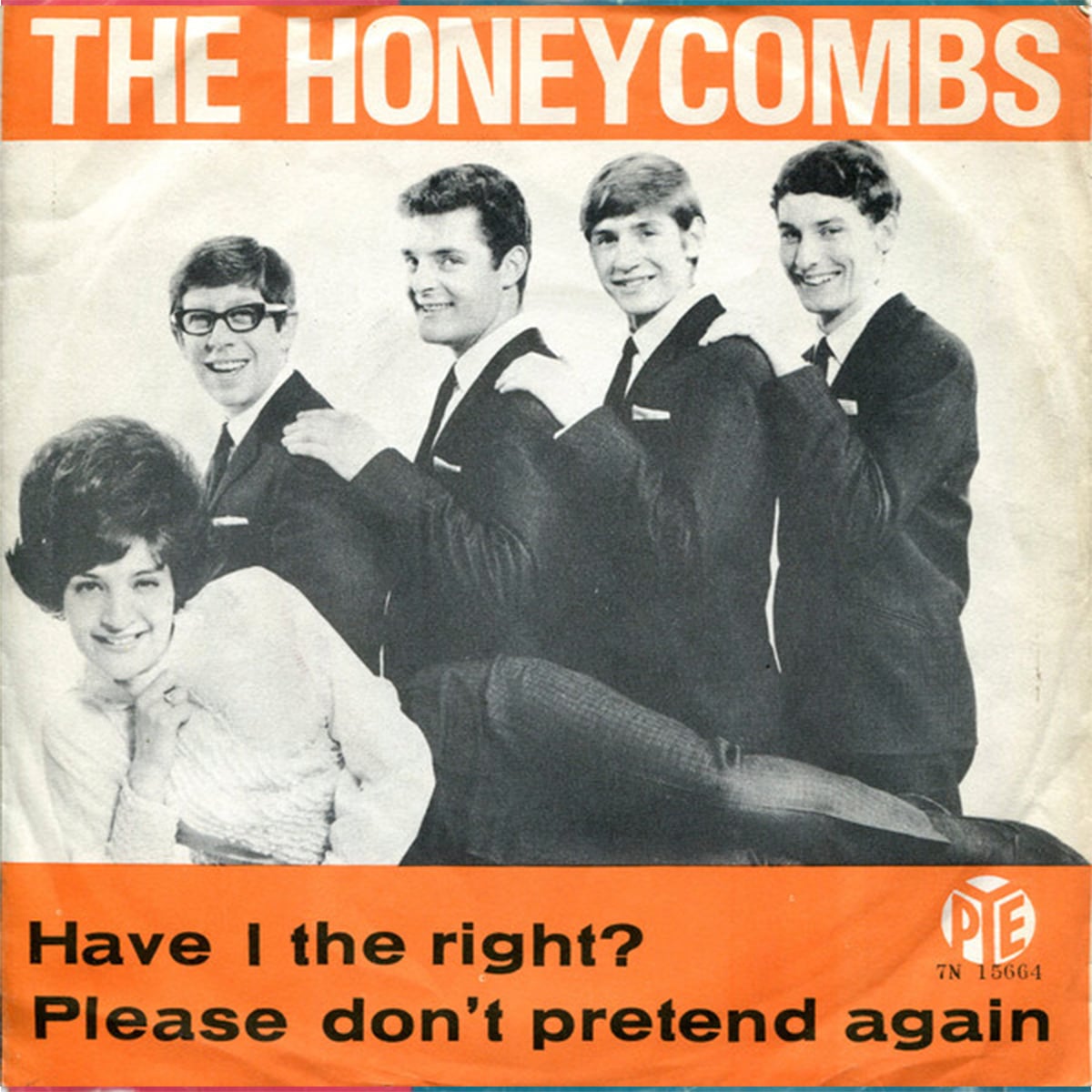
The Honeycombs had a lot going that set them out from the crowd, so it’s interesting that they never managed to break through the mould and become real stars of the British invasion. They had a female drummer, which was unusual at the time, but Honey Lantree was an exceptional percussionist who gave a lot to the band. They were also produced by Joe Meek, who was often called the British Phil Spector (for a short period until his tragic end).
One of The Honeycombs’ biggest hits was ‘Have I the Right?’ The track was upbeat, and people everywhere loved the energy it brought to their speakers. However, they were unable to go much further than this and remained one-hit wonders from this prosperous period in music history.
‘Concrete and Clay’ – Unit 4 + 2
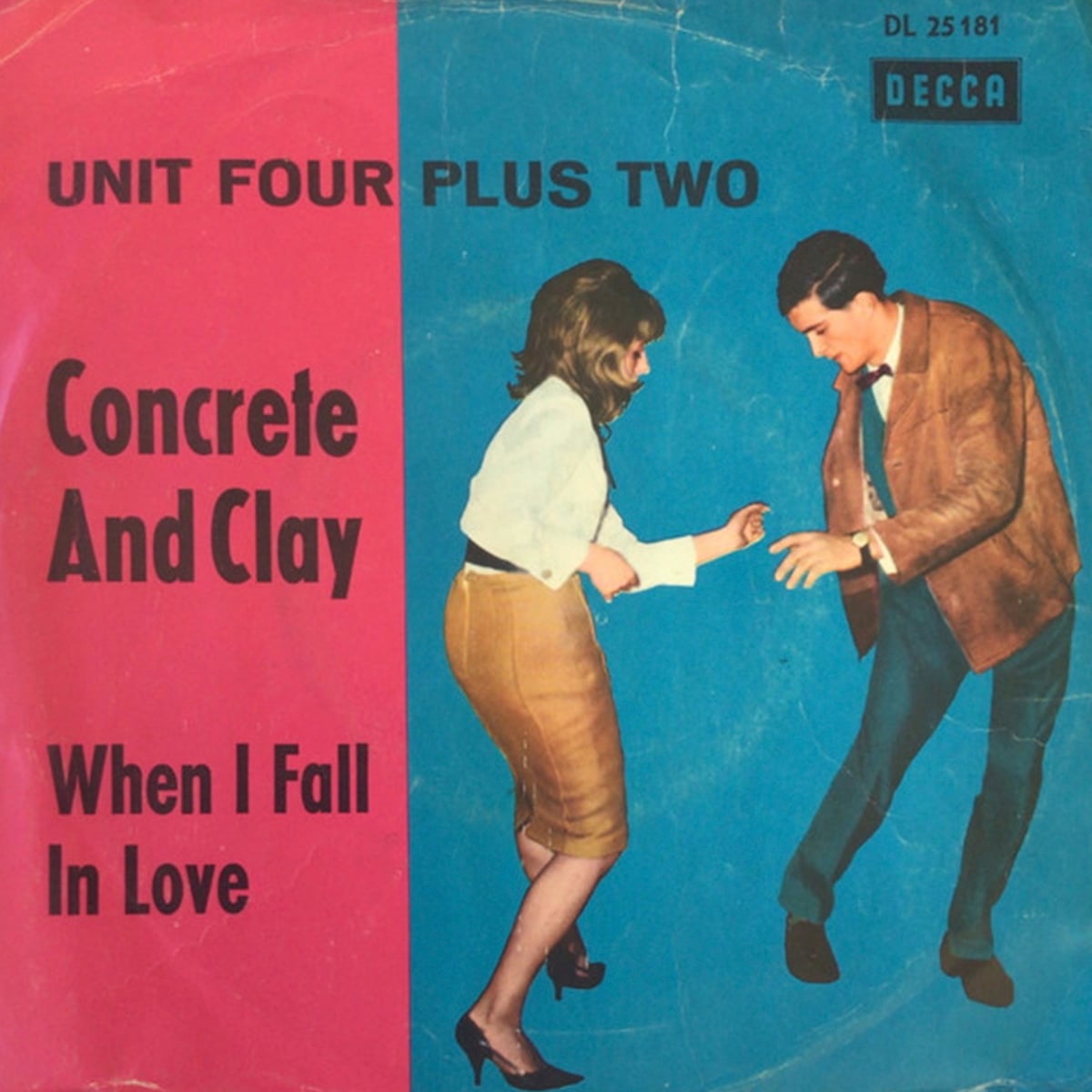
Band names should always be literal. The band Unit 4, a quartet comprising of musicians who never made a huge name for themselves, added two more members, and the rest is history. Russ Ballard and Bob Henrit were the two who later found fame in the band Argent, but before that, they would see mild success in this literal music line-up.
‘Concrete and Clay’ was their big song. It managed to capture the ears of both the English and American audiences, reaching number one in their homeland and number 28 in the US. They did well in the charts for a period, but unfortunately fell into nothingness. Yet ‘Concrete and Clay’, with its unique baiano sound lives on. It has been covered by everyone from Cliff Richards right through to indie slackers, They Might Be Giants.
