


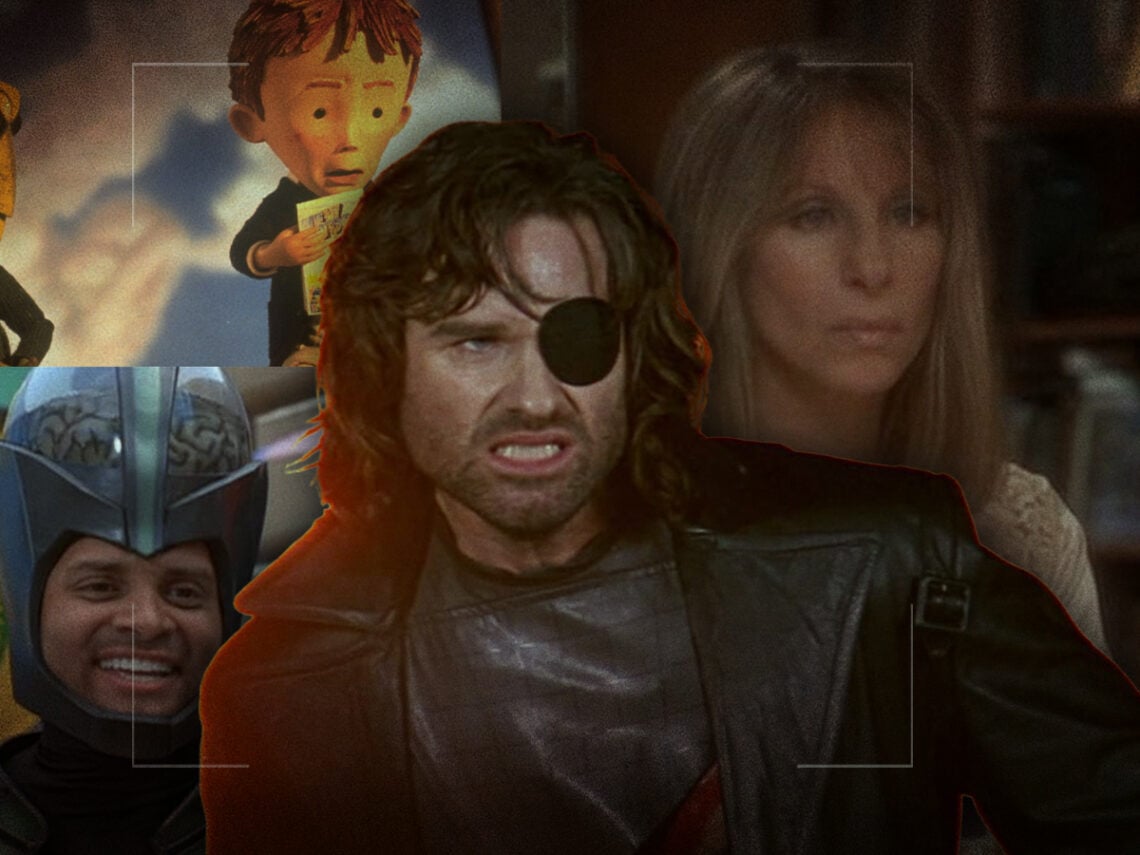
10 acting performances from 1996 that should be deleted from history

1996 was a great year for movies as well as a true showcase for amazing characters, but it also had miscastings galore.
It’s the year that Frances McDormand’s Marge Gunderson became one of the greatest heroes in cinematic history, Vince Vaughn and Jon Favreau became a duo with Swingers, Neve Campbell announced herself as the next great ‘final girl’ with her role as Sidney Prescott in Scream, and Ewan McGregor solidified himself as a star with his breakthrough role in Trainspotting.
Independence Day wasn’t just the biggest film of the year, but a rare blockbuster that featured memorable, larger-than-life performances from its cast, with Will Smith’s breakthrough role and Bill Pullman’s unforgettable portrayal of the heroic president of the United States being standouts. However, no one had a better year than Tom Cruise, who earned an Oscar nomination for his winning portrayal of the titular sports agent in Jerry Maguire, and debuted the character of Ethan Hunt in Mission: Impossible, resulting in a 29-year odyssey in one of modern cinema’s greatest franchises.
There was simply an abundance of talent, particularly from young actors, like Edward Norton, who came out of nowhere to give three great performances in Everyone Says I Love You, The People vs Larry Flynt, and Primal Fear, while Gwyneth Paltrow made a brief case for herself as a legitimate actor with Emma and Hard Eight. However, this crop of excellence made it easy to identify the lazy performances, miscasts, and poorly calibrated characters in 1996 films, which felt like even bigger outliers as a result.
10 awful acting performances from 1996
Skeet Ulrich in ‘The Craft’ (Andrew Fleming)
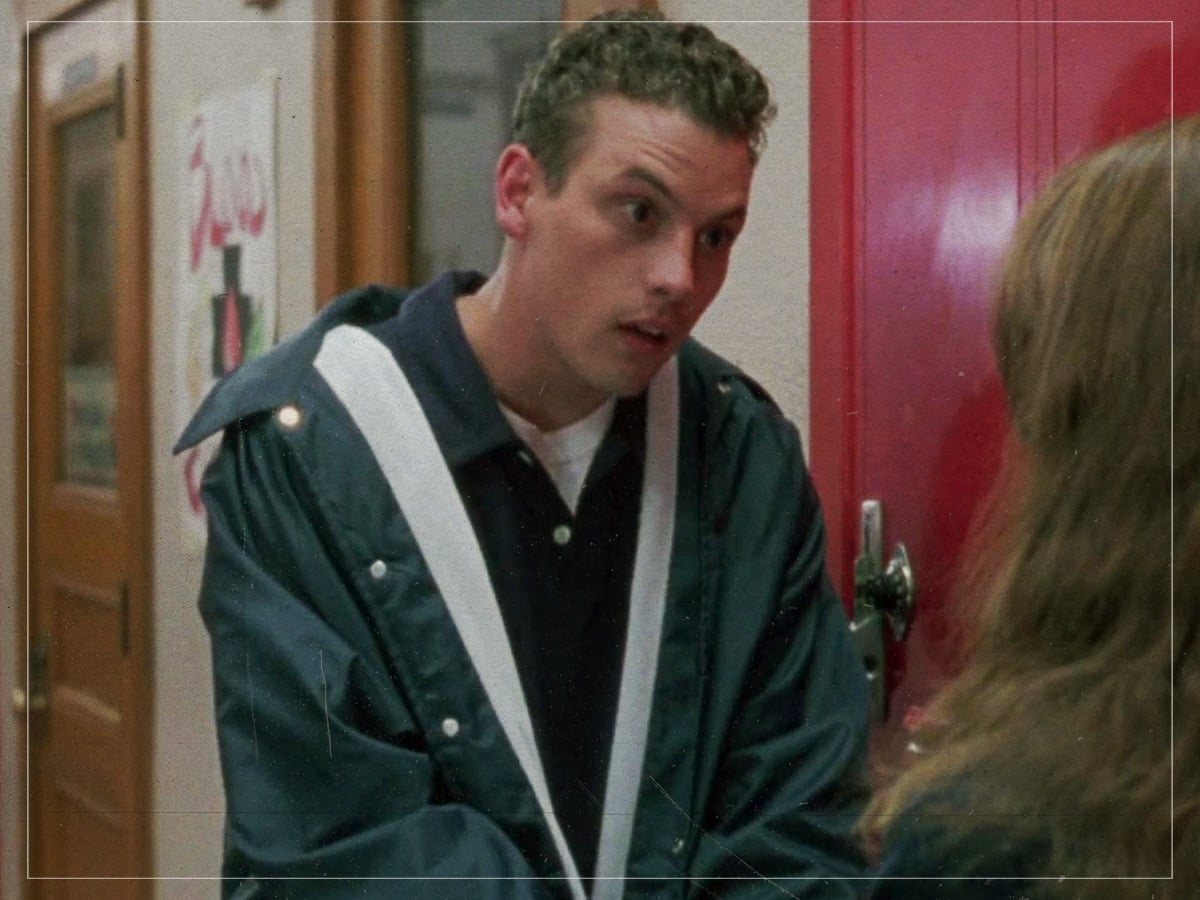
Sony Pictures was attempting to start many ‘soft horror’ franchises aimed at teenage girls in the ‘90s, which included light supernatural elements alongside prototypical high school melodrama about friendships, breakups, and relationships. The Craft is a bad film that has nonetheless earned a cult fanbase, but not even its biggest defenders can speak up for the performance by Skeet Ulrich as the obnoxious jock Chris Hooker.
Granted, The Craft isn’t necessarily intent on being subtle, but Ulrich is so over-the-top playing the most annoying teenage boy possible that it’s hard to buy into any legitimacy of the film. To be fair, it’s not entirely his fault, as Ulrich proved he could play a more subtle type of teenage psychopath the same year when he and Matthew Lillard played the unmasked killers in Scream, which showed a much better understanding of high school culture.
Sinbad in ‘Jingle All The Way’ (Brian Levant)
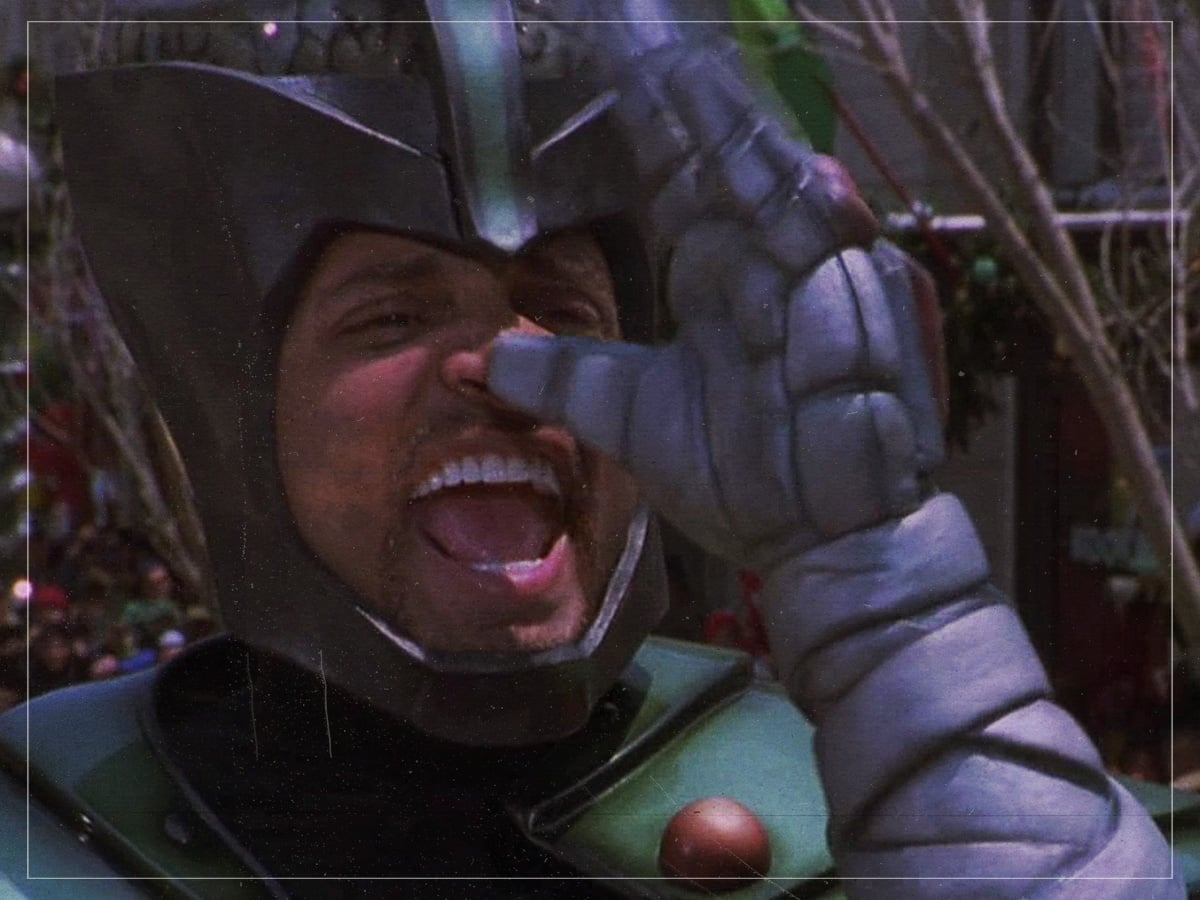
Arnold Schwarzenegger was absolutely fearless in the ‘90s, as he followed up some of the wildest action and science fiction films of all time with a series of family-friendly comedies. Schwarzenegger had much better comedic skills than many of his fellow action stars, such as Sylvester Stallone and Steven Seagal, and he often chose scripts that wouldn’t have worked without him.
Jingle All The Way is a perfect example of a film that works solely because of Schwarzenegger’s charisma, even if the story of an overworked father trying to get an action figure for his son over Christmas makes no sense. It’s when the film tries to overcomplicate that plot, thanks to a performance by Sinbad, who plays a rival father with the same goal, that Jingle All The Way begins to collapse under the weight of its own ridiculousness.
Omar Epps in ‘Don’t Be a Menace to South Central While Drinking Your Juice in the Hood’ (Paris Barclay)
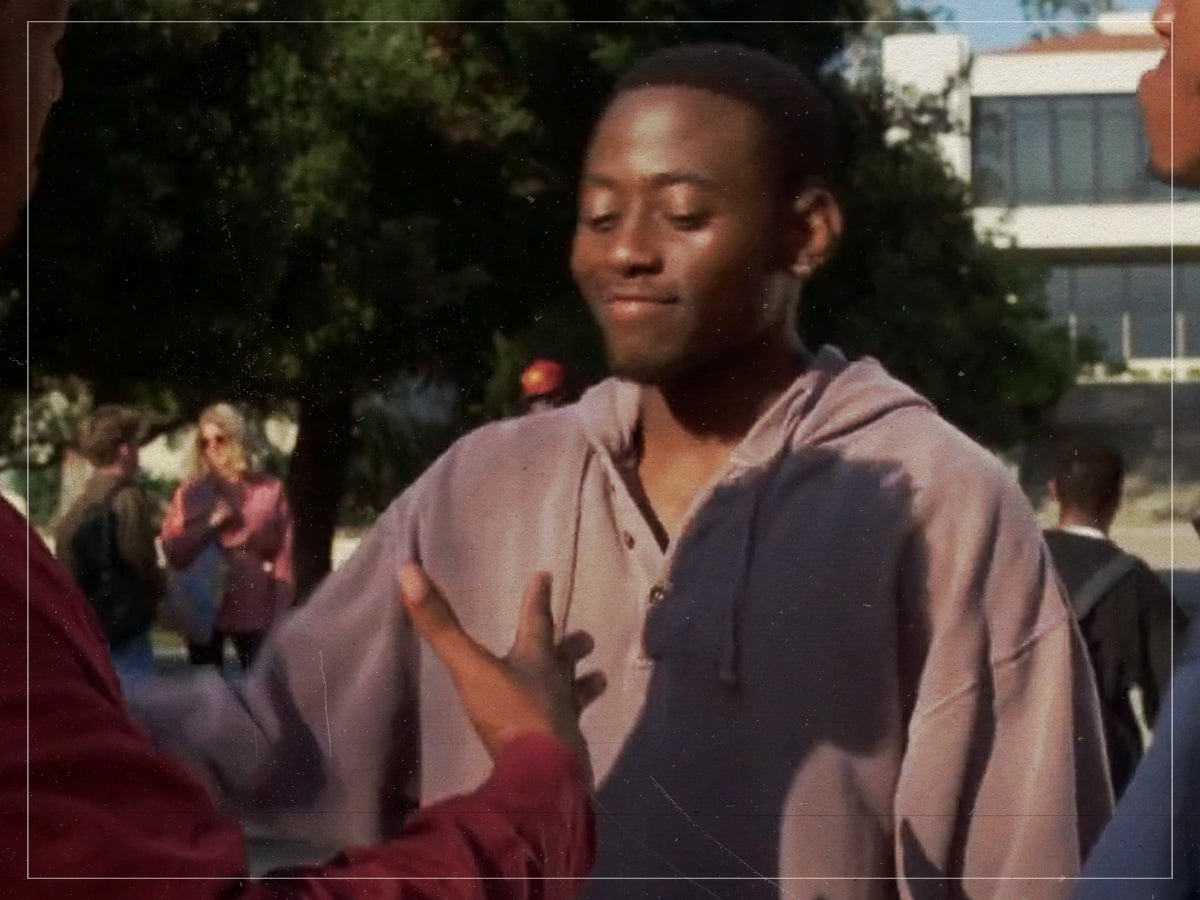
Marlon Wayans has tried to frame himself as an underdog fighting against mainstream comedy, but the truth is that a vast majority of the Wayans brothers’ productions are just punching down and picking easy targets. Don’t Be a Menace to South Central While Drinking Your Juice in the Hood is particularly egregious because it is an unfunny parody of the subgenre of Black coming-of-age films that had been popular throughout the decade, as the Wayans were making fun of legitimate underdog directors who were trying to tell truthful stories.
The film’s most egregious joke is that it gives Omar Epps the chance to reprise his role as Malik from the John Singleton drama Higher Learning, which, while flawed, was an ambitious and thoughtful film about race relations that deserved to not be lampooned in such a cheap way.
Timothy Hutton in ‘Beautiful Girls’ (Ted Demme)
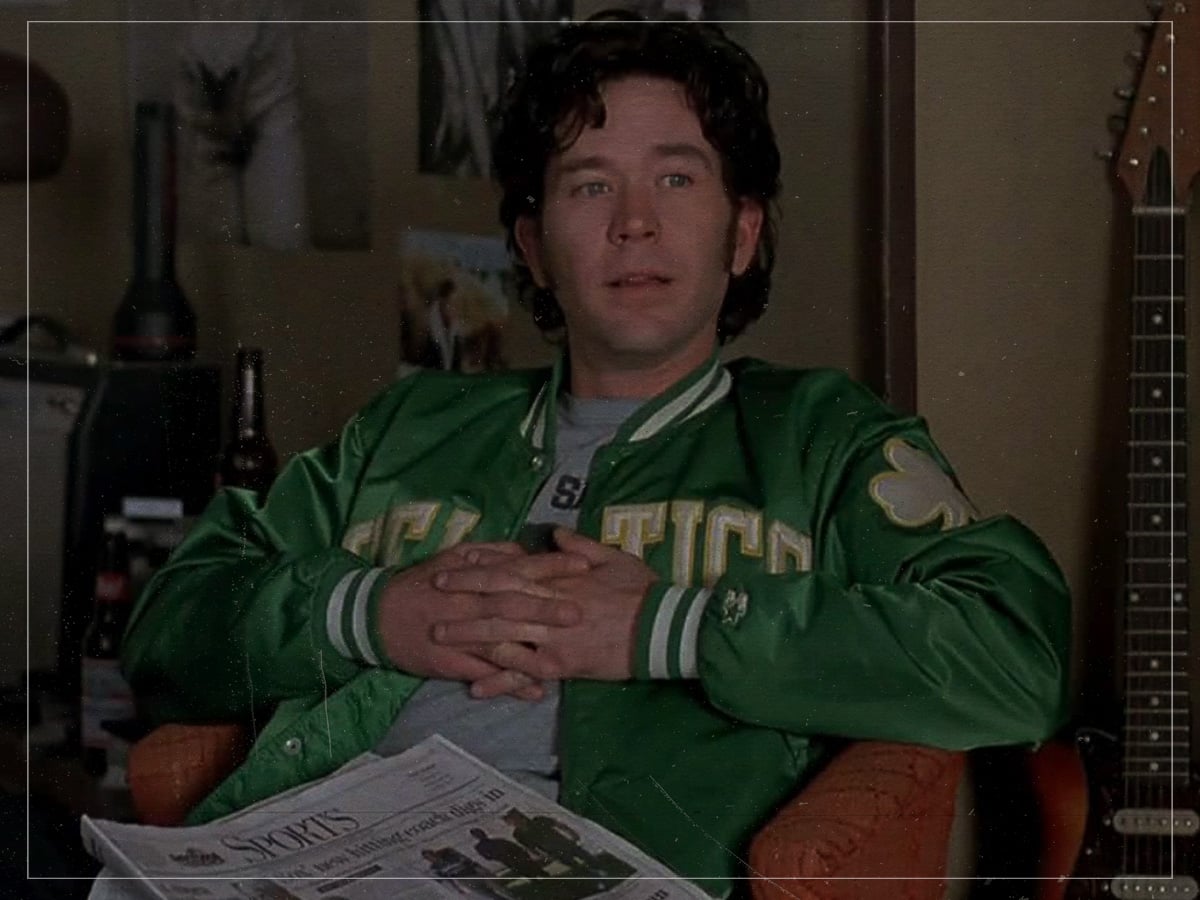
Beautiful Girls is the type of film that couldn’t be made today because a vast majority of the story involves the protagonist Willie, played by Timothy Hutton, lusting after a 13-year-old girl played by Natalie Portman. Portman can’t be blamed for the creepy material, but Hutton deserves criticism for taking on the part.
Even if the film tries to frame it as an innocent relationship in which Willie is reflecting on the past, it’s hard to not see Beautiful Girls as romanticising the grooming process. It’s an awkward film that’s made no easier to watch because Hutton isn’t well-cast as a New York pianist with a romantic heart, as he tends to be best when playing darker characters. It also doesn’t help that his character is intended to be in a relationship with a woman played by Annabeth Gish, and that the two actors have absolutely no chemistry.
Paul Terry in ‘James and the Giant Peach’ (Henry Selick)
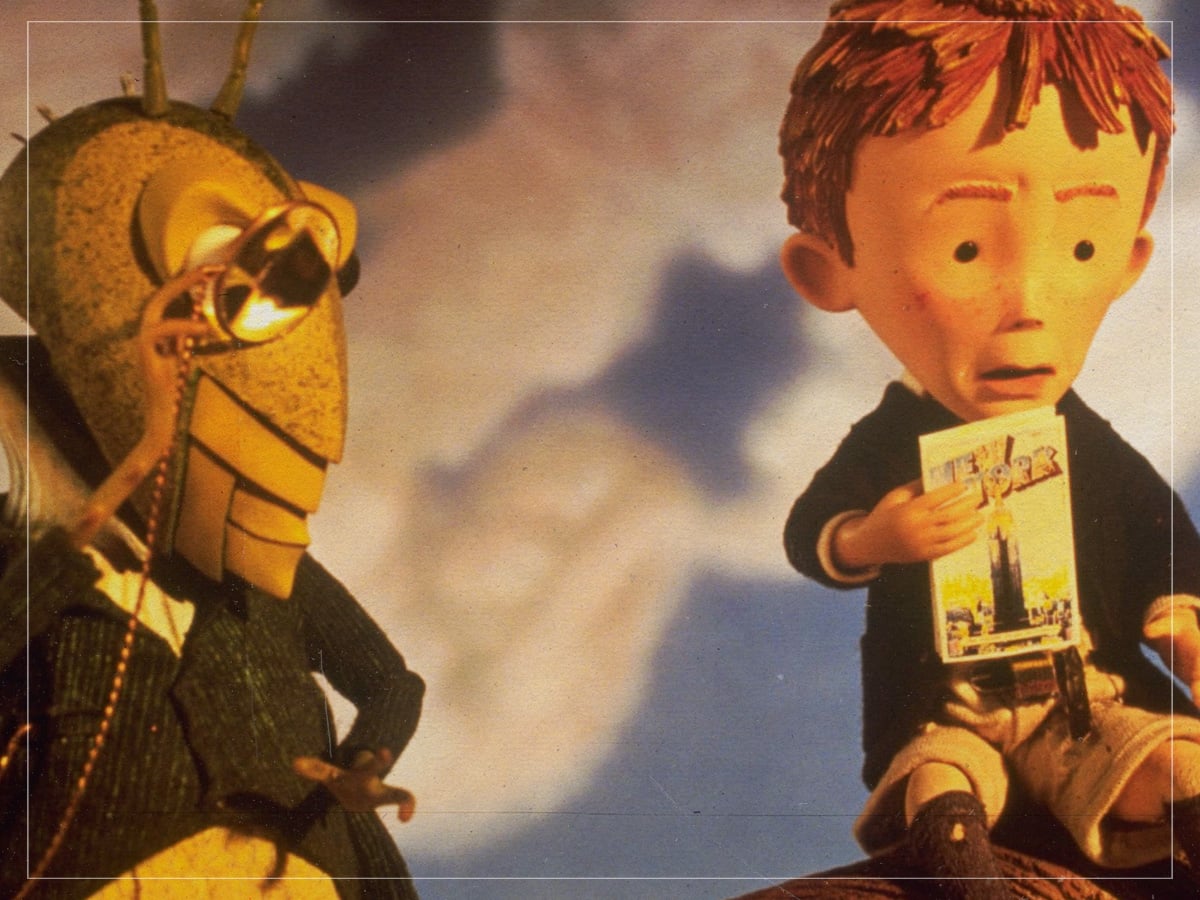
Disney thought that giving Henry Selick an opportunity to make a hybrid live-action/animated film after the cult success of A Nightmare Before Christmas would have been a sure-fire hit, but James and the Giant Peach served as a reminder of why it’s been such a challenge to adapt Roald Dahl.
There’s a lot to like about the animation and makeup, but Selick’s lack of experience with live-action became apparent within the casting of the titular character, played by Paul Terry. Child performances can be tough to calculate, especially in a film like James and the Giant Peach, where it is so dependent on the abstract notion of wonder, but Terry brings absolutely nothing to a character who feels whiny and unengaged, rendering nearly every live-action scene unwatchable.
Bob Hoskins in ‘Michael’ (Nora Ephron)
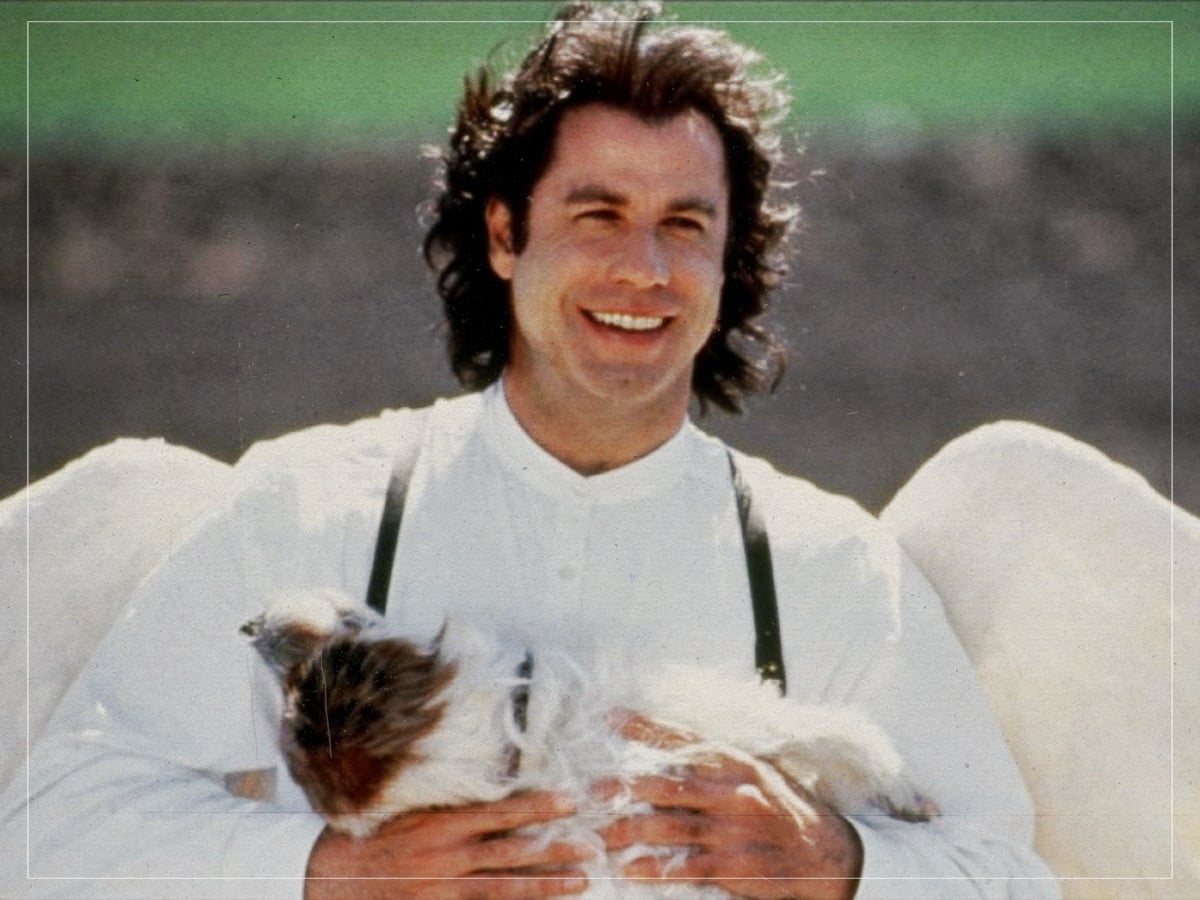
Michael is a bizarre Nora Ephron film that is too interesting to dismiss entirely, even though the story is absurd, and it’s hard to pinpoint the tone that she was going for. Casting John Travolta as an underachieving angel is a strange choice that just has to be accepted, given that the entire film is dependent on the weird energy he brought to the material.
The one performance in Michael that doesn’t work at all is Bob Hoskins as Varta Malt, the editor of a newspaper who sends his two top reporters, played by William Hurt and Andie MacDowell, to investigate the titular angel and do a photo shoot. Hoskins had a strange career where he transitioned from making British gangster thrillers to starring in family-friendly fantasy adventures, but he never feels like he knows what type of tone Ephron was going for with Michael, much like the viewers.
John Malkovich in ‘The Portrait of a Lady’ (Jane Campion)
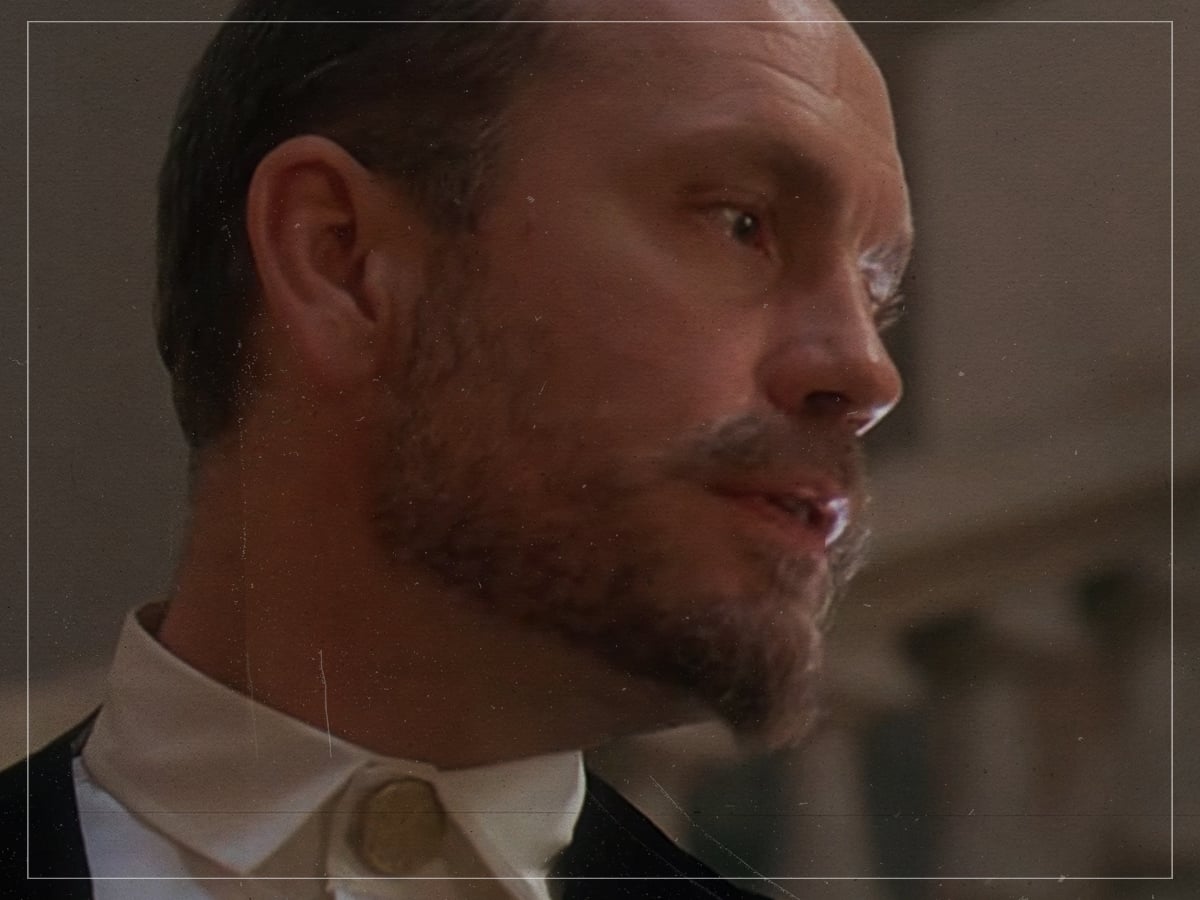
John Malkovich is a brilliant actor, but one who has a very specific style of performing that only works when calibrated correctly. Theoretically, Malkovich would be the perfect fit to play a brooding, dark widower in Jane Campion’s adaptation of Portrait of a Lady, given that he had delivered a career-best performance in another period drama, Dangerous Liaisons.
The issue is that the reveal of his character, Gilbert Osmond, being an abusive and vindictive lover to Isabel, played by Nicole Kidman, is revealed as a twist of sorts, and Malkovich gives no room for subtlety. It’s not believable in the slightest that Gilbert would be capable of wooing Isabel, even if she has her heart conflicted after falling for cousin Ralph Touchett, played by Martin Donovan, who has been stricken with illness. Some actors just don’t work within Campion’s world, and Malkovich is one of them.
Barbra Streisand in ‘The Mirror Has Two Faces’ (Barbra Streisand)
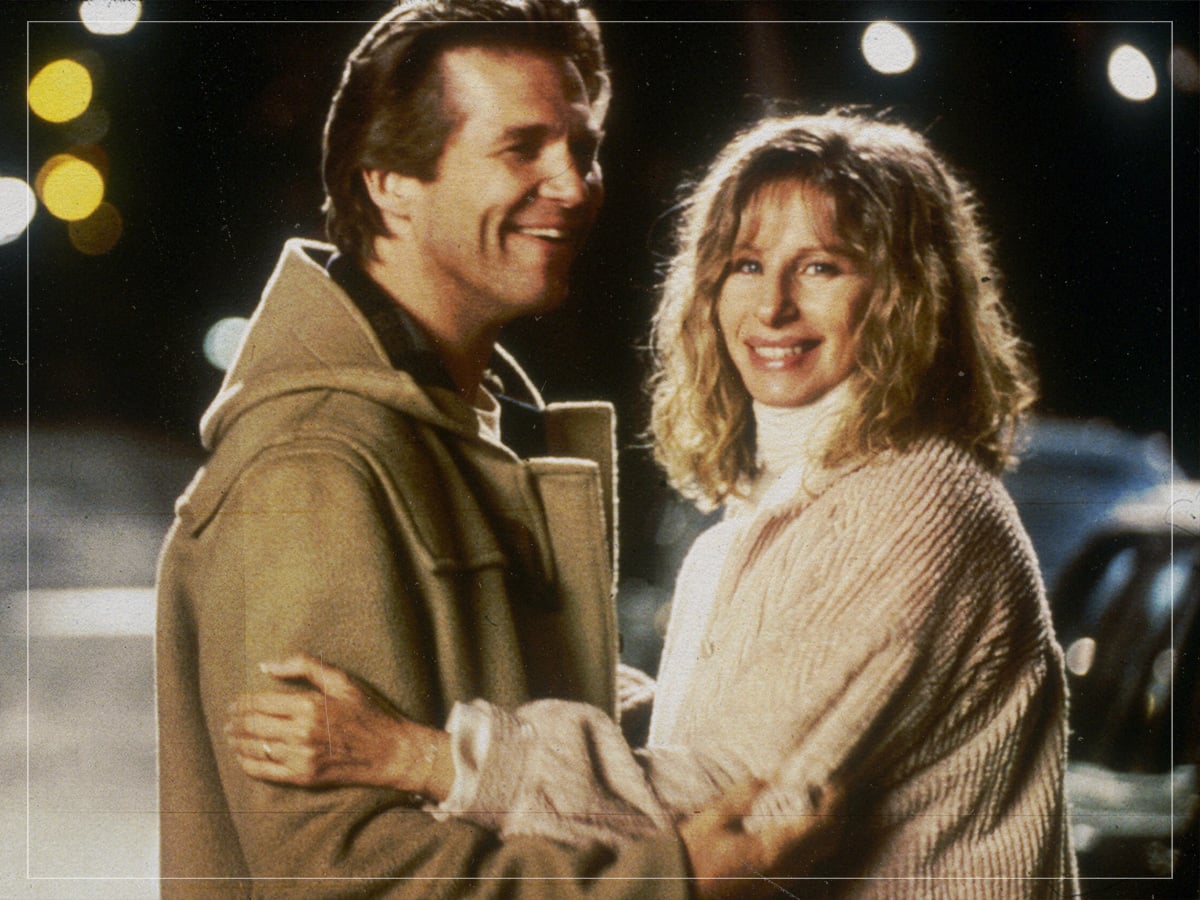
Barbra Streisand is incapable of not taking over every aspect of whatever film she is involved with; she essentially ghost-directed the films she’s starred in, and has to give herself a major role in anything that she is officially behind as a filmmaker. The Mirror Has Two Faces is a generally well-acted film, as Lauren Bacall even earned an Academy Award nomination for ‘Best Supporting Actress’, but the issue is that Streisand casts herself as a brutally honest, baseball-loving English professor who isn’t aware of her own beauty, and doesn’t attempt to portray herself as being anything less than perfect.
When compared to Jeff Bridges, who is actually trying to play against type as an awkward, geeky professor, Streisand can’t bear to not be at the centre of the frame, such that the film might have worked had she chosen to direct, but not star in it.
Peter Fonda in ‘Escape From LA’ (John Carpenter)
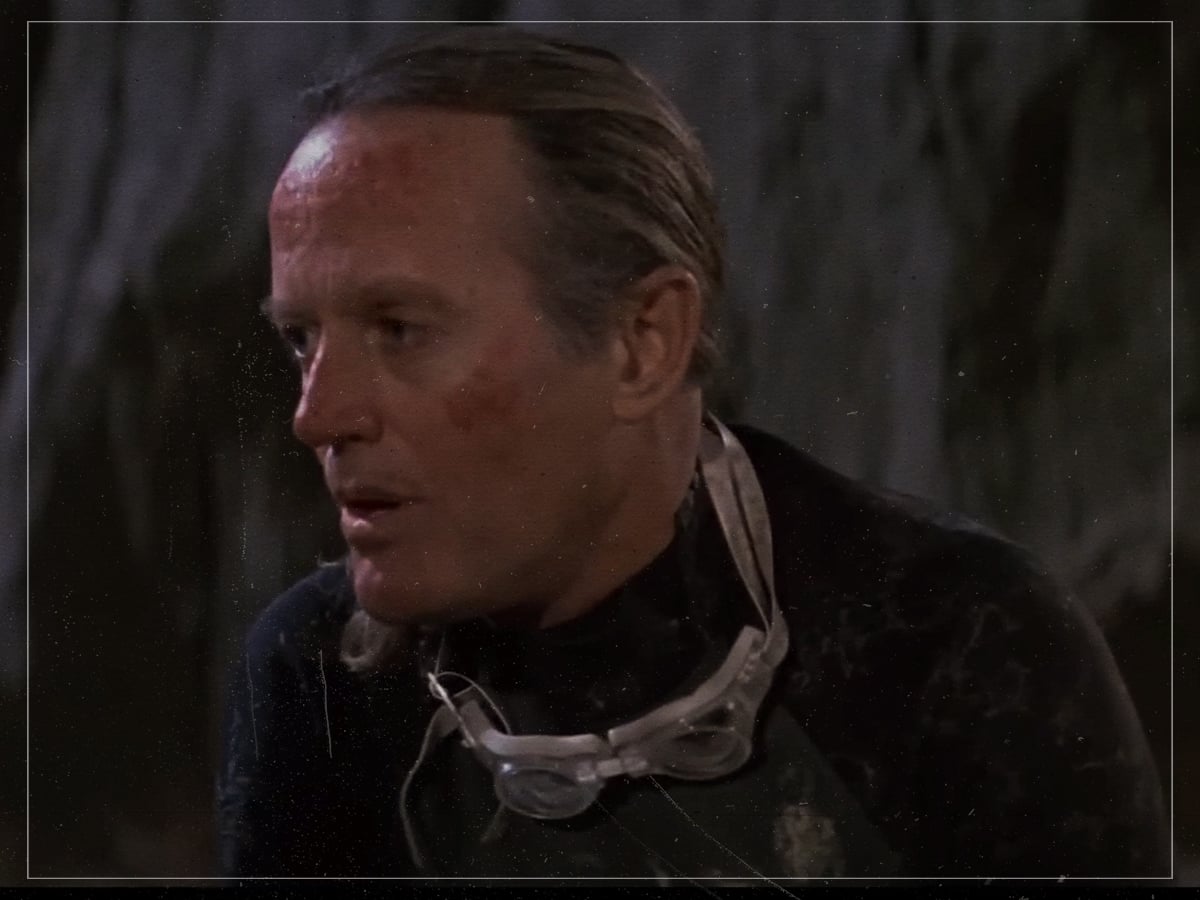
John Carpenter ran out of luck with Escape From LA, the long-anticipated sequel to his classic Escape From New York, due to budget cuts that prevented him from creating the absurdist Hollywood satire that he had intended it to be. The film does succeed in some regards at showing the cheap, sleazy side of the ‘City of Angels’, specifically with Steve Buscemi as the creepy tour guide, ‘Map to the Stars’ Eddie.
Buscemi is perfect to play this sort of oddball character, but Peter Fonda is completely miscast in the role of the eccentric surfing enthusiast known as ‘Pipeline’. While perhaps Carpenter was trying to make a satirical point because of Fonda’s family, which includes some of the most famous Hollywood icons of all time, he’s a far more classical actor who doesn’t work well with absurdist material.
Ryan Phillippe in ‘White Squall’ (Ridley Scott)
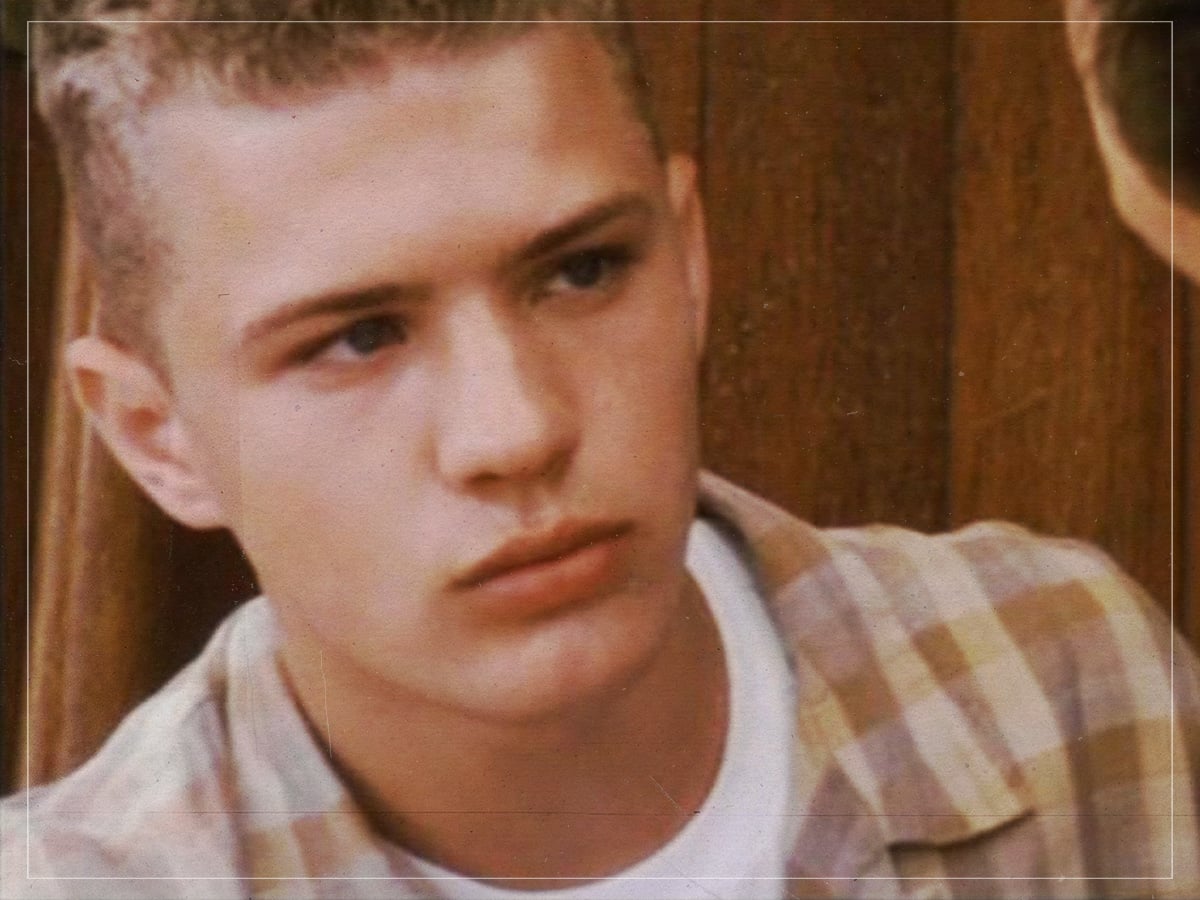
White Squall is one of the most underrated films Ridley Scott has ever made and stands as one of the better and more authentic depictions of sailing ever seen on film. It stars Jeff Bridges as Dr Christopher B Sheldon, who led an ill-fated voyage of college-age students on a Brigantine across the world, only to encounter a deadly storm.
Scott does a good job at finding young actors to play the vulnerable, emotional students on the ship, but Ryan Phillippe is miscast as the shy boy Gil, who suffers from acrophobia and comes from a troubled family life. Phillippe is best in films like Cruel Intentions or The Way of the Gun, where he plays smarmy, ruthless anti-heroes, and it’s hard to believe him as a vulnerable kid who struggles with his lack of self-confidence, making him the weak link in an otherwise well-acted film.
