


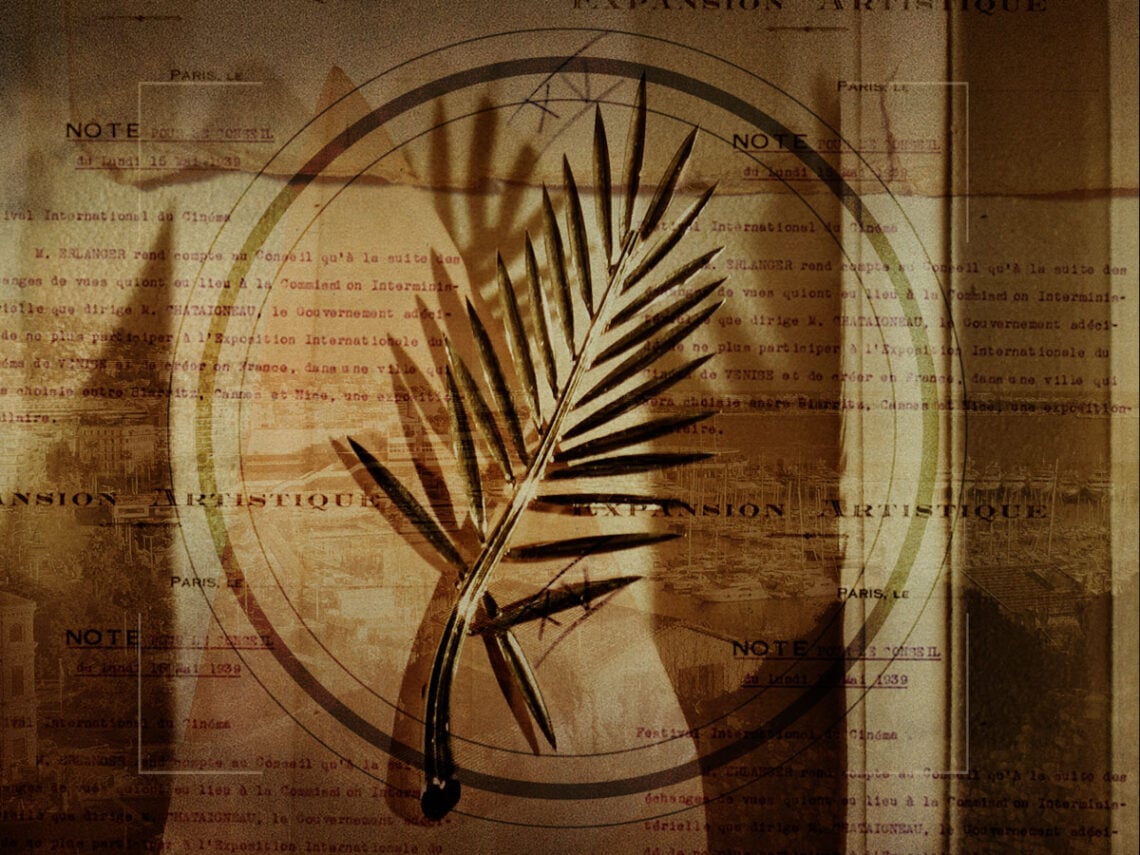
1968: the year Cannes was cancelled over politics

“We have to stay out of politics because if we make movies that are dedicatedly political, we enter the field of politics,” director Wim Wenders said earlier this year at the Berlin Film Festival, where he presided over the jury.
When asked about this controversial stance on the opening day of Cannes, festival director Thierry Frémaux tried to have it both ways. “What [Wenders] wanted to say is that, as president of the jury, politics is on the screen,” he insisted. “That’s what we see in Cannes.”
At this particularly divisive moment in politics, how festivals, filmmakers, and stars deal with the disconnect between the dream factory of cinema and the instability of the global order is a topic of heated debate. Back in 1968, however, the question was so contentious, and the tension was so immediate that it led to the cancellation of the entire festival five days before its scheduled end date. Nearly six decades later, it remains the only year in which awards were not handed out.
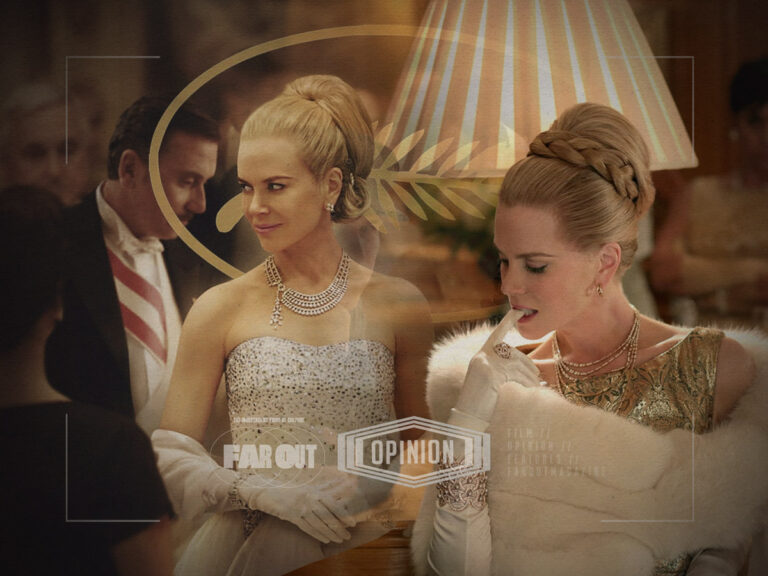
It was the perfect storm of contradictions, a clash of Old Hollywood glamour, New Wave political awareness, and student protests that were roiling the streets of Paris and bringing the country to a standstill. On the opening day of the festival on May 10th, Princess Grace of Monaco, formerly Grace Kelly, kicked off the proceedings with fireworks before a restoration of Gone with the Wind was unveiled. Ringo Starr partied with Jane Birkin. Sharon Tate, who would be murdered by members of the Manson Family a year later, lounged on the beach and played ping pong.
A few hundred miles away, in Paris, the Latin Quarter was swarmed with 30,000 student protesters. Cars burned, the police descended, and 461 people were arrested. The “Night of the Barricades”, as it became known, was the culmination of a months-long standoff between students and the French authorities over university conditions that were no longer fit for a growing, modern population. By May, however, it had become a national cause that encompassed working-class discontent over stagnant wages and the broader cultural clash of postwar conservatism with the burgeoning countercultural movement.

Back in Cannes, many critics and filmmakers were becoming self-conscious about the glitz and glamour on the Croisette in contrast with the unrest sweeping the rest of the country. As the festival barrelled ahead, some of them released statements urging the leaders of the event to shut things down. Soon, workers began to strike across the country, and it became increasingly absurd for the world’s most ostentatious film festival to continue. True to form, it ended in the most cinematic way possible, at a film screening of a movie called Peppermint Frappé, of all things.
Far from being a precursor to a Starbucks drink, Peppermint Frappé is a psychological thriller directed by Spanish filmmaker Carlos Saura, and it couldn’t have been a more fitting battleground for the events derailing the festival. Like the festival, it featured a clash of Old Hollywood (it’s an homage to Alfred Hitchcock’s Vertigo) and current events (it’s an allegory for the fascist Franco regime filmed in the style of the swinging sixties). Tying it all together was its star, Geraldine Chaplin, who was the daughter of Charlie Chaplin but spent much of her career making European films.

By the time Peppermint Frappé was scheduled to premiere on May 18, multiple jury members had dropped out of the festival, and filmmakers including Alain Resnais, Miloš Forman, and Saura himself had requested that their movies be pulled from the lineup. Determined to ensure his request was followed, Saura climbed onto the stage at the film’s premiere with Chaplin and clung to the curtains, preventing it from rising to reveal the screen. A fight broke out in which Chaplin allegedly lost a tooth, though that seems a bit too cinematic to be credible.
That same day, New Wave pioneers Jean-Luc Godard and Francois Truffaut, who had led the opposition to the festival, were making speeches. As Godard put it, “We’re talking solidarity with students and workers, and you’re talking about dolly shots and close-ups. You’re assholes.” In other words, the politics were very much happening outside the screening room, and whatever was being shown on screen was not, as Frémaux would claim decades later, a sufficient response. The next day, the festival was officially cancelled.
It’s unlikely that such chaos will engulf Cannes again any time soon, not just because the summer of ‘68 was such a landmark moment in European politics but because Hollywood has all but abandoned the festival. The cringe-inducing spectacle of Gone with the Wind and Princess Grace backed by fireworks is a thing of the past as the festival embraces European auteurs over Hollywood royalty.
It’s largely the result of the studios, who can’t afford the embarrassment of another Gotti or Megalopolis, but it has the welcome side effect of minimising the usual tasteless displays of wealth and affluence. In a year when the Met Gala was roundly rejected by the public for its laughably out-of-touch celebration of rapacious wealth, Cannes is lucky that Hollywood decided to sit this one out.
