


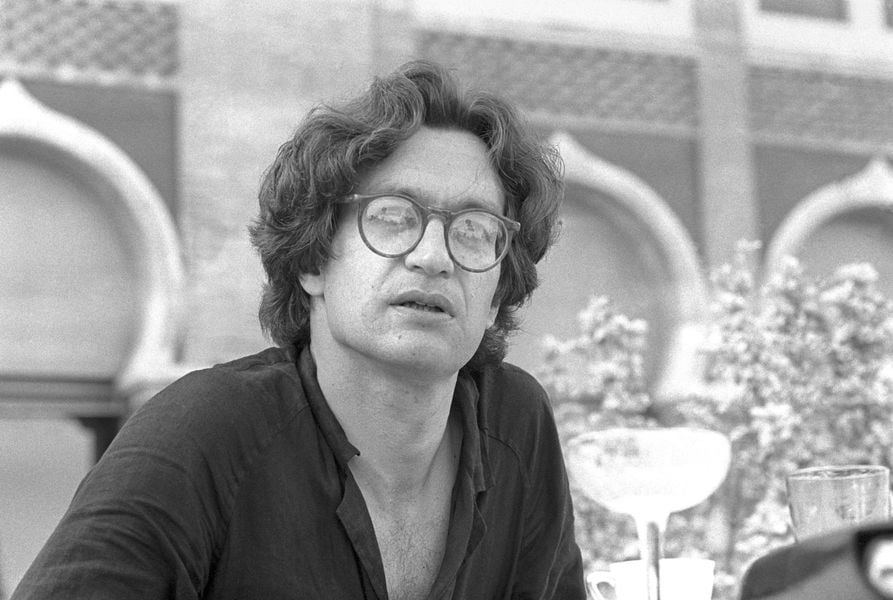
Wim Wenders confesses his biggest weakness as a filmmaker: “I think that it’s true”

Wim Wenders is a master of subtlety and visual storytelling, with a slate of heart-wrenching yet simplistic films that highlight the beauty of everyday moments and the joys that sustain us. With movies like Paris, Texas, Wings of Desire and Perfect Days, Wenders has shown a particular ability to capture unspoken feelings of melancholia, honing in barely visible expressions of pain, heartache and pining that feel so human and complicated. However, there have been some voices over the years who have criticised his style of filmmaking and one particular element of his stories, something that Wenders actually agrees with.
Within a film like Wings of Desire, the story isn’t made explicitly clear to us; it feels more like a poem and strange dream-world rather than a film, something that I believe is a testament to Wenders’ skill. He creates a moody landscape that is entirely narrated by an angel, making us awake to the small triumphs in everyday life that we can’t always appreciate while we’re in it. By making the film feel like a tone poem, he creates a mystical and other-worldly mood that aligns us with the perspective of the main character, creating a beautiful collection of thoughts and images that wash over the audience.
However, this is the very quality that has been most criticised in his work, with some saying that he is a weak narrative storyteller. When asked about his feelings on this, Wenders replied, “Yes, I’ve heard this, and I think that it’s true that this is my weakest point. You have to be a storyteller in film, first. Without it, the images are only of any interest if they serve the story. Sometimes I’ve learned painfully that you have to leave your favourite shots behind to serve the story–it’s a difficult thing to do”.
However, it is easy to completely disagree. The ambiguity in his narratives feels very intentional and emblematic of the themes he is exploring, encouraging the audience to be more open-minded and perceptive to the undercurrent of day-to-day life. The narrative is not weak; it is subtle and carefully interwoven with the images to draw the most impact from each moment.
You might think that not much is happening, but the entire narrative exists in the emotional arc of the film, and these emotions are conveyed to us in layered and complex ways that aren’t immediately discernible – this is what makes his work so rewarding.
The audience is also on a journey to discover the truth of these characters, and it isn’t immediately obvious what it happening, but the joy of watching Paris, Texas or Perfect Days comes from unravelling these expressions in your own mind. What happened to Travis? Why is he alone? What about Hirayama – is he actually happy? Or is he just distracting himself from his own loneliness?
While Wenders agrees with this criticism, his fans don’t, and the idea that a film’s plot has to be obvious and quick in order for it to be meaningful is somewhat of a head scratcher. My favourite films are ones in which we are completely immersed in the world of the characters, and often, this is done through slowness and truly walking in their shoes.
