


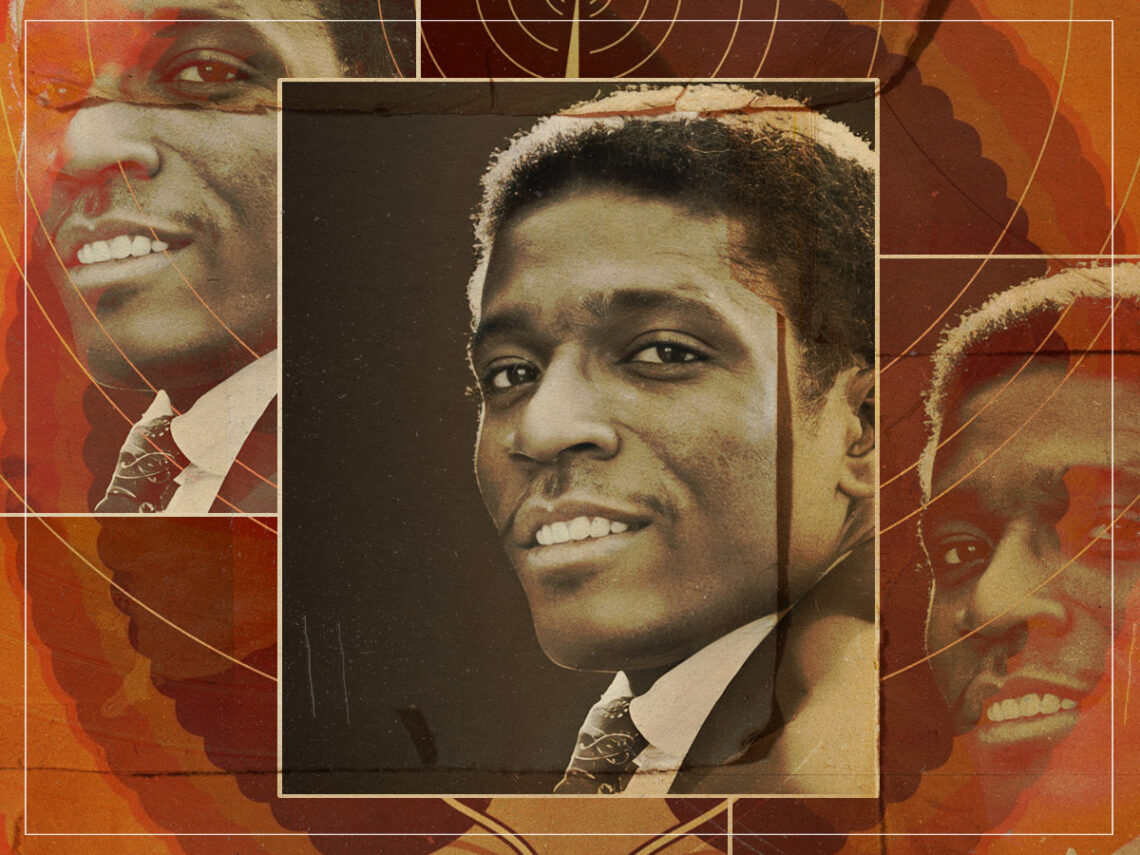
Willie Tee: the forgotten architect of New Orleans funk

New Orleans has given the world some truly magnificent things, from the distinctive taste of Creole cuisine to the vast and diverse genre of jazz music. The streets of the Louisiana city are practically lined with musical expression, and those streets have played host to a wide variety of musicians, songwriters, and performers who have completely revolutionised the sound of the city. Arguably, though, few people have enjoyed the same long-lasting legacy as the funk and soul master that was Willie Tee.
Born and raised in the Calliope Projects housing developments in New Orleans, Tee—Wilson Turbinton—took solace in the world of music from a very young age. Spending his days immersed in everything from the infectious jazz of John Coltrane to the early rhythm and blues scene around New Orleans, Tee certainly benefited from the diversity of the music scene around his hometown. Soon, he, too, would become an instrumental part of that scene.
Given his adolescent obsession with music, it was only a matter of time before Willie Tee began recording material himself. At the age of only 18, Tee made his first recordings for the now-legendary AFO Records. These sessions produced the singles ‘Always Accused’ and ‘Why Lie’, neither of which made much of an impact on the musical mainstream of the time. Despite their seeming failure, these unassuming singles formed some of the earliest foundations of the New Orleans funk scene, which would go on to become a worldwide phenomenon.
Defined by its distinctive rhythm, danceable energy, and infectious groove, funk music was born from the blending of traditional African rhythms and modern American soul, jazz, and R&B music. Given the deep roots of jazz and R&B within New Orleans, the city was essential in developing funk music, and few musicians within the area had the same impact as Tee, particularly after the songwriter and keyboardist switched to Atlantic Records during the mid-1960s.
His period with Atlantic produced some of Tee’s most renowned works, including ‘Walking Up A One Way Street’ and ‘I Want Somebody (To Show Me The Way Back Home)’. Again, these records did not make enough of an impact on the American charts to rocket Tee into mainstream stardom, but they found a natural home among dedicated funk obsessives. In fact, all the way across the Atlantic, in the towns and cities of northern England, Tee’s records became cult favourites among the blossoming Northern Soul movement.
‘Reach Out For Me’ was a particularly beloved floor filler within the walls of Wigan Casino and Blackpool Mecca, introducing the vibrant sounds of New Orleans funk to an entirely new audience. Throughout his career, Tee would often travel to the UK and mainland Europe to perform his celebrated music despite a lack of overt commercial success in his home country. However, that is certainly not to say that the keyboardist did not make an impact on US soil.
In addition to laying the foundations of New Orleans funk, Tee’s discography lends itself quite naturally to the hip-hop scene that took over the city during the 1980s and 1990s. Many of his records that were initially written off began to be unearthed and reappraised through sampling. This wide-reaching influence and enduring underground success mean that Tee’s impact can still be felt on the music scene of New Orleans to this day.
