


‘Will & Harper’: a wake-up call to the consequences of the anti-trans rhetoric

Every now and then, you watch something that both obliterates your faith in humanity and restores a tiny piece of it, awakening your anger when confronting worldly injustices while nurturing a shred of hope for a better world. It could be the release of a film like I Saw the TV Glow, which imbues you with a sense of necessary optimism while simultaneously devastating each fraction of your soul in the knowledge that trans people are being actively targeted by dehumanising laws and damaging ideas.
There has always been a fine line between hope and pessimism, making for a delicate balancing act that comes from recognising the importance of light to fight the darkness while also knowing that the presence of this darkness makes the light harder to find. While this has become a tightrope act in the modern world, with both forces being inextricably linked as we try to nurture one and fight the other, it is a feat that was mastered by director Josh Greenbaum in his recent documentary Will & Harper, both revelling in joy and pointing our attention towards a pressing issue that needs our attention.
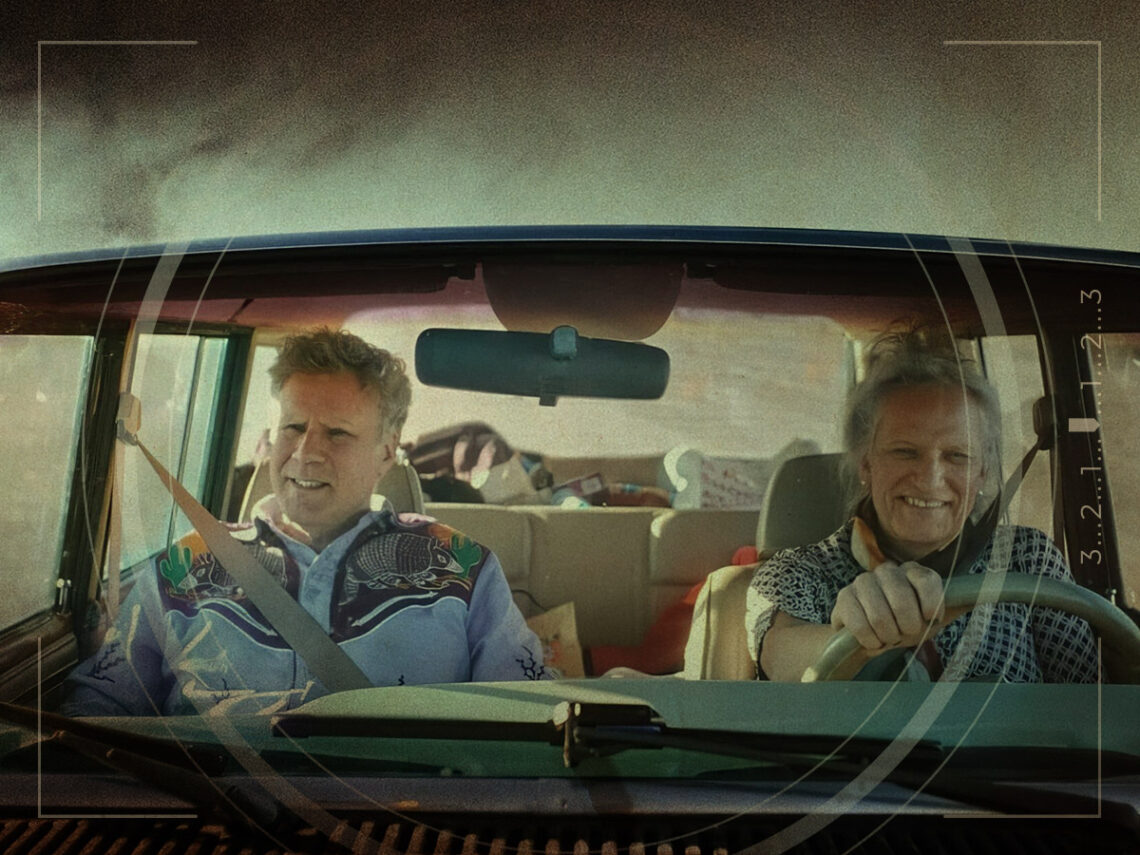
Will & Harper follows legendary comedians Will Ferrell and Harper Steele, who recently came out as a transwoman. The pair decide to go on a road trip to introduce America to Harper’s authentic self while having many conversations along the way about gender identity, self-acceptance and the transgender experience.
Given the rise of transphobia and increasingly dangerous rhetoric threatening gender expression in general, the timing of this film could not have been better. It is tender, heartfelt and deeply funny, with the premise of the film hinging on the genuine friendship and love between Will and Harper. Over the course of their trip, the pair hold space for Ferrell to ask questions about Harper’s journey towards transitioning and her experiences since coming out, re-exploring the dynamic between them and the exhilaration and challenges she has since felt and faced.
However, while the film is marked by highs and hilarious moments—with both their comedic genius shining through after years of helming the iconic SNL—it is also marked by a darker hue of danger and threat, with the duo travelling around historically conservative states and meeting people along the way that disagree with Harper’s very existence.
It’s a common thread that becomes increasingly prevalent and unsettling as we realise that if it weren’t for the presence of Will and his shield of celebrity/white privilege, this road trip would look very different for Harper. It might not even have been possible to complete safely, with some scenes showing how people treat Harper cruelly before noticing that she is with Will. The comedian becomes acutely aware of the power he holds in these situations and the alarming reality that the world is not a safe place for his friend.
There is one particularly crushing scene as Will realises that he has unknowingly put Harper in danger by exposing her to a hyper-conservative establishment. The restaurant patrons take pictures of her and post an endless wave of derogatory tweets that sweep the internet. In this moment, Will realises he has been ignorant by leaning into the crowd and playing the role of the entertainer, drawing attention to Harper in a room that you could predict would not be friendly towards her presence.
While the film is, at its core, an exploration of their friendship and Harper’s experiences as a transwoman, there are moments that cater to cis-gendered audiences by exploring conversations and questions that aim to strengthen public understanding of the trans community, hoping to increase awareness of the ways that cis-gendered people can recognise and use their privilege and provide genuine allyship to transfolk.
Will & Harper is a vital and beautiful film that approaches each conversation with sensitivity and care, creating a rich and layered portrait of true friendship and the challenges facing trans people in today’s world. It looks at the genuine ways that we can advocate for the protection of this marginalised and vulnerable community and stand up for our friends when they need it most.
