


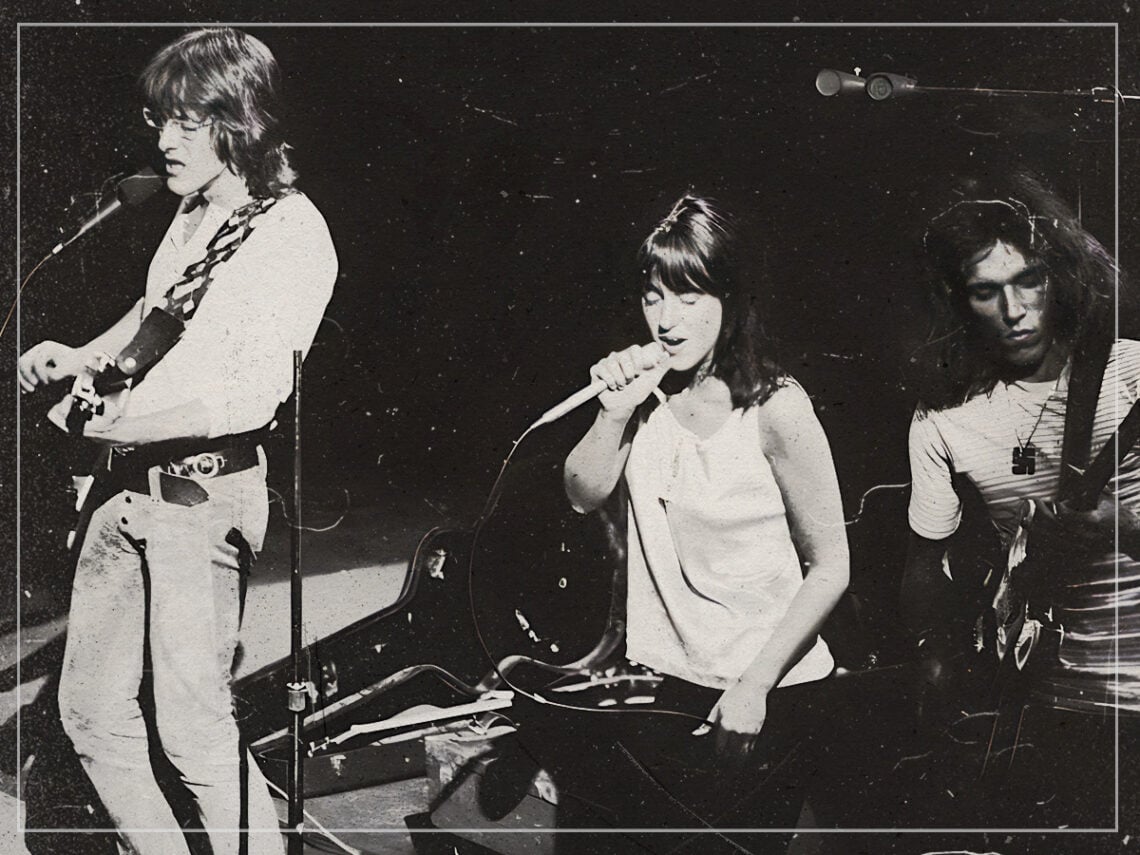
The reason why ‘White Rabbit’ became popular, according to Grace Slick

Grace Slick has lived a life of storied proportions, earning both reverence and notoriety. However, when it comes to her musical exploits, none are as culturally significant as Jefferson Airplane’s ‘White Rabbit’.
Released just as the summer of love was commencing in June 1967, ‘White Rabbit’ became Jefferson Airplane’s definitive anthem, despite Grace Slick having written it while still in her previous band. In their practice space, the band captured the essence of the era—acid, free love, and countercultural spirit—into a song that resonated deeply with their generation. Its narcotic essence provided a profound reflection of the times. Today, ‘White Rabbit’ remains a time capsule, allowing contemporary listeners to journey back to that heady era and experience its spirit firsthand.
While ‘Somebody to Love’ was one of Grace Slick’s finest efforts and preceded ‘White Rabbit’ as the third and final single from Surrealistic Pillow, it was the latter that made the deepest cultural impact. Fueled by lyrics inspired by Lewis Carroll’s trippy fantasy novels Alice’s Adventures in Wonderland and Through the Looking-Glass, ‘White Rabbit’ referenced characters like Alice, the White Rabbit, and the hookah-smoking caterpillar. Thematically, it served as the perfect soundtrack for a moment when artistic experimentation, drugs, and society intertwined. The song took psychedelia in a darker direction, perhaps hinting at the uncertain future ahead for the counterculture movement.
Despite this drug-laced eccentricity, the music speaks volumes about Slick’s force as an artist. Not just another strung-out hippie, the sonics were influenced by jazz pioneer Miles Davis’ innovative 1960 effort Sketches of Spain and his treatment of the Spanish classical concerto Concierto de Aranjuez.
She blended this with inspiration from Ravel’s Boléro, and together with the potent imagery of the lyrics, it created a sound unlike anyone had ever heard, even in light of psychedelia’s emergence that year. This approach reflected the era’s commitment to crafting art that was completely new, eschewing tradition and expectation.
Slick wasn’t fronting any old guitar band, and she didn’t want to, which made her and the group stand out.

After its release, ‘White Rabbit’ peaked at number eight on the Billboard Hot 100 and became the group’s second top-ten hit, appealing to listeners who did not subscribe to the countercultural movement in any form. Although that is the sign of a true classic, as all have to have immense crossover appeal, Slick has also shared her thoughts on why it succeeded so much, and as expected, they are uber-realistic. She’s fully aware of the invention underpinning it.
During a 2016 interview with Forbes, Slick touched on the origins of her signature song. She described the tiny upright piano that she wrote it on as a “piece of junk”, emphatically demonstrating that her sharp tongue hasn’t blunted over the years. The hippie heroine then explained that the writing of the track was collaborative. After she taped her original demo, she showed it to the band, who brought it to life in technicolour.
Offering her opinion of what made the 1967 song such a resonant release, Slick claimed that the short length had a significant role to play, given how strict radio schedules were at the time. She also feels that its fresh essence, in that it’s not really rock ‘n’ roll at all – save for the electric instruments – also played a key role, with listeners lapping up its unique weird world.
“‘White Rabbit’ is very short, so radio liked it because they could get a lot of commercials in,” she said. “Why it got so popular is amazing because it’s not rock ‘n’ roll. It is a Spanish march. The music is weird.”
There aren’t many better examples in music that show that to create genuine history; artists have to break with tradition and create something completely unknown, free of established context, language, and genre.
