


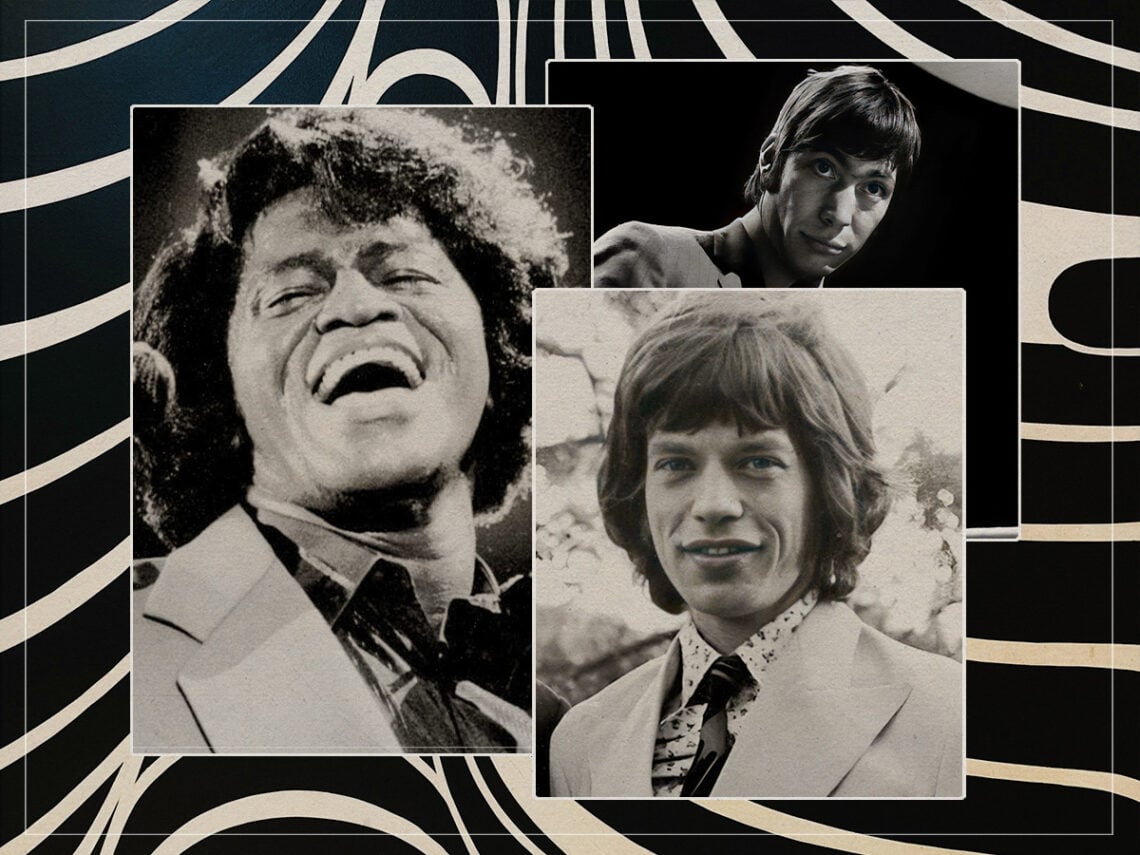
Why James Brown could best Mick Jagger onstage, according to Charlie Watts

Every artist is going to want to copy what has come before in some respects. The greatest artists who ever lived don’t get that way without learning from what’s in their record collections, but even for a band like The Rolling Stones, Charlie Watts knew there was some better music out there than what they were doing.
After all, some of the biggest stepping stones for the band was the blues. Although Keith Richards wrote the rulebook on how to write a great guitar riff, that wouldn’t have happened had people like Muddy Waters and Robert Johnson not shown him the ropes when listening to their records. It was all about passing on that bluesy legacy to the next generation, but Watts came from a much different world.
Despite being one of the foundations of The Stones, Watts was always looking to make music that had more of a jazz backbeat behind it. He wasn’t going to be giving people like Buddy Rich a run for his money by any stretch, but his percussive vocabulary was always a bit unconventional for the time. Even if he never hit his hi-hat and snare at the same time, Watts knew the best way for him to play the song would be to get the right groove.
Although the jazz world was more about technique, Watts knew the importance of establishing a great pulse for the band whenever they played. He never needed to play anything too flashy if the time didn’t call for it, and that came from listening to the biggest names in soul music as well. The world of R&B was never that far away from what The Stones were doing, but James Brown was like looking into a completely different world half the time.
Compared to the Sam Cookes and Ray Charles’s in the world of music, Brown left everyone stunned whenever he opened his mouth. He was the epitome of what an entertainer is supposed to be, and even for someone who could scream his ass off, his onstage performances were so animated that every ounce of sweat that radiated off of him seemed important half the time he played.
And despite having an all-star frontman at the lip of the stage every time he performed, Watts felt that Brown was the one person who could outdo Mick Jagger, saying, “Mick is just the best frontman in the world, I mean that, the nicest possible way. I think he is the best thing on stage in the world, apart from James Brown probably when he was younger.” And looking at Brown’s performances from back in the day, it’s hard to argue with that, either.
Jagger is doing the equivalent of running a marathon every single night The Stones play, but it’s still far from anything that Brown was doing, almost playing the band like an instrument half the time during his call and response breaks. Live at the Apollo is already the perfect snapshot into this side of his performance ability, with songs like ‘I Don’t Mind’ sounding electric compared to the studio version.
Although The Rolling Stones can make an entire stadium come alive when they play to this day, there’s a reason why Watts resonated with Brown’s music so much. It was about striking that perfect balance between melody, rhythm, and performance ability, and in the context of the time, James Brown was practically a musical cartoon character whenever he got up onstage.
