


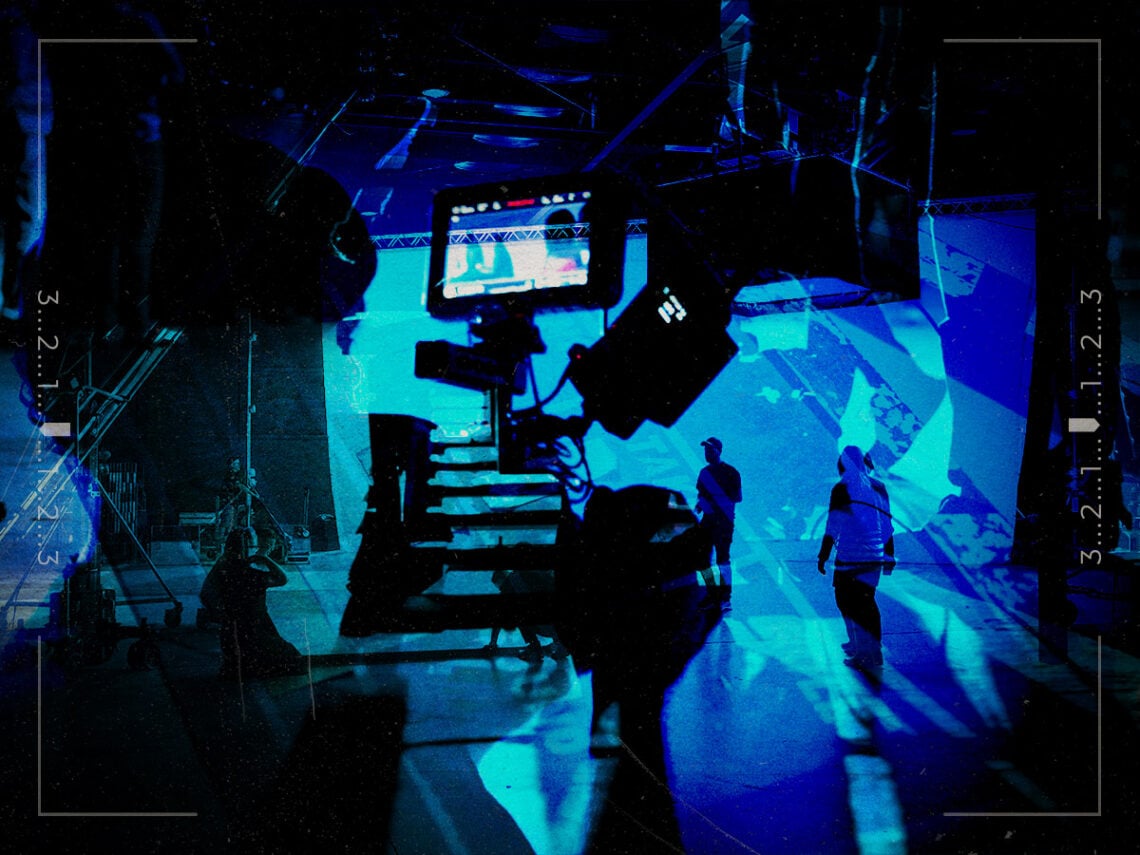
Who is the ‘best boy’ on a movie set and what do they actually do?

If, like me, you don’t immediately turn movies off as soon as the credits roll, you may have spied a credit for a job with a truly amusing name: the ‘best boy’.
Most people have a fair idea what the major jobs on a movie set entail – or, at the very least, we can hazard a guess. The director is the big kahuna whose vision everyone works toward; the writer is the person who wrote all those lovely words for actors to say, and created the exciting scenarios for the production to shoot; the lighting department is responsible for making sure audiences can see everything in each atmospheric shot; and the composer provides the stirring score, usually orchestral or electronic, that plays over the film. Then there are the producers, who… well, actually, nobody really knows what producers do. And let’s not even get started on ‘executive’ producers.
The further you go down the list of credits on any film production, though, the more things start to get murkier. What, for instance, is a ‘gaffer’? The only other time I’ve ever heard that term is in reference to football managers, but I’m fairly certain that a movie set gaffer won’t be bending actors’ ears about tracking back and making the pitch as big as possible.
On another note, what is a ‘key grip’? Does their job entail holding onto things really, really tightly? And do these positions have anything to do with the ‘best boy’, whoever he is? The answer to this question is yes: a best boy is uniquely tied to the positions of gaffer and key grip. Allow me to explain.
On a movie set, a gaffer is the head of the electrical department, while a key grip is the person in charge of building the rigging equipment that supports all the electrical department’s lights and cameras. Both of these positions require a best boy, meaning there are actually two best boys on every movie set, with one acting as an assistant to the gaffer and one to the key grip. The term is gender neutral, too, meaning the best boy isn’t always a man.
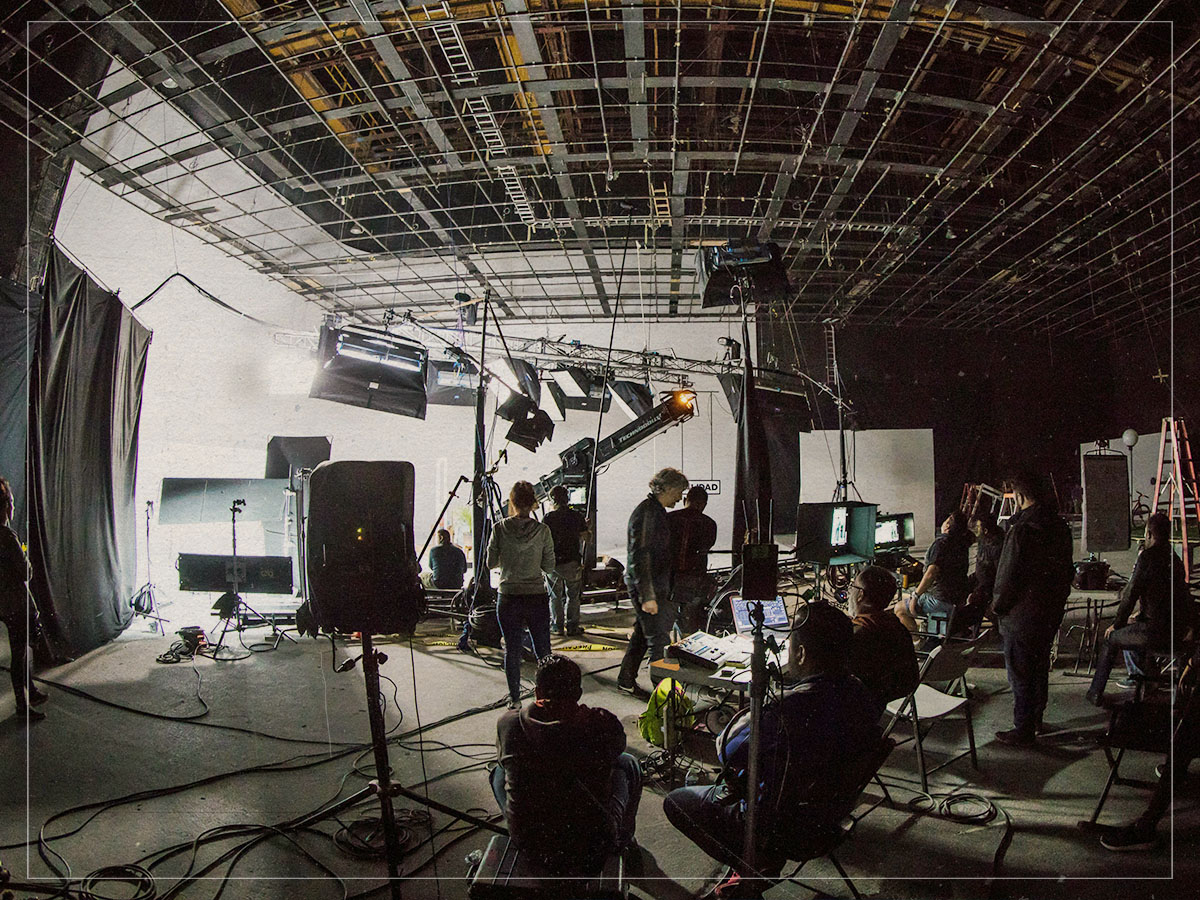
That does make you wonder, though: where did the term originate? Well, Hollywood legend goes that, in the old days, the men and women tasked with setting up lights, cameras, and other electrical equipment would often yell for someone to send them their “best boy” to help out if they got too busy. In this case, best boy simply meant the person in the crew most capable of handling the task, but over time, the term stuck and became an official position on a set.
What exactly does a best boy do, though? Naturally, that differs depending on which department they’re working for, although some responsibilities cross over to both. An electrical best boy will help load and unload electrical equipment and oversee the lighting inventory, while a key grip best boy will help with anything a camera operator needs, be that attaching accessories to the camera or laying a dolly track for it to run on.
Intriguingly, though, the tasks that both kinds of best boys are responsible for reveal that the position is actually much more integral to the smooth running of a film set than you may think. Best boys actually hire crew members and create the rotas that let everyone know where they’re supposed to be, and what they’re supposed to do, at all times. They also track the inventory on set, which requires a working knowledge of many complicated pieces of equipment, as they need to ascertain when things aren’t working and may need to be replaced.
All in all, then, despite its undeniably silly-sounding designation, the best boy is actually a pretty vital position on any movie production.
