


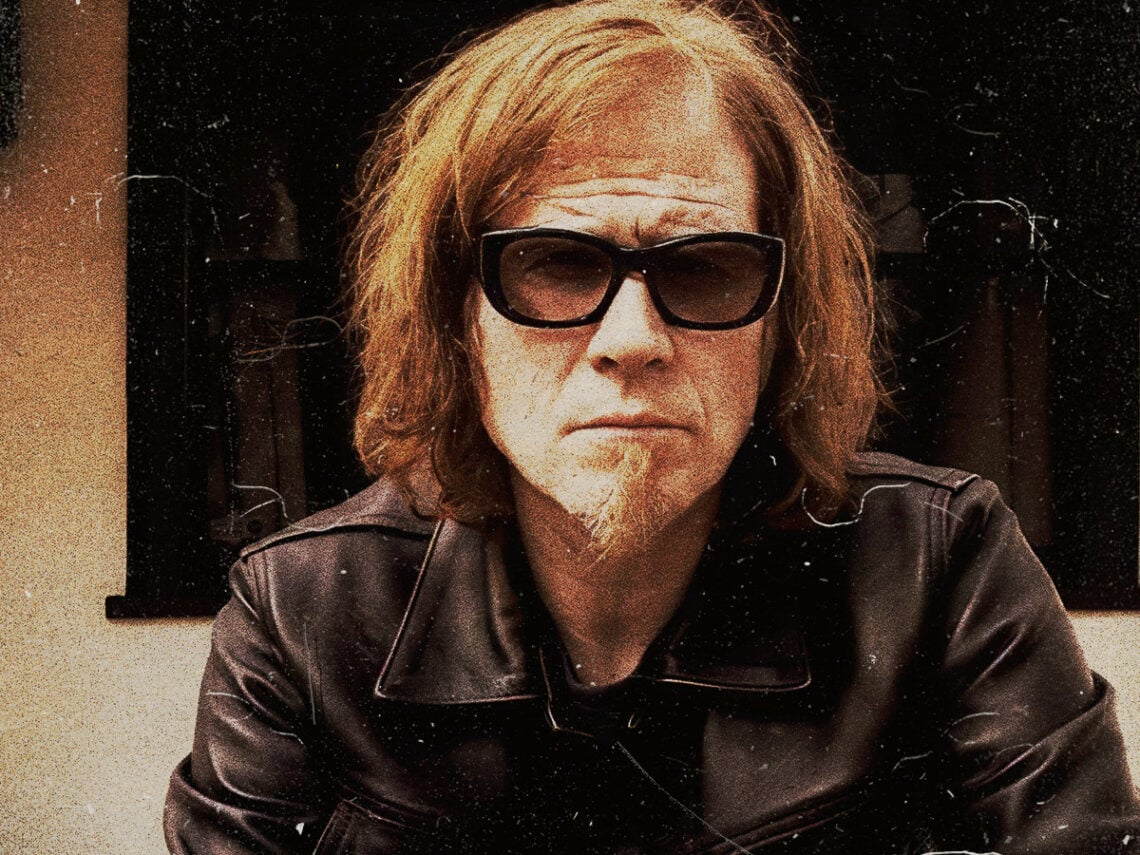
Which Queens of the Stone Age songs feature Mark Lanegan?

For many, Seattle’s Mark Lanegan is immediately identified with Josh Homme’s alternative metal venture Queens of the Stone Age, an arena behemoth with a nebulous personnel line-up that eclipsed the prior desert rock group Kyuss that served as the defining Palm Desert band of the early 1990s.
However, for many a little older immersed in the American rock underground that crackled with punk fervour underneath MTV’s hair metal pomp, Lanegan was, and would always be, the rough, baritone frontman for Screaming Trees. His gift for coarse but soulful vocals way beyond his years wasn’t a happenstance quirk, a tumultuous life smattered with a drink and hard drugs problem before even his 20s ensuring a dragged mileage in his voice. Forming Screaming Trees in 1984, a stirring swirl of noisy psychedelia and rootsy garage bridged the 1960s counterculture with a renewed college rock sensibility.
While presaging the movement for some years along with Green River and Melvins, Lanegan found himself swept up with the early 1990s grunge he helped bring about. Enjoying newfound big-label attention, the Screaming Trees’ fifth LP, Uncle Anesthesia, with Epic Records, thrust Lanegan and the band to a new stratum of mainstream profile. Following Nirvana’s surge to stardom, frontman Kurt Cobain personally ensured Screaming Trees’ billing at 1992’s Reading Festival, playing on the Sunday in between Melvins and Pavement.
Musical and brotherly bonds would be forged shortly after the release of 1996’s Dust. Following the ashes of Kyuss, Homme briefly joined Screaming Trees as a rhythm guitarist. For Queens of the Stone Age’s sophomore Rated R album, Lanegan began routinely collaborating with the band, becoming a full-time member in 2002 across Songs for the Deaf and Lullabies to Paralyze, and still making the odd guest appearance on future LPs til his sad passing in 2022.
So, which Queens of the Stone Age songs feature Lanegan?
Aside from possible tucked-away B-sides or oddities lurking in the fringes of QOTSA’s discography, there are 13 songs across their studio albums: Lanegan lends his brooding vocals to seven lead or co-lead and backing on six. His credits begin on 2000’s Rated R, singing on ‘In the Fade’s crooked dub and background harmonies on ‘Auto Pilot’ and ‘I Think I Lost My Headache’.
It’s 2002’s Songs for the Deaf, which boasts the highest levels of Lanegan. ‘Song for the Dead’, ‘Hangin’ Tree’, ‘God is in the Radio’, and the title track all gifting QOTSA some of their most memorable and dramatic cuts, as well as co-writing their biggest hit ‘No One Knows’. Still an official member but less of a presence, 2005’s Lullabies to Paralyze audaciously opens with the spooky ‘This Lullaby’, setting the stage for the record’s hazy coven of stoner doom, and lurks in the vocal shadows on ‘Burn the Witch’ and ‘”You Got a Killer Scene There, Man…”‘.
As 2007’s Era Vulgaris rolls by, there are some harmonies added to ‘River in the Road’ and one more cut of backing vocals on …Like Clockwork‘s ‘If I Had a Tail’ in 2013. Lanegan would die from COVID complications in 2022, and QOTSA would release the angsty In Times New Roman… the next year. But for many, Lanegan, even in spirit, remains a creative authority for the band, leaving a small but indelible mark on their wieldy oeuvre.
