


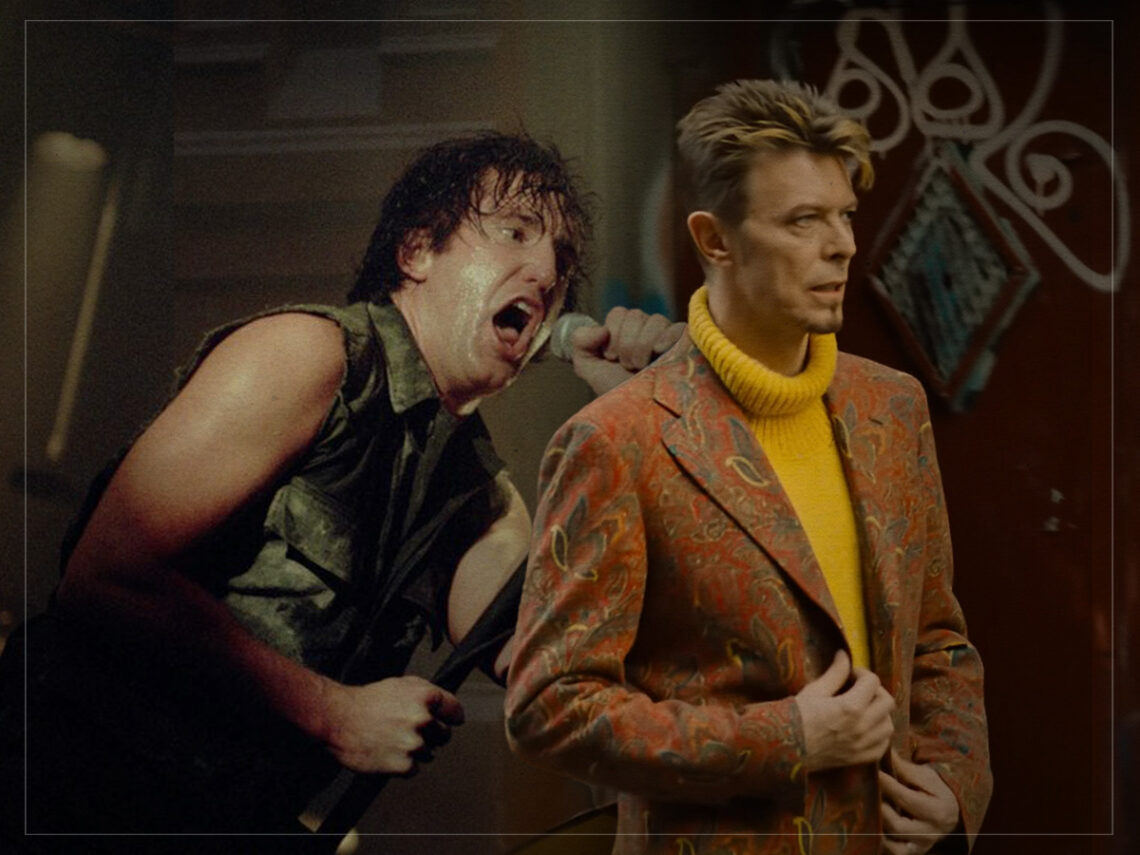
When David Bowie asked to open for Nine Inch Nails: “On the off chance”

The benefit of being a new, unknown artist is that you can test drive your songs in front of audiences, gauge their reactions and use it to get better, but when you’re already an established name with expectations attached, that option goes out the window, and if you’re a name a looming as David Bowie, you can basically forget about it.
Back at the start of his career, when Bowie was still Davie Jones and was gigging around London, he could use his own humble crowds to start sketching ideas out. No one knew who he was, so no one could really judge all that much beyond whether they liked it or not, which allowed for honest, genuine feedback with no bias attached; when you have no fans, everyone is fairer.
But quickly, Bowie had a lot of fans. Despite it being a slow slog to the top at first, it suddenly all boomed when ‘Space Oddity’ took off as the perfect soundtrack for the moon landing and the general feelings of disillusionment in the space age. After that, everything was different, and then with the launch of Ziggy Stardust, it was clear nothing would ever be the same again.
Sure, Bowie could sprinkle in new songs to a set list, but the issue is that he always worked in eras and chapters. He embodied one character until he was ready to kill that and move on, so he didn’t want to be test-driving the soundtrack to the next step on the stage of his current iteration; it would ruin the magic.
It meant that really, every Bowie release had to be a leap of blind faith. Without the crowds to approve a track with their applause beforehand, he mostly had to trust his own instincts or believe that the team around him wouldn’t bullshit him or tell him something was good if it wasn’t.
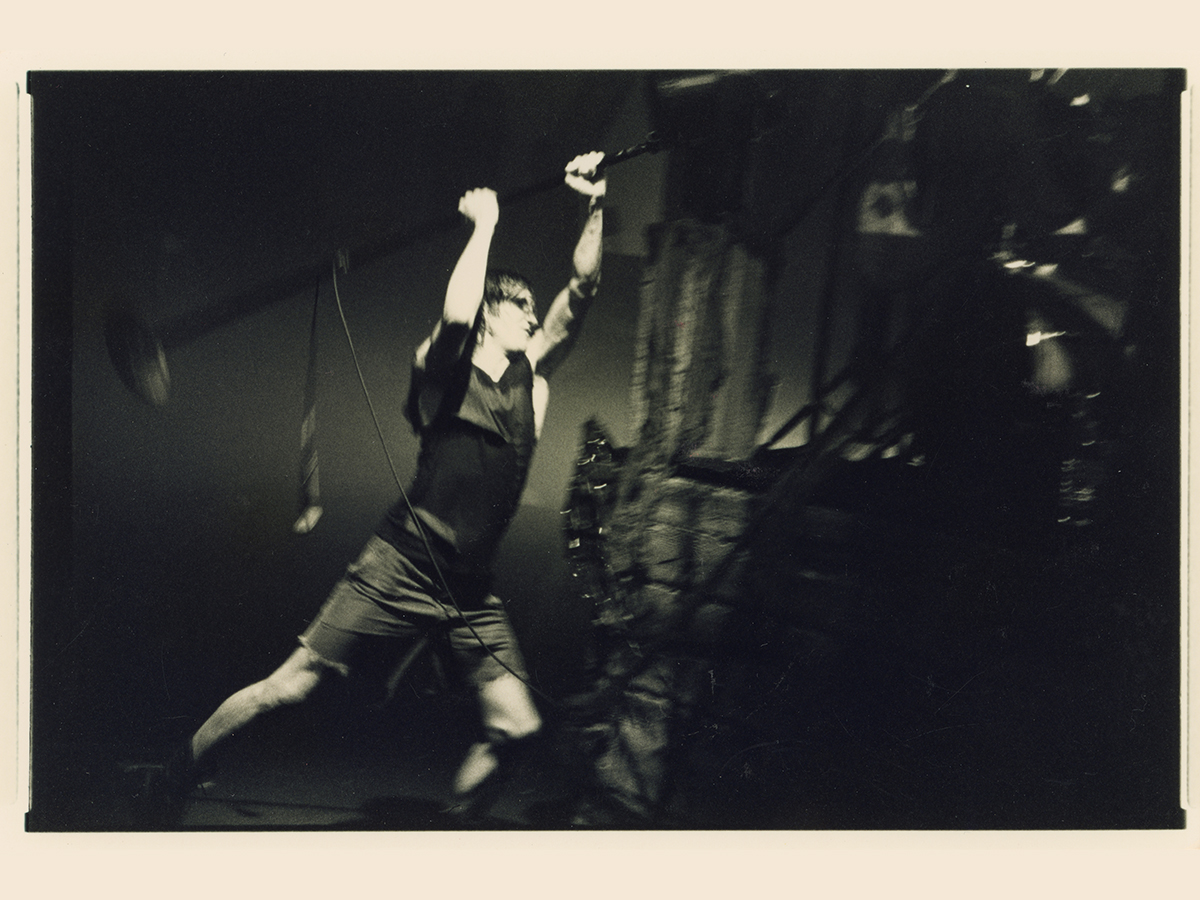
By the 1990s, though, Bowie was sick of that. His sound was evolving again, but this time was becoming heavier, rockier and more oriented towards audiences again, although maybe not the classic rock and roll audiences he would’ve drawn before. Instead, he was looking towards the crowds brought in by an unlikely band who were deeply inspiring him at the time: Nine Inch Nails.
He hugely admired Trent Reznor and where the band were going musically, but mostly, his love for them hit at a time when he seemed desperate to shake off the theatrics and the expectation for theatrics that now haunted his career. His desire was simple: he wanted to play new songs, free from pressure, free from the hits, and in front of a crowd that would allow that and be honest.
So the story goes that he went to Reznor and practically begged to open for the Nine Inch Nails. “I was trying to work out the kind of thing I really wanted to do, as you know, I really like to be quite adventurous in terms of what I do on stage. I just, on the off chance, phoned up Trent’s management, as it happens, to find out if there’d be any interest in Trent working with me on a tour,” Bowie recalled in an interview alongside Reznor. Naturally, Nine Inch Nails agreed, but absolutely no way were they going to say yes to the idea of David Bowie being their support act.
Instead, they settled on a compromise of co-headlining. The 1995 outside tour was still billed as a Bowie affair, but the time was split 50/50, and there was no gap in between. Instead, Reznor and his band played, then toward the end of their set, Bowie joined them on stage. He played their tracks ‘Hurt’ and ‘Reptile’ with them, as well as beginning his own set with the band backing him up on tracks like ‘Subterraneans’ and ‘Scary Monsters’.
After that, Bowie would be left to his stage, launching into a setlist of new material and denying his crowds ‘Let’s Dance’ or ‘Starman’ or any familiarity. On occasion, he might throw in an old hit, but only the ones he fancied playing. Instead, overwhelmingly, this was a tour of new stuff and album cuts, a tour where David Bowie didn’t want to play the role of David Bowie, and somehow, Nine Inch Nails afforded him that.
