


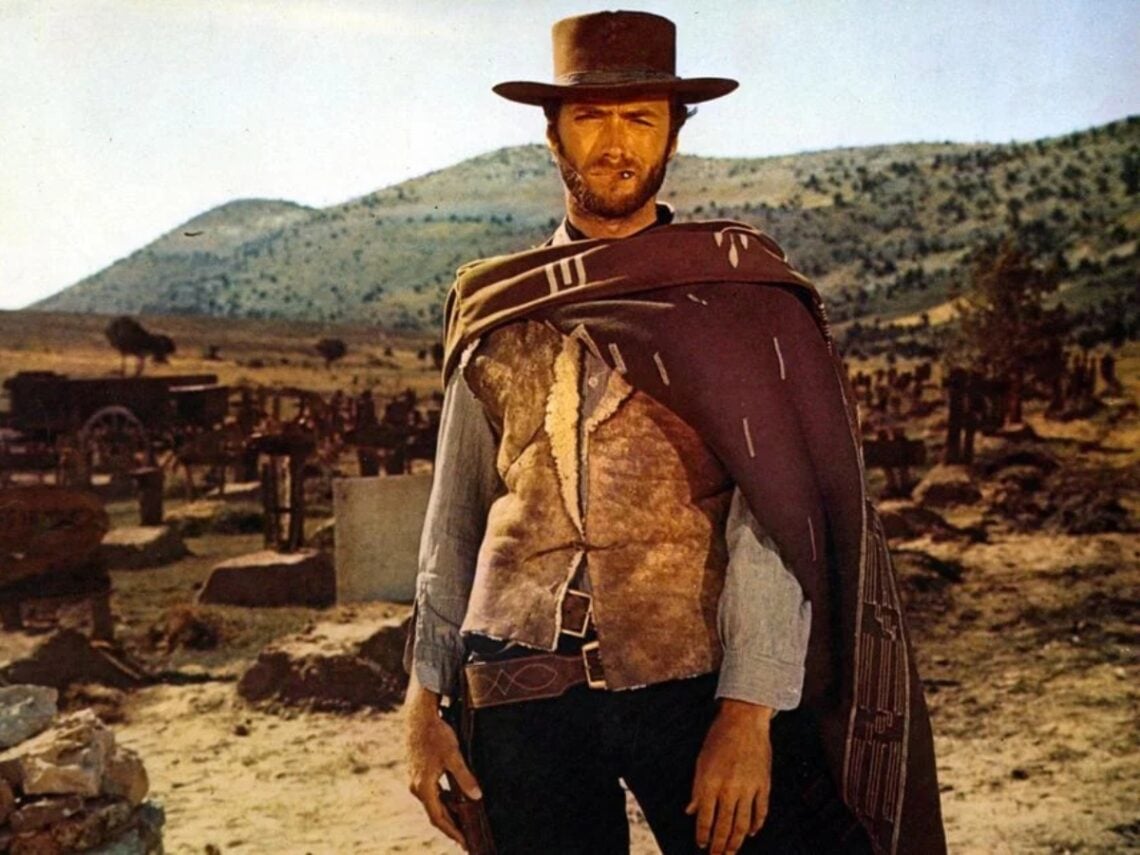
What is the spaghetti western guitar sound?

The guitar preexisted in the 1930s, but it really came into its own in 1936, thanks to jazz guitarist Charlie Christian. He was tired of being drowned out by the sound of big bands, so he decided to attach a pickup to his guitar in a bid to increase its volume. It meant that whenever Christian played a guitar solo, it wasn’t drowned out by all of the instruments. Tweaks were made in his design, but essentially, this was the birth of the electric guitar.
The electric guitar’s emergence marked a massive moment for guitar music across the board, as people could increase the volume of the guitar. Still, they were also able to play around with currents to give guitars different effects. It wasn’t long before we had distortion, reverb, delay, tremolo, and a whole pedal board worth of effects that could completely change how the guitar sounded. The number of genres that exist today, simply put, wouldn’t be here were it not for the electric guitar and its various effects.
There was some pushback on the birth of the electric guitar, though. While many people thought it was an exciting time for music and could see the innovative prospects that came with the guitar, many others thought the introduction of such effects was cheating. This might seem silly now, but there was a traditionalist view of music back then that the use of added effects contradicted.
Consider when Bach said, “A musician cannot move others unless he too is moved… In languishing, sad passages, the performer must languish and grow sad… Similarly, in lively, joyous passages, the executant must again put himself into the appropriate mood.” Essentially, if you are going to play music that embodies any form of emotion, you should feel that emotion when you play. Many people who subscribed to this idea (or variations of it) had issues with the electric guitar, as it was a shortcut to displaying emotion.
By adding effects like distortion, people could give their guitar a feeling of anger. With reverb, people could make songs sound dreamier. The point was that by using effects, people conveyed emotion in their music without actually connecting with the song they’d made.
Of course, this feels like an outdated mindset now. The truth is that just because effects have been added to a song doesn’t diminish its emotive properties; if anything, they enhance them. Using effects on guitars gives us a more extensive range of musical genres and makes for a more exciting listening experience.
One of the more underrated sounds that exists within the realm of guitar music is the spaghetti western sound. Despite being iconic, it’s something you don’t hear much in a lot of modern music, which is a shame given the fun qualities it can convey. It’s essentially an alternative branch of surf rock and, as such, can be used in a number of different ways. So, how do you achieve the sound?
So, how do you achieve the classic spaghetti western sound?
“While surf music gives you the feeling of riding the waves, spaghetti western music conjures images of riding tall in the saddle,” said Ted James, the owner of Deep Eddy Records. He is familiar with the guitar sound of spaghetti westerns and understands that, thematically, it can be a lot of fun for a listener to engage with.
“Imagine a gunfight, a posse hot on the trail of an outlaw or even a lonely late-night ride through the desert,” he continued, “All while listening to spaghetti western music.”
The sound is an offset of surf rock, so the playing style and effects are relatively similar, but there are some tweaks you should be aware of. The style of music isn’t too big on bending strings; instead, like surf rock, it tries to keep everything straight. That being said, unlike surf rock, it tries to avoid playing at speed. spaghetti western music is a bit more laboured, with gaps in between phrases to allow the atmosphere to truly build.
When it comes to using reverb, you should avoid spring. Instead, be sure to use hall, chamber, or plate reverb. This is much truer to the spaghetti western style. Be sure to keep the guitar tone relatively clean. A little fuzz might not hurt, but nothing more than that. If you play around with those fundamentals, you should find the right tone relatively easily.
