


What is the enduring appeal of ‘Valerie’?

When considering the songs of the 21st century that have well and truly carved a permanent presence in our British musical life and refusing to budge to this day, it’s hard to contest The Killers‘ indie stomper ‘Mr Brightside’. The lead single for 2004’s Hot Fuss is imbued with a unique mystery alchemy of millennial nostalgia and anthemic Carling Academy affection that triggers a misty eye in every mid-30-year-old, still enjoying a prominent place in the UK Singles chart to this day.
There’s one song dropped two years later that gives ‘Mr Brightside’ a run for its money in the mantle of ‘song zombie’, a track that just will not die.
Describing The Killers’ chart challenge is like detailing the blurb of a sci-horror B-movie. It lurks every five minutes on the radio, takes hold of every in-house social club band’s live repertoire, possesses every drunken karaoke session with its sing-along-guise, and is traumatically entrenched in the psyche of every retail worker incessantly exposed to dangerous levels of its seemingly innocuous indie cheer since ’06. ‘The invasion of The Zutons‘ monster-selling ‘Valerie’, the second single from their sophomore effort Tired of Hanging Around, exists in UK pop perpetuity, appealing to a wider demographic unmoored from those living the student life in the mid-2000s.
The Liverpool 1960s-indebted bluesy pop group hadn’t anticipated just what a mammoth hit ‘Valerie’ would become. Dreamed up in the back of a taxi on his way to his mother’s, Zutons frontman and songwriter Dave McCabe’s romantic fling with make-up artist Valerie Star inspired a bolt of creative inspiration, sketching out the guts of the songs and lyrics exploring her driving offences in the States upon arrival in about five minutes. “Oh, that’s good,” the band reportedly replied when first hearing McCabe’s play, an enthused yet understated reception to what would serve as their defining work.
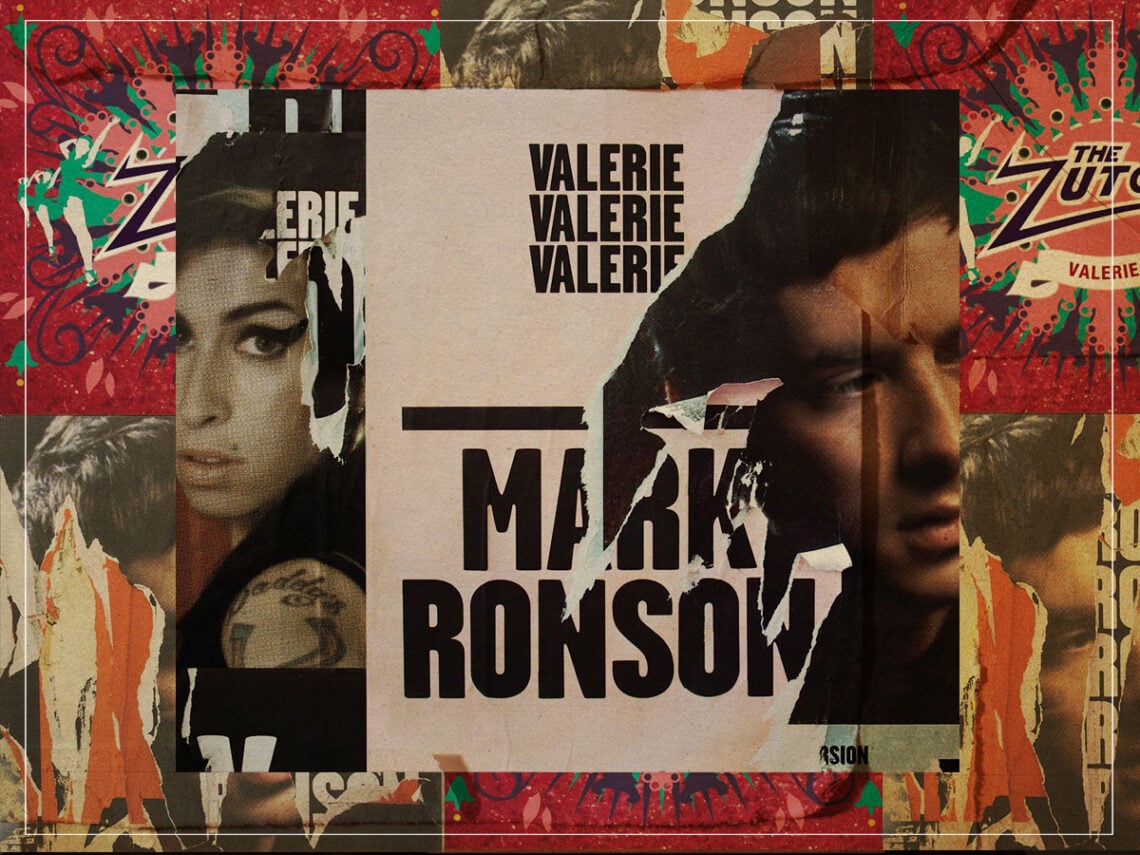
The Zutons’ ‘Valerie’ was big. A colourful soul thumper that stood apart from the indie rock swagger that clogged the British music climate at the time, but just like The Thing, ‘Valerie’ would take on a new and much deadlier form, spreading its ubiquitous pop hex in ’07 with producer Mark Ronson and jazzy contralto icon Amy Winehouse‘s immortal cover. The third single off Ronson’s Versions, it was this duo’s rendition which ultimately eclipsed the original played absolutely everywhere and serves as the definitive version when performed, be it half-decent pub band or a cocktailed murder on a hen do.
So why the enduring appeal? Just like The Zutons’ distinct sonic presence when dropping ‘Valerie’ the year before, there was little Stax and Motown flavours in the charts at the time. Ronson’s retro-soul appropriations of Radiohead or The Smiths extracted the pop sensibilities that shone within ‘Just’ and ‘Stop Me If You Think You’ve Heard This One Before’ and coated them with a pleasing dance presentation rid of all the bothersome indie fronts which left would-be party goers cold. Despite a music taste firmly fixed in the early 1960s, Winehouse counted herself as a ‘Valerie’ fan and suggested the cover to Ronson, one of the final studio sessions for Versions to take place.
A distinguishing feature of Winehouse’s powerhouse neo-soul voice was the grit and melancholy that quivered when at her wounded R&B best. Like Billie Holiday or Nina Simone before her, the frisson of pain that ached on ‘Rehab’ or ‘Back to Black’ seemed to ebb on the joyous cover of ‘Valerie’, a chance to enjoy her expressive vocals at its most carefree and brightest. While critical acclaim will point to Back to Black as her defining work, it’s ‘Valerie’ that will likely live on in the popular consciousness.
The song’s original author has expressed a complicated relationship with the eternal sing-a-long. “I certainly have to try hard sometimes to not think about ‘Valerie’,” McCabe told The Scotsman in 2008. “The days it’s in my head are when I have to put down the guitar and just forget about writing.”
