


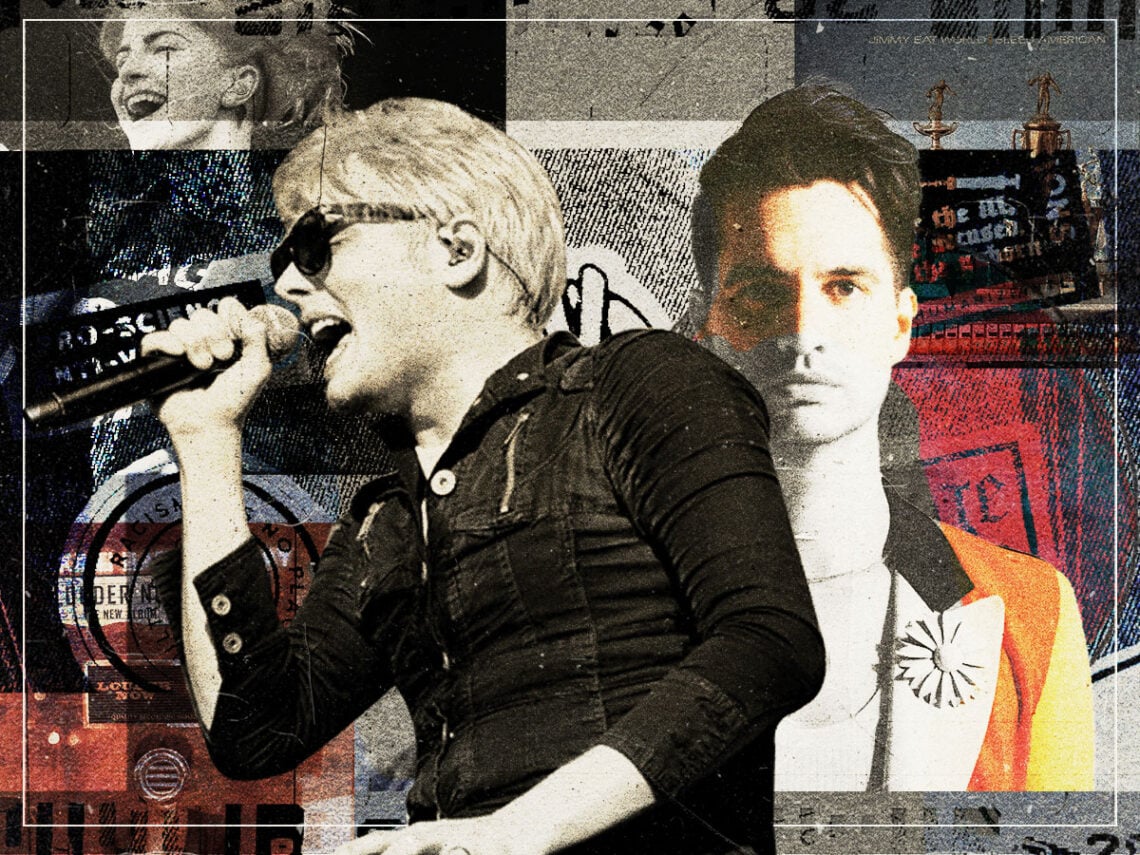
Why do we keep failing to revive emo culture?

Rewinding the clock by over a decade, a significant portion of society found themselves either immersed within the embrace of the emo subculture or positioned on the periphery, casting a critical eye upon it.
Yet, irrespective of which side of the spectrum you occupied, the origins of this phenomenon often eluded common understanding. To unravel the intricacies of the emo movement, it’s first essential to pinpoint the factors that propelled it to stand as one of the final bastions of prominent subcultures.
In the 1990s, emo was dispersed across alternative, indie, punk, and pop bands, with artists like Jimmy Eat World and The Promise Ring reigning supreme. As a concept, it garnered a dedicated following with its distinctive aesthetics and musical sound that also caught the eye of many record labels, with some even specialising in the genre. Later, a few years into the 2000s, emo culture arrived in the mainstream, becoming a definitive new wave that would leave a lasting impact on many.
During this revival, many aspects of emo were still reminiscent of the ’90s, playing on themes like social alienation, introversion and angst. Superficially, adopting an emo persona in the 2000s revival entailed embracing various visual hallmarks akin to gothic aesthetics: an ensemble veiled in dark attire, the long black hair covering one eye, and a love for alternative consumerism.
Yet, the essence of this wave of emo fundamentally carried nuances that set it apart – one of which was a distinction that lay primarily in the realm of music. Emo’s melodic tapestry was woven with a distinct purpose, delving intimately into emotional landscapes through lyrics that often bore the weight of personal confessions and raw sentiment.
Following the success of bands like Jawbreaker in the ‘90s, My Chemical Romance, Panic at the Disco, Fall Out Boy, and many more emerged, which contributed significantly to the movement and its enduring popularity in the years to come. This marked a huge reinvention of the subculture as something that very much became an entity in its own right, melding the fatalistic allure, theatrical sensibilities, and isolating introspection reminiscent of indie rock intertwined with the unyielding and dramatic worldview inherent in hardcore punk.
In truth, if you didn’t come of age during the throes of the emo phenomenon, conveying its essence from an internal vantage point becomes a challenge. Essentially, emo served as a sanctuary for those who struggled to find their niché amid prevailing currents. This was most pronounced within the school settings, where social factions naturally gravitated towards the ‘popular’ label. Almost mysteriously, emo surfaced as an unanticipated haven, extending its inviting embrace regardless of whether you fully aligned with its shadowed inclinations or not.
Whatever the reason, this unquestionably marked the final surge of emo’s prominence. However, its vitality hasn’t been extinguished; instead, it has meticulously evolved from the commanding force that it once was. This shift could potentially be attributed to the march of technological progress and the saturation of the contemporary music landscape: genres function as a framework for cataloguing individuals and concepts into groups, and in its prime, emo thrived by offering a safe space for those who felt themselves societal outliers – a realm where they could unabashedly articulate their identities.
Viewing things through that lens, perhaps it’s not that emo’s potency has diminished but rather that it has undergone a transformation, adapting to the changing currents of culture and time. My Chemical Romance, Fall Out Boy, and Paramore continue to grace stages across the world, but their musical landscape has arguably shifted from its earlier angst-drenched contours, inching closer towards other genres. Reviving the subculture’s appeal seems a daunting proposition, therefore, mostly due to the rapid pace at which time has passed, making it questionable whether it would even be embraced with the same gravity.
To add to that, the exact moment when emo transformed into an artefact of nostalgia marked its solidification as a historical phenomenon. At times, past trends do reemerge, and traces of emo’s essence still endure in specific ways. Nevertheless, even torchbearers of the movement, such as My Chemical Romance, acknowledge the allure of days gone by.
Their song ‘The Kids From Yesterday’, despite initially being released in 2010, has become anthemic of the passage of time, striking a chord with many fans of the band, resonating deeply as a testament to the shared experience: “When we were young we used to say /That you only hear the music when your heart begins to break.”
Lyrically, the emo movement warrants overdue credit for its unflinching authenticity in addressing personal and mental turmoil. Upon its ascent to the mainstream during the 2000s, it stood as a vivid counterpoint to the glitzy, Britney Spears-inspired pop aesthetics. Amid the landscape where melodies extolled romantic bliss and harmonious bonds, the raw and sombre realism of emo emerged as a stark contrast. Unafraid and unyielding, these groups boldly articulated the complexities of mental health, anger, oppression, and a myriad of weighty topics, shunning the veneer of optimism that often enshrouded pop music.
Ultimately, while a complete resurgence of the emo movement might be difficult, its influence continues to shine across a diverse spectrum of modern artists and genres. In contemporary times, it’s often laughed at as a culture intertwined with the “MySpace days”. Many remember logging into the social media platform, greeted by at least one profile picture of someone sporting an emo fringe.
At the same time, while many of us derive amusement from its legacy, the essence of emo carries a certain beauty, stemming from its ability to inspire introspection and engagement with diverse emotions and interests. It ventured into subjects and concerns that had remained largely uncharted within mainstream discourse. It’s interesting to wonder whether contemporary artists and music would display such openness about these issues if not for emo’s influence.
We don’t keep failing to revive emo culture; we never wanted one because it already exists everywhere, in various forms.
