


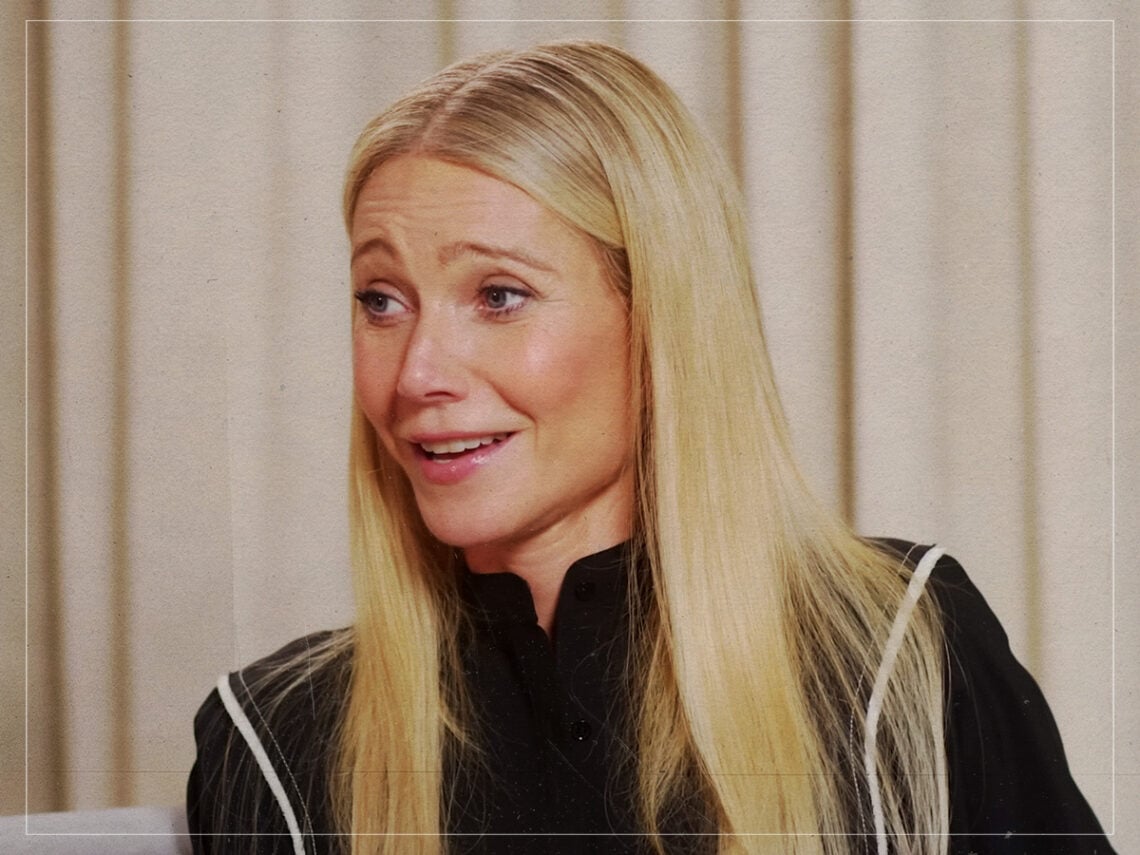
The visceral war movie that wouldn’t exist without Gwyneth Paltrow: “You’ll be shocked”

For a million obvious reasons, when you think about cinema’s most vivid, visceral, and haunting depictions of wartime combat, Gwyneth Paltrow will not be the first name that comes to mind.
She’s never been in a war movie, for one thing, unless you want to count Sky Captain and the World of Tomorrow, which you probably shouldn’t, with the alt-history blockbuster inspired by World War II-era adventure films, but unfolding in a version of 1939 where German scientists are a different kind of evil.
The Academy Award winner has also been semi-retired for the last decade and a half, and when the dust and blood-covered picture that wouldn’t exist without her was released in cinemas to widespread acclaim, she was hitting the festival circuit and shagging Timothée Chalamet onscreen in Marty Supreme.
Of course, filmmakers can draw their influences and inspirations from the farthest and widest corners of the cultural spectrum, but even at that, the self-styled wellness guru who shills vagina-scented candles doesn’t jump out as the shining light behind a bullet-riddled, nail-biting, and nerve-shredding 95 minutes.
And yet, Warfare co-director and screenwriter Ray Mendoza dropped a bombshell when revealing that if it wasn’t for a Paltrow-fronted romantic comedy that recouped its budget ten times over at the box office and ingratiated its title into the cultural lexicon, he and Alex Garland’s A24-backed thriller may not have happened.
“I think for the film, I don’t just watch war films,” he explained. “There’s a film I could name that you’ll probably be shocked. It’s called Sliding Doors. That movie has resonated with me more than any other movie, ever. And so, I go to movies if I want to laugh, if I want to cry, if I want to be inspired; it is an experience, right? Life’s a series of moments.”
Warfare, which unfolds in real-time and dramatises real events experienced by former Navy SEAL Mendoza and his squad during a November 2006 encounter after the Battle of Ramadi, was his first experience with the movie industry, and the film was celebrated for its no-frills, no-nonsense, and no fat on its bones narrative, basically the opposite of Sliding Doors in every sense.
A combat veteran and first-time filmmaker writing about what they know makes sense. However, a combat veteran and first-time filmmaker naming Sliding Doors as the single most formative feature they’ve ever seen is decidedly less so, and the emotional gamut he was put through by the frothy 1996 caper inspired him to take audiences on an emotional journey of their own in Warfare.
It goes without saying that it’s virtually the polar opposite emotional journey, but that doesn’t detract from the bizarre fact that if there was no Sliding Doors, there may not be a Warfare.
