


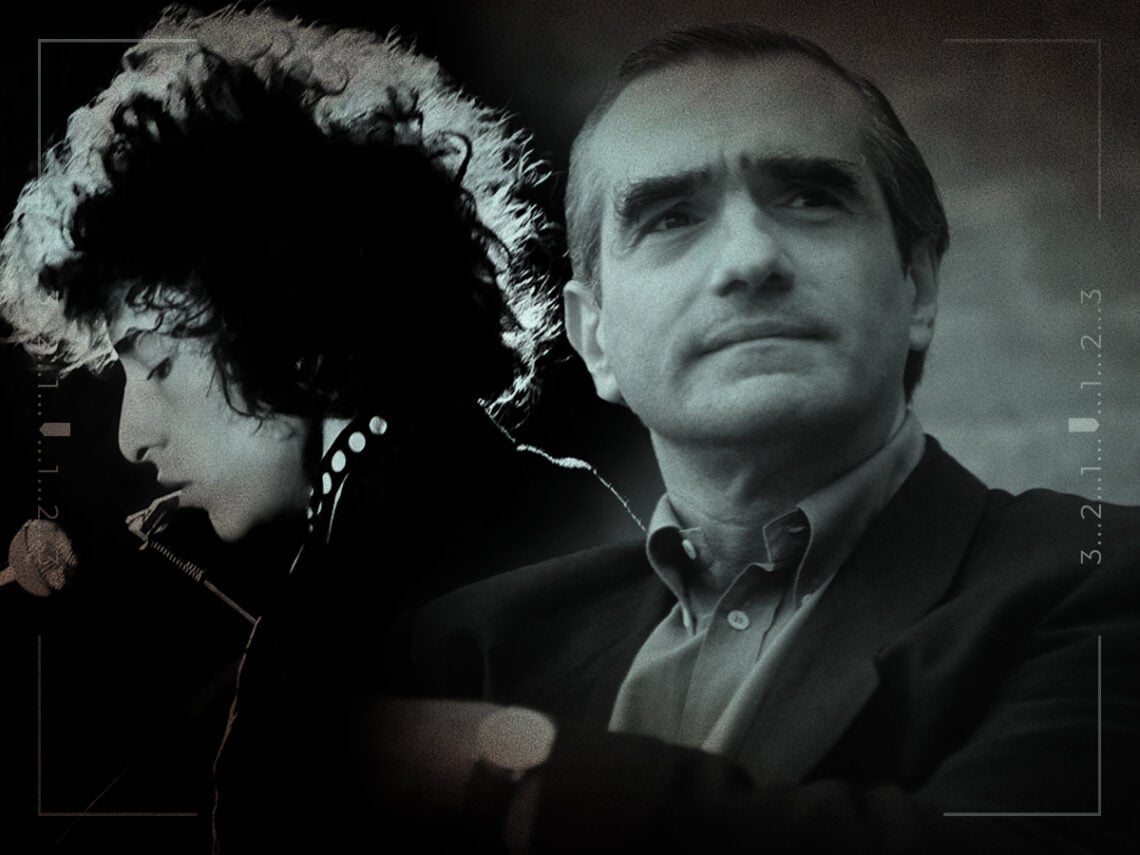
“The lyrics are beautiful poetry”: the band Martin Scorsese called Morocco’s answer to Bob Dylan

For differing reasons, three musical acts have come to define Martin Scorsese on both sides of the camera: The Band, the Rolling Stones, and Bob Dylan.
In the former’s case, he documented their so-called onstage swansong in The Last Waltz, and while his relationship with Robbie Robertson predated the picture, it only brought the two closer together, and they’d remain firm friends and frequent collaborators until his death in August 2023.
His attachment to the Stones pretty much speaks for itself, with the legendary rock band’s tracks becoming woven into Scorsese’s cinematic folklore, from ‘Jumpin’ Jack Flash’ in Mean Streets to ‘Gimme Shelter’ in Goodfellas and The Departed, never mind his acclaimed concert film, Shine a Light.
As for Dylan, the pair aren’t what anyone would call the best of friends, mostly because Scorsese admitted back in 2019 that they hadn’t spoken to each other for 20 years, but No Direction Home and Rolling Thunder Revue nonetheless made him an authority on depicting the iconic musician’s career onscreen.
Dylan is one-of-a-kind, and for every ten warblers who come along and find themselves tagged as ‘the new Bob Dylan’ by the media, regardless of whether it’s warranted or even makes sense, nobody has ever come close. Apart from a Moroccan band, if you’re one of the greatest directors in cinema history.
Reflecting on the arduous, agonising journey to bring 1988’s The Last Temptation of Christ to the screen, Scorsese revealed that he “came up with a lot of ideas from listening to a great deal of Moroccan music by a group called Nass El Ghiwane.” Not household names, but influential in their own right.
They were pioneers, becoming the first Moroccan group to use Western instruments in their music, marrying the old with the new by combining those groundbreaking recording techniques with influences that stretched back centuries. Not very Dylan-esque, you might think, but Scorsese would disagree.

“It’s not really rock and roll at all, but a famous group in Morocco, their equivalent of Bob Dylan, in a way,” the Oscar-winning legend elaborated. “The lyrics are beautiful poetry, and they could apply to any religion, any time.” Being called Morocco’s Bob Dylan is a ringing endorsement if ever there was one, especially if it comes from someone as knowledgeable as Scorsese.
Obviously, experimental Moroccan music and Dylan’s signature sound don’t have much, if anything, in common on a sonic level, but in terms of transforming the local musical landscape and leaving behind a legacy, he’d gladly put them on an even keel.

Never Miss A Tale
The Far Out Bob Dylan Newsletter
All the latest stories about Bob Dylan from the independent voice of culture.
Straight to your inbox.