


Vinyl’s days are numbered: CDs are the future of music listening

The immediacy of streaming is a sensation that, once incorporated into your day-to-day life, is extremely difficult to detach from.
As of late, countless articles have been written advocating for a shift backwards to “analogue” media: physical media that would allow for the literal detachment of ourselves from our screens, in an era where seemingly every function of life is dominated by our handheld computers. When it comes to music discovery, the dominance of the internet is no different. We all understand the double-edged sword of a chosen music streaming service: instantaneous access to millions of songs and curated algorithms seemingly perfected to feed us with both familiar and new favourites – with the caveat of a monthly fee and the question of how artists are being supported, financially.
I would be remiss to not admit that many of the artists whom I now consider to be favourites were introduced to me through such platforms, whether that be through a streaming service algorithm or in the background of a video posted to social media, but after a while, I’ve realised that the experience of finding and listening to music has become instantaneous in a way that is no longer satisfying… How can we retain the delight in listening to a favourite artist, or finding a new fixation, while giving our eyes a break from the blue lights of our screens?
This is where the beauty of physical media can come into play. As modern culture continues to contemplate how a return to tangible discovery can occur in the digital age, such physical forms have routinely been brought back into the conversation. Seeking a potential removal of screens from our routines, discourse suggests a return to the tactile: reading physical hardbacks and paperbacks over a digital e-reader, for instance, or using a notebook and pen instead of typing into an app, the goal is to turn media consumption into a tactile experience once again, delaying the instant gratification of streaming in favour of curating a memory, rather than a fleeting moment.
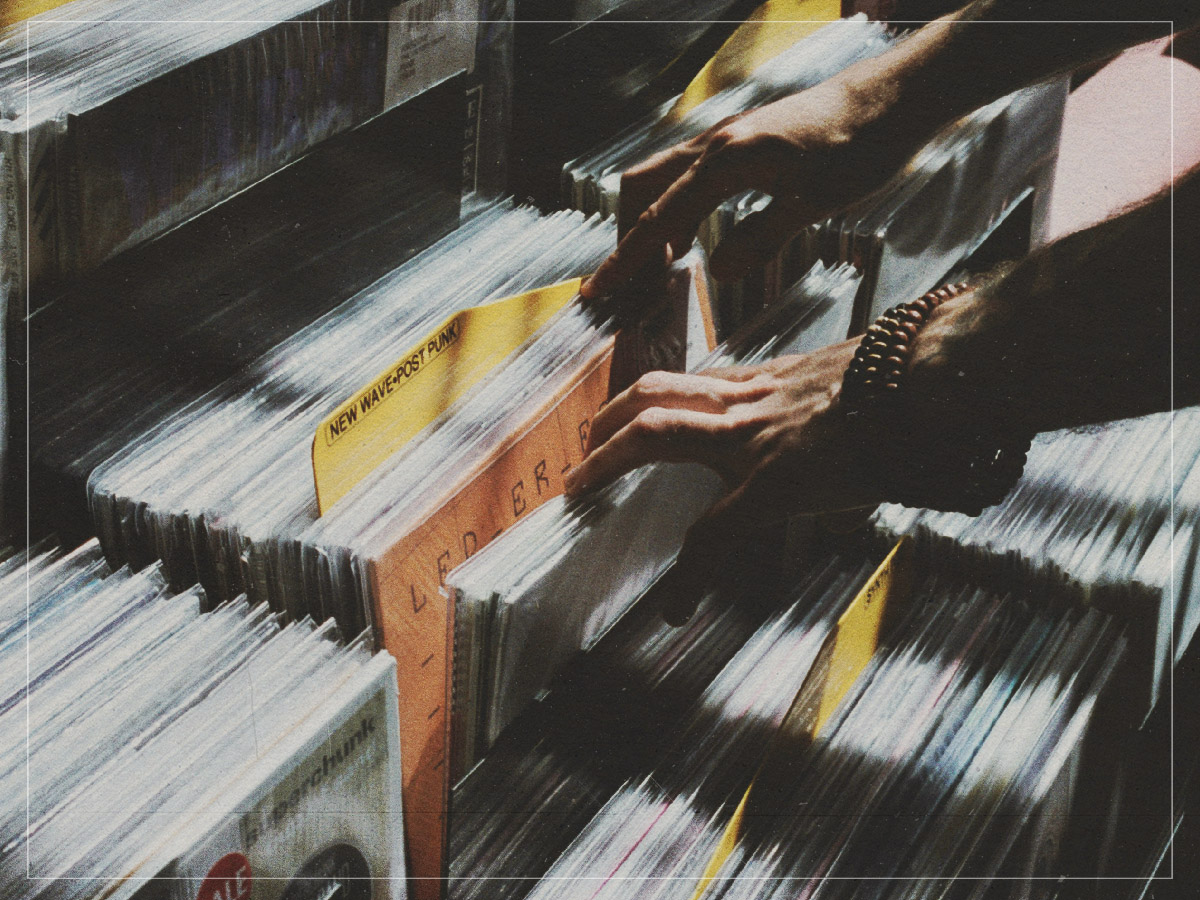
Vinyl sales continue to grow, both in the UK and internationally, since its initial resurgence in the late 2000’s. For the last 18 years, vinyl has seen a significant wave of sales and last year, its sales (alongside the sale of CDs and cassettes) grew by 1.4%, showing growth for physical media, overall, for the second year in a row. In the UK in 2022, vinyl outsold CDs for the first time in 35 years, and nowadays, thanks to the revived interest in the vinyl format, it is not uncommon to see multiple variants of an album pressed on limited-edition colourways, with alternate album covers and more, emphasising the collector’s appeal of owning a physical album.
I adore the transportive experience of carefully placing a vinyl record onto a turntable, watching it spin and attempting to fathom its grooves. But, I’d like to make a case for vinyl’s humble sibling, the compact disc, as its successor as the favoured physical media revival.
While I recognise that CDs are, in fact, a digital form of media, I see them as occupying an interesting space between physical and digital; while not quite analogue, the CD has the novelty of being physical media that would allow music listeners to have separation from their screens, if they chose to do so. On a practical note, the portable possibilities of a CD are most appealing.
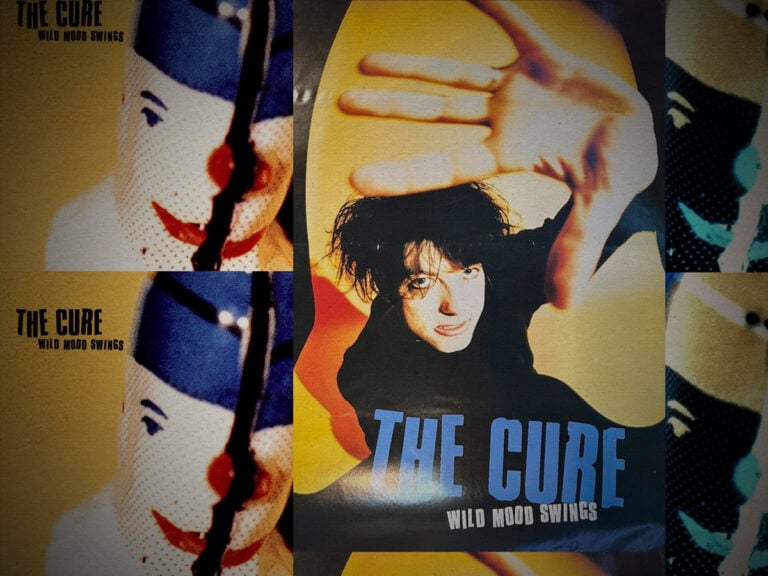
The physical appeal of vinyl rivals the metallic sheen of a CD, but the idea of taking a CD on-the-go outweighs the vinyl’s inability to do the same. If you are so fortunate to get your hands on a portable “Discman” (popularised by Sony in the 1980s with an abundance of iterations that followed), then you’re sorted. If you own a stereo that utilises the option to play a disc, even better. Opting to remove any streaming services from your phone and import your CD collection to your phone’s music library is a great option, too.
Whether CDs are brought with you as part of your daily routine, or played on speakers at home, the opportunities to consume music through a tangible form and allow yourself the sense of delayed gratification in music discovery are, arguably, more rewarding than the instantaneous.
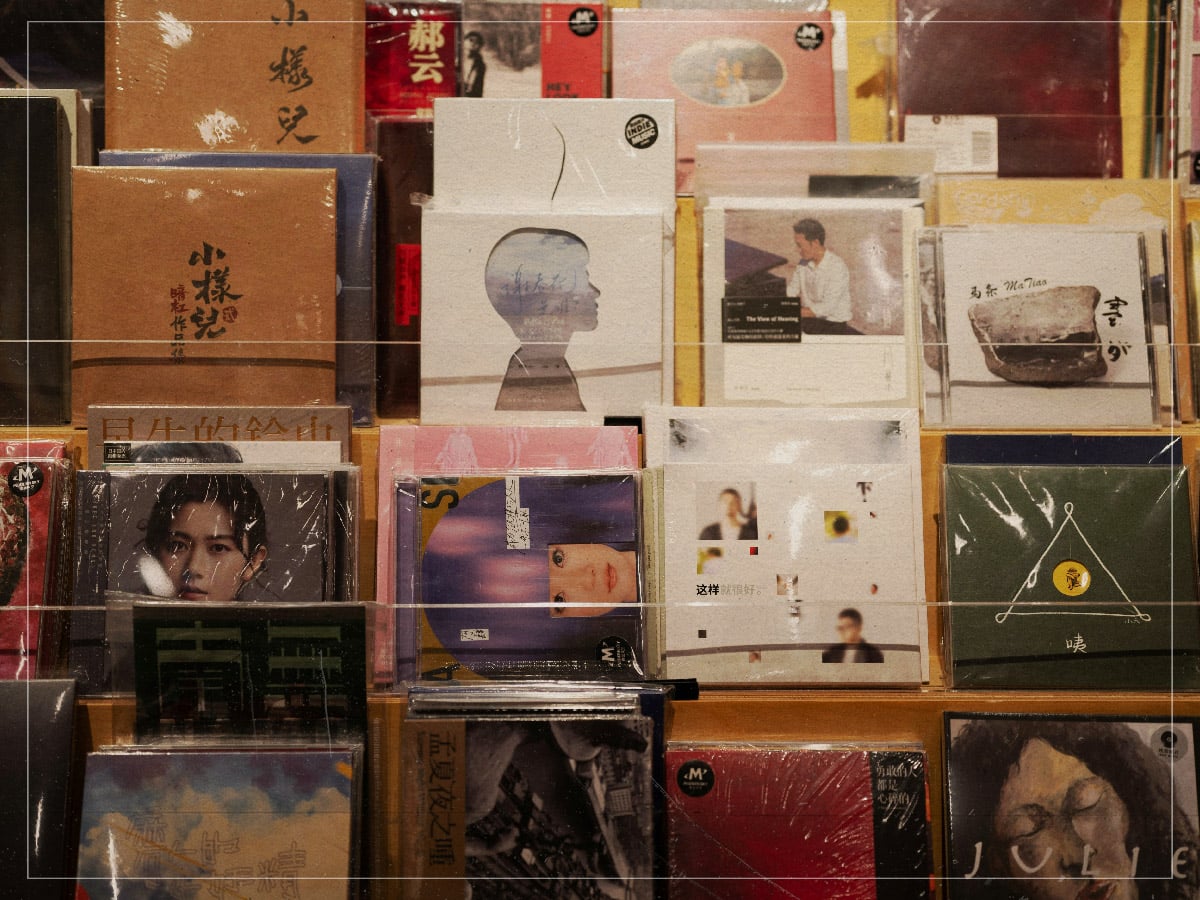
Where vinyl variants have become commonplace on account of their resurgence, I’m curious to see how far a CD format can expand beyond its common “standard” disc, as well. Artists have taken to publishing expanded CD editions of their albums in physical form, often with a coinciding photobook and lyric sheets alongside the literal disc, which has allowed fans to collect new music in a physical form that diverges from a vinyl exclusive. That very “exclusive” element remains, too, as the joy of obtaining a unique version of an album is central to its appeal.
Of course, from sustainable and affordable lenses, there is always the option of buying CDs at a favoured charity shop, record store or online thrifting, where both new and used CDs proliferate. There are few greater thrills in life than that of scouring the shelves of CDs at a shop to find a favourite artist’s album, waiting to be brought home. There is space for discovery in purchasing a physical CD, as well. While books are not to be judged by their cover, albums possibly can (to an extent, that is). There is also a joy in recognising a cover that feels familiar, but has yet to be listened to; holding the CD case in your hands is, then, the perfect excuse to do so.
Where CD booklets have become something of a lost art in the media’s decline in popularity, it is a joy to see them returning as CDs slowly re-enter the conversation. There is a beauty in being able to flip through curated photographs, lyrics and liner notes that is unmatched (though found similarly in vinyl sleeves, it is not quite the same format).
Scrolling on TikTok and Instagram, it is gratifying to see people embrace the CD format and expand their collections. More than just the sensation of listening to music in a physical way, there is the reclamation of personal taste from the control of algorithms and, in turn, a tangible cataloguing of what individuals enjoy most. As the internet’s unpredictable nature dictates our access to media archives – not just music, but also films, books, magazines, and all other forms of digitised media – the autonomy in owning a physical copy of your favourite album means that your access to it can never be stripped away.
The so-called “yearning for physical media” (as it is often referred to in social discourse) is not just a growing trend, but a hope to have a sense of power over consumption. Any and all forms of physical media are a revelation in the digital age, and hopefully, the return of the CD sees steady growth.
