


‘After Hours’: The Velvet Underground song that birthed 2000s twee indie

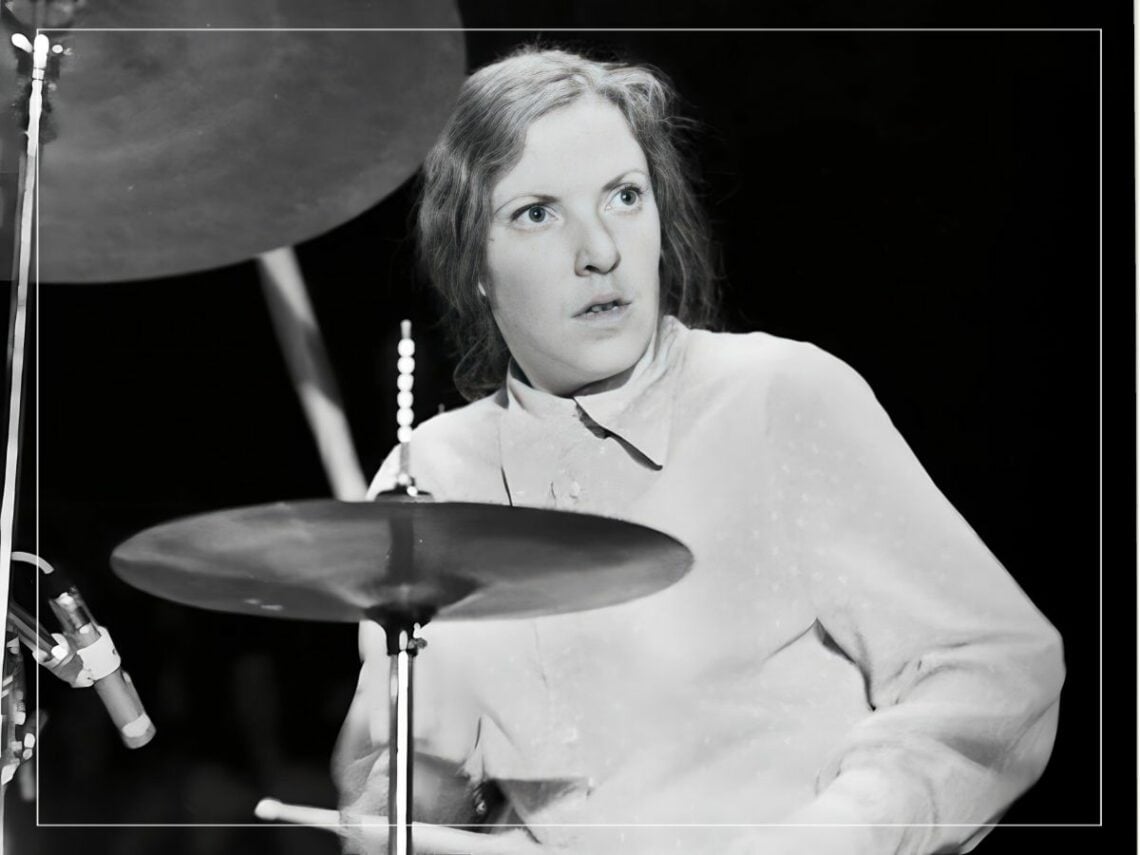
“If you close the door, the night could last forever,” Moe Tucker sings on The Velvet Underground’s ‘After Hours’. With a raw vocal, bittersweet lyricism, timid energy and a distinct twee edge, the track doesn’t sound like any other song from the band. Instead, it sounds like some 2000s indie track that would be well placed on the soundtrack of Juno.
Without prior knowledge, anyone would be forgiven for not realising this track is a Velvet Underground effort. Sitting on the band’s 1969 self-titled album, it’s worlds away from the songs people most commonly associate with the group. It lacks the boisterous energy of the era captured on ‘Rock N Roll’ or ‘Sweet Jane’. There is no experimental, artistic edge like on ‘Heroin’, ‘Venus In Furs’ or the wild ‘Sister Ray’. Lou Reed’s gruff voice is nowhere to be found, and the lyrics feel too simple, plain speaking and innocent to be his. It has none of the markings of the group, standing out as an anomaly in their discography.
When listening now with fresh ears, ‘After Hours’ feels too modern to be theirs. The vocals are crisp; the instrumental is still fresh, and, mostly, the energy of the song is less like a 1960s rock tune and more like a 2000s indie track that should be sung by some Zooey Deschanel-type figure wearing loafers and posting about it on Tumblr.
Or, more so than that character, the song feels like a Kimya Dawson creation. It better suits The Mouldy Peaches’ anti-folk world than the dark, artistic universe of The Velvet Underground. The track is too light, too breezy, and too simple to fit in there.
But while that gloomy sound was the inspiration that launched a thousand rock bands, referenced time and time again by acts within the realms of rock, grunge, post and modern post-punk. ‘After Hours’ comes across as the start of a path that led directly to that specific brand of 2000s indie.
Heavy emphasis is placed on the word ‘specific’ there. When thinking broadly about 2000s indie, people most commonly get sidetracked by The Strokes, Arctic Monkeys or any of the more rough-and-ready, boisterous rock outfits. But we’re talking about the artists on the fringes and the strain of the sound that awkward, artistic, cutesy kids were making. We’re talking specifically about twee, defined as being “excessively or affectedly quaint, pretty, or sentimental”, which is exactly how ‘After Hours’ sounds.
The track, and more specifically Tucker’s vocal, is directly comparable to artists like Dawson, Camera Obscure, Belle and Sebastian, She & Him, Marine Girls, Heavenly, and so on. Their voices carry the same sweet energy as Tucker’s, moving between gentle, characterful singing and a light spoken word edge.
But even beyond the musicality of the song, the lyrics, too, feel incredibly contemporary, plucked from some 2000s coming-of-age film. The track tells the story of a timid narrator looking in on a party, watching neurotically as they’re stuck in their awkward introversion. “All the people are dancing, and they’re having such fun / I wish it could happen to me,” Tucker sings. It’s the same character that led the way in 2000s indie cinema as figures like Elliot Page’s Juno, Deschanel and Joseph Gordon-Levitt’s characters in 500 Days Of Summer, the outcasts in Napoleon Dynamite and the best friends in Ghost World were never the outgoing, popular kids. Instead, the era became obsessed with precisely the type of person in the Velvet Underground’s song, giving a voice to the awkward, shy person on the outskirts.
1960s rock and roll was never about that person. It was about glory, artistry, and an almost divine sense of confidence. So, ‘After Hours’ not only stands out in terms of its musicality, but its energy also sticks out as something subtle outside of the rock lineage but firmly planted in the path that led to 2000s twee indie.
