


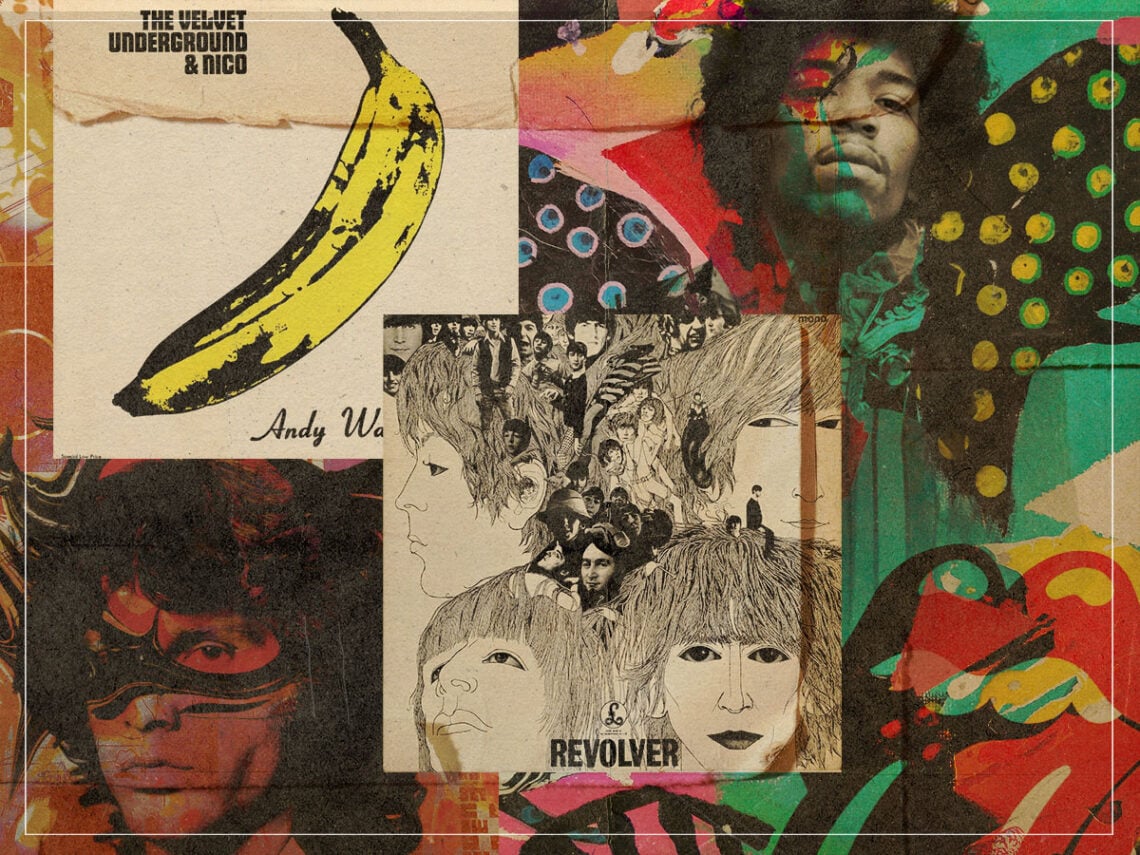
Which 1960s band has influenced contemporary music the most?

The influence of the 1960s runs deep through contemporary music. From the development of now-standard recording techniques to the realisation of the album as a cohesive artistic statement, many of today’s music industry norms can be traced back to that era. The 1960s were marked by bold experimentation and innovation, with the creation of groundbreaking sounds and cultural milestones that shaped modern life. Central to this transformative period is one band that embodies its very essence: The Beatles.
Undeniably, what the Fab Four did for music changed society and the industry forever. Initially drawing inspiration from the rock ‘n’ roll pioneers who preceded them, The Beatles achieved monumental success, sparking the Beatlemania frenzy—a cultural phenomenon that dwarfs even today’s fanfare around stars like Taylor Swift. However, it was in the second half of their career, as they ventured into more experimental territory, that they made their most groundbreaking contributions and left an indelible mark on music history.
Aided by their embrace of the era’s favoured drug, LSD, and their genuine indifference to public opinion—exemplified by John Lennon’s infamous remark about the group being “more popular than Jesus”—The Beatles broke from the norm and rewrote the rulebook. Their innovations spanned every facet of music creation. They pioneered the use of the studio as an instrument, a concept that has since evolved to the point where music production is often done entirely on laptops, without traditional instruments. Paul McCartney’s intricate basslines, the gritty, interwoven guitars on ‘And Your Bird Can Sing’ that heralded the advent of alt-rock, and their expansive psychedelic explorations on Sgt. Pepper’s are just a few examples of their groundbreaking achievements. Their legacy is unparalleled, with a list of accomplishments more extensive than that of any other artist.
Put it this way: The Beatles remain the world’s most popular and successful group, even managing to secure a number one with their final single, ‘Now and Then’, a staggering 53 years after their breakup. This global smash hit is a testament to the enduring appetite for a band that disbanded over half a century ago, with two of its members no longer alive. Their continued influence underscores their unrivalled status as exhibit A in the musical pantheon. Hypothetically speaking, if you were to erase The Beatles from history, life as we know it would be profoundly different. The ripple effect of their absence would mean that countless artists, from Nirvana to Billie Eilish, might never have existed or developed in the same way. Their impact is so deeply ingrained in the fabric of music and culture that imagining a world without them is almost inconceivable.
Although The Beatles’ effect cannot be understated, the world often gets trapped in this linear narrative. There was much going on outside of the Liverpudlian group, and while their key innovations were the most commercially and critically successful of their time, leading to their transcendent nature, they certainly weren’t the most stark or bold, despite what Christian America thought about Lennon’s Jesus remark.
Take David Bowie, for example; as one of music’s most innovative figures, he offers a unique perspective. Bowie deeply understood The Beatles’ commitment to constantly challenging themselves—a lesson he embraced and took even further. Bowie not only witnessed The Beatles’ profound impact on both life and music but also collaborated with John Lennon on the hit ‘Fame’. His long-standing success in the industry allowed him to fully appreciate the lasting influence of the Fab Four.
In 1996, Bowie gave one of his most sagacious interviews. In it, he claimed The Velvet Underground’s influence is far more prominent than that of The Beatles’ in the contemporary world. Of course, this take is now old, but aspects still resound in a music world far removed from that of the Fab Four.

Reflecting on their influence and album sales, Bowie opined: “Bands like the Beatles [who] were so extremely large in terms of what they sold and the influence they had” clearly had an impact back then, but “very little of their influence is actually felt now”.
Discussing the groups who enacted absolute artistic change in the 1960s, Bowie asserted: “It was the fringe, strange bands that nobody ever bought, like the Velvet Underground, that actually have created modern music. And you kind of think, where’s ‘Yesterday’ in all this? Where’s its influence on modern music?”
Interestingly, Bowie then claimed that The Velvet Underground’s ‘I’m Waiting for the Man’ from their 1967 debut influenced music more than The Beatles’ hit ‘Penny Lane’ from the same year. Inferencing Blur and Oasis, by saying some bands used trumpets and claimed to be inspired by the Fab Four, he maintained that the spirit of The Velvet Underground was actually what drove their creations.
Bowie’s final justification was highly compelling, and through today’s lens, it certainly rings true. He claimed: “Tomorrow’s culture is always dictated by the artists. So however many critics were saying how important the Beatles were, there were artists running around saying, ‘Yeah they’re okay, but have you heard the Velvet Underground?’ The artists make culture, not the critic.” Given the current dominance of Charli XCX’s Brat, it’s easy to understand his point.
So, which 1960s band influences today’s music?
Bowie had a point, but only to a degree. The 1960s saw a wave of innovators who pushed music forward beyond The Beatles, including legends like Jimi Hendrix and Led Zeppelin. While the Fab Four undeniably revolutionised mainstream music in ways that can’t be overstated, they were just the shining tip of the iceberg. Beneath the surface, a diverse array of experimentalists supported and elevated the decade’s musical landscape.
It’s interesting—most of these artists are often grouped under the classic rock banner, but The Velvet Underground stands apart. While undeniably a rock band, their deeply artistic approach, atmospheric sound, and focus on the darker sides of life set them apart from their contemporaries. The Beatles, though experimental and groundbreaking, were also commercial and adored by the masses—a luxury not typically granted to new, avant-garde bands.
The Velvet Underground made art for themselves and highlighted an inherent part of life that music had mostly ignored before, opting for gloss or tentative heaviness. Sonically and thematically heavy, their kinky, sordid and grim realism opened the gates for much of modern music’s concentration on these aspects, delving into the nitty-gritty with sounds to match.
Fat White Family, Wet Leg, Sam Smith’s ‘Unholy’, and even ‘WAP’—every aspect of modern popular music that analyses transgression and kicks back against social mores, regardless of sonic realm, can be traced to the brave strides of The Velvet Underground all those years ago. The Beatles might have typified ’60s experimentalism, but The Velvet Underground’s essence courses throughout daily life in a world where intrigue is celebrated and bad news abounds.
