


Outright silliness: the glorious return of 2000s campy comedies

Blooper reels, musical scenes, slapstick skits and outright, full-frontal silliness. In the early 2000s, comedy was at its most ridiculous and arguably at its best. With films like Bring It On, Napoleon Dynamite, and She’s The Man, the era’s comedic style has stuck around as a kind of nostalgic golden age, looked at as the moment before the world descended into deeper political and social darkness. But as maximalist comedy makes a return, maybe the glory days are back.
The trend has already happened elsewhere. Y2K is everywhere as low-waist jeans and Juicy tracksuits switch over from ‘not’ to ‘hot’. Musically, the impact of the 2000s is seen clearest in the maximalist hyper-pop production being used by Charli XCX, the Brit Pop air surrounding new indie bands or the outright bubblegum pop of acts like Sabrina Carpenter and Olivia Rodrigo as they nod to noughties heroes like Gwen Stefani or Britney. It seems that it’s come around again in cinema, too, as recent flicks like Bottoms or Anyone But You lean heavily into the laugh-a-minute, light comedy that used to rule the roost.
When thinking back to the leading comedic films of the ‘00s, they were camp, which is defined as “deliberately exaggerated and theatrical in style, typically for humorous effect”. They were all coloured with a distinct lack of consequence and a dedication to joy. They were built solely for entertainment on the foundation of a simple and silly premise: a failed rockstar pretending to be a teacher, a girl pretending to be a boy to play football, undercover cops acting like basic white girls, a loser running for class president. They were neat stories with just enough conflict to hook you in but with plenty of space to just be funny. They were more often than not set in common, relatable settings like schools or small towns. Everything about them either boosted their comedic value or hung back to let the jokes fly free.
In contrast, the top comedy films in the 2010s and onwards, or even in the second half of the ‘00s, saw a swing to more socially conscious or straight-laced stories. As recession roared on and the cost of living became smothering while the politics of the UK and the US, especially, worsened intensely with Brexit and Trump, and conflict continued around the globe, it seemed that viewers and filmmakers alike got bogged down by the state of things. In response, cynicism ruled. Political comedies, such as The Interview or The Campaign, became more common. On the other side of things, indie cinema leaned into the sense of apathy or strangeness in the air, with movies like Richard Ayoade’s Submarine or any number of Yorgos Lanthimos’ twisted stories.
Dark comedy became the favoured style, delivering humour with a hefty enough dose of sarcasm or social commentary to stay plugged into the overwhelming atmosphere of the world. But maybe what we all need now is escapism. As things continue to get worse, the pendulum appears to be swinging back in the opposite direction, letting comedies be meaningless romps again and returning to silliness as an antidote to social severity.
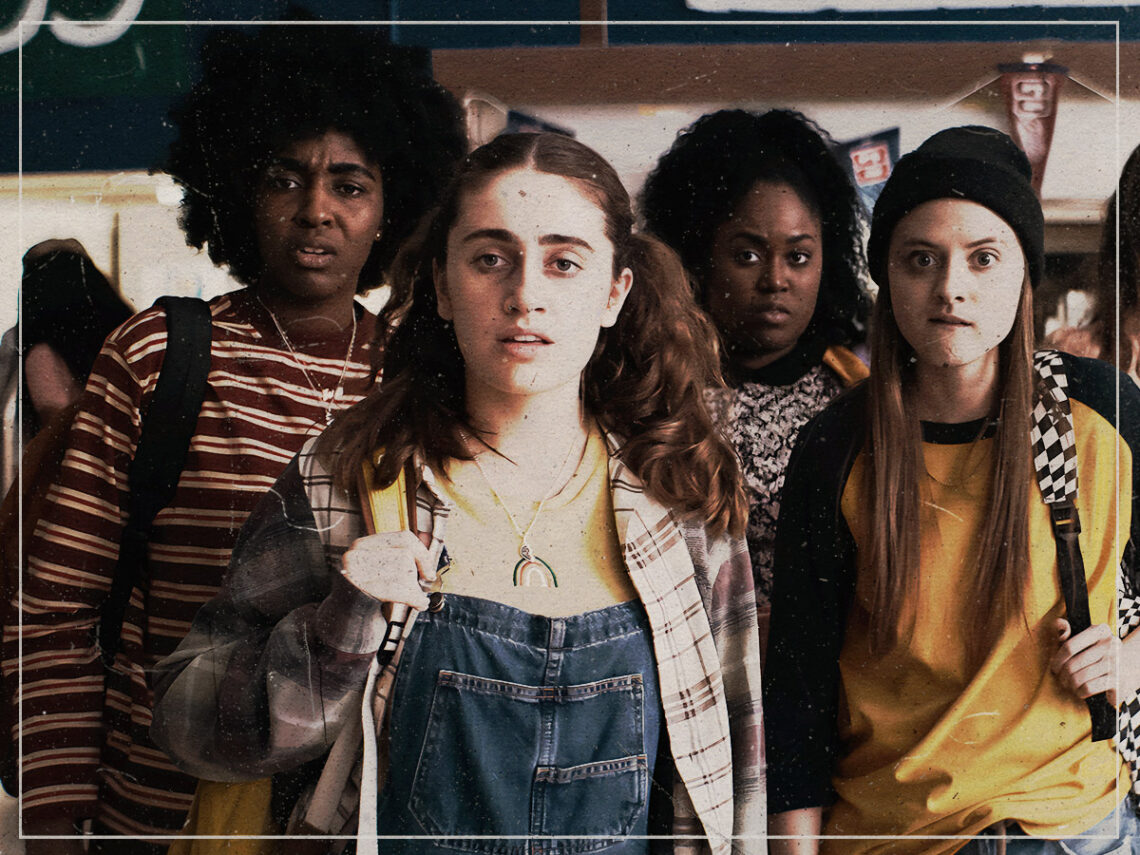
2023’s Bottoms is a perfect example, reminiscent of the older queer comedies like But I’m A Cheerleader. Everything about Emma Seligman’s comedy is maximalist and ridiculous. Even the synopsis of two loser lesbians starting a fight club in their high school warrants a giggle, and then as the film delivers joke after joke, with plenty of physical comedy and exaggeration pushed to the furthest extent, it’s stupid and undeniably camp, and it invites its audience to surrender to that. With its major success, it was clear that viewers were more than willing to.
Similarly, Sydney Sweeney’s recent rom-com Anyone But You felt like a return to the golden age of the genre with films like Bridget Jones’ Diary or How To Lose A Guy In 10 Days. With a simple premise of a pair of enemies pretending to be lovers, carried with stacks of jokes and incredible on-screen chemistry between the two leads, it simply feels like a foolproof, good and simple comedy that is silly and entertaining. It allows its viewers an hour and a half to turn their brains off, which is really exactly what the genre is all about. Scenes like the moment when the couple strip off to avoid a spider or their various side soliloquies revealing the reality of their relationship as they deceive their families lean into that over-exaggerated camp air that ruled 2000s cinema, returning to the success of that overtly optimistic and joyous form.
Perhaps we’ve all simply had enough of thinking about the state of things and no longer want our comedy to come along with commentary. Maybe everyone is nostalgic for the last good days or the innocence of the youth, looking for films reminiscent of that spirit. But either way, it feels like comedy is getting camp again, as cynicism is out and outright silliness is in.
