


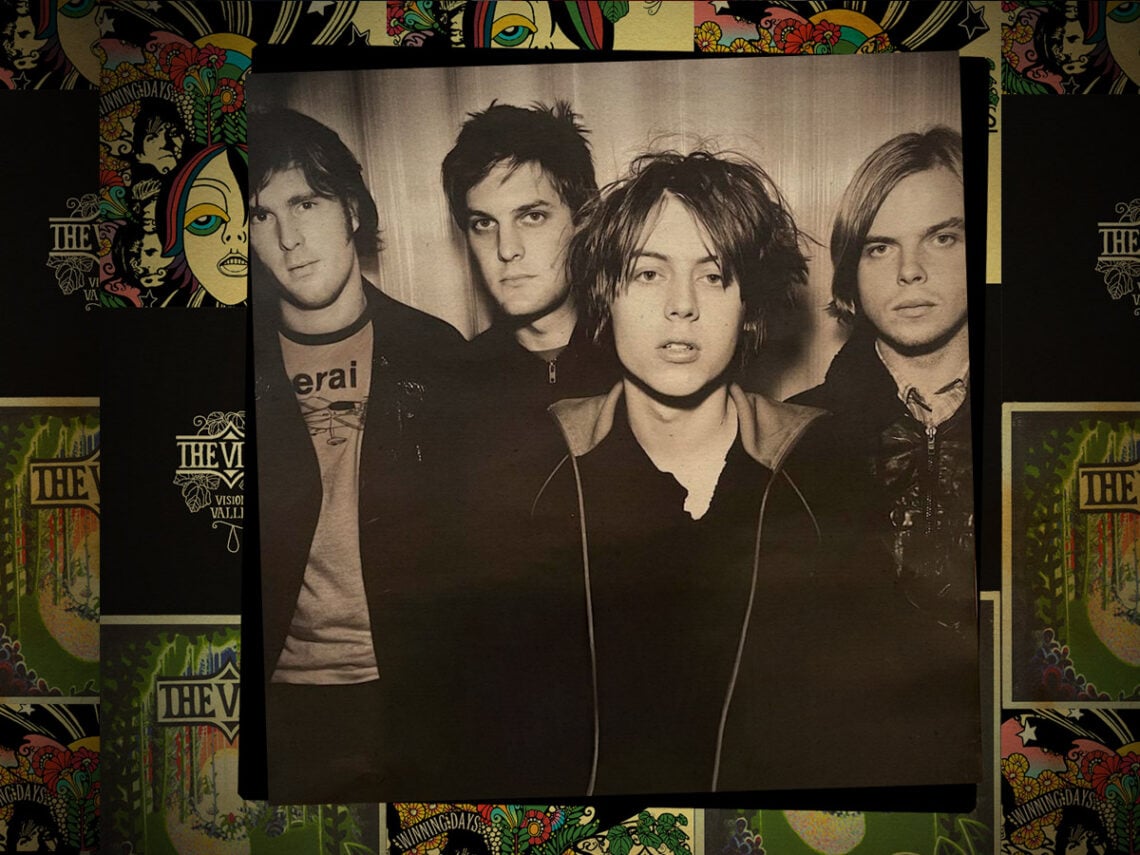
“We love him, and yet, we’re killing him”: The untangling of Craig Nicholls and The Vines

Before indie sleaze, before ‘stomp clap hey’, and even before MySpace music pages, the original saviours of rock and roll in the 2000s were the ‘The’ bands: headlined by The Strokes, The White Stripes, The Hives, and a rather plucky outfit from Sydney, Australia, known as The Vines.
Unlike the Seattle sound or the Madchester scene, these bands had no geographical link whatsoever, and their influences weren’t necessarily all that tightly aligned either, so what they really shared was an old-school sensibility, a back-to-basics, rough-and-tumble, garage-rock ethos that intentionally steered clear of the slick gadgets and computer tricks of the new millennium.
In some cases, the simultaneous rise of these bands and their constant comparison to one another grated on the musicians themselves, but Vines frontman Craig Nicholls, bursting onto the scene at the age of 24 with his group’s 2002 debut album Highly Evolved, didn’t mind so much, then telling the Boston Globe, “To tell you the truth, it’s a good thing for us. It’s exciting because we’re all new bands. So I don’t think of it as a negative thing at all. I don’t mind being bunched with them. We listen to and like these bands.”
Listening to Highly Evolved almost a quarter century later, it’s noticeably less reminiscent of those other early 2000s ‘rock saviour’ bands and a much closer cousin of post-Nirvana ‘90s alt-rock, powered by big, fast riffage, weedy atmospherics, and lyrical insecurity: “She never loved me / Why should anyone?” The hit singles were two minutes long or less, and the equipment was there to get wrecked.
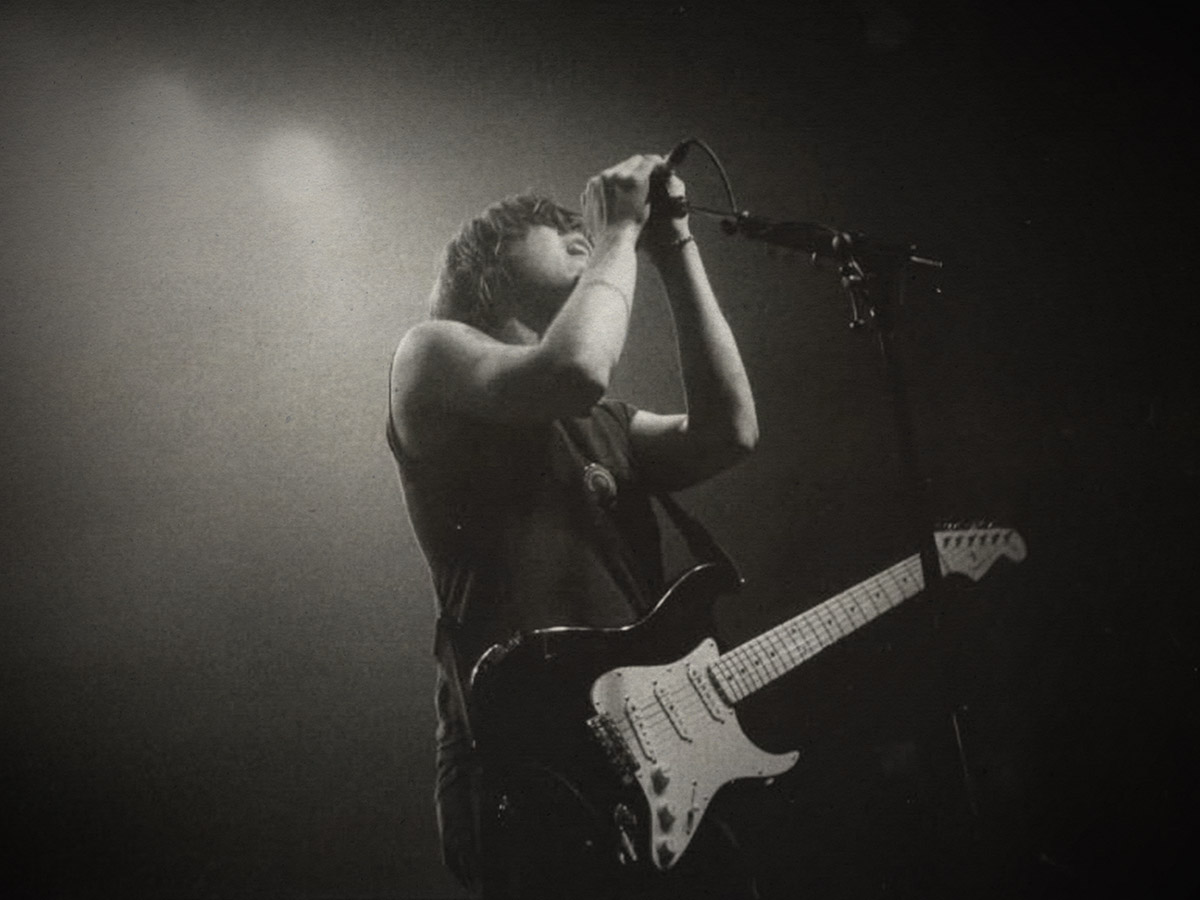
Nicholls’ biggest admirers often saw him as a Kurt Cobain-esque frontman, complete with his penchant for Beatley melodies and his delicate balance of sweet vulnerability and destructive power. On stage, it was the latter that tended to make the bigger impression, as Nicholls developed a reputation very early on for casting an almost maniacal energy, stalking the stage like a stoned leopard, throwing the gear around, and generally doing his best to let rock and roll’s old demons inhabit his soul.
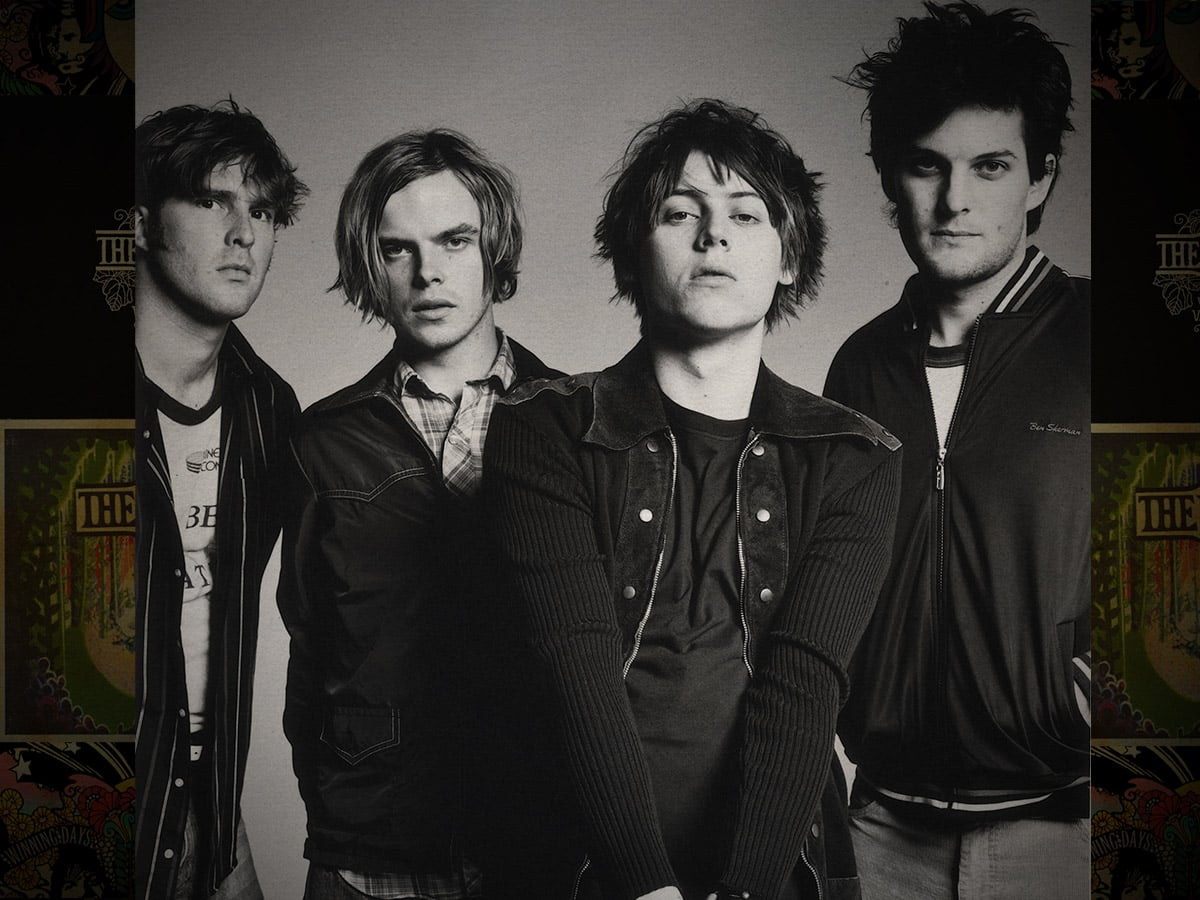
When a young Alex Turner saw the Vines in Manchester on that first 2002 tour, the future Arctic Monkeys frontman took plenty of notes, telling the Irish Independent in 2006, “I thought, ‘That’s what being a singer is all about. When we play, I’ll do what Craig Nicholls does, be all spaced out'”.
Nicholls was a little more than spaced out when the Vines made their US television debut on The Late Show with David Letterman in 2002. That performance, which provided most Americans with a very memorable introduction to the band, saw Nicholls have what appeared to be a legitimate nervous breakdown during the song ‘Get Free’, as he quickly veered off entirely from playing or singing the song in question, and began alternately screaming into the microphone and strumming randomly on the guitar as he rolled on the ground.
After the set, Letterman, clearly taken aback, asked his band leader, Paul Shaffer, “Is he alright?” referring to Nicholls.
“Can’t say, can’t say for sure,” Shaffer responded.
“Could be the West Nile [virus],” Letterman quipped.
Even at that point, a lot of Vines fans were defending the unpredictability and visceral nature of these performances, citing them as the antidote to the dreary, sterilised pop that had dominated the radio for the past few years. After a while, though, it soon became clear that Nicholls wasn’t merely leaning into a retro sort of Iggy Pop theatricality; he was dealing with something considerably more serious.
By the time the Vines started touring their second album, the ironically less successful Winning Days, Nicholls’ manager and bandmates began to awaken to this reality, as well, but it wasn’t always easy to be empathetic. During a 2004 gig in Boston, Nicholls physically attacked bassist Patrick Matthews in the middle of a song, and later, in Japan, he started berating his own fans in the audience, leading Matthews to walk off the stage in frustration, after which, when he was finally convinced to come back, Nicholls decided to leave the stage himself, creating an embarrassing scene that, thankfully, took place a few years before YouTube existed.
Returning home to Australia didn’t curb the trend. “Why the fuck are you laughing?” Nicholls shouted at a hometown Sydney audience during an intimate gig at the Annandale Hotel, “You’re all a bunch of sheep. Can you go baaa?!” He then charged toward a photographer by the stage, kicking and breaking her camera. Patrick Matthews quit the band on the spot, and Nicholls was later charged with assault.
While the mid-2000s weren’t exactly a lifetime ago, views on mental health have evolved considerably since then, and this may help explain why it took such a long time for anyone to question whether Craig Nicholls might have a reason for his behaviour, beyond being an irredeemable, constantly stoned asshole.
Following the potentially career-derailing events of the Vines’ 2004 tour, Nicholls’ guitar tech, Tony Bateman, approached the band’s management with a different explanation for the singer’s struggles. Shortly thereafter, Nicholls met with a medical professional who confirmed Bateman’s theory, diagnosing the former with Asperger’s syndrome, which today would be classified as level one Autism.
“Yeah, it made a lot of sense to me,” Nicholls said in 2006, “Just in my life and the experiences that I’d had, growing up and stuff. It was kind of a relief. It was more like an explanation”.
Nicholls’ autism didn’t directly cause his onstage antics, but it did help explain why the rock and roll lifestyle was such a unique challenge for him, as the constant travelling, intense pressure and scrutiny, and lack of structure and patterns pushed him into extreme social discomfort, making him almost dangerously reliant on smoking weed and eating fast food to ease his nerves.
“The guy who diagnosed Craig said his life consisted pretty much of the worst things you could do for someone in his condition,” The Vines’ manager Andy Kelly explained, “He really was in pain, and it was awful to watch. I used to sometimes think, on tour, ‘Are we gonna be the end of Craig? We love him, and yet, we’re killing him. Why are we making him go on tour when it clearly makes him so unhappy?’”
After his diagnosis, Nicholls gave up the reefer for a while, and he went back to work on a new Vines album, 2006’s Vision Valley. It was a major disappointment, only reaching number 71 on the UK chart and number 136 on the US Billboard. Its 2008 follow-up, Melodia, went largely unnoticed in shops and was raked over the coals by many of the same critics who’d once hailed The Vines as the next Nirvana. On the bright side, though, the band did start touring again and had seemingly righted their ship against considerable odds.
“It’s going to be a lot different this time,” Nicholls told the LA Times in 2008, “We feel a lot more confident. I feel like everything’s going to be OK, and I’m going to get to keep making music”.
Nicholls’ bar for success had clearly changed; he was now happy enough to be a working musician, and conquering the world was a hazy dream. Unfortunately, that 2008 tour wasn’t the fresh start everyone was hoping for, so when Nicholls began struggling with his mental health again, many of the band’s scheduled dates were cancelled. From that point forward, he rarely spoke to the media again, save for a few brief interviews in the mid 2010s, after the other original members of The Vines had opted to leave, and Nicholls himself had run into more legal problems, charged with assaulting his own parents at their Sydney home in 2012 and resisting arrest when the police arrived.
Speaking to DIY magazine in 2014, Nicholls explained that he had come to cope with his autism “just by being a loner; a loner and a groaner and a misfit… It’s just the way it is. I hardly ever see anyone, ever…I’m pretty much out of it, and I feel like kind of a freak. But deep down I know, you know, I’m just following my instincts so…that’s alright.”
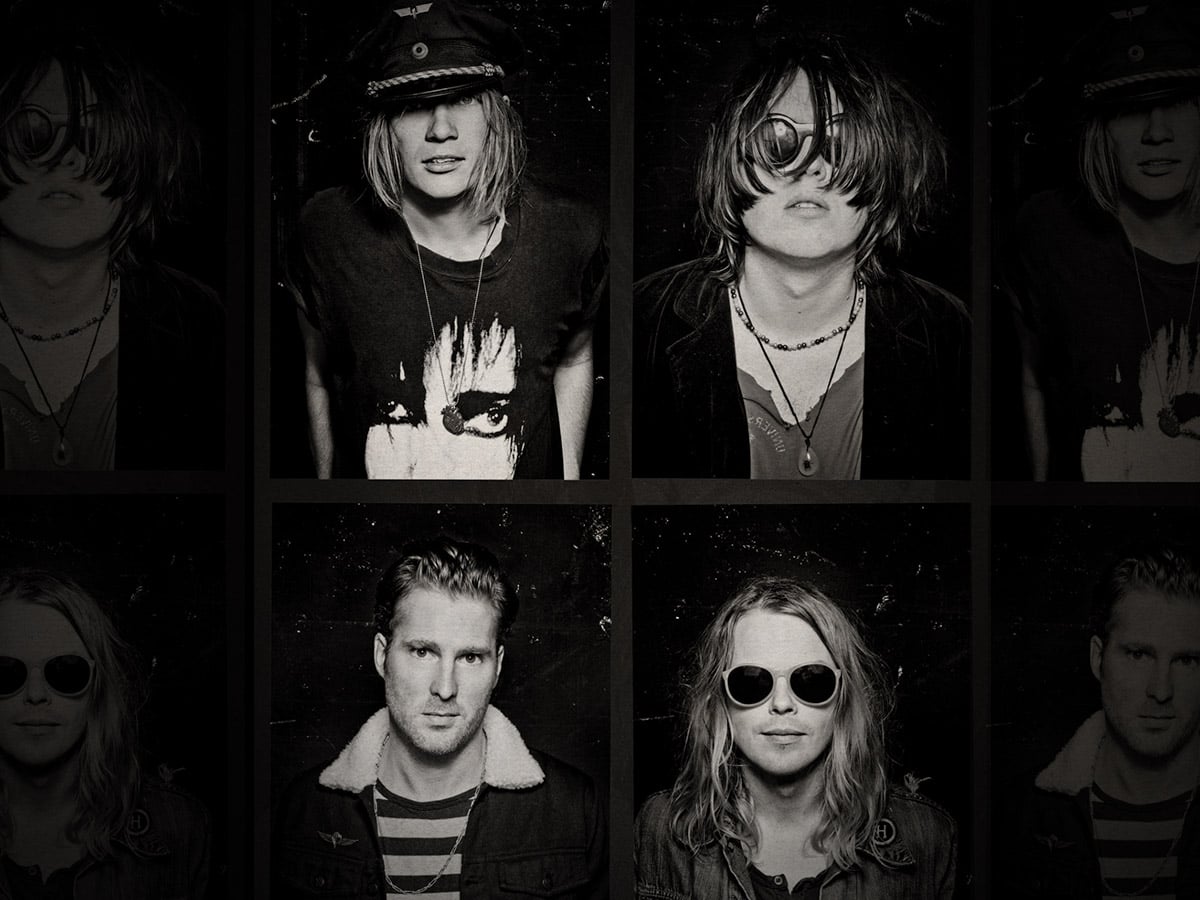
Rejecting most new technology, Nicholls created no online presence and claimed not to even own a computer or smartphone. He did remain active as a musician, however, putting together a new Vines line-up for 2014’s Wicked Nature and 2018’s In Miracle Land, as well as an electronic side project called White Shadows in 2015.
Now 48 years old, Nicholls has rarely been heard from over the past eight years, creating some concern among fans, but word did spread online that drummer Hamish Rosser and guitarist Ryan Griffiths had rejoined The Vines and were working on new material with Nicholls in 2023, and further updates in 2025 suggested a record was being recorded at Sugarcane Mountain Studios in New South Wales; as of June 2026, though, that new album has yet to surface.
