


The ‘Taxi Driver’ soundtrack at 50: Bernard Herrmann’s unlikely curtain call

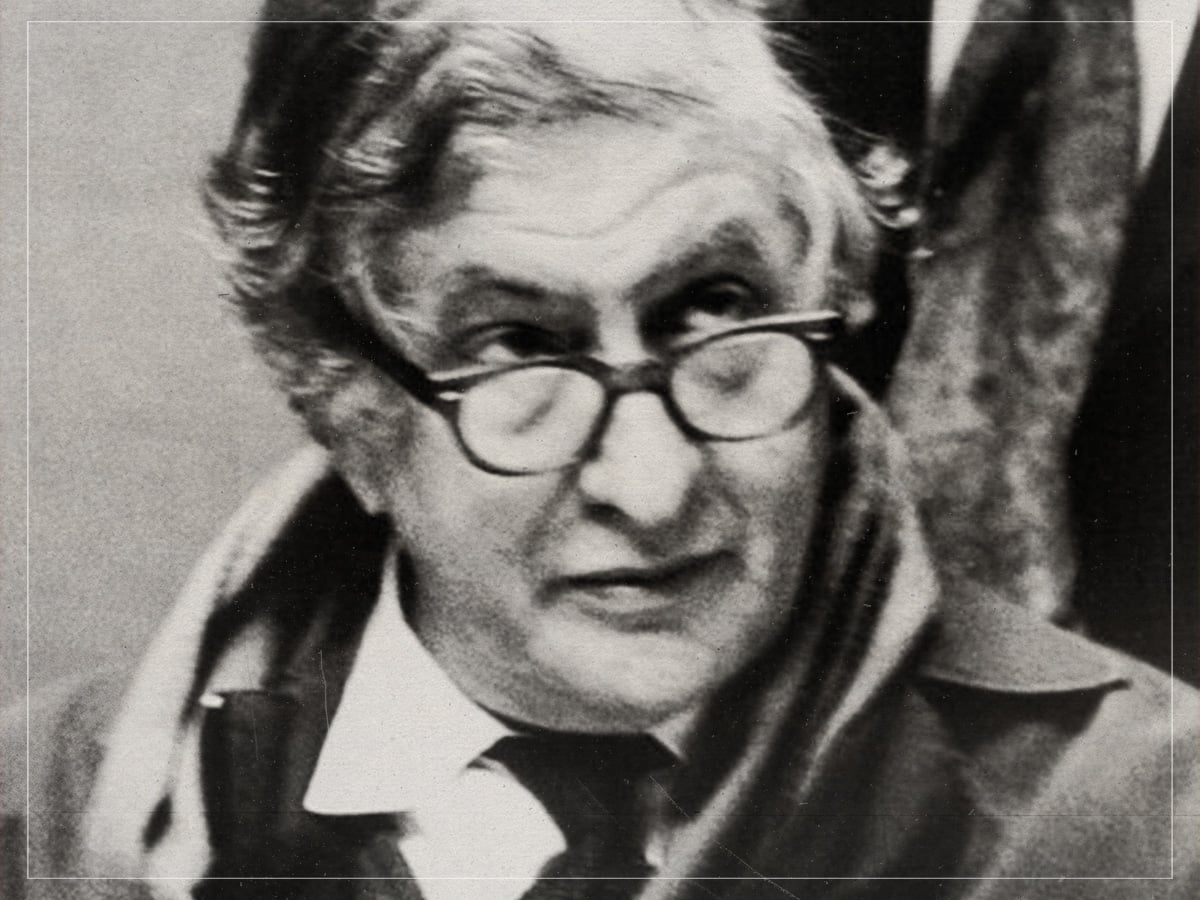
“I do not prefer to be judged by inferior talents,” legendary film score composer Bernard Herrmann once said, “Sparrows fly in flocks, but eagles fly alone”.
Herrmann, clearly, was not a man short on ego or confidence in his craft. Much like the great director Orson Welles, he seemed to arrive in Hollywood as a fully realised genius, and perhaps as no coincidence, the first feature film he ever scored was also the first one Welles directed, a 1941 picture you might have heard of called Citizen Kane.
Herrmann was nominated for an Oscar for that score, but he lost to himself in the category, as his subsequent work on the music for The Devil and Daniel Webster took the prize that same year. That remarkable success, and the independent-mindedness that grew from it, didn’t necessarily endear Herrmann to studio executives, however. Like Welles, he was often met with pushback for his unwillingness to do things the tried and true way.
“Hollywood wasn’t a very hospitable town to me in the beginning, you know,” he later recalled, according to Graham Bruce’s 1985 book, Bernard Herrmann: Film Music and Narrative.
“I was told by the heads of many music departments that there was no room for people like me here.”
Bernard Herrmann
Unlike Welles, however, Herrmann was able to stay relatively prolific in the industry, as his distinctive style and endless well of ideas made him equally suited to epic dramas like Jane Eyre and The Snows of Kilimanjaro and genre classics of the sci-fi and fantasy realms, including The Day the Earth Stood Still and The 7th Voyage of Sinbad. What really separated him from his contemporaries, though, was an understanding of how to build suspense in the still relatively young medium of sound film, shedding the melodramatic swells of old Hollywood for something much fresher, more contemporary, and often experimental, including an embrace of electronic instruments.
His music later became central to the success of Rod Serling’s influential television series The Twilight Zone, as well, but it was his work with Alfred Hitchcock, most of all, that completely changed how people thought about the connection between an image and music on screen. Hitchcock was known, of course, as the ‘Master of Suspense’, but some of his best films find Herrmann’s music doing a lot of the heavy lifting, most famously in the phenomenal scores of Vertigo, North By Northwest, The Birds, and of course, Psycho, which features arguably the single most famous and inseparable combination of an onscreen action and an off-screen music choice in cinema history.
“Music on the screen can seek out and intensify the inner thoughts of the characters,” Herrmann wrote in a 1945 letter to the film critic Erich Leinsdorf, “It can invest a scene with terror, grandeur, gaiety, or mystery. It can propel narrative swiftly forward or slow it down. It often lifts mere dialogue into the realm of poetry. Finally, it is the communicating link between the screen and the audience, reaching out and enveloping all.”
Despite the vast collection of instantly recognisable scores he’d put together during the prime of his career, Herrmann never won a second Oscar, and wasn’t even nominated for any of his work with Hitchcock, nor for his wider work in the 1950s and ‘60s. Hollywood’s Golden Age was coming to a close, and as studios started looking toward more modern, TV-friendly sorts of soundtracks with big, memorable title songs, Herrmann was suddenly the stubborn representative of the old guard. Even Hitchcock, who’d relied on him for a decade, felt inclined to move on after his rough draft of a score for 1965’s Torn Curtain didn’t meet his approval, deemed too dark, too moody. In response, the New York-born Herrmann retreated from Hollywood and the US altogether, doing most of his work in Europe from that point forward.
One of Herrmann’s fellow film composers and friends, the Hungarian-American Miklós Rózsa, later said that, “Deep down, [Herrmann] was craving praise and recognition because he knew that his work was important and written with his heart’s blood. He didn’t know half measures, and no matter how bad the pictures were, he gave his best. He was bitter that the best assignments went to the untalented, the scribblers, the poseurs, the charlatans.”
When he was finally coaxed back to America in 1973, Herrmann was a grumpy, grizzled, 62-year-old with less patience for “sparrows” than ever before. He’d been enticed to return by a new, younger generation of filmmakers who’d grown up worshipping his scores, and who now hoped to have him do for them what he’d once done for Welles and Hitchcock. There would presumably be less creative pushback now, less interference from the studio execs. It was a new era of the auteur, and Herrmann was invited to return as an auteur in his own right; understandably, he was sceptical.
Brian De Palma, who was the first young director to work with Herrmann upon his return, for his film Sisters, remembered him being a surly, highly intimidating character, albeit sometimes still charming and amusing, even when berating members of the orchestra. De Palma’s friend Martin Scorsese was thrilled to hear that Herrmann was back and potentially available to collaborate.
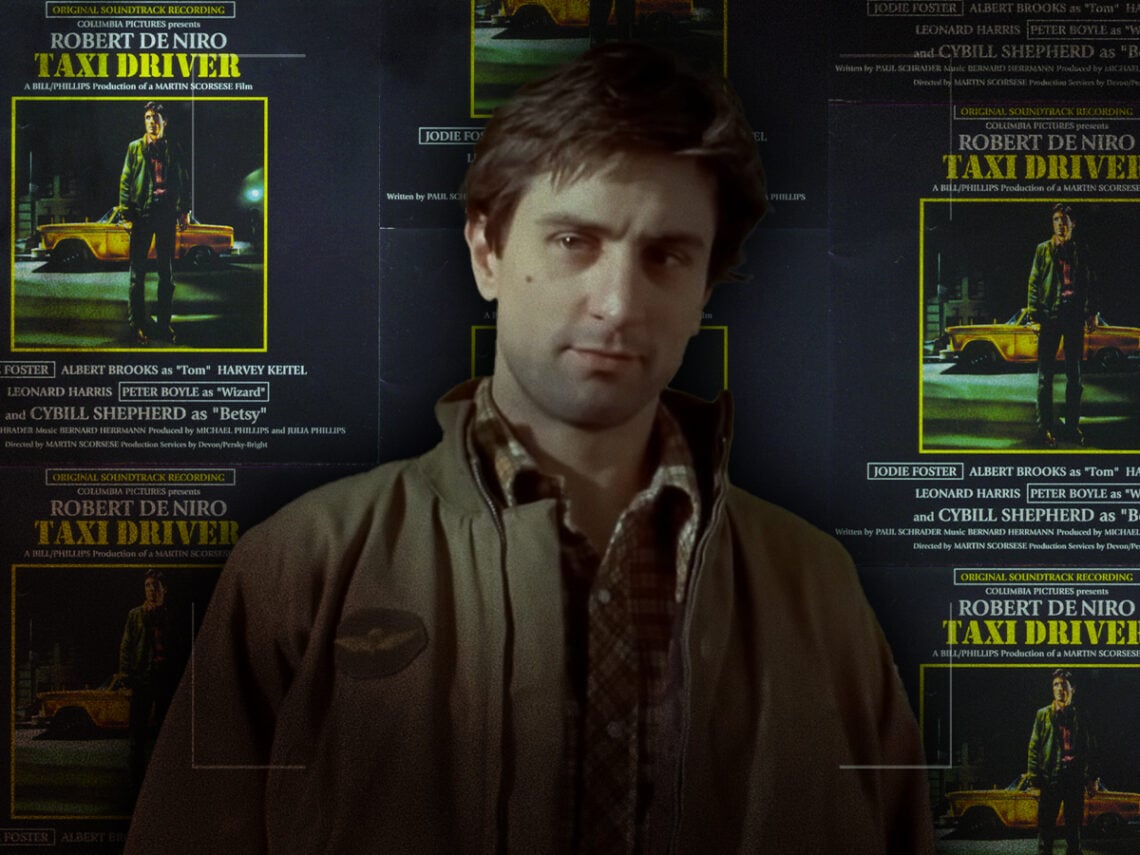
The 33-year-old had made a few films by this point and was hard at work on a new one in 1975, starring Robert De Niro. It was a dark exploration of a Vietnam vet returning to New York City to work late nights as a cabbie, which wasn’t exactly the 7th Voyage of Sinbad, but the filmmaker was convinced that Herrmann was the right man to score Taxi Driver; however, convincing Herrmann to do so was no easy task.
“He was a marvellous but crotchety old man,” Scorsese wrote in Scorsese on Scorsese. “I remember the first time I called him to do the picture. He said it was impossible, he was very busy, and then asked what it was called. I told him, and he said, ‘Oh, no, that’s not my kind of picture title. No, no, no’. I said, ‘Well, maybe we can meet and talk about it’. He said, ‘No, I can’t. What’s it about?’ So I described it, and he said, ‘No, no, no. I can’t. Who’s in it?’ So I told him, and he said, ‘No, no, no. Well, I suppose we could have a quick talk’.”

As it turned out, Taxi Driver would provide Bernard Herrmann with a final opportunity to showcase his greatness, working with a young director on an era-defining film just as he had 35 years earlier with Welles on Citizen Kane. Very few film composers, whether in the 1970s or any other decade, would have approached the music around the mentally ill and murderous Travis Bickle with as much care and emotional nuance as Herrmann’s score does.
Because it’s influenced by the internal struggle of the title character, the music fluctuates from big brass hero flourishes and crescendos to lonesome film noir jazz saxophones and slow, tension-building Twilight Zone chords, as De Niro sinks further and further into the depths of his psychosis. Finally, big bangs of the timpani, drumrolls on the snare, and off-kilter flutters of a harp prepare us for Travis’s final date with bloody destiny, almost as if he’s a circus performer about to dive off the trapeze.
Herrmann was in bad health with a heart condition when he came to Los Angeles in December 1975 to work on the orchestral recordings for the Taxi Driver score, but he was determined to do the job and do it well, as he always had. After the second day of recording, he retired to his hotel room, went to sleep, and never woke up. The Taxi Driver soundtrack was released posthumously on vinyl in 1976, and it earned Herrmann his first Academy Award nomination in 30 years; he didn’t win.
“Working with him was so satisfying,” Scorsese later wrote, “that when he died, the night he had finished the score, on Christmas Eve in Los Angeles, I said there was no one who could come near him. You get to know what you like if you see enough films, and I thought his music would create the perfect atmosphere for Taxi Driver.”
50 years later, the Taxi Driver score continues to introduce people to Herrmann’s genius, providing a powerful if unlikely final statement for the man who revolutionised the role of music as an active character in the visual arts.
