


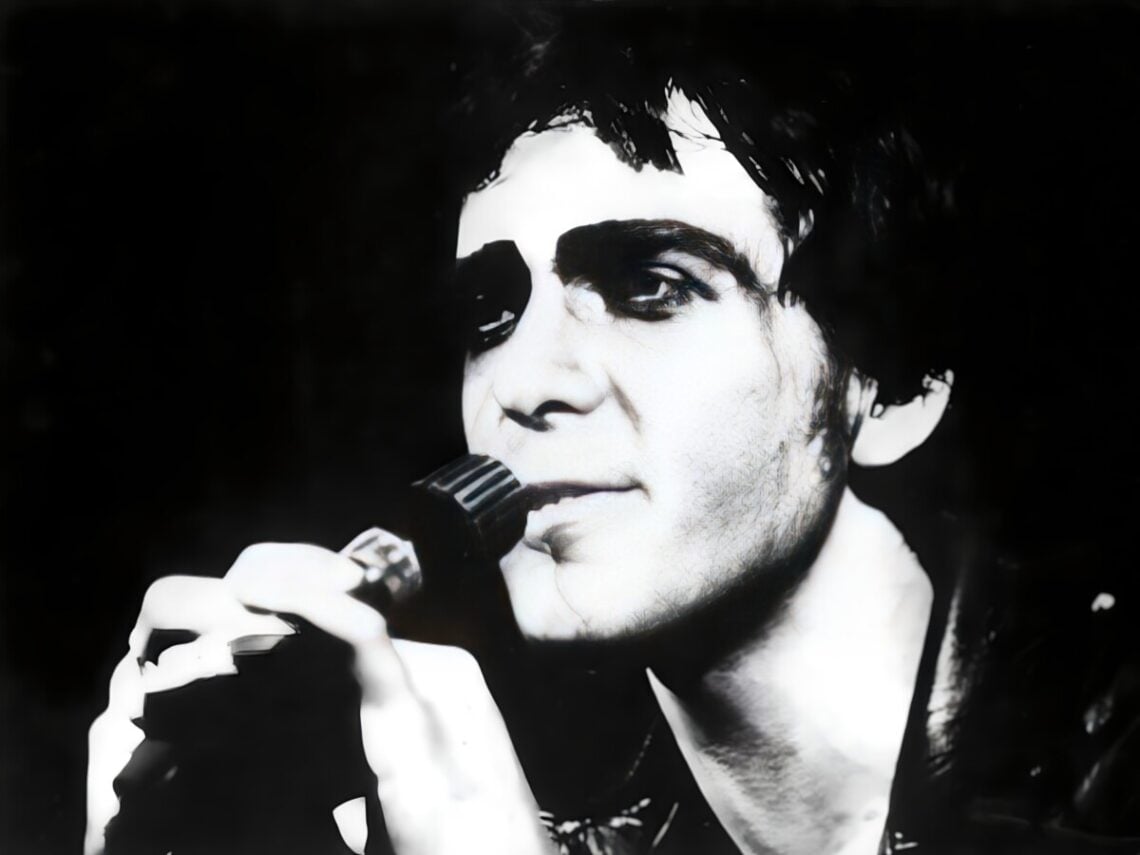
The 1960s singer who left Peter Gabriel speechless: “He really got down and dirty”

Peter Gabriel has never been scared to ruffle a few feathers on stage, or a few teddy bears, for that matter.
Some nights, while singing ‘Me and My Teddy Bear’ during his solo tours in the late 1970s, he would stand there clutching a pink stuffed bear; on others, he’d try to provoke the audience by appearing in a dress topped with a fox’s head, sure to give Fantastic Mr Fox fans across the world weeks of nightmares. And then there were the nights when he went further still, secretly involving his audience in a social experiment borrowed from psychologist Stanley Milgram, quietly testing how easily people follow instructions when they come from a shaven‑headed frontman holding a microphone.
So yes, it’s fair to say Peter Gabriel was always a creature of the live stage. The theatre, the risk, the oddness: it was all part of how he communicated. And while some of the inspiration for his songs might have come to him in a dream, the blueprint for Gabriel the performer was drawn by studying the greats.
Gabriel’s teenage rock ‘n’ roll education happened beyond the gates of Charterhouse, the prestigious boarding school where he teamed up with classmates Tony Banks, Mike Rutherford and Anthony Phillips to form Genesis. On secret (and usually illicit) escapes from the dormitory, the future bandmates shuffled over to London to immerse themselves in the live music scene, discovering artists who would go on to shape their artistic compass.
Among those formative experiences was one particularly fortunate encounter in 1967: “I was extremely lucky […] when I was 17 years old, to go and see Otis Redding perform at the Ram Jam Club in Brixton in London. It was a bit of a moment for me,” Gabriel told Nightline.
While Gabriel and his cohort of merry men might now be deemed pioneers of prog, perhaps the clearest transition they represented beyond genre was the sense of intelligence and depth they imparted. Typical rock ‘n’ roll tropes were put to one side as the band took music in a new mystical direction, one built on atmosphere, character and emotional storytelling rather than swagger alone.
It’s easy to see Redding’s influence here; he could move from softness to full‑bodied force in a single breath, he was a master lyricist, and his voice carried a kind of emotional charge that didn’t rely on polish or precision, all of which gave Gabriel a myriad of ideas to chew on.
And this emotional honesty, vocal intensity, and ability to communicate feeling have resonated across the musical spectrum, even with artists far outside Gabriel’s world, including (in some ways) his stylistic opposite, the stripped‑back Billy Joel. “It was a rough and raspy voice,” Joel once said of Redding, “and he really got down and dirty when you dug into the lyrics. He had these vocal riffs that were really fun to play [and] fun to listen to. Just a dynamic performer.”
Encountering Redding before his tragic and untimely death didn’t turn Gabriel or Joel into soul singers, but it did give them a compass. Both found themselves drawn to the idea of building emotional landscapes, and Redding showed that feeling could be the foundation, not the decoration, of a great artist.
