


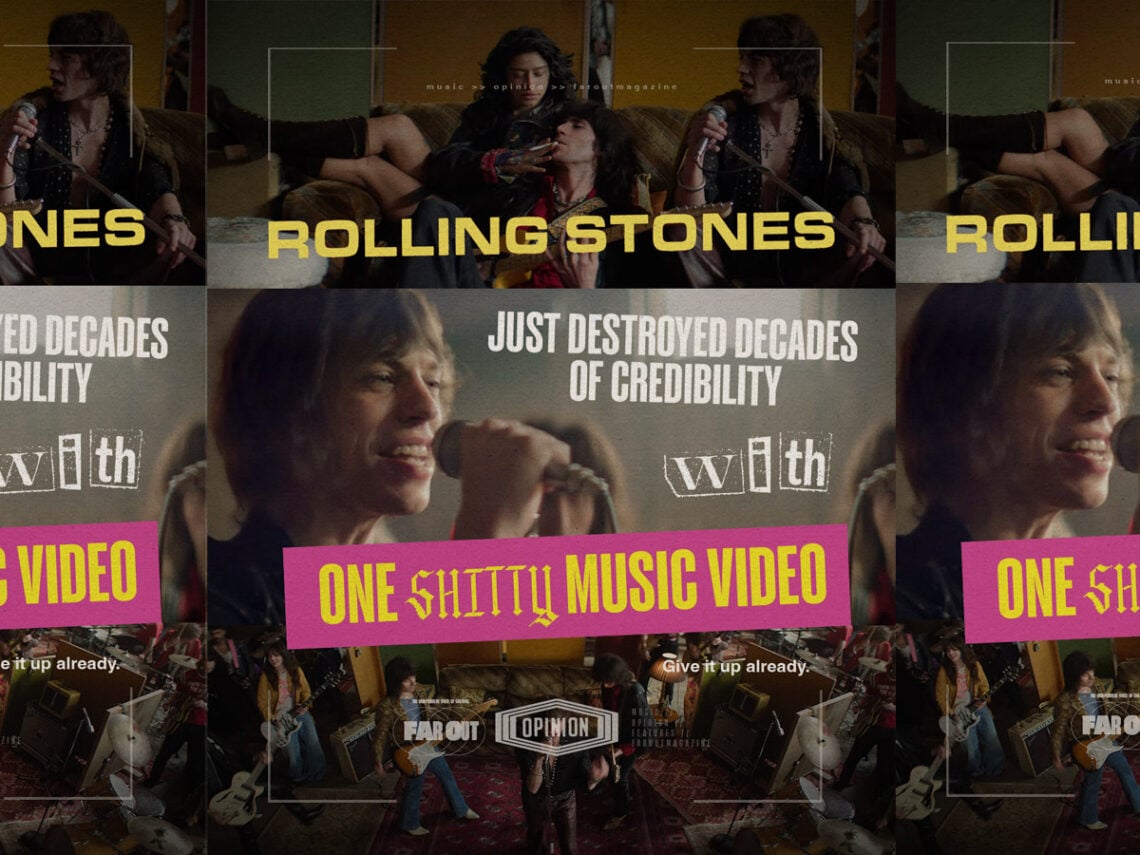
The Rolling Stones just destroyed decades of credibility with one shitty music video

We have a problem in today’s music industry. A big, glaring one that can’t be ignored anymore.
And it’s this: for the most part, legacy acts don’t know how to be. They’re older, they’re wiser, they probably have more to offer than they ever did – so why do they struggle to remain modern and relevant without hopping aboard the nostalgia train and flogging a dead horse? In other words: The Rolling Stones, what the hell are you doing?
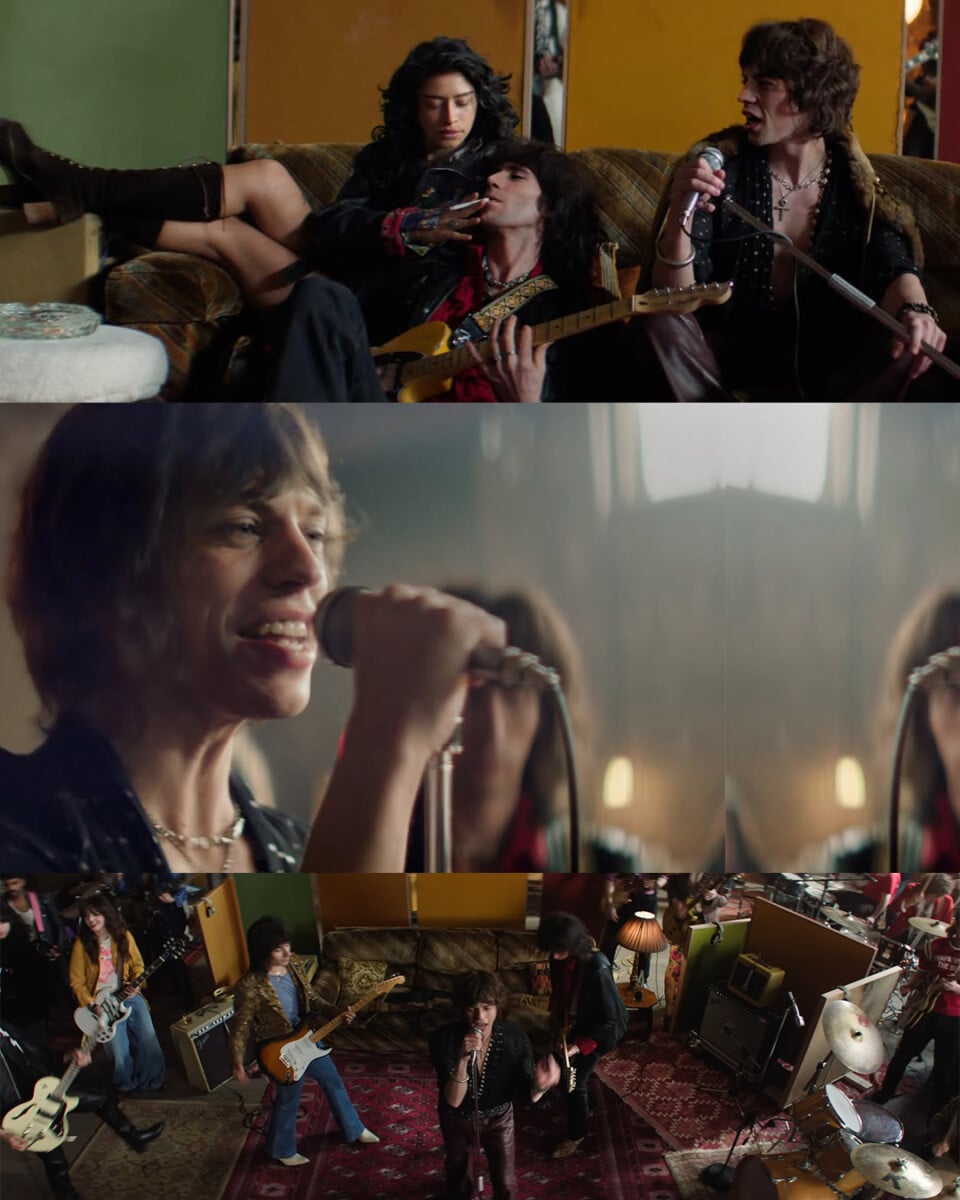
Yesterday, the band unveiled their music video for their new single, ‘In The Stars’, which featured de-ageing tech to make the band look like their younger selves, using South Park creators Trey Parker and Matt Stone‘s AI company Deep Voodoo. And in case you didn’t quite catch that, The Stones – you know, that groundbreaking 1960s band whose entire image was built on a grit and authenticity to rival all other flashy bands around them – are using deepfakes to appear younger.
Aside from the fact that the deepfakes themselves are a little unsettling and venture a little too far into the uncanny valley to be believable, much less enjoyable, it presents all the things that are wrong with the industry right now. Such tech isn’t innovative, it’s not impressive, and it certainly isn’t an effective means to get people to feel more engaged with the content itself – even if there are legions of people out there who are still very much interested in The Stones’ roots: it just doesn’t feel natural, and it most certainly doesn’t feel human. Not in the way The Stones always appeared to be, anyway.
That said, the aim here is clear: they’re trying to celebrate who they were decades ago. There’s no harm in that – in fact, the band’s achievements and everything they did for music at a time when it was becoming The Beatles’ flavour of commercial and prudish is something that should never die down. However, instead of looking forward and honouring that legacy with even more forward-thinking brilliance, the tech is used as merely a sloppy tool to reinvent the wheel, a cheapened reflection on what they were, recreated through the eyes of a band that clearly has nothing left to give.
Recently, the band unveiled the cover for their new album, Foreign Tongues. After, Mick Jagger claimed he “made sure” no AI was used in its creation. Before that, though, Keith Richards delivered a more diplomatic view on where he stood with AI, saying, “It can either be a tool, or it can be a toy. And most times, all of these things become toys. But it’s like how you use it.”
He then said the one thing that makes their latest video make even less sense: “Recording is a special art in a way. I don’t know really how to put it into words. Because I mean, if you could put music and what it does into words, there’d be no point in it. But vinyl will give you what’s real, and I prefer to hear it that way. I like real.”

Read that last sentence again. Keith Richards, one-third of the band’s core members, who recently starred in a music video using deepfake technology, prefers things to be “real”. He prefers real, when he just did the one thing most musicians are kicking back against. He prefers real, when he probably knows that, deep down, AI is a sign of vintage acts selling out. He prefers real, in an age where Rod Stewart enters the slaughterhouse for featuring an AI-generated tribute to the late Ozzy Osbourne.
He prefers real, and then does the one thing that goes against everything The Stones were meant to be, denying who they are, and everything they could be, in 2026. What is ‘real’, by this logic, then? What, did they use similar tech to help them with the lyrics, too? Is that what ‘real’ is… No, it’s not – it’s not easy dragging out a legacy when you’ve been in the game this long, but there are far more dignified ways to do it that don’t come across like some boomer discovering a new “toy” to play with without even considering the artistic and cultural implications of doing so.
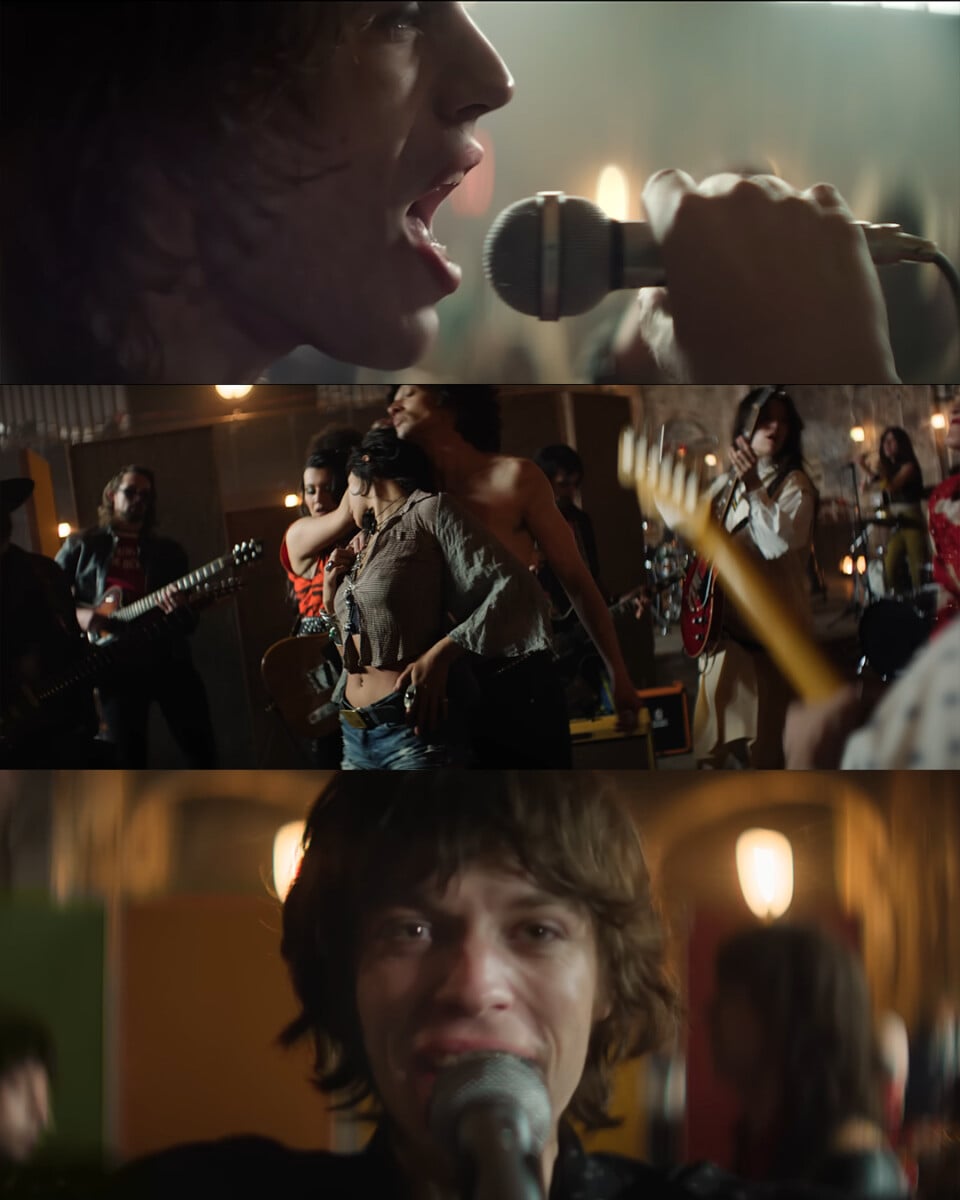
Most of us have seen the latest sweep of how tools like ChatGPT are capturing the minds of said generation, and if you haven’t been on the receiving end of them sending weird, AI-generated photo-style versions of themselves, then count yourself lucky. But this new venture for The Stones feels exactly like that: being faced with something inherently cringeworthy and lacking in all artistic value, something that shouldn’t have existed in the first place, all because they thought it was a cool and quirky thing to do.
Well, it isn’t, and it never will be. In fact, it’s everything except ‘cool’ and ‘quirky’, and just goes to show that there’s rarely anything credible about pushing nostalgia with little else to say, even less so when there’s something as cheap and lazy as AI involved, even if the company behind it insists they are “making beautiful, cinematic film and television that never pulls the viewer out because the effect doesn’t look right”.
They could have been in the music video themselves, breathing a new fire into modern-day rock ‘n’ roll as their 80-something selves, standing proud in front of the camera because that’s all their fans ever wanted in the first place: them, right there, proving all the reasons why they still hold the torch when it comes to the current rock scene. They could have enjoyed their positions among some of the current landscape’s finest bands – Picture Parlour and Creeping Jean – and delivered a greater sense of realism alongside the charming presence of actor Odessa A’zion.
They could have done better, and they should have wanted to. Instead, all we have is a strange version of The Stones from a previous life, making it seem as if they’re not the cool, confident trailblazers they once were. Now, all that’s left is insecurity about growing old and a deliberate rejection of real, honest art. And if that’s not the biggest artistic cop-out you’ve ever seen, then what is? Music doesn’t need any more of this meaningless drivel, so if this is where they’re heading, then they should give it up.
