


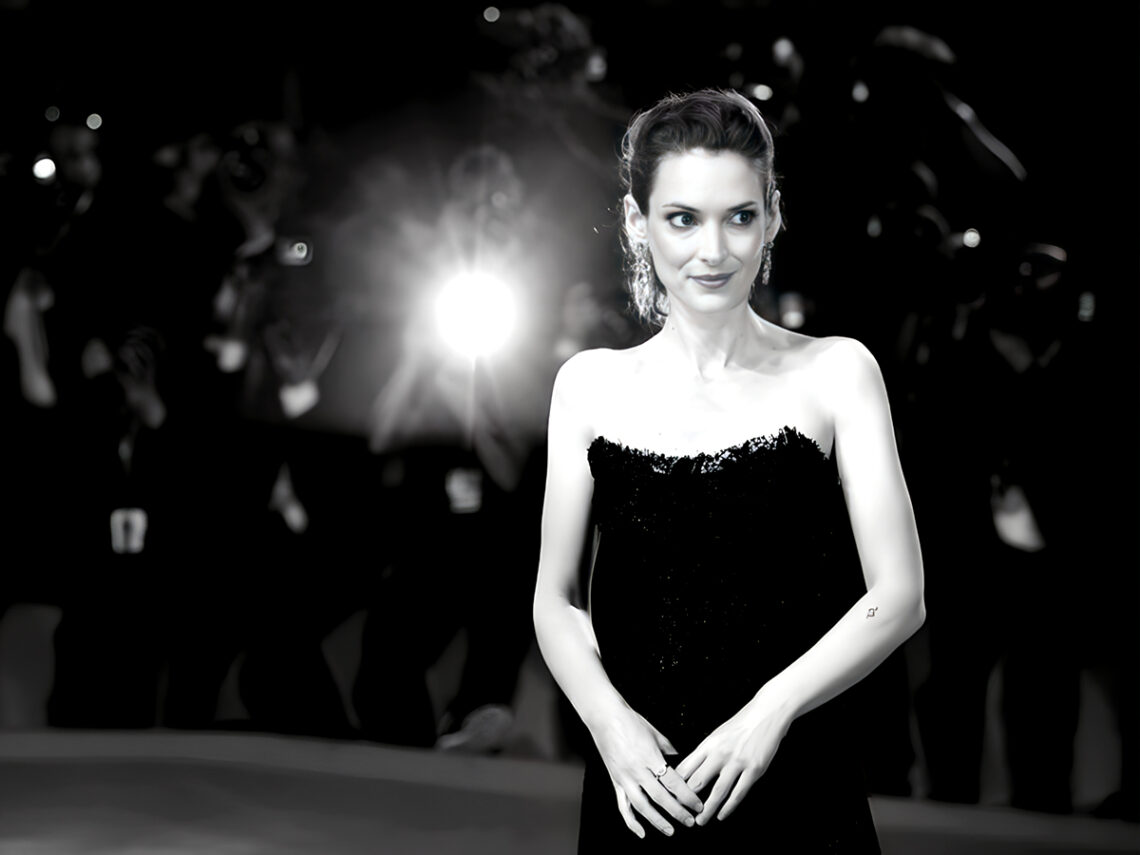
The role that saved Winona Ryder’s career: “A very liberating thing”

Many viewers have puzzled over the sanity and stability of Darren Aronofsky after the release of Requiem for a Dream and Mother!, with the director creating disturbing psychological thrillers and metaphorical melodramas that are often in service of a hyper-specific theme.
From the nightmarish rollercoaster of Mother! to the suffocating loneliness of The Whale, Aronofsky’s films have always required his actors to completely reinvent themselves in the name of extreme characters and story worlds, something that Winona Ryder greatly appreciated after being cast in his 2010 film, Black Swan.
Ryder showed an early fascination with dark characters after being the titular outcast in many films of the late 1980s and early ‘90s, playing troubled teenagers and gothic misfits in the likes of Girl, Interrupted, Heathers and Beetlejuice. However, there was a period in Ryder’s career in which she stepped away from the limelight entirely and struggled with the constant attention of being in the public eye and the level of scrutiny leveraged against her. But after joining the cast of Black Swan, Ryder described how this impacted her career and how it opened up a new way for her to be perceived.
Black Swan follows a ballerina named Nina, whose life is completely consumed by her craft. She is intent on being cast as the lead role in her company’s production of Swan Lake. However, things take a turn when she is cast as both the Black Swan and the White Swan. She becomes obsessed with the pursuit of perfection and, in turn, destroys herself for the sake of completely embodying the role.
Ryder plays a former ballerina named Beth, who serves as a cautionary tale to Nina about the dangers of giving herself entirely to the art form. After a strained interaction at a party in which she expresses jealousy toward Nina’s youth and career success, Beth attempts to take her own life, showing Nina how damaging and unsustainable the career path is and the effect it will eventually have on her health.
When asked about the role, Ryder said, “That was a very liberating thing because I was playing my age. … And I think in a lot of people’s minds, that really helped. I sort of graduated” with the role signalling the beginning of a new era in Ryder’s career and her transition to roles that match her life experience and many years of wisdom that can bring life and nuance to these gritty characters.
The film was met with critical acclaim and praised for its dizzying surrealism and haunting analysis of obsession and self-destruction, something that is often encouraged within the arts, but Aronofsky shows through a critical lens. His portrait of compulsion and mania is the driving force behind Nina’s desires and acts as a cautionary tale to the artists that pursue perfection above everything else, risking their own sanity for validation and praise that will not save them from their self-hatred and crippling insecurities.
Given the rest of Ryder’s career choices, this character fits in well with her body of work but exists as a testament to her current capabilities as an actor and how she has evolved this style over time.
