


The one musician Bob Dylan said ended rock and roll: “A period of reconstruction”

Bob Dylan didn’t need to stay in one genre for the rest of his career if he didn’t want to.
Everyone knows the classic version of him playing an acoustic guitar and singing the best folk songs that he could, but there was a lot more to him once he broke out the electric guitars and began making more militant songs. He was proving that rock and roll could mean something a lot more than the average party song, but he also realised that the energy that he felt listening to the genre was long gone by the time that he went electric.
Everyone usually sees Dylan’s electric period as the moment where everything changed, but it’s not like the world wasn’t already preparing for something a bit more cerebral on the horizon. The Beatles had already started getting enamoured with Dylan as far back as A Hard Day’s Night, and it didn’t take long for John Lennon to start working in his own folksy tunes on some of the Fab Four’s material every now and again.
But if you wanted to listen to the most authentic rock and roll music, Dylan thought that it needed to come from America. The biggest names of the British invasion were doing a decent version of the genre, but the heart of it lay in the kinds of tunes that Little Richard and Chuck Berry made when the genre was being born out of genres like country and blues. But Phil Spector was after something different.
Spector was looking at every song he wrote the same way an architect looks at a building, and with that massive Wall of Sound over top of everything, each of his singles sounded absolutely spectacular. That reverb may have been a little much listening back to it with fresh ears, but as far as Dylan was concerned, Spector’s records were the last time he felt like rock and roll meant something to him.
The Rolling Stones were doing a great job carrying on the genre, but Dylan felt that Spector was where the end of an era truly started, saying, “Rock & roll ended with Phil Spector. The Beatles weren’t rock & roll either. Nor the Rolling Stones. The Seventies I see as a period of reconstruction after the Sixties, that’s all.” And it’s not hard to see why Dylan would be thinking along those lines.
He felt that the Summer of Love was something very different than what he was trying to do, and by the time that he was being looked at as the leader of a revolution, he figured he would start his own revolution. Self Portrait was a way of deconstructing what people thought of as typical rock and roll, and the best that he could hope for was to shake off the God complex that he seemed to have over people.

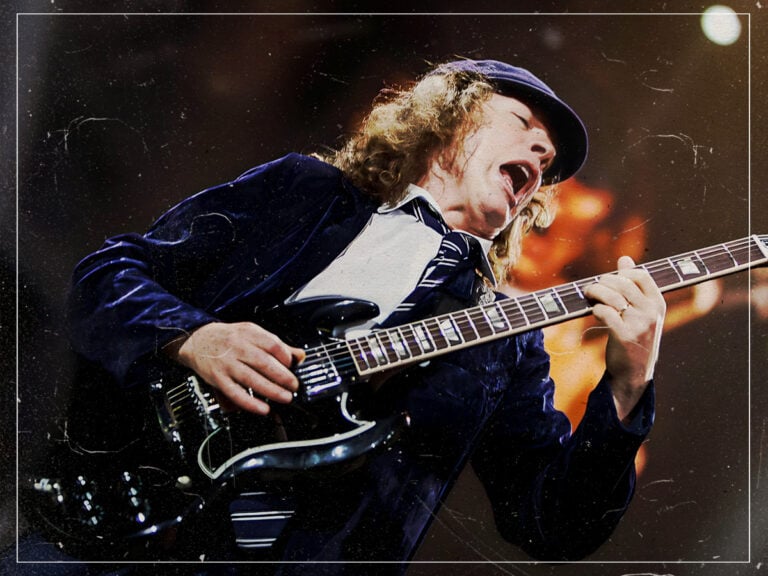
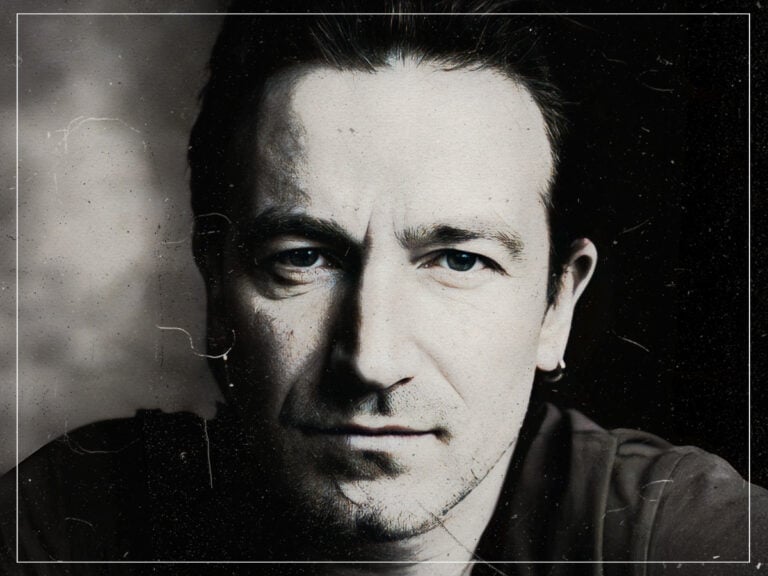
But even by the 1970s, Spector’s glorious sound had started to feel a little bit dated by everyone’s standards. There’s no doubt that he was trying his best to turn All Things Must Pass into the best record George Harrison could ever hope to make, but even the former Beatle remembered all those layers of reverb sounding absolutely awful when he began working on tunes like ‘Wah Wah’.
Rock and roll had more than a few decades left in the tank before fading from view, but Dylan knew nothing could have replaced the rush that he did hearing those tunes for the first time. Spector’s records had a lot more energy behind them, and he figured that anything that came afterwards wasn’t going to hit in the exact same way.

Never Miss A Tale
The Far Out Bob Dylan Newsletter
All the latest stories about Bob Dylan from the independent voice of culture.
Straight to your inbox.